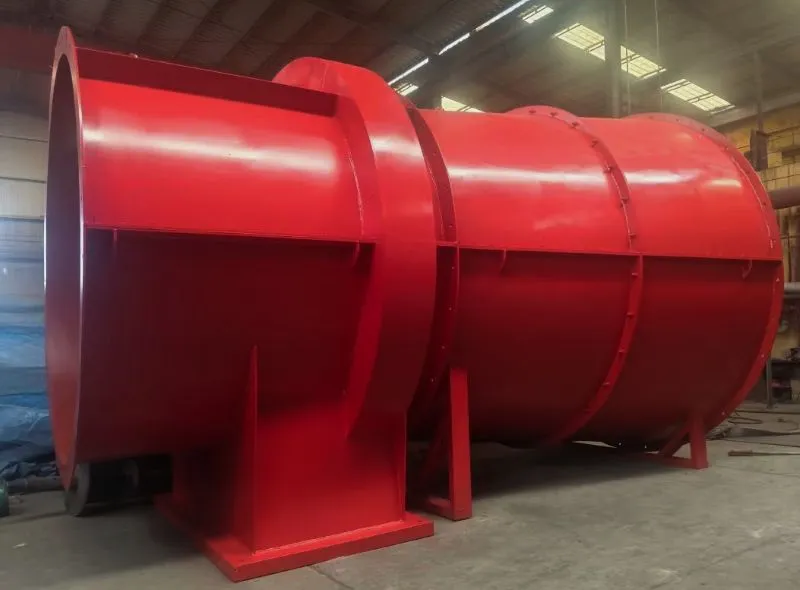
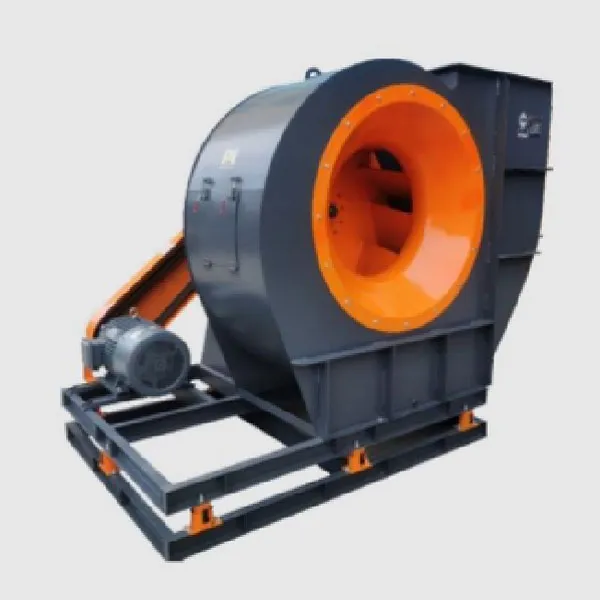
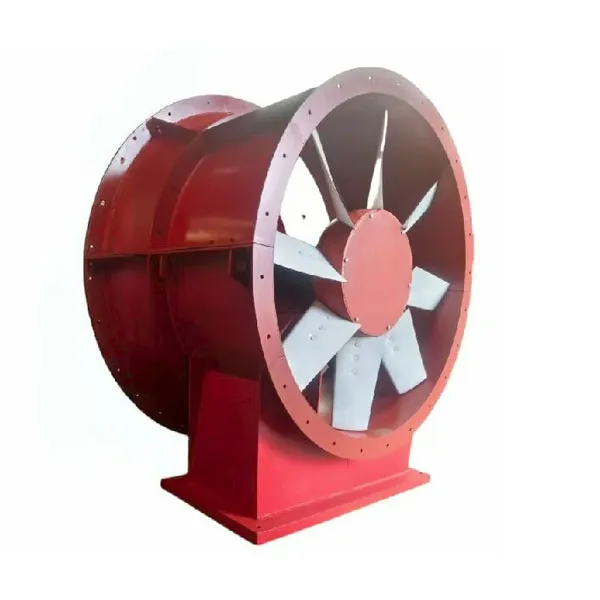
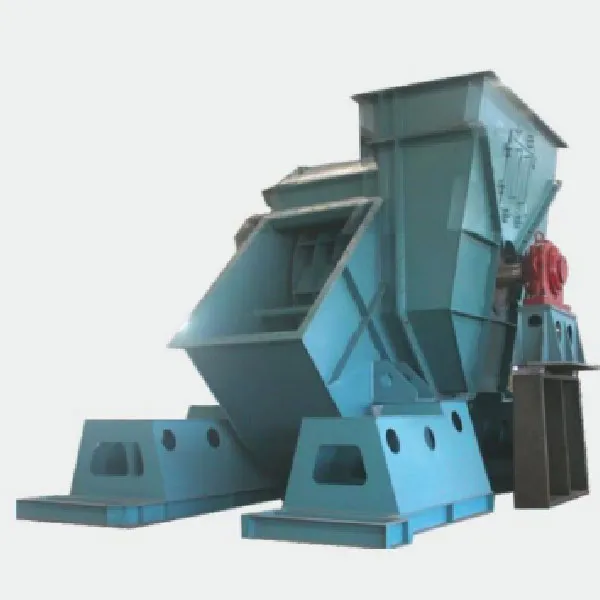
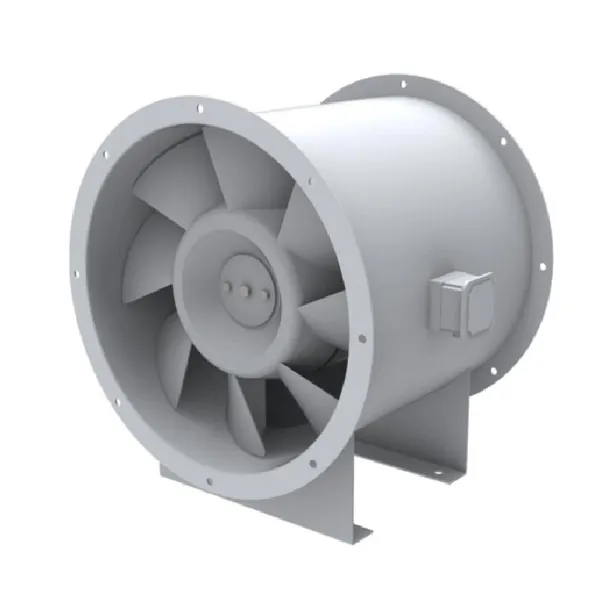
I. 4-72 Centrifugal Fan – Characteristics and Applications of Workshop Exhaust Ventilation Fan
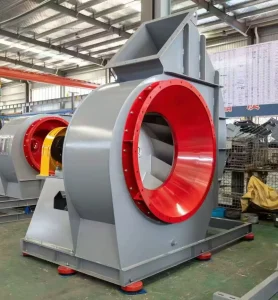
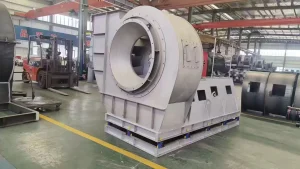
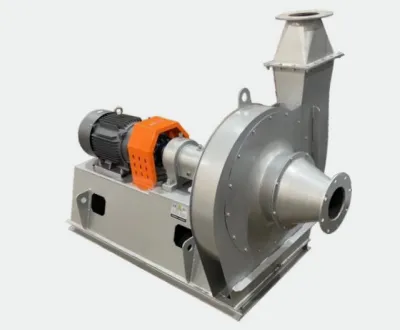
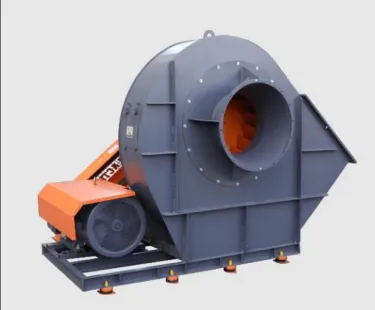
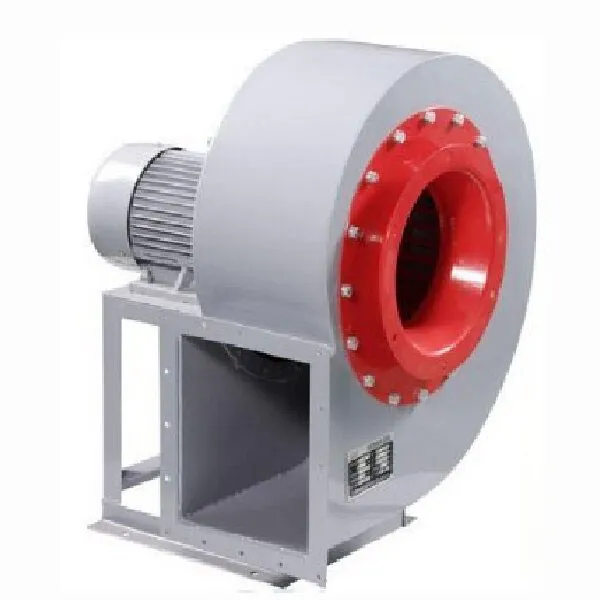
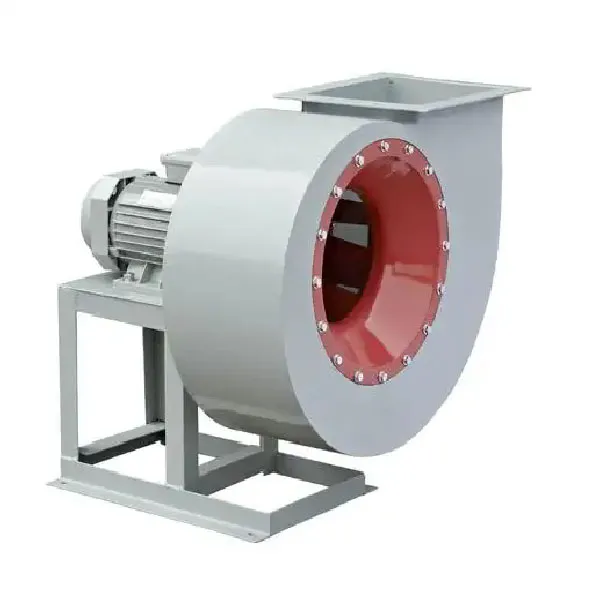
4-72 Centrifugal Fan The exhaust gas suction fan in the workshop is a mechanical device that uses the input mechanical energy to increase the gas pressure and discharge the gas. It is a driven fluid machinery.
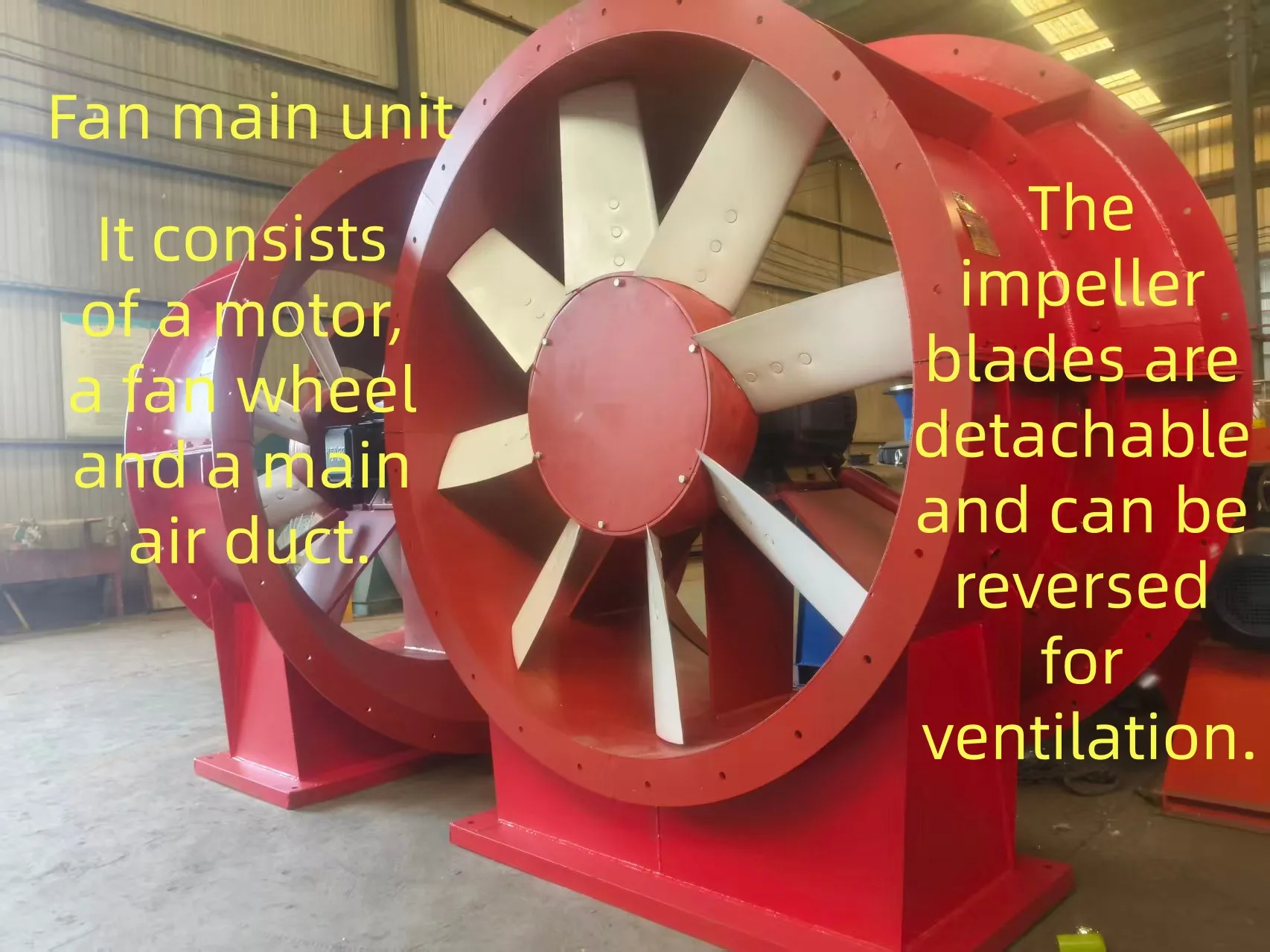
4-72 Centrifugal Fan The exhaust gas suction fan in the workshop is widely used for ventilation, dust removal and cooling in factories, mines, tunnels, cooling towers, vehicles, ships and buildings; ventilation and induced air for boilers and industrial furnaces; cooling and ventilation in air conditioning equipment and household appliances; drying of grains and transportation; air source for wind tunnels and inflation for air cushion ships, etc. It transports air and other unnatural, harmful to the human body, and non-corrosive to steel materials gases. The gas does not contain viscous substances, and the dust and hard particles contained are no more than 150mg/m3, and the gas temperature shall not exceed 80℃.
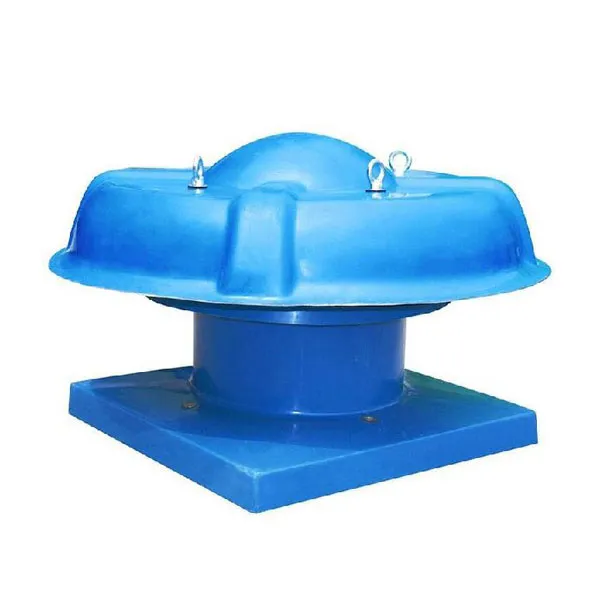
4-72 Centrifugal Fan The exhaust fan for the workshop can be made of fiberglass reinforced plastic or stainless steel to transport corrosive gases at a certain concentration. Such a fan can be called an anti-corrosion fan.
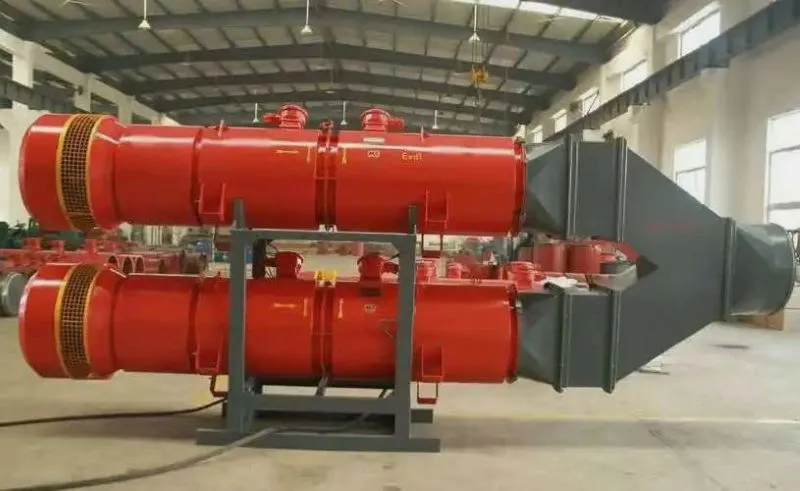
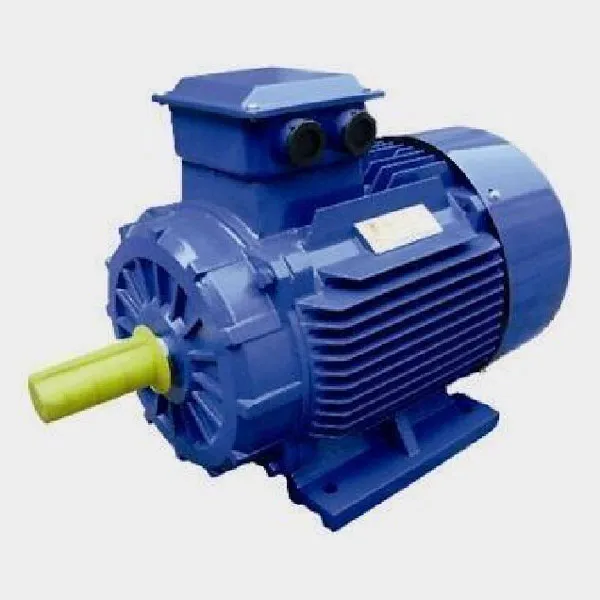
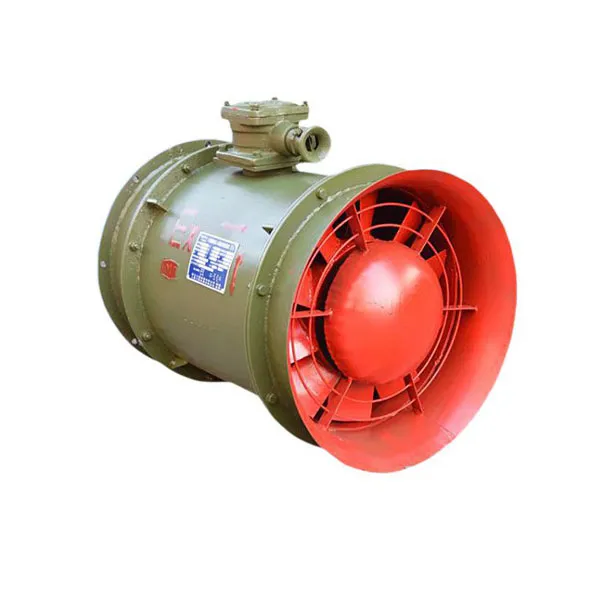
For the transportation of flammable and explosive gases, a cast aluminum impeller and an explosion-proof motor are used, which can be made into an explosion-proof fan.
For gas transportation angles greater than 80° and less than 250°, a water transmission bearing seat can be used, with ordinary steel plate material. For gas transportation angles greater than 250°, it is recommended to use stainless steel material. As the temperature of the transported gas increases, the pressure of the fan will change to some extent, and the power of the motor used will also be adjusted. For details, please consult the manufacturer.
II. 4-72 Centrifugal Fan – Working Principle of the Workshop Exhaust Fan
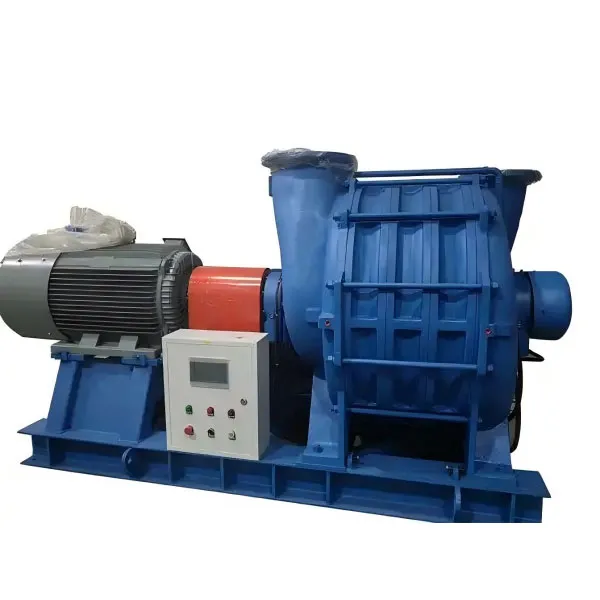
The 4-72 centrifugal fan operates based on the principle of converting kinetic energy into potential energy. It uses a high-speed rotating impeller to accelerate the gas, then decelerates and changes the direction of flow, converting kinetic energy into potential energy (pressure). In a single-stage centrifugal fan, the gas enters the impeller axially, changes direction to radial when passing through the impeller, and then enters the diffuser. In the diffuser, the gas changes its flow direction and the cross-sectional area of the pipe increases, causing the gas flow to decelerate, which converts kinetic energy into pressure energy. The pressure change mainly occurs in the impeller, followed by the diffuser process. In a multi-stage centrifugal fan, a returner is used to make the gas enter the next impeller, generating higher pressure [1].
III. 4-72 Centrifugal Fan – Type of Exhaust Fan for Workshop Ventilation
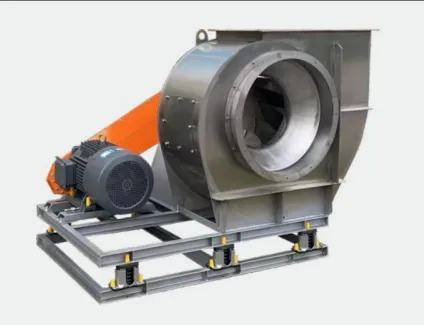
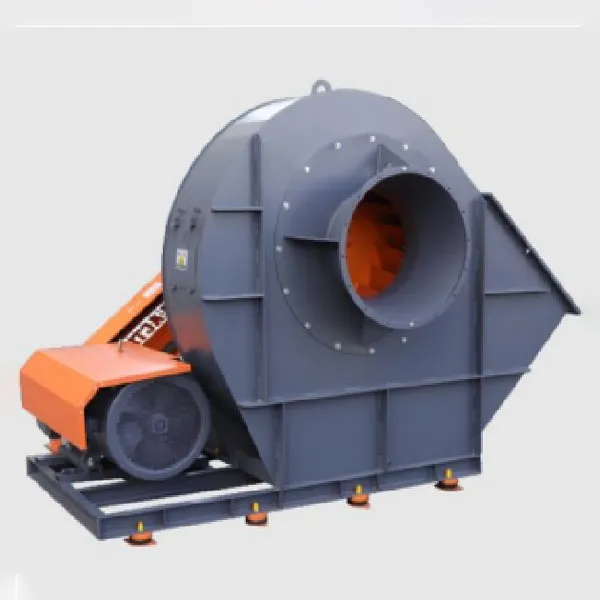
The 4-72 centrifugal fan can be manufactured in two types: right-hand and left-hand. When the motor is viewed from the front, the outlet is clockwise for the right-hand type and counterclockwise for the left-hand type. The transmission method of the fan is in four types: A, B, C, and D. Fans below No. 5 are mostly of type A, those from No. 6.3 to No. 12.5 are of type C or D, and those above No. 16 are of type B.
A: Direct connection type of motor
B/C: Belt-driven type
D: Elastic coupling transmission type
IV. 4-72 Centrifugal Fan – Structure of the Exhaust Fan for the Workshop
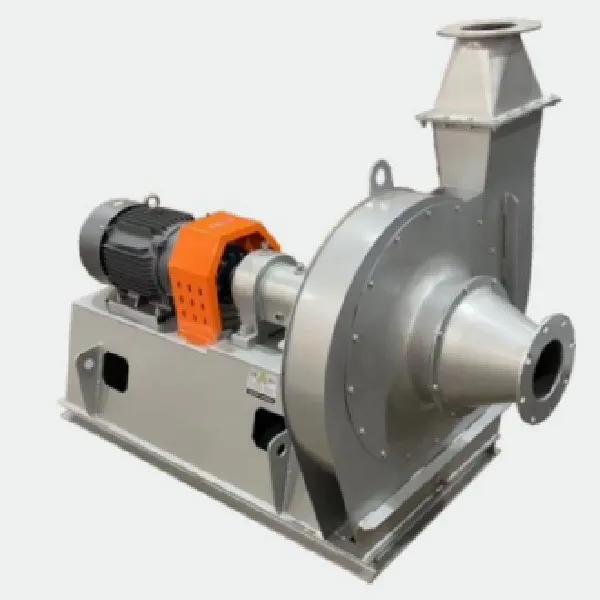
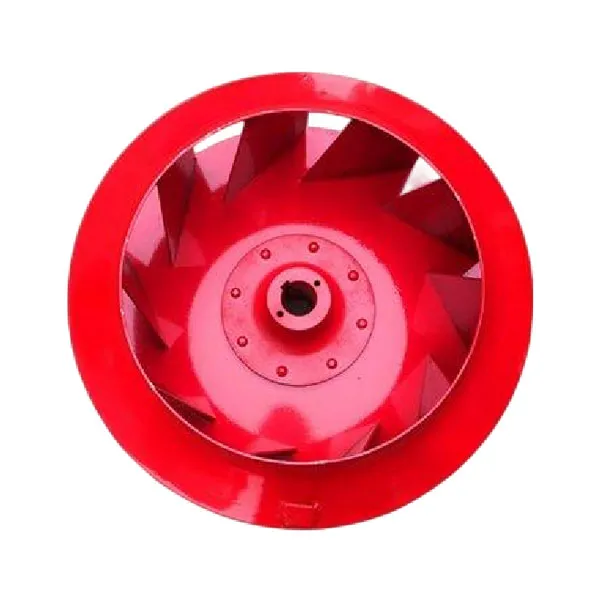
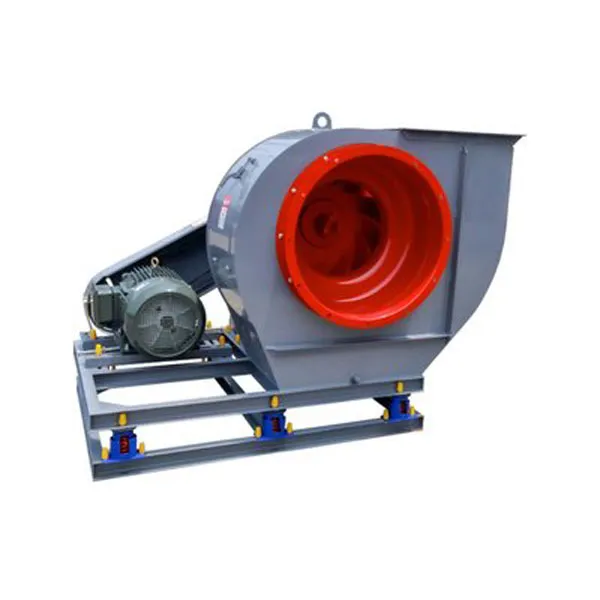
1. Impeller: It is composed of a backward-inclined airfoil blade, a curved front disk and a flat rear disk. All of them are made of steel plates and have undergone static and dynamic balance adjustments. The air performance is excellent, the efficiency is high, and the operation is stable and reliable. The backward-inclined impeller makes the performance curve of the fan more flat, and it is less likely to overload with a large flow.
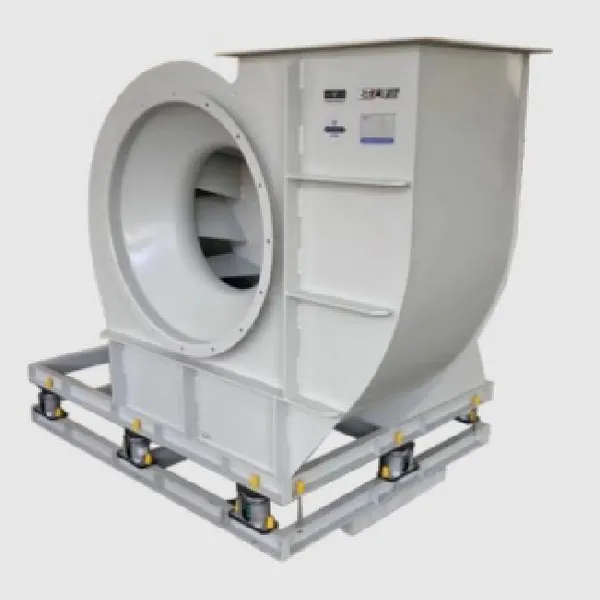
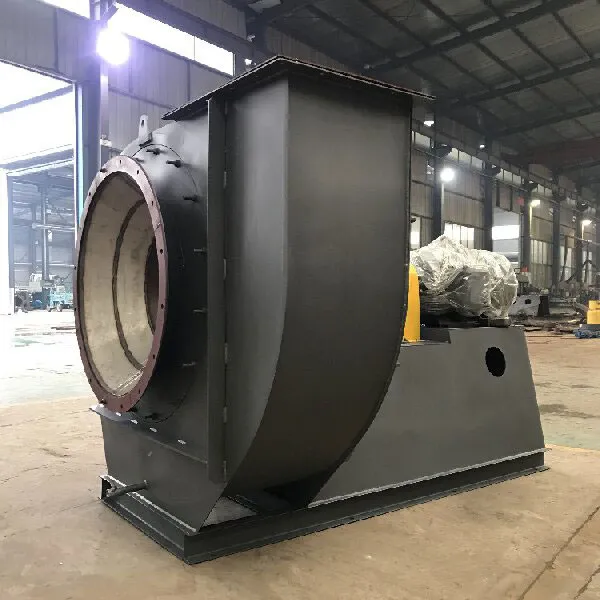
2. Shell: It is made by welding carbon steel. It can be produced in two different types. For those with a diameter of 12.5# or less, it is made as a single piece; for those with a diameter of 16# or more, it is made as a split type and connected by bolts.
3. Inlet: It is designed as a convergent streamlined overall structure. It is installed on the side of the fan and the cross-section along the axial direction is in a curved shape, which enables the gas to smoothly enter the impeller with minimal loss.
4. Transmission System: The transmission part consists of the main shaft, bearing housing, rolling bearings, pulleys or coupling assemblies. (When the gas temperature exceeds 80 degrees Celsius, water-cooled transmission is adopted to reduce the working temperature of the bearing chamber and extend the service life.)
V. Common types of centrifugal fans are as follows:
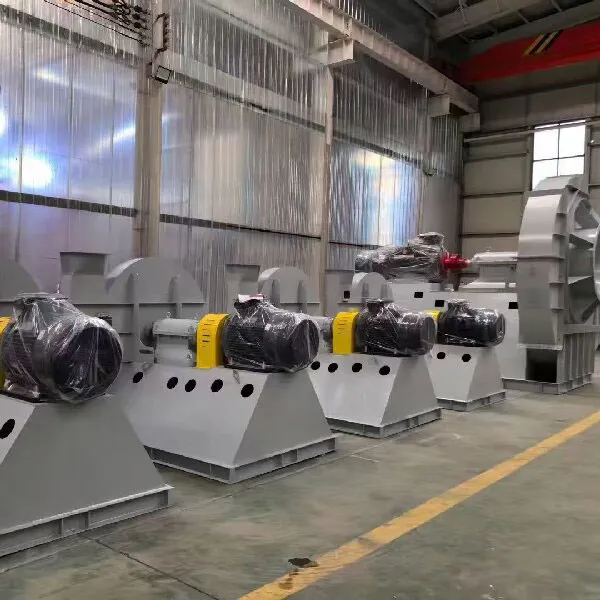
1. Industrial centrifugal fan
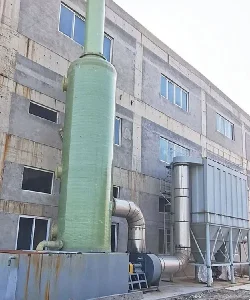
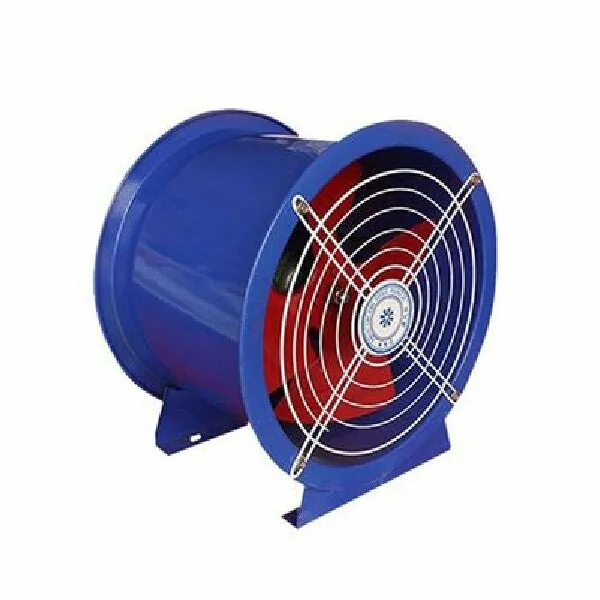
2. Dust removal / environmental protection fan
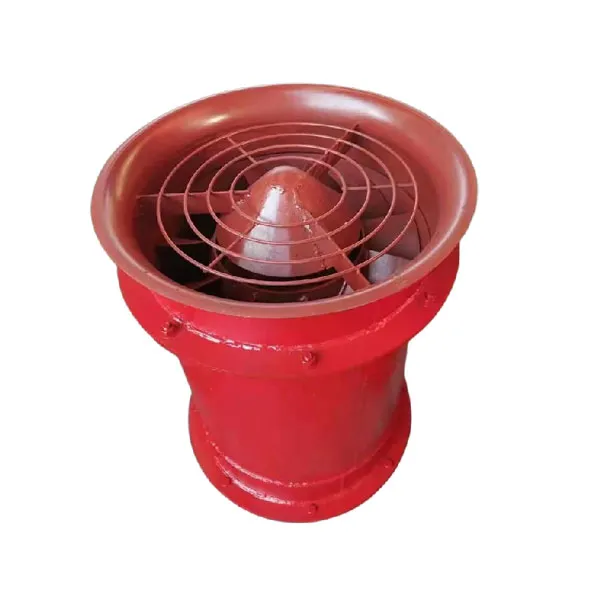
3. Corrosion-resistant / explosion-proof fan
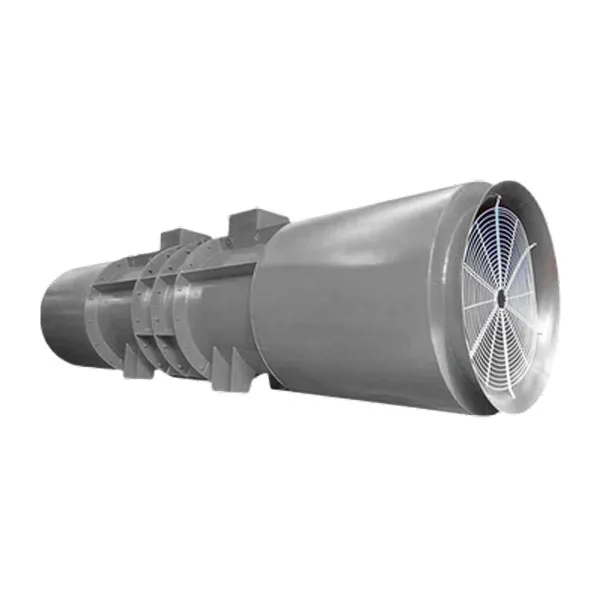
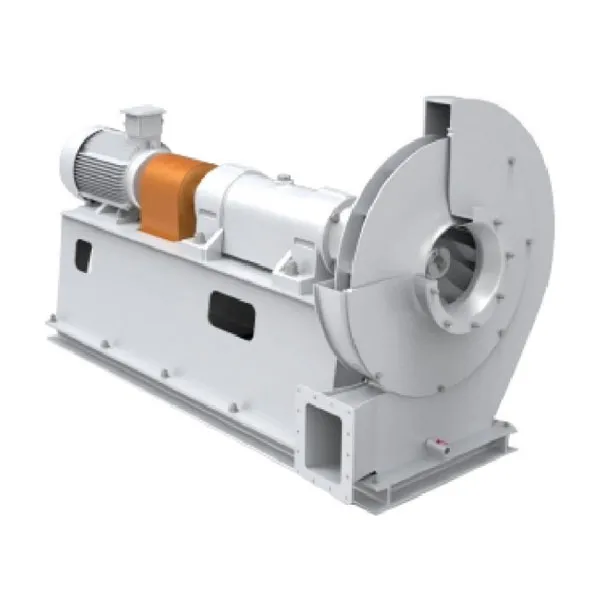
4. High-temperature boiler exhaust fan
Zibo Hongcheng Fan Co., Ltd. is located in Zibo City, Shandong Province. It is adjacent to Binbo Expressway and Jiaozi Railway in the east, Jiqing Expressway in the north, 309 National Highway in the south, and is only 60 kilometers away from Jinan International Airport in the west. The transportation is very convenient.
The company currently has over 50 series and 600 different specifications and models of wind turbines. They are widely used in industries such as mining, coal mines, oil fields, chemical plants, kilns, metallurgy, boilers, textiles, building materials, etc., and have received unanimous praise from all these industries.