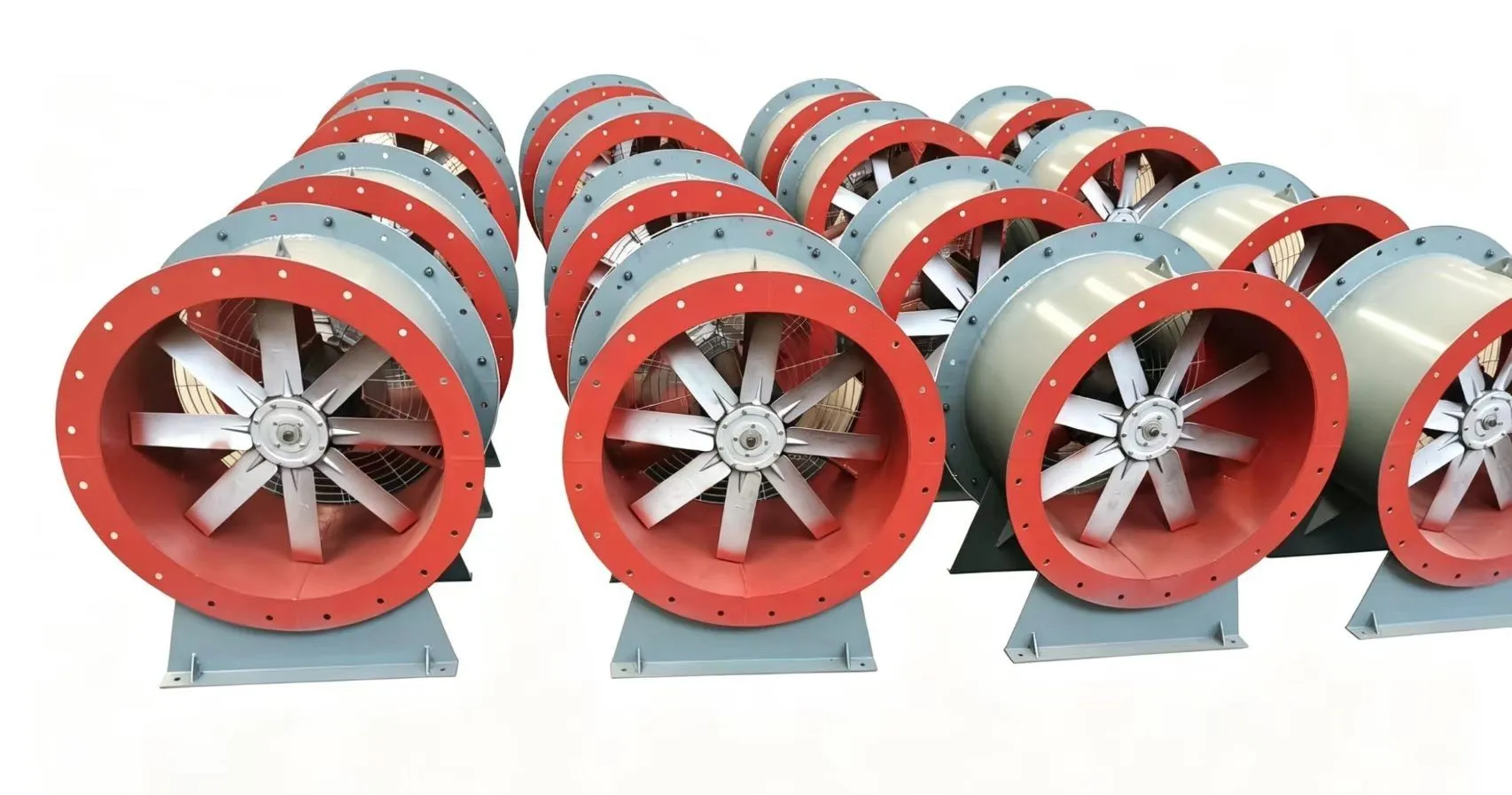
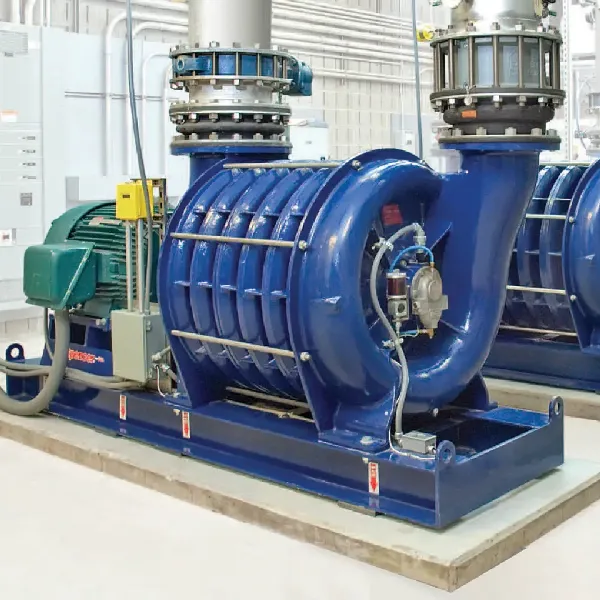
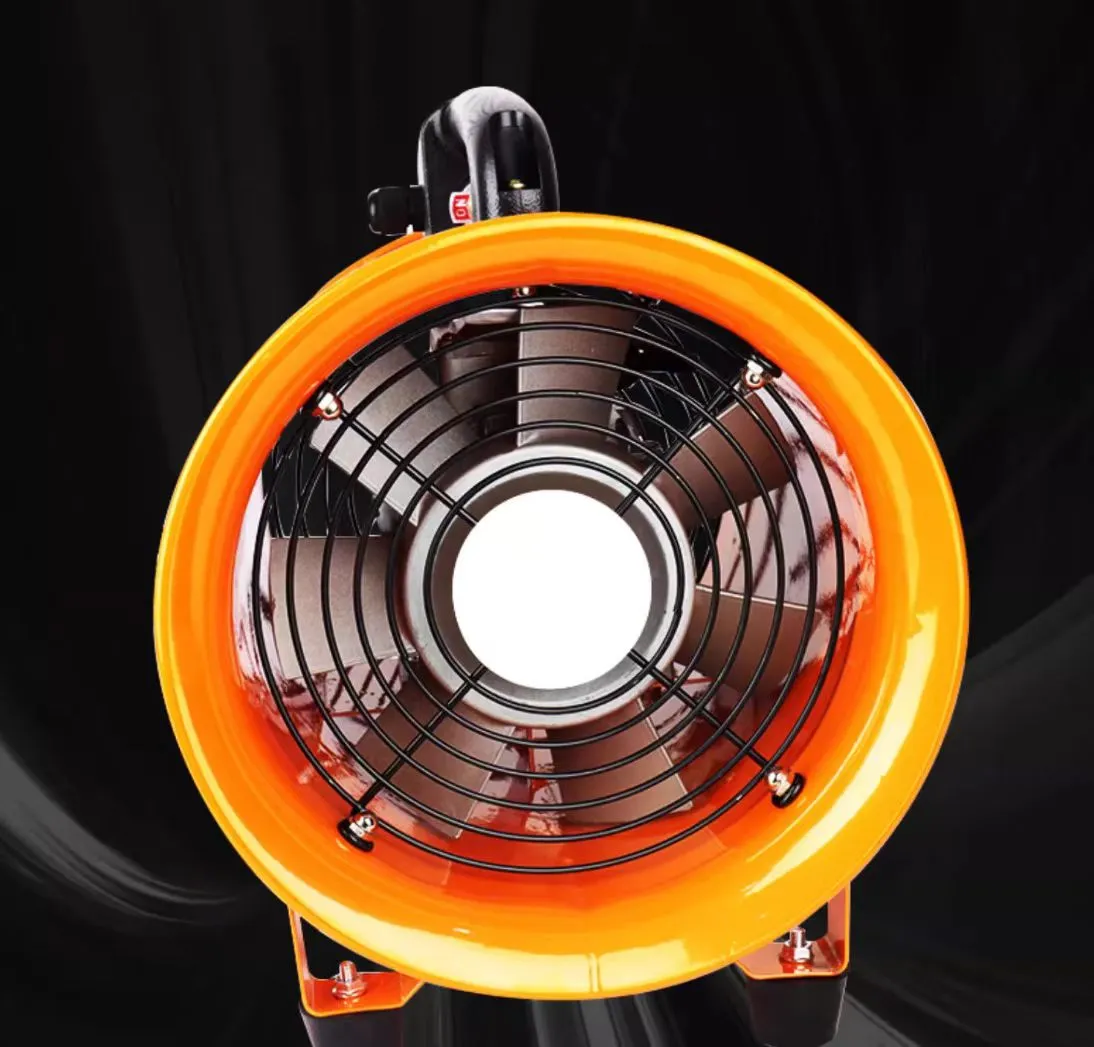
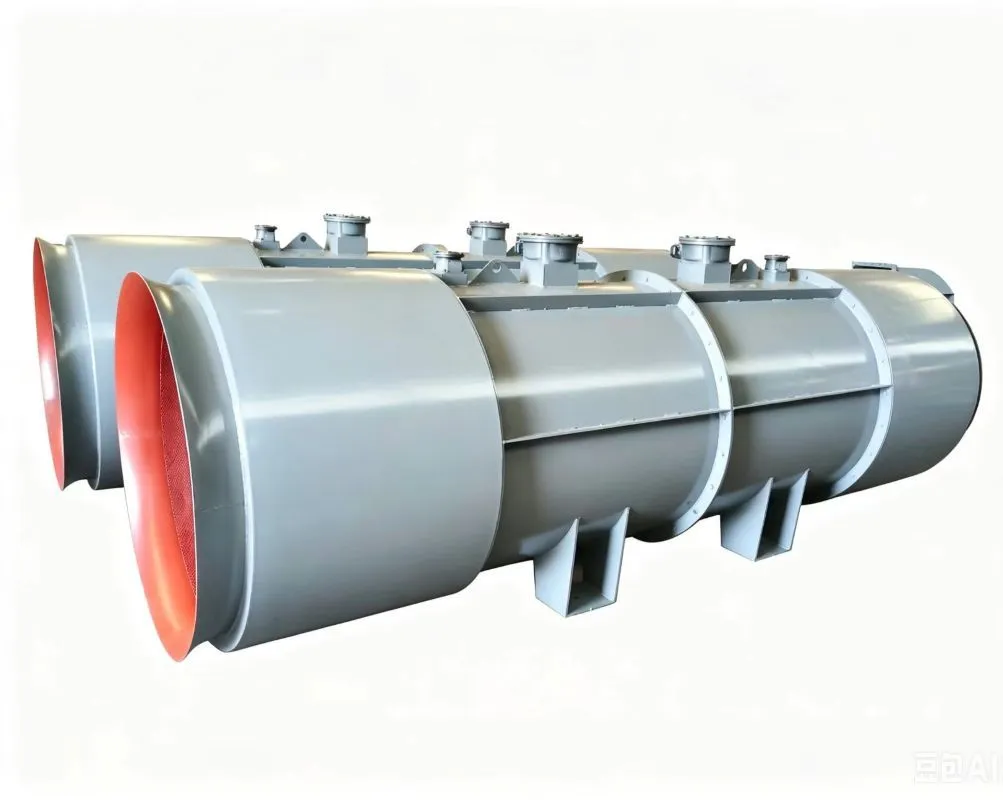
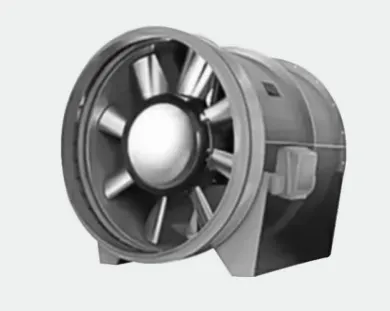
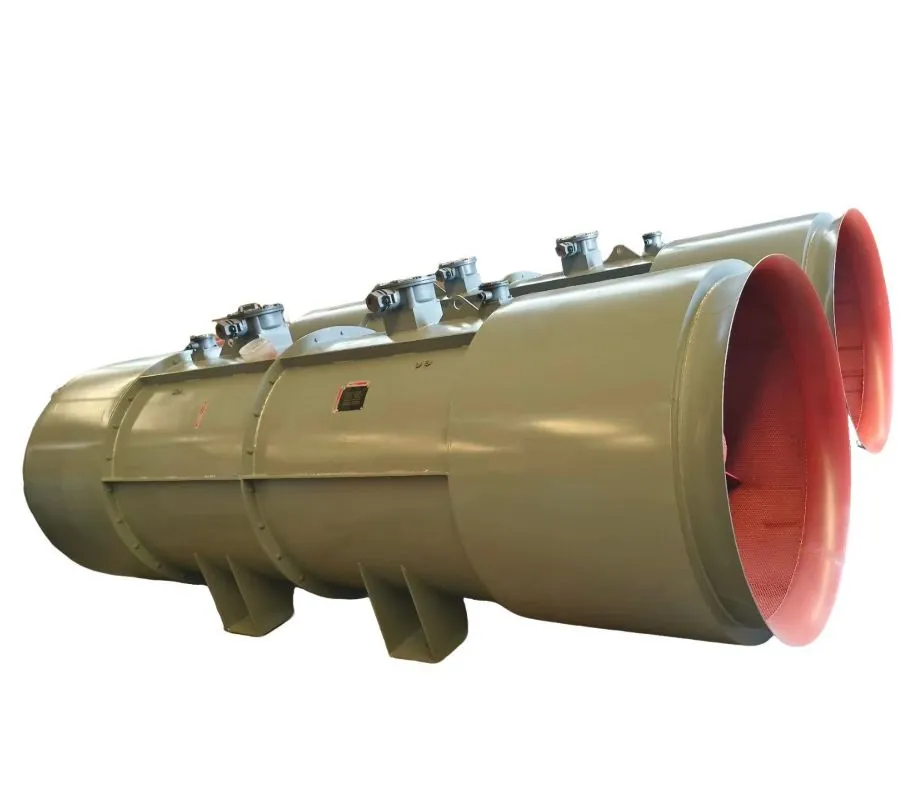
Looking for a reliable Zarata baxuko tunel fan supplier offering the best factory price in 2026? Our manufacturing facility specializes in high-efficiency, ultra-quiet ventilation solutions designed for demanding underground and industrial environments. By integrating advanced aerodynamic blade designs and precision-balanced motors, we deliver products that significantly reduce operational decibels while maximizing airflow. This guide details our engineering standards, application scenarios, and why direct factory procurement ensures superior value without compromising on acoustic performance or durability.
What Defines a High-Performance Low-Noise Tunnel Fan?
A Zarata baxuko tunel fan is not merely a standard industrial fan with added insulation; it is a purpose-built machine engineered to minimize acoustic output while maintaining high static pressure capabilities. In modern infrastructure projects, noise control is as critical as airflow volume due to strict environmental regulations and worker safety standards.
The core definition revolves around the balance between aerodynamic efficiency and sound power levels. Industry professionals recognize these units by their ability to operate below specific decibel thresholds even at maximum capacity. Unlike conventional fans that generate turbulence and broadband noise, our optimized designs focus on laminar flow preservation.
Key characteristics include specially profiled impellers, vibration-dampening mounts, and streamlined casing geometries. These elements work in unison to prevent the formation of vortices, which are the primary sources of unwanted noise in high-speed ventilation systems. The result is a product that meets rigorous international acoustic standards.
The Physics Behind Noise Reduction in Tunnel Ventilation
Understanding the source of noise is essential for selecting the right equipment. Most fan noise originates from two main areas: aerodynamic turbulence and mechanical vibration. Aerodynamic noise occurs when air separates from the blade surface, creating eddies and pressure fluctuations.
Mechanical noise, conversely, stems from motor operation, bearing friction, and structural resonance. Our approach addresses both simultaneously. By utilizing computational fluid dynamics (CFD) during the design phase, we optimize blade angles to ensure smooth air entry and exit, drastically cutting aerodynamic disturbances.
Furthermore, the integration of dynamic balancing techniques ensures that the rotating assembly operates with minimal vibration. This reduces the transmission of mechanical energy to the fan housing, which would otherwise act as a sounding board, amplifying noise levels throughout the tunnel structure.
Why Choose Direct Factory Pricing for 2026 Projects?
Securing the best factory price for your ventilation needs in 2026 involves more than just finding the lowest sticker cost. It requires a partnership with a manufacturer that eliminates intermediaries, ensuring that every dollar spent goes directly into material quality and engineering excellence.
When purchasing through distributors or third-party agents, markups can significantly inflate the final cost without adding value to the product itself. Direct engagement with our factory allows for transparent pricing structures tailored to project scales, whether for small retrofitting jobs or massive new infrastructure developments.
Moreover, factory-direct relationships facilitate better customization options. Clients can specify unique voltage requirements, coating materials for corrosive environments, or specific noise attenuation targets without facing the delays and communication barriers typical of supply chain middlemen.
Cost Efficiency Without Compromising Quality
A common misconception is that lower prices equate to inferior quality. However, our manufacturing model proves otherwise. By optimizing production lines and leveraging economies of scale, we reduce waste and overhead costs, passing these savings directly to the client.
- Raw Material Sourcing: We procure high-grade steel and copper directly from certified mills, avoiding markup layers.
- Automated Manufacturing: Advanced robotics ensure precision welding and assembly, reducing labor errors and rework costs.
- Streamlined Logistics: Direct shipping arrangements minimize handling fees and storage charges often added by warehousing intermediaries.
This strategy ensures that the Zarata baxuko tunel fan you receive retains premium specifications such as IP55 protection ratings and Class F insulation, all while fitting within tight budget constraints typical of 2026 infrastructure bids.
Advanced Engineering Features of Our Tunnel Fans
The technological landscape of tunnel ventilation has evolved significantly. Today’s Zarata baxuko tunel fan must be robust enough to handle emergency smoke extraction while remaining whisper-quiet during normal daily operations. Our 2026 lineup incorporates several breakthrough engineering features.
Central to our design is the use of variable frequency drives (VFD) compatible motors. These allow for precise speed control, enabling the fan to adjust its output based on real-time air quality sensors. Running at lower speeds during off-peak hours not only saves energy but also dramatically reduces noise emissions.
Additionally, our blades feature a swept-back design derived from aerospace principles. This geometry delays stall conditions and maintains efficiency across a wider operating range. The hub-to-tip ratio is carefully calculated to maximize thrust while minimizing tip vortex generation, a major contributor to high-frequency noise.
Acoustic Lining and Casing Design
The casing of a tunnel fan plays a pivotal role in noise containment. Standard galvanized steel casings can resonate, amplifying internal sounds. Our solution involves the integration of internal acoustic lining made from non-combustible, porous materials.
These liners absorb sound waves generated by the impeller before they can escape into the tunnel environment. The thickness and density of the lining are tuned to target specific frequency bands associated with fan rotation, ensuring effective attenuation across the spectrum.
Furthermore, the external casing structure is reinforced with stiffening ribs. This increases the natural frequency of the shell, preventing it from resonating with the operational frequencies of the motor and impeller. The result is a structurally rigid unit that contains noise effectively.
About Zibo Hongcheng Fans: Decades of Expertise in a Modern Facility
Behind every high-performance unit described in this guide stands Zibo Hongcheng Fans, a premier manufacturer located in the heart of China’s Zibo Blower Industrial Park in Shandong Province. Established in 2020 by founders boasting over 20 years of specialized experience in the blower industry, our company bridges the gap between traditional craftsmanship and modern manufacturing efficiency.
Spanning a 9,000-square-meter facility, our plant employs a dedicated team of over 30 skilled professionals committed to precision engineering. While our roots run deep in the industry, our capabilities are forward-looking. We offer an extensive portfolio comprising more than 50 series and over 600 distinct specifications, with a specialized focus on mining axial flow fans, centrifugal ventilators, stainless steel variants, and corrosion-resistant models tailored for harsh environments.
Our products serve a diverse range of critical sectors, including coal mines, oil fields, chemical plants, metallurgy, boilers, textiles, and building materials. What sets Zibo Hongcheng Fans apart is our comprehensive production ecosystem. Equipped with full-scale supporting equipment and complete production processes, we maintain a rigorous quality management system. Every technical indicator strictly adheres to national standards, ensuring that whether you need a standard unit or a fully customized solution for unique tunnel dimensions, the final product delivers unmatched reliability and performance.
Comparative Analysis: Standard vs. Low-Noise Models
Selecting the appropriate fan requires a clear understanding of the differences between standard industrial models and dedicated low-noise variants. While both serve the purpose of moving air, their performance profiles and suitability for specific environments differ markedly.
Standard fans are often designed with a focus purely on maximum airflow and initial cost reduction. They may lack the refined aerodynamic profiles and damping mechanisms necessary for noise-sensitive applications. In contrast, low-noise models prioritize a holistic performance metric that includes acoustic comfort.
The following table highlights the key distinctions between our standard heavy-duty fans and our specialized low-noise tunnel series, helping project managers make informed decisions based on their specific site requirements.
| Feature | Standard Industrial Fan | Low-Noise Tunnel Fan (2026 Model) |
| Noise Level | High; often exceeds 90 dB(A) at full load | Optimized; typically below 75 dB(A) depending on size |
| Blade Design | Flat or simple curved blades | Airfoil-shaped, swept-back blades for laminar flow |
| Vibration Control | Basic mounting feet | Integrated rubber isolators and dynamic balancing |
| Casing Construction | Single-wall galvanized steel | Double-wall with internal acoustic absorption lining |
| Motor Efficiency | IE2 or standard IE3 | Premium IE4 or IE5 super-efficient motors |
| Application Suitability | Warehouses, open workshops | Urban tunnels, residential adjacent zones, metros |
This comparison illustrates that while standard fans have their place in less sensitive environments, the Zarata baxuko tunel fan is indispensable for projects where community impact and worker health are paramount considerations.
Critical Application Scenarios for Quiet Ventilation
The deployment of Zarata baxuko tunel fan technology is driven by specific environmental and regulatory constraints. Identifying the correct application scenario ensures that the investment yields maximum returns in terms of compliance and operational longevity.
Urban road tunnels represent the most prominent use case. Located beneath or near densely populated areas, these tunnels face strict noise ordinances. Excessive fan noise can lead to community complaints, legal penalties, and forced shutdowns. Our quiet fans mitigate these risks effectively.
Railway and metro tunnels also benefit immensely. The confined nature of subway systems amplifies sound, making noise control crucial for passenger comfort and communication clarity. During maintenance windows, low-noise operation allows workers to communicate safely without shouting over machinery.
Mining and Underground Infrastructure
In the mining sector, ventilation is a life-safety issue. However, prolonged exposure to high-decibel fan noise contributes to occupational hearing loss. Regulatory bodies increasingly mandate lower noise floors in underground workings.
Our fans provide the necessary air exchange rates to dilute hazardous gases and dust while keeping the acoustic environment within safe limits. This dual capability supports both productivity and employee well-being, reducing the need for excessive personal protective equipment that can hinder movement.
Additionally, hydroelectric plant access tunnels and utility corridors utilize these fans. In these settings, the proximity to control rooms or monitoring stations necessitates a quiet background environment to ensure accurate sensor readings and clear verbal instructions during operations.
Installation Best Practices for Optimal Acoustic Performance
Even the most advanced Zarata baxuko tunel fan can underperform if installed incorrectly. Proper installation is as vital as the manufacturing quality itself. Adhering to best practices ensures that the designed acoustic benefits are fully realized in the field.
First and foremost, the foundation must be solid and level. Any misalignment can induce unnecessary stress on the bearings, leading to premature wear and increased vibration noise. We recommend using laser alignment tools during the setup phase to guarantee precision.
Secondly, the connection between the fan and the ductwork must be flexible. Rigid connections transmit vibration directly into the tunnel structure, causing secondary noise radiation. Flexible canvas or rubber connectors act as effective breaks in the vibration path.
Step-by-Step Installation Guide
To assist our clients in achieving the best results, we have outlined a concise installation procedure. Following these steps helps maintain the integrity of the low-noise design features.
- Site Preparation: Clear the installation area and verify that the support structure can bear the full weight of the fan unit plus dynamic loads.
- Lifting and Positioning: Use certified lifting gear to place the fan. Ensure lifting points specified on the casing are used to prevent deformation.
- Vibration Isolation: Install high-quality vibration dampers between the fan base and the concrete plinth. Check that all bolts are tightened to the specified torque.
- Duct Connection: Attach flexible connectors to the inlet and outlet flanges. Avoid pulling or forcing the ductwork into place, which could distort the fan housing.
- Electrical Wiring: Connect the motor to the control panel following local electrical codes. Ensure proper grounding to prevent electrical hum.
- Commissioning: Perform a no-load test run. Measure vibration levels and sound pressure to confirm they match the factory test report specifications.
Regular maintenance post-installation is also critical. Scheduled checks of belt tension, bearing lubrication, and blade cleanliness will sustain the low-noise performance over the lifespan of the equipment.
Maintenance Strategies for Long-Term Reliability
Maintaining a Zarata baxuko tunel fan involves proactive measures rather than reactive repairs. A well-maintained fan not only lasts longer but continues to operate at its designated noise levels throughout its service life.
Dust and debris accumulation on fan blades is a primary cause of imbalance. As particles build up unevenly, the center of gravity shifts, causing vibrations that escalate noise output. Regular cleaning schedules are essential, particularly in dusty mining or construction tunnel environments.
Bearing health is another focal point. Modern sealed bearings require less maintenance, but periodic monitoring of temperature and vibration signatures can detect early signs of failure. Replacing bearings before they seize prevents catastrophic damage to the motor and housing.
Troubleshooting Common Noise Issues
Despite robust design, external factors can occasionally introduce noise. Understanding how to diagnose these issues empowers facility managers to take swift corrective action.
If a sudden increase in noise is detected, inspect the inlet and outlet for obstructions. Foreign objects caught in the airstream can create whistling or banging sounds. Similarly, check for loose panels or access doors on the casing, which may rattle due to airflow turbulence.
Electrical issues can also manifest as audible humming. This often indicates problems with the power supply quality or the variable frequency drive settings. Consulting with our technical support team can help recalibrate the drive parameters to eliminate electrical noise components.
Frequently Asked Questions (FAQ)
Prospective buyers and engineers often have specific queries regarding the capabilities and limitations of our Zarata baxuko tunel fan series. Below, we address the most common questions to provide clarity and support decision-making.
What is the typical lifespan of these tunnel fans?
Under normal operating conditions and with adherence to recommended maintenance schedules, our fans are designed to last over 20 years. The use of corrosion-resistant coatings and high-grade bearings significantly extends service life compared to standard market offerings.
Can these fans operate in reverse for smoke extraction?
Yes, our 2026 models are engineered for reversible operation. They can switch direction rapidly to facilitate smoke extraction during emergency fire scenarios. The motor and control systems are rated to withstand the thermal stresses associated with high-temperature smoke flows for specified durations.
How do you measure and verify noise levels?
Noise testing is conducted in accordance with ISO 5136 and AMCA standards. Each unit undergoes rigorous testing in an anechoic chamber before shipment. We provide detailed test reports including sound power levels across octave bands, ensuring transparency and compliance verification.
Is customization available for specific tunnel dimensions?
Absolutely. As a direct factory supplier, we offer extensive customization. This includes modifying casing lengths, adjusting flange sizes, and tailoring motor specifications to fit unique tunnel geometries and power grid requirements without affecting the lead time significantly.
What warranties do you offer on factory-direct purchases?
We provide a comprehensive warranty package that covers manufacturing defects and material failures. For direct factory clients, we often extend warranty periods and include remote technical support services to ensure rapid resolution of any operational queries.
The Future of Tunnel Ventilation Technology
As we move further into 2026 and beyond, the demands on tunnel ventilation systems will continue to evolve. The integration of IoT (Internet of Things) sensors is becoming standard, allowing for predictive maintenance and real-time performance monitoring.
Our Zarata baxuko tunel fan designs are ready for this future. They feature pre-installed ports for vibration and temperature sensors, facilitating seamless integration into smart building management systems. This connectivity enables operators to optimize energy usage dynamically based on traffic flow and air quality data.
Sustainability is also a driving force. The push for carbon-neutral infrastructure means that energy efficiency is no longer optional. Our high-efficiency motors and aerodynamic optimizations contribute directly to reducing the carbon footprint of tunnel operations, aligning with global green building initiatives.
Commitment to Continuous Improvement
Our factory remains committed to research and development. We continuously refine our blade profiles and material compositions to push the boundaries of what is possible in noise reduction and airflow efficiency. This dedication ensures that our clients always have access to state-of-the-art technology.
By staying ahead of regulatory trends and anticipating market needs, we position ourselves as a long-term partner rather than just a vendor. Our goal is to support the global infrastructure boom with reliable, quiet, and cost-effective ventilation solutions.
Conclusion and Selection Guide
Selecting the right ventilation partner is a strategic decision that impacts the safety, compliance, and operational cost of your tunnel project for decades. Our Zarata baxuko tunel fan series represents the pinnacle of current engineering, offering an unmatched blend of acoustic performance, durability, and value.
For project managers, civil engineers, and procurement officers, the choice is clear. When noise restrictions are tight and budget efficiency is critical, direct factory sourcing provides the optimal pathway. Our 2026 models are specifically calibrated to meet the stringent demands of modern urban and industrial environments.
Who should choose our solutions? If your project involves urban tunnels, metro systems, mining operations near residential zones, or any application where noise pollution is a concern, our specialized fans are the ideal fit. Furthermore, organizations seeking to minimize total cost of ownership through energy savings and reduced maintenance will find significant advantages in our high-efficiency designs.
To proceed, we recommend evaluating your specific airflow requirements and acoustic targets. Contact our engineering team to discuss your project specifics. We can provide tailored calculations, CAD drawings, and a detailed quotation that reflects the true best factory price for 2026. Secure your ventilation infrastructure with a partner dedicated to silence, strength, and sustainability.