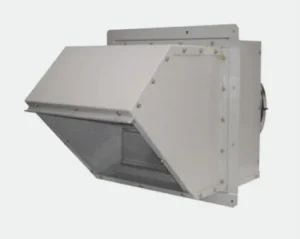
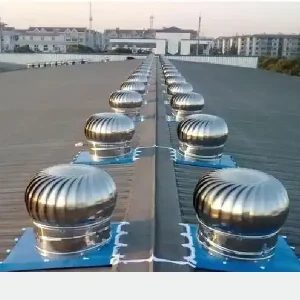
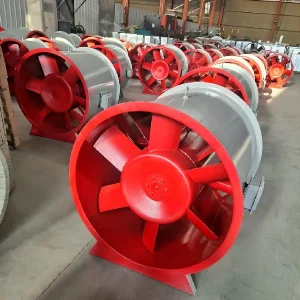
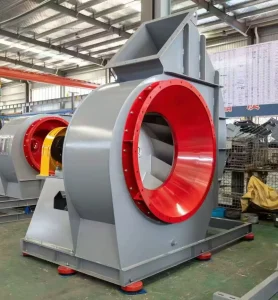
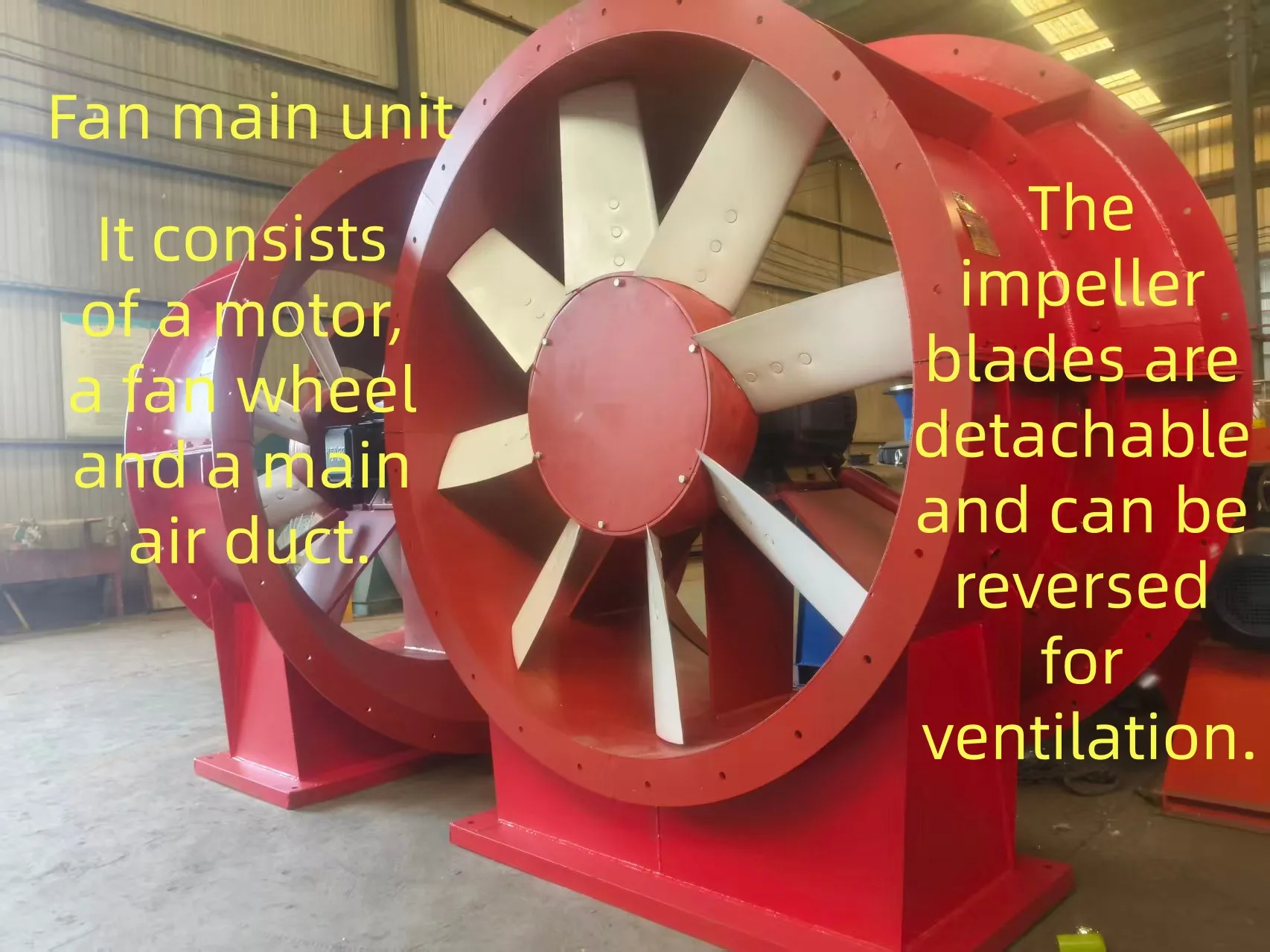
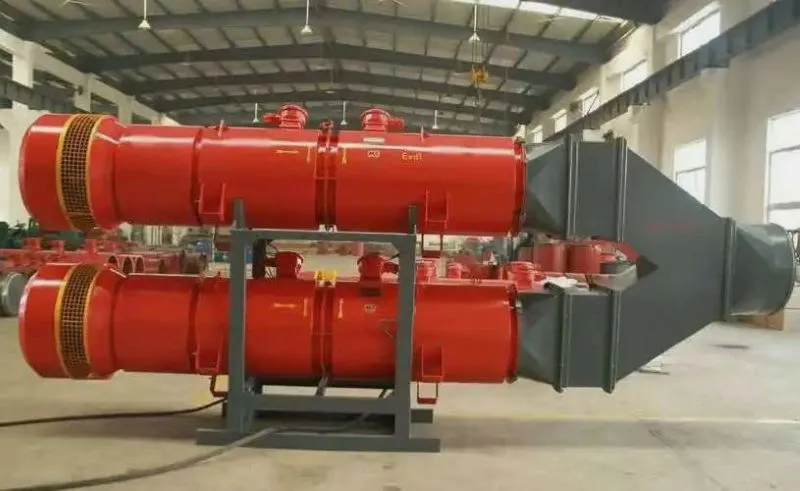
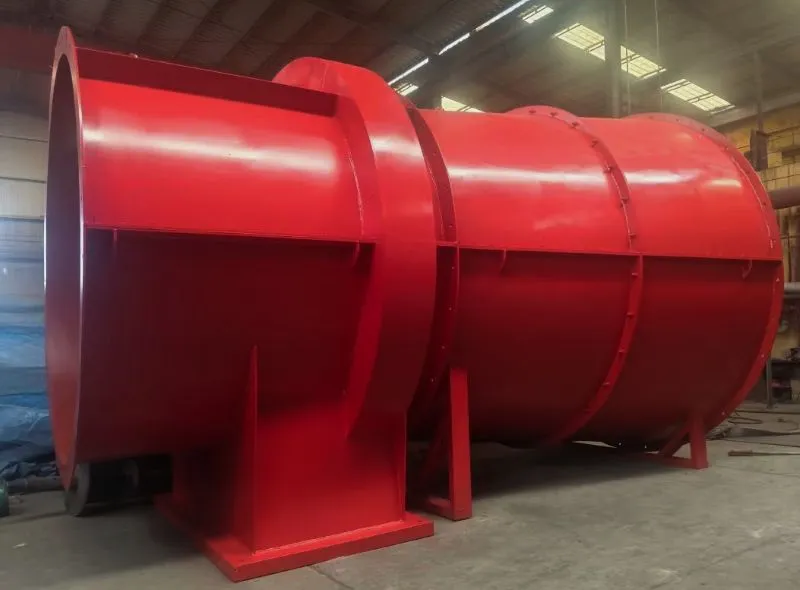
Roof axial flow fans and workshop exhaust fans are typically composed of components such as impellers, casings, motors, bases, wind caps, flow guide rings, and louvered dampers. The impeller is the core component, responsible for driving air flow; the casing supports and protects the internal components; the motor provides power for the impeller’s rotation; the base is used to fix the fan; the wind cap, flow guide ring, and louvered damper optimize the airflow and prevent rain and wind from flowing back. By driving the impeller to rotate with the motor, the blades on the impeller push the air, causing it to flow along the axis of the fan, forming an axial airflow, thereby achieving the exchange of indoor and outdoor air and the purpose of ventilation and air exchange.
Roof Axial Fan and Workshop Exhaust Fan Features
High ventilation efficiency: It can generate a large air volume, quickly and effectively achieving the circulation of indoor and outdoor air, meeting the ventilation needs of buildings.
Low noise: Through measures such as optimizing blade design and motor selection, the noise generated by the roof axial fan during operation is relatively low, and it will not cause excessive interference to the surrounding environment.
Good corrosion resistance: Some roof axial fans have components such as impellers and casings made of corrosion-resistant materials, such as fiberglass reinforced plastic and aluminum alloy, which can resist the erosion of harsh weather and chemical substances, and are suitable for various environments.
Aesthetic appearance: The design is simple and smooth, with aesthetically pleasing components such as wind caps and flow guides, which can be coordinated with the appearance of buildings and will not affect the overall beauty of the buildings.
Easy installation: The structure is relatively simple, the weight is light, and the installation process is relatively simple. It can be directly installed on the reserved opening on the roof or installed through brackets and other methods.
Roof Axial Flow Fan – Workshop Exhaust Fan Types
DWT-I Type: Features large air volume, low noise, high efficiency, light weight, smooth operation, and an attractive appearance. It can be made into anti-corrosion and explosion-proof types. It is suitable for air supply and exhaust in power plants, chemical plants, rubber factories, pharmaceutical companies, food processing plants, metallurgical plants, warehouses, and other industrial enterprises as well as high-end civil buildings. The model numbers range from 3# to 24#, with air volumes from 1450 to 220800 m³/h and total pressures from 62 to 330 Pa.
ZTF-W Series: The noise of all models in this series can be controlled within 60 (A) decibels. It features high efficiency, corrosion resistance, light weight, and reliable operation. It can be widely used for local and general exhaust in various industrial buildings such as substations, workshops, and buildings. It is particularly suitable for places like hotels, schools, hospitals, theaters, or areas near residential areas that require low noise.
RAF Type: Equipped with conical hubs and twisted wing-shaped blades, it is suitable for ventilation and air exchange in medium and low pressure, high flow rate scenarios. It has the advantages of large air volume, high pressure, low power consumption, light weight, and compact structure. It can be made into anti-corrosion and explosion-proof types and is widely used in workshops and factories of industries such as machinery, chemical engineering, rubber, pharmaceuticals, and light textiles, as well as for roof ventilation and air exchange in high-end civil buildings.
Roof axial flow fans and workshop exhaust fans are widely used in various scenarios, including industrial buildings such as factories and warehouses, where they are employed to expel waste gases, hot air, and dust generated during production processes, introduce fresh air, improve working conditions, ensure the health and safety of workers, and also contribute to the normal operation of equipment and quality control of products. In commercial buildings like shopping malls, supermarkets, hotels, and office buildings, they can be utilized in ventilation systems to provide a comfortable indoor air environment, meet people’s breathing needs, enhance indoor air quality, and assist in air conditioning systems to increase their efficiency. For residential buildings such as houses and apartments, they can be installed on rooftops for ventilation and air exchange, eliminating indoor cooking fumes, moisture, and odors, maintaining fresh air and improving living conditions. Additionally, in large public buildings such as stadiums, exhibition halls, airport terminals, and railway stations, as well as environmental protection facilities like sewage treatment plants and garbage disposal plants, roof axial flow fans are also needed to achieve ventilation, air exchange, and odor removal functions.
Key Points for Selecting Roof Axial Flow Fans and Workshop Exhaust Fans
Air Volume and Air Pressure: Based on the size of the space, ventilation requirements, and other factors of the usage site, calculate the required air volume and air pressure, and select the appropriate fan model to ensure that the fan can meet the ventilation and air exchange requirements.
Usage Environment: Consider the environmental conditions of the usage site, such as temperature, humidity, and corrosive gases, and choose fans with corresponding protection levels and corrosion resistance. For example, in places with flammable and explosive gases, explosion-proof roof axial flow fans should be selected.
Noise Requirements: If the usage site has high noise requirements, such as hospitals, schools, and residential areas, choose fans with lower noise levels and consider adding noise reduction equipment to reduce the noise generated during fan operation.
Motor Power: Based on the fan’s air volume, air pressure, and rotational speed parameters, select a motor with appropriate power to ensure that the motor can provide sufficient power to the fan. At the same time, also consider the energy-saving performance of the motor to reduce operating costs.
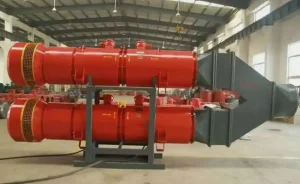
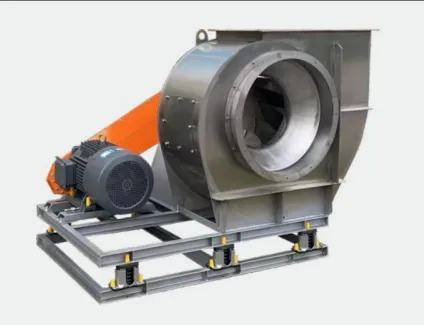
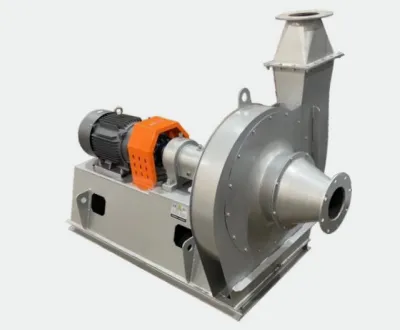
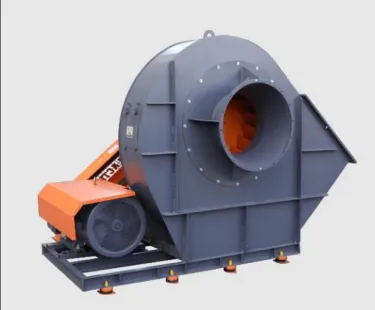
Zibo Hongcheng Fan Co., Ltd. specializes in manufacturing over 50 series and more than 600 types and specifications of axial flow fans, centrifugal fans, mine fans, dust removal fans, boiler fans, etc. They are widely used in industries such as mines, coal mines, oil fields, chemical plants, kilns, metallurgy, boilers, textiles, and building materials. The company can customize production and processing based on provided drawings. Welcome to negotiate and cooperate.
Installation steps for roof axial flow fans in industrial plants