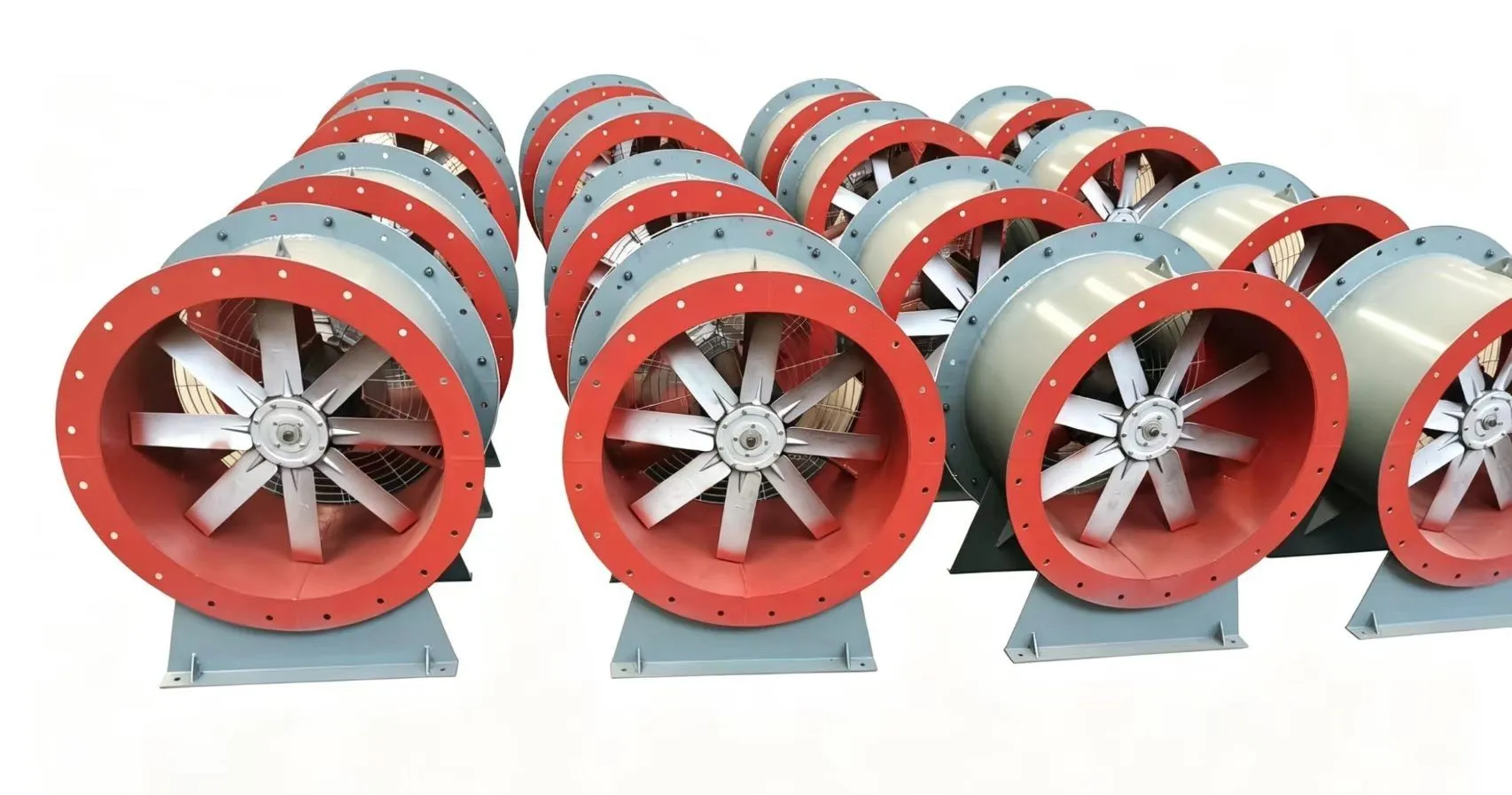
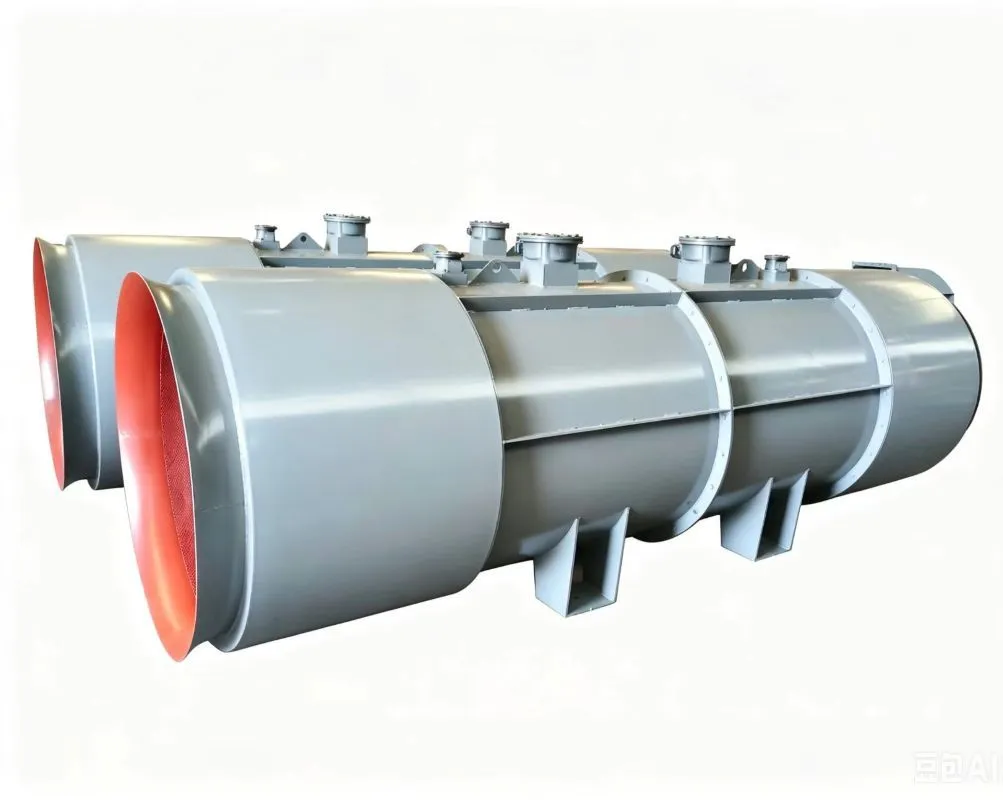
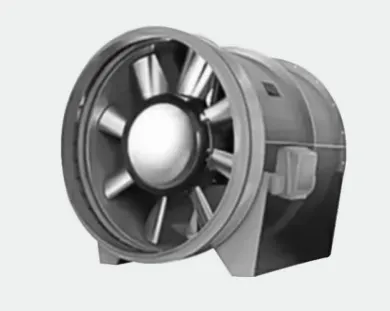
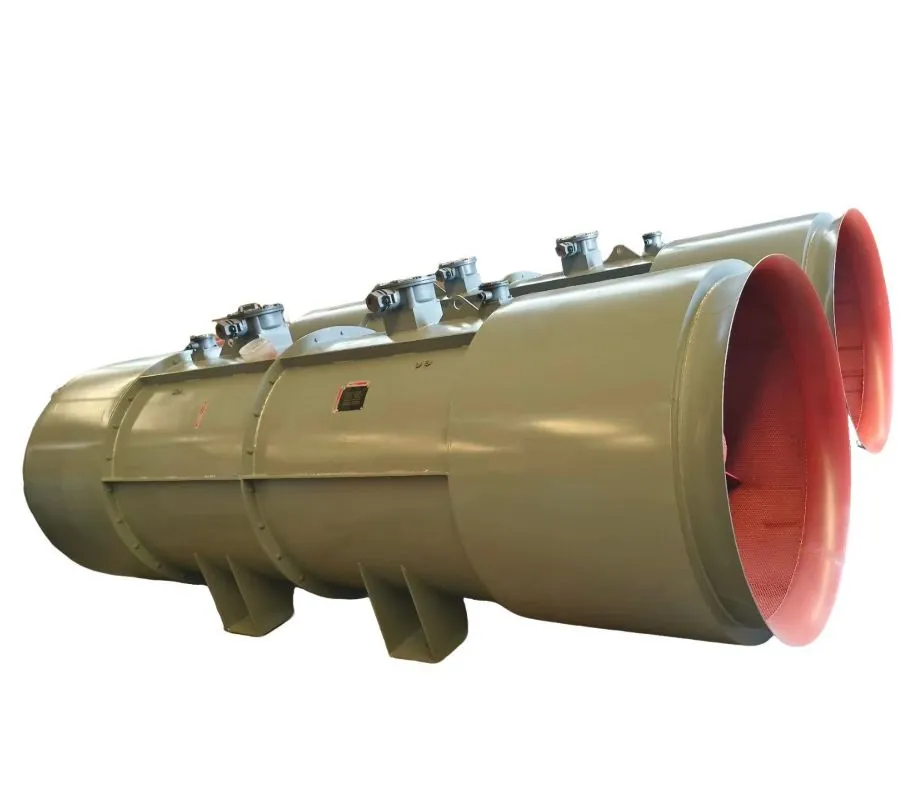
-A SDS serieko jet fan represents the pinnacle of tunnel ventilation engineering, delivering high-efficiency airflow management for critical infrastructure projects. As a leading manufacturer offering the best factory prices projected for 2026, our facility specializes in producing robust, reversible axial flow fans designed to meet rigorous international safety standards. These units are essential for maintaining air quality and ensuring emergency smoke extraction in road tunnels, underground car parks, and metro systems. By integrating advanced aerodynamic profiles with durable motor technology, the SDS series provides reliable performance where human safety depends on uninterrupted operation.
What Is the SDS Series Jet Fan?
-A SDS serieko jet fan is a specialized industrial ventilation unit engineered specifically for impulse ventilation systems. Unlike traditional ducted fans, these devices operate by discharging a high-velocity stream of air directly into a large space, inducing a mass flow of ambient air through momentum transfer. This principle, known as the jet effect, allows for efficient air movement over long distances without the need for extensive ductwork.
Designed primarily for tunnel environments, the SDS model features a streamlined casing that minimizes aerodynamic drag while maximizing thrust. The core component is a high-performance electric motor coupled with precision-balanced impeller blades. These fans are typically mounted from the ceiling or walls of a tunnel, creating a unidirectional or reversible airflow pattern capable of controlling smoke during fire emergencies or refreshing stale air during normal operations.
Industry professionals recognize the SDS designation as a marker of heavy-duty construction suitable for harsh environments. The series is built to withstand high temperatures, humidity, and potential exposure to corrosive elements found in underground structures. Its modular design facilitates easy installation and maintenance, making it a preferred choice for civil engineering contractors and facility managers globally.
Core Working Principles of Impulse Ventilation
Understanding the mechanics behind the SDS serieko jet fan is crucial for proper system design. The operation relies on Newton’s Third Law of Motion: for every action, there is an equal and opposite reaction. When the fan accelerates air out of its nozzle at high speed, it generates a reactive force called thrust. This thrust pushes the surrounding stationary air, creating a bulk flow throughout the tunnel cross-section.
- Momentum Transfer: The high-speed jet mixes with the slower ambient air, transferring kinetic energy and dragging the larger volume of air along the tunnel path.
- Induction Ratio: A well-designed SDS fan can move significantly more air than the actual volume passing through the impeller, achieving high induction ratios that improve overall energy efficiency.
- Reversibility: Most SDS units feature motors capable of rapid reversal, allowing the airflow direction to switch instantly. This is vital for smoke control strategies during fire incidents.
The efficiency of this system depends heavily on the placement of the fans and the geometry of the tunnel. Proper spacing ensures that the jet streams do not interfere with each other destructively, maintaining a consistent velocity profile across the entire length of the infrastructure.
Key Technical Features of the SDS Series
The competitiveness of the SDS serieko jet fan in the 2026 market stems from its integration of cutting-edge materials and intelligent design features. Manufacturers have refined the series to address common pain points such as noise generation, energy consumption, and thermal resilience. These enhancements ensure that the product remains at the forefront of ventilation technology.
One of the standout characteristics is the aerodynamic optimization of the impeller blades. Using computational fluid dynamics (CFD) simulations, engineers have shaped the blades to reduce turbulence and noise while increasing static pressure capabilities. The result is a fan that operates quietly even at full capacity, a critical factor for tunnels located near residential areas or within urban centers.
Furthermore, the motor housing is constructed from high-grade steel or aluminum alloys, treated with anti-corrosive coatings to endure decades of service. The internal components are insulated with materials rated for extreme temperatures, ensuring functionality even when exposed to the intense heat of a tunnel fire. This durability reduces the total cost of ownership by minimizing replacement frequency and maintenance downtime.
Advanced Motor Technology and Protection
At the heart of every SDS serieko jet fan lies a robust electric motor designed for continuous duty cycles. These motors are typically squirrel-cage induction types, known for their simplicity and reliability. However, modern iterations include several protective features that elevate their performance standards.
- Thermal Protection: Embedded temperature sensors monitor winding heat, automatically shutting down the unit if unsafe levels are detected to prevent burnout.
- IP55 or IP65 Rating: The enclosure provides superior protection against dust ingress and water jets, ensuring operational integrity in dirty or wet tunnel environments.
- Vibration Damping: Precision balancing of the rotor and the use of vibration isolators minimize mechanical stress, extending bearing life and reducing structural fatigue on mounting brackets.
The electrical compatibility of the SDS series is also a key feature. These fans can be configured for various voltage levels and frequencies, accommodating global power grid standards. Additionally, they are often compatible with Variable Frequency Drives (VFDs), allowing operators to modulate fan speed based on real-time air quality data, thereby optimizing energy usage.
Applications of SDS Series Jet Fans
The versatility of the SDS serieko jet fan makes it applicable across a wide range of infrastructure sectors. While originally developed for road tunnels, its effectiveness has led to widespread adoption in diverse environments where longitudinal ventilation is required. Understanding these applications helps project managers select the right configuration for their specific needs.
In road tunnels, the primary function is to dilute vehicle exhaust emissions like carbon monoxide and nitrogen oxides to safe levels. During normal traffic conditions, the fans maintain a steady airflow to ensure driver comfort and visibility. In the event of a fire, the system switches to emergency mode, creating a controlled airflow to keep smoke away from evacuation routes and assist firefighting efforts.
Underground parking facilities represent another major application area. Here, the compact design of the SDS unit allows for installation in spaces with limited headroom. The fans effectively remove exhaust fumes from idling vehicles and prevent the accumulation of dangerous gases, ensuring a safe environment for pedestrians and cars alike.
Railway and Metro Tunnel Ventilation
Metro systems present unique challenges due to the piston effect created by moving trains. The SDS serieko jet fan plays a crucial role in managing this complex airflow dynamic. During peak hours, the fans assist in pushing fresh air into stations and platforms, mitigating the heat generated by train braking systems and passenger density.
In emergency scenarios within metro tunnels, rapid smoke extraction is paramount. The reversible nature of the SDS fan allows operators to create a “fresh air corridor” for evacuating passengers while pushing smoke in the opposite direction. This strategic control of airflow can save lives by maintaining tenable conditions for a longer duration during rescue operations.
Moreover, the low noise profile of the SDS series is particularly beneficial in underground rail networks where acoustic comfort is a priority for commuters. The reduction in aerodynamic noise contributes to a quieter ride, enhancing the overall passenger experience without compromising on ventilation performance.
Industrial Warehouse and Large Hall Ventilation
Beyond transportation infrastructure, the SDS serieko jet fan is increasingly utilized in large industrial warehouses and manufacturing halls. In these vast open spaces, traditional ducted systems are often impractical due to cost and spatial constraints. The impulse ventilation method offered by SDS fans provides an economical solution for air circulation and temperature stratification control.
By strategically placing these fans, facility managers can destratify warm air trapped near the ceiling during winter, redistributing it to the floor level to reduce heating costs. In summer, the high-velocity airflow creates a wind-chill effect, improving worker comfort in non-air-conditioned zones. The rugged construction of the SDS series also makes it suitable for environments with dust or mild chemical vapors, provided the appropriate motor protection class is selected.
Performance Comparison: SDS Series vs. Standard Axial Fans
When selecting ventilation equipment, distinguishing between a dedicated SDS serieko jet fan and a standard general-purpose axial fan is essential. While both move air, their design philosophies, construction standards, and performance metrics differ significantly, especially in critical safety applications.
Standard axial fans are often designed for general HVAC applications where conditions are stable and temperatures are moderate. They may lack the structural reinforcements and thermal protections necessary for tunnel environments. In contrast, the SDS series is purpose-built for high-stakes scenarios, featuring reinforced casings, specialized bearings, and motors rated for high-temperature operation.
The following table highlights the key differences to aid in decision-making processes for engineering projects:
| Feature | SDS Series Jet Fan | Standard Axial Fan |
| Primary Application | Tunnels, Car Parks, Emergency Smoke Control | General HVAC, Industrial Cooling |
| Temperature Rating | Rated for 400°C/2hrs or 600°C/1hr (Fire Rated) | Typically up to 40°C – 60°C ambient |
| Casing Construction | Heavy-duty steel/aluminum with corrosion coating | Lightweight sheet metal or plastic |
| Reversibility | Fast reversal capability for smoke management | Often single direction or slow reversal |
| Noise Optimization | Aerodynamically optimized blades for low dB(A) | Standard blade profile, higher noise levels |
| Mounting System | Specialized brackets for overhead suspension | Wall or floor mounts, less rigid |
| Compliance Standards | Meets strict tunnel safety regulations (e.g., PIARC) | Meets general commercial building codes |
This comparison underscores why the SDS serieko jet fan is the mandated choice for life-safety systems. The investment in specialized equipment ensures compliance with stringent regulatory bodies and guarantees performance when it matters most.
Installation and Maintenance Guidelines
Proper installation is critical to unlocking the full potential of the SDS serieko jet fan. Even the most advanced unit will underperform if mounted incorrectly or if the surrounding airflow dynamics are ignored. Following a structured approach ensures optimal thrust generation and system longevity.
Before installation, a thorough site survey should be conducted to determine the ideal spacing and orientation of the fans. Factors such as tunnel curvature, cross-sectional area, and potential obstructions must be accounted for. The mounting brackets must be securely anchored to the structural ceiling, capable of supporting the fan’s weight plus dynamic loads caused by vibration and thrust.
Electrical connections should be performed by certified technicians, adhering to local wiring regulations. It is essential to verify the phase sequence for three-phase motors to ensure the correct rotation direction. Additionally, any variable frequency drives should be programmed according to the manufacturer’s specifications to prevent harmonic distortion or motor overheating.
Step-by-Step Installation Process
To facilitate a smooth deployment, the following steps outline the standard procedure for installing an SDS serieko jet fan:
- Site Preparation: Clear the installation zone and verify structural integrity of the mounting surface. Mark drill points based on the template provided with the fan bracket.
- Bracket Assembly: Assemble the suspension brackets on the ground if possible. Attach vibration dampers and lifting chains to facilitate hoisting.
- Hoisting and Positioning: Use appropriate lifting gear to raise the fan unit into position. Align the bracket holes with the marked drill points on the ceiling.
- Securing the Unit: Install high-tensile bolts and tighten them to the specified torque settings. Ensure the fan is level and aligned with the tunnel axis.
- Electrical Wiring: Connect the power cables to the motor terminal box. Install conduit for cable protection and ensure all glands are sealed to maintain IP rating.
- Commissioning: Perform a trial run to check rotation direction, vibration levels, and current draw. Verify that the control system responds correctly to start/stop and reversal commands.
Regular maintenance is equally important. A scheduled inspection plan should include checking bolt tightness, cleaning impeller blades of dust accumulation, and testing the reversal function periodically. Lubrication of bearings should be done according to the manufacturer’s intervals, using only recommended grease types to avoid compatibility issues.
Why Choose Zibo Hongcheng Fans for SDS Series Jet Fans?
As we approach 2026, the demand for high-quality, cost-effective ventilation solutions is rising. Zibo Hongcheng Fans, located in the heart of the Zibo Blower Industrial Park in Shandong Province, China, stands out as a premier manufacturer by combining decades of engineering expertise with state-of-the-art production capabilities. Established in 2020 by founders boasting over 20 years of experience in the blower industry, our 9,000-square-meter facility employs a dedicated team of over 30 specialists committed to excellence.
While our portfolio includes more than 50 series and 600 specifications ranging from mining axial flow fans to corrosion-resistant stainless steel models for chemical plants and metallurgy, our focus on robust, safety-critical ventilation aligns perfectly with the requirements of the SDS serieko jet fan. We offer a direct-to-client model that eliminates middlemen, ensuring the best factory price without compromising on quality. Our comprehensive supporting equipment and complete production processes are underpinned by a sound quality management system, ensuring that every technical indicator meets or exceeds national and international standards.
Furthermore, we understand that every project has unique requirements. Whether you need specialized configurations for mines, oil fields, kilns, or modern tunnel infrastructures, our engineering team works closely with clients to provide customized solutions. This flexibility, combined with our competitive pricing structure and rigorous quality control, makes Zibo Hongcheng Fans the preferred partner for large-scale infrastructure developments globally.
Cost-Efficiency and Long-Term Value
While the initial purchase price is a significant factor, the total cost of ownership is the true metric of value. The SDS serieko jet fan produced in our facility is designed for energy efficiency and durability. The high-efficiency motors reduce electricity bills over the lifespan of the product, while the robust construction minimizes maintenance costs and replacement needs.
By choosing Zibo Hongcheng Fans, clients benefit from streamlined logistics and shorter lead times. Our supply chain is optimized to handle large orders efficiently, ensuring that project timelines are met without delay. We also provide comprehensive after-sales support, including technical documentation, spare parts availability, and remote troubleshooting assistance.
In an era where sustainability and budget constraints are paramount, our ability to deliver premium SDS serieko jet fan units at factory-direct prices offers a compelling advantage. We empower developers and contractors to achieve their ventilation goals while staying within budget, proving that quality and affordability can coexist.
Frequently Asked Questions (FAQ)
To address common inquiries regarding the SDS serieko jet fan, we have compiled a list of frequently asked questions. These answers provide clarity on technical specifications, operational limits, and procurement details.
What is the typical lifespan of an SDS series jet fan?
With proper installation and regular maintenance, an SDS serieko jet fan can operate reliably for over 20 years. The actual lifespan depends on environmental conditions, operating hours, and adherence to maintenance schedules. Components like bearings may require replacement sooner, but the main structure and motor are built for long-term durability.
Can the SDS series operate in extremely high temperatures?
Yes, the SDS series is specifically designed for high-temperature environments. Many models are rated to operate continuously at 400°C for two hours or 600°C for one hour, making them ideal for smoke extraction during fire emergencies. This thermal resilience is achieved through specialized insulation and heat-resistant materials.
How is the noise level controlled in these fans?
Noise control is a priority in the design of the SDS serieko jet fan. Engineers use aerodynamic blade profiles to minimize turbulence, which is a primary source of noise. Additionally, the casing acts as a sound barrier, and optional silencers can be installed at the inlet and outlet for projects with strict acoustic requirements.
Is it possible to integrate the fans with smart building management systems?
Absolutely. Modern SDS units are equipped with interfaces that allow seamless integration with Building Management Systems (BMS) and SCADA systems. This enables real-time monitoring of fan status, remote control of speed and direction, and automated response to sensor data such as CO levels or fire alarms.
What certifications do your SDS jet fans hold?
Our manufacturing process adheres to strict international quality standards. The SDS serieko jet fan typically complies with relevant ISO standards and undergoes third-party testing for thrust performance and fire resistance. Specific certifications may vary by region, and we provide detailed documentation to meet local regulatory requirements upon request.
Conclusion and Selection Advice
-A SDS serieko jet fan remains an indispensable component in modern tunnel ventilation and large-space air management systems. Its ability to deliver high thrust, withstand extreme conditions, and operate efficiently makes it the industry standard for safety-critical applications. As we look toward 2026, the evolution of this technology continues to focus on energy savings, noise reduction, and intelligent control integration.
For project managers and engineers, selecting the right ventilation solution involves balancing performance requirements with budgetary constraints. The SDS serieko jet fan offers an optimal balance, providing military-grade reliability at a competitive factory price. It is particularly suitable for road tunnels, metro systems, underground parking structures, and large industrial facilities where air quality and emergency smoke control are non-negotiable.
If you are planning a new infrastructure project or upgrading an existing ventilation system, prioritizing a reputable manufacturer is key. Look for suppliers who offer transparent pricing, verified performance data, and robust after-sales support. By choosing a high-quality SDS serieko jet fan from a trusted factory like Zibo Hongcheng Fans, you ensure the safety, efficiency, and longevity of your ventilation infrastructure. Take the next step by evaluating your specific airflow needs and consulting with technical experts to configure the perfect system for your application.