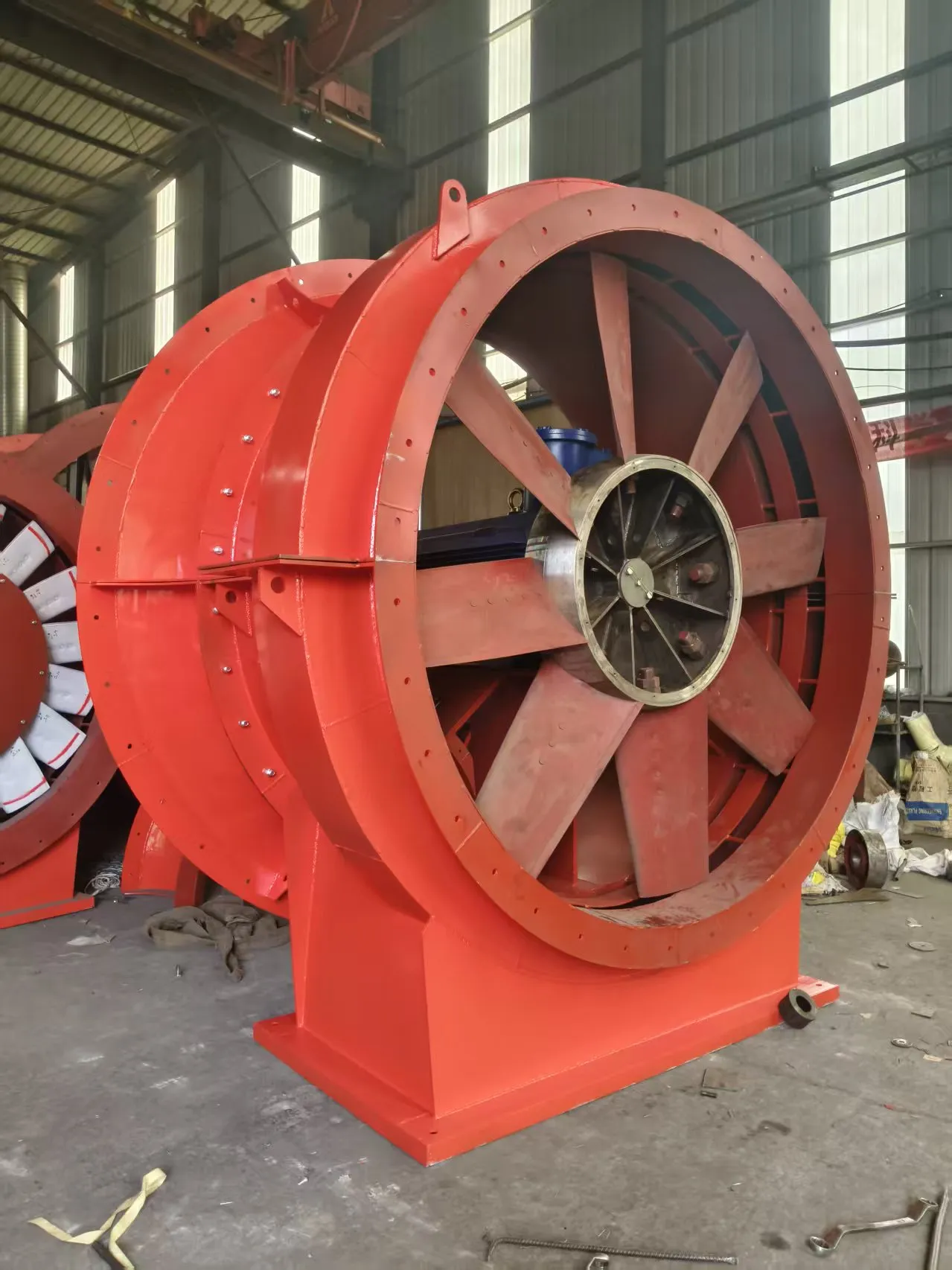
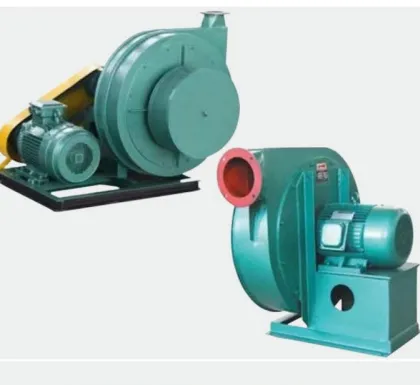
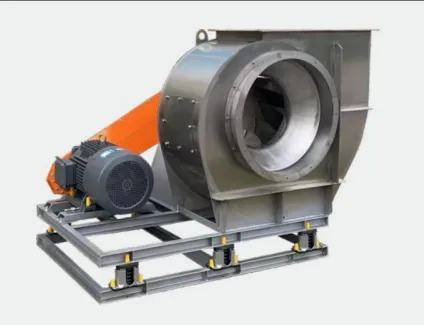
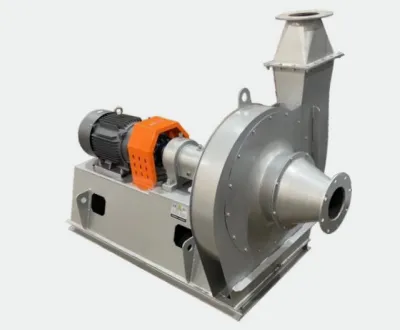
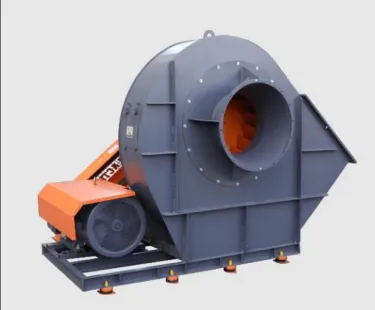
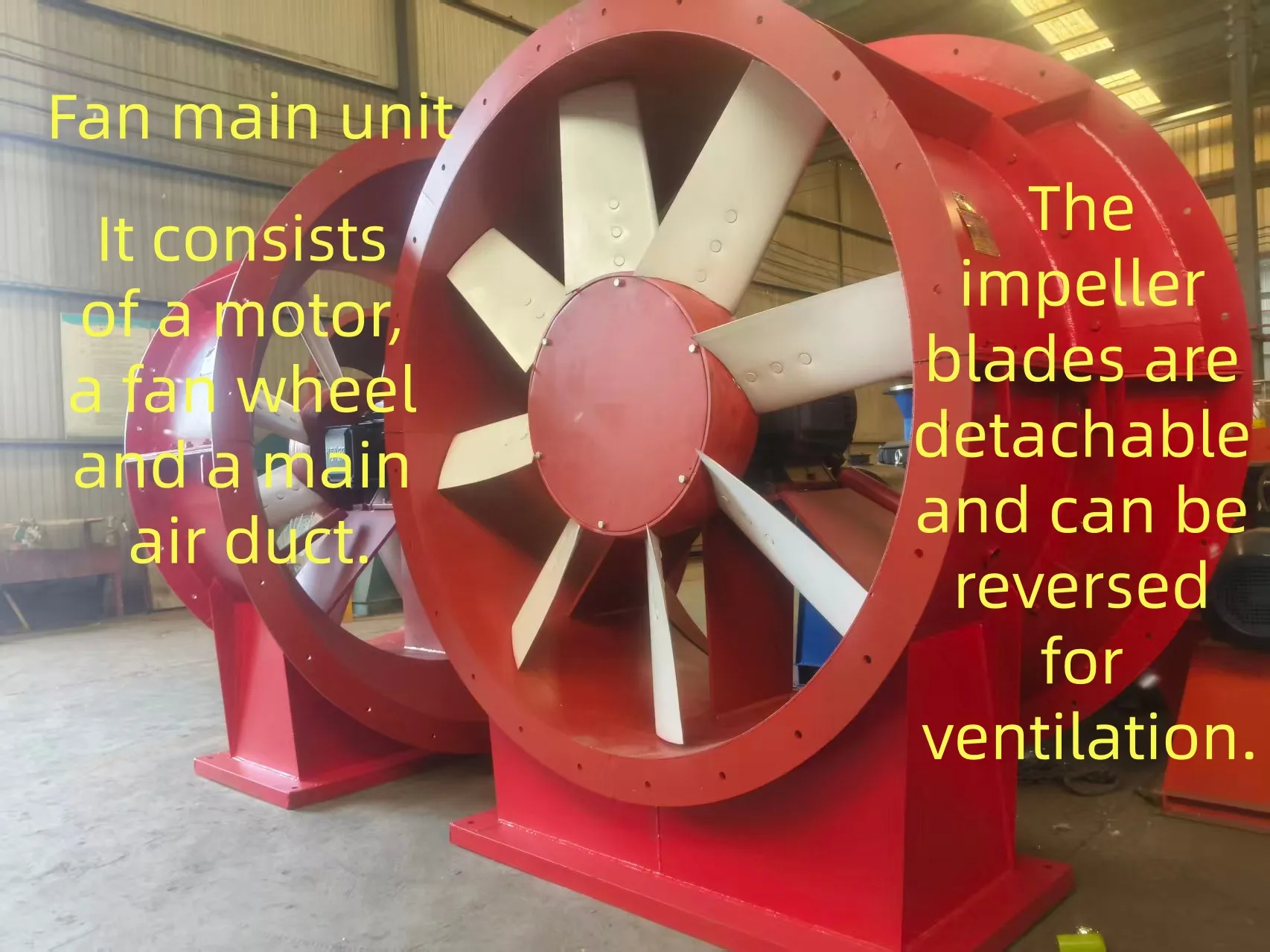
Looking for a reliable stainless steel anti-corrosion fan? Our factory specializes in manufacturing high-performance ventilation solutions designed specifically for harsh, corrosive environments. By eliminating intermediaries, we provide direct factory pricing without compromising on material quality or engineering precision. These fans utilize premium-grade stainless steel to resist chemical erosion, ensuring long-term operational stability in industries ranging from chemical processing to marine applications.
What Defines a High-Quality Stainless Steel Anti-Corrosion Fan?
A stainless steel anti-corrosion fan is not merely a standard blower made of metal; it is an engineered system designed to withstand aggressive atmospheric conditions. The core distinction lies in the material composition and the structural integrity of the components. Unlike galvanized or painted steel fans, which rely on surface coatings that can chip or degrade over time, stainless steel offers inherent resistance to oxidation and chemical attack.
The effectiveness of these units depends heavily on the grade of steel used. In industrial settings, air often carries moisture, acidic vapors, or saline particles. A substandard material will corrode rapidly, leading to imbalance, vibration, and eventual mechanical failure. Our manufacturing process prioritizes the selection of appropriate alloys to match specific environmental stressors, ensuring the fan maintains its aerodynamic profile and structural balance throughout its lifecycle.
Furthermore, the design philosophy extends beyond the blade material. The housing, shaft, and fasteners must all share similar corrosion-resistant properties to prevent galvanic corrosion. When dissimilar metals interact in a corrosive environment, electrochemical reactions can accelerate degradation. A true anti-corrosion solution integrates compatible materials across all moving and static parts, creating a unified defense against environmental decay.
Key Material Grades Used in Manufacturing
Selecting the right stainless steel grade is critical for performance and cost-efficiency. Not all stainless steels are created equal, and the choice depends entirely on the specific chemicals present in the operating environment. Using a lower grade than required leads to premature failure, while over-specifying can unnecessarily increase capital expenditure.
- SS 304 (A2 Stainless): This is the most common grade for general anti-corrosion applications. It offers excellent resistance to organic chemicals, food processing byproducts, and mild atmospheric corrosion. It is the industry standard for ventilation in laboratories and food production facilities.
- SS 316 (A4 Stainless): Containing molybdenum, this grade provides superior resistance to chlorides and acidic environments. It is the preferred choice for marine applications, coastal installations, and chemical plants where salt spray or stronger acids are present.
- Duplex Stainless Steels: For extreme conditions involving high chloride concentrations and high stress, duplex grades offer enhanced strength and corrosion resistance. These are typically reserved for specialized offshore or heavy chemical processing scenarios.
Our factory evaluates the specific air composition of your facility before recommending a material grade. This consultative approach ensures that you receive a stainless steel anti-corrosion fan that is perfectly matched to your operational needs, balancing durability with budgetary constraints.
Why Choose Factory Direct Pricing for Industrial Ventilation?
Purchasing industrial equipment through multiple layers of distributors often results in inflated costs and delayed technical support. By sourcing directly from the manufacturer, businesses gain immediate access to engineering expertise and competitive pricing structures. The elimination of middlemen allows us to pass significant savings directly to the end-user while maintaining strict quality control protocols.
Factory direct engagement also facilitates customization. Standard catalog items may not fit unique ductwork configurations or specific pressure requirements. When you work directly with our engineering team, we can modify impeller diameters, motor positions, and housing orientations to suit your exact installation constraints. This level of flexibility is rarely available through third-party retailers who only stock fixed specifications.
Moreover, direct communication streamlines the after-sales service process. In the event of maintenance needs or technical inquiries, there is no ambiguity regarding responsibility. Our team handles everything from initial design consultation to final commissioning, ensuring a seamless experience. This direct line of accountability builds trust and ensures that any issues are resolved with maximum efficiency.
Cost Efficiency Without Compromising Quality
A common misconception is that lower prices imply inferior quality. In our manufacturing model, cost reductions are achieved through optimized production workflows and bulk material procurement, not by cutting corners on material standards. We maintain rigorous testing procedures for every unit leaving the factory floor.
- Raw Material Verification: All incoming steel coils and plates undergo spectrographic analysis to verify alloy composition before fabrication begins.
- Weld Integrity Checks: Critical welds are inspected to ensure they meet international standards for strength and corrosion resistance, preventing weak points where rust could initiate.
- Dynamic Balancing: Every impeller is dynamically balanced to minimize vibration, which extends bearing life and reduces noise levels during operation.
This commitment to quality assurance means that our factory-direct stainless steel anti-corrosion fan units often outperform more expensive branded alternatives found in the general market. The value proposition is clear: premium engineering at a sustainable price point.
About Zibo Hongcheng Fans: Expertise You Can Trust
Behind every high-performance unit we deliver is the robust capability of Zibo Hongcheng Fans. Located within the prestigious Zibo Blower Industrial Park in Shandong Province, China, our facility spans 9,000 square meters and is staffed by over 30 dedicated professionals. While officially established in 2020, our foundation is built upon two decades of deep industry experience held by our founding team, ensuring that every fan produced benefits from seasoned engineering wisdom.
We boast a comprehensive product portfolio featuring more than 50 series and over 600 distinct specifications. While we serve diverse sectors including mining, metallurgy, textiles, and building materials, our core expertise lies in specialized ventilation solutions such as mining axial flow fans, centrifugal ventilators, and, crucially, stainless steel and corrosion-resistant fans. Our production lines are equipped with complete supporting machinery and adhere to a sound quality management system, guaranteeing that all technical indicators strictly meet national standards. Whether you require a standard model or a fully customized solution tailored to unique personalized demands, our integrated production processes are designed to deliver precision and reliability.
Technical Advantages of Stainless Steel Construction
The decision to invest in stainless steel construction is driven by the need for longevity and reliability in demanding environments. The technical advantages extend far beyond simple rust prevention, impacting the overall efficiency and safety of the ventilation system. Understanding these benefits helps facility managers make informed decisions about their infrastructure investments.
One of the primary benefits is the preservation of aerodynamic efficiency. Corrosion on fan blades changes their shape and surface roughness, which disrupts airflow and increases energy consumption. A corroded fan must work harder to move the same volume of air, leading to higher electricity bills and increased strain on the motor. Stainless steel maintains its smooth surface finish over years of operation, ensuring consistent performance.
Safety is another critical factor. In corrosive environments, structural weakening due to rust can lead to catastrophic failures. A failing fan blade can detach at high speeds, posing a severe risk to personnel and equipment. Stainless steel’s high tensile strength and resistance to stress corrosion cracking provide a robust safety margin, protecting both the workforce and the facility.
Resistance to Specific Corrosive Agents
Different industries face different corrosive challenges. Our stainless steel anti-corrosion fan designs are tailored to address these specific threats effectively. The versatility of stainless steel allows it to perform reliably across a wide spectrum of chemical exposures.
| Corrosive Agent | Common Industry Source | Impact on Standard Steel | Stainless Steel Performance |
| Salt Spray / Chlorides | Marine, Coastal Plants, Swimming Pools | Rapid pitting and structural loss | Excellent resistance (especially Grade 316) |
| Sulfuric Acid Vapors | Battery Manufacturing, Metal Plating | Severe general corrosion | High resistance depending on concentration |
| Organic Acids | Food Processing, Fermentation | Surface staining and gradual erosion | Superior resistance, easy to clean |
| Alkaline Solutions | Cleaning Facilities, Chemical Synthesis | Caustic embrittlement | Strong resistance to most alkalis |
| Humidity & Condensation | HVAC, Underground Tunnels | Oxidation (Rust) | Inherent immunity to oxidation |
This table illustrates why stainless steel is the dominant material choice for modern industrial ventilation. The ability to withstand such a diverse range of agents makes it a universal solution for complex facility requirements.
Core Applications Across Industries
The versatility of the stainless steel anti-corrosion fan makes it indispensable across numerous sectors. Wherever air quality control is vital and the atmosphere is hostile to standard materials, these fans serve as the backbone of the ventilation strategy. Their application is not limited to heavy industry but extends to precise environments where contamination control is paramount.
In the chemical processing industry, fans are exposed to a cocktail of volatile organic compounds and acidic fumes. Here, the fan must not only move air but also survive the constant chemical assault. Failure in this sector can lead to hazardous gas buildup, making reliability a safety imperative. Our units are designed to handle continuous operation under these strenuous conditions.
The food and beverage sector presents unique challenges involving hygiene and washdown procedures. Facilities are frequently cleaned with high-pressure hot water and aggressive sanitizers. Standard fans would rust quickly under such treatment, potentially contaminating the product. Stainless steel fans withstand frequent washdowns and maintain the sanitary standards required by global food safety regulations.
Specialized Use Cases
Beyond the major industries, there are specialized applications where the unique properties of stainless steel are essential. These scenarios often involve extreme temperatures or specific regulatory compliance requirements.
- Pharmaceutical Cleanrooms: Maintaining sterile environments requires fans that do not shed particles or corrode. Stainless steel provides a non-porous surface that prevents bacterial growth and withstands sterilization gases.
- Wastewater Treatment Plants: The presence of hydrogen sulfide and other biological gases creates a highly corrosive atmosphere. Stainless steel components ensure long-term functionality in lift stations and aeration basins.
- Pulp and Paper Mills: The digestion and bleaching processes release chlorine dioxide and sulfur compounds. Fans in these areas must resist both chemical corrosion and high humidity levels simultaneously.
- Offshore Platforms: Exposure to constant salt spray and wind demands the highest grade of corrosion resistance. Marine-grade stainless steel fans are critical for worker safety and equipment protection in these remote locations.
Each of these applications demonstrates the adaptability of our manufacturing capabilities. Whether the requirement is for a small exhaust unit or a large industrial blower, the underlying principle of corrosion resistance remains central to the design.
How to Select the Right Fan for Your Facility
Choosing the correct stainless steel anti-corrosion fan involves a systematic evaluation of your operational parameters. Making the wrong choice can lead to inefficiencies, increased maintenance costs, or premature system failure. A structured approach ensures that the selected equipment meets both current and future demands.
The first step is defining the airflow requirements. This includes calculating the necessary cubic feet per minute (CFM) and the static pressure the fan must overcome. These figures depend on the size of the space, the number of air changes required per hour, and the resistance of the ductwork system. Undersizing a fan will result in inadequate ventilation, while oversizing can lead to energy waste and noise issues.
Next, a thorough analysis of the air composition is essential. Identify the specific contaminants present, their concentrations, and the operating temperature. This data drives the selection of the appropriate stainless steel grade. For instance, a facility near the ocean requires a different specification than an indoor laboratory handling mild solvents. Ignoring these details can compromise the integrity of the entire system.
Step-by-Step Selection Guide
To simplify the procurement process, follow this logical sequence when specifying your ventilation needs. This guide helps align your technical requirements with our manufacturing capabilities.
- Assess Environmental Conditions: Document the temperature range, humidity levels, and specific chemical pollutants in the exhaust stream.
- Determine Airflow Metrics: Calculate the required volume flow rate and system static pressure based on facility layout and regulatory standards.
- Select Material Grade: Choose between SS 304, SS 316, or specialized alloys based on the corrosivity assessment conducted in step one.
- Define Configuration: Decide on the fan type (centrifugal, axial, roof-mounted) and motor placement (belt-driven vs. direct-drive) suitable for your space constraints.
- Request Custom Engineering: Contact our factory team with your specifications to receive a tailored proposal and CAD drawings for approval.
Following these steps ensures that you procure a solution that is technically sound and commercially viable. Our engineers are available to assist at every stage, providing data-driven recommendations to optimize your selection.
Maintenance and Longevity Strategies
While stainless steel anti-corrosion fan units are built for durability, they are not entirely maintenance-free. Proper care significantly extends their operational life and ensures peak performance. A proactive maintenance schedule prevents minor issues from escalating into major repairs or unplanned downtime.
Regular inspection is the cornerstone of effective maintenance. Visual checks should be conducted periodically to look for signs of unusual vibration, noise, or accumulation of debris on the blades. Even though stainless steel resists corrosion, the buildup of particulate matter can cause imbalance, leading to bearing wear and motor stress. Keeping the impeller clean maintains aerodynamic efficiency.
Lubrication of bearings is another critical task. Depending on the operating hours and temperature, bearings should be greased according to the manufacturer’s schedule. Over-lubrication can be just as harmful as under-lubrication, so adhering to specified quantities is important. Modern fans often come with sealed bearings that require less frequent attention, but monitoring their condition remains essential.
Best Practices for Extended Service Life
Implementing a few simple best practices can maximize the return on your investment. These strategies focus on preventing avoidable damage and ensuring the system operates within its design limits.
- Vibration Monitoring: Install vibration sensors or perform regular manual checks to detect early signs of imbalance or misalignment.
- Belt Tension Checks: For belt-driven models, ensure belts are properly tensioned to prevent slippage and excessive wear on pulleys.
- Electrical Inspection: Regularly check motor connections and insulation resistance to prevent electrical failures caused by moisture or heat.
- Protective Coatings (Optional): In extremely aggressive environments, additional passivation treatments can be applied to enhance the natural oxide layer of the stainless steel.
By integrating these maintenance routines into your facility management plan, you ensure that your ventilation system remains a reliable asset rather than a liability. Our factory provides comprehensive maintenance manuals and spare parts support to facilitate these activities.
Comparing Fan Types for Corrosive Environments
When designing a ventilation system, selecting the right type of fan is as important as choosing the material. Different fan geometries offer distinct advantages regarding pressure generation, airflow volume, and efficiency. Understanding these differences helps in matching the equipment to the specific application requirements.
Centrifugal fans are often preferred in high-pressure applications where air must be moved through extensive ductwork or filtration systems. They generate higher static pressure compared to axial fans and are generally more robust in handling varying system resistances. In corrosive environments, centrifugal fans with backward-curved blades are particularly efficient and less prone to dust accumulation.
Axial fans, on the other hand, are ideal for high-volume, low-pressure applications such as wall mounting or roof exhaustion. They are compact and cost-effective for moving large amounts of air over short distances. When constructed from stainless steel, they provide an excellent solution for general dilution ventilation in warehouses or production halls.
Performance Comparison Table
The following table outlines the key differences between common fan types when configured with stainless steel anti-corrosion features.
| Fan Type | Primary Advantage | Ideal Application | Pressure Capability | Efficiency Profile |
| Centrifugal (Forward Curved) | Compact size, low noise | HVAC units, low-pressure ducts | Low to Medium | Moderate |
| Centrifugal (Backward Inclined) | High efficiency, non-overloading | Industrial process exhaust, long ducts | Medium to High | High |
| Axial Flow | High airflow volume, straight-through | Wall exhaust, tunnel ventilation | Low | High at design point |
| Mixed Flow | Combination of flow and pressure | Roof ventilators, compact systems | Medium | Good broad range |
Selecting the appropriate geometry ensures that the stainless steel anti-corrosion fan operates at its best efficiency point, reducing energy consumption and minimizing wear. Our engineering team assists in performing system curve analyses to identify the optimal fan type for your specific project.
Frequently Asked Questions (FAQ)
To further clarify common queries regarding our products and services, we have compiled a list of frequently asked questions. These answers reflect our commitment to transparency and technical expertise.
What is the typical lead time for a custom stainless steel fan?
Lead times vary depending on the complexity of the customization and current production schedules. Standard configurations are often available for shipment within a few weeks, while highly specialized units may require additional time for engineering and fabrication. We prioritize clear communication and provide realistic timelines upon order confirmation.
Can you manufacture fans for explosive atmospheres (ATEX/IECEx)?
Yes, our factory is capable of producing stainless steel anti-corrosion fan units that comply with ATEX and IECEx standards for explosive atmospheres. These units feature spark-resistant construction, specialized motors, and grounding mechanisms to ensure safety in hazardous zones. Certification documentation is provided with each relevant order.
How does the cost of stainless steel compare to FRP (Fiberglass Reinforced Plastic) fans?
While FRP fans offer good corrosion resistance, stainless steel provides superior mechanical strength, fire resistance, and temperature tolerance. Initially, stainless steel may have a higher material cost, but its longevity and lower maintenance requirements often result in a better total cost of ownership over the equipment’s lifespan. The choice depends on the specific chemical and thermal conditions of the application.
Do you provide warranty support for international shipments?
Absolutely. We stand behind the quality of our manufacturing with comprehensive warranty coverage that applies globally. Our support team is equipped to handle international logistics for spare parts and provides remote technical assistance to resolve any operational issues promptly.
Is it possible to retrofit existing carbon steel fans with stainless steel components?
In most cases, replacing specific components like impellers or housings with stainless steel versions is feasible and can be a cost-effective upgrade strategy. However, a structural assessment of the existing frame and motor is recommended to ensure compatibility. Our engineers can evaluate your current setup and propose a viable retrofit solution.
Conclusion and Next Steps
Investing in a high-quality stainless steel anti-corrosion fan is a strategic decision that safeguards your facility’s operational continuity and safety. The combination of superior material science, precise engineering, and factory-direct value creates a compelling solution for any industry facing corrosive challenges. From chemical plants to marine environments, our fans deliver the reliability and performance needed to thrive in harsh conditions.
This solution is ideally suited for facility managers, plant engineers, and procurement specialists who prioritize long-term durability over short-term savings. If your operations involve exposure to moisture, chemicals, or saline air, upgrading to a dedicated stainless steel ventilation system is the most prudent course of action.
To move forward, we recommend conducting a detailed audit of your current ventilation performance and environmental conditions. Reach out to our factory team with your specific requirements to receive a customized quote and technical consultation. Let us help you engineer a safer, more efficient, and corrosion-resistant future for your industrial operations.