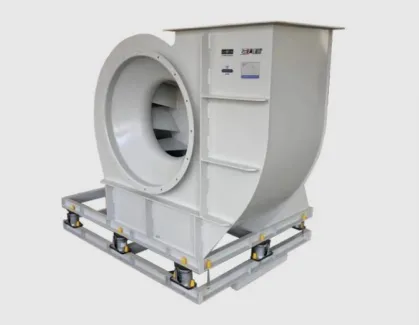
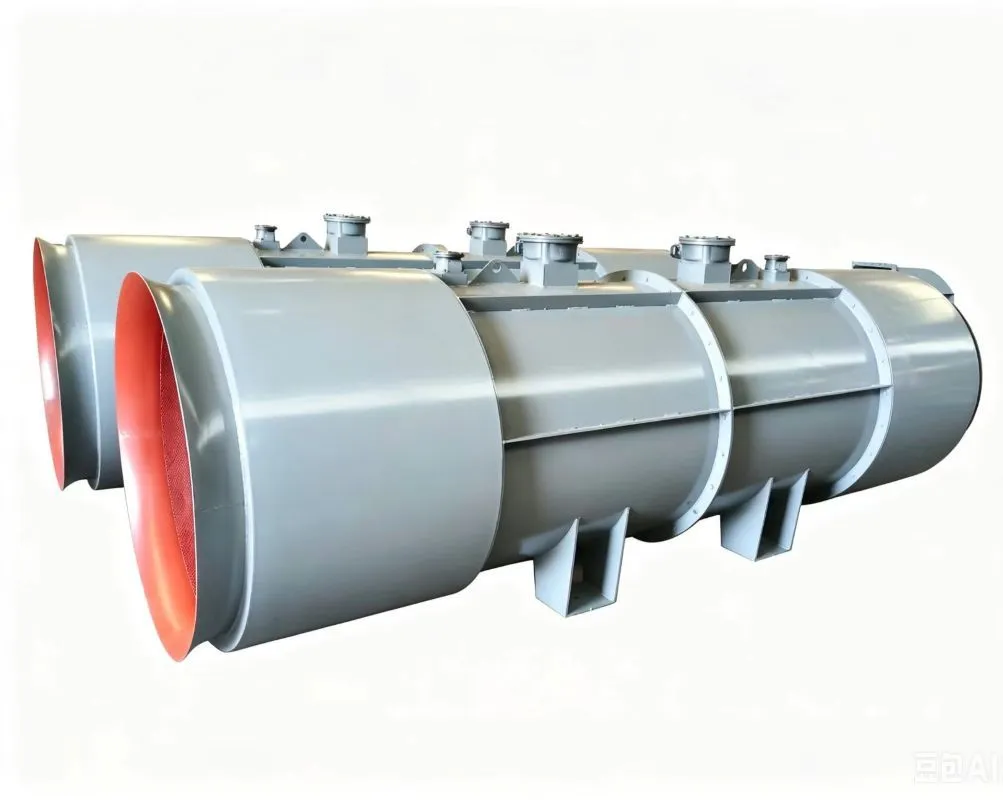
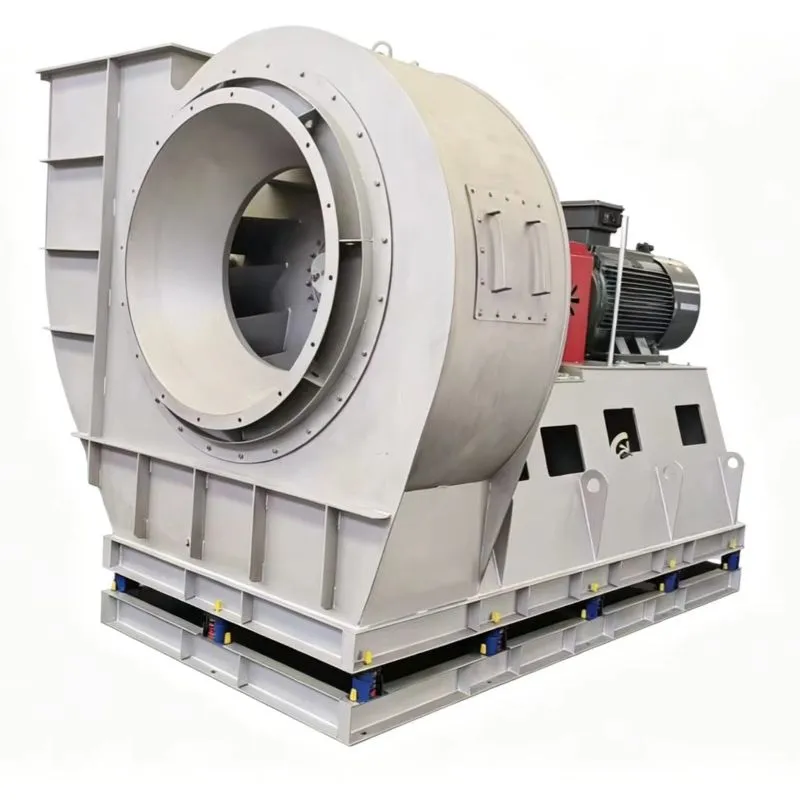
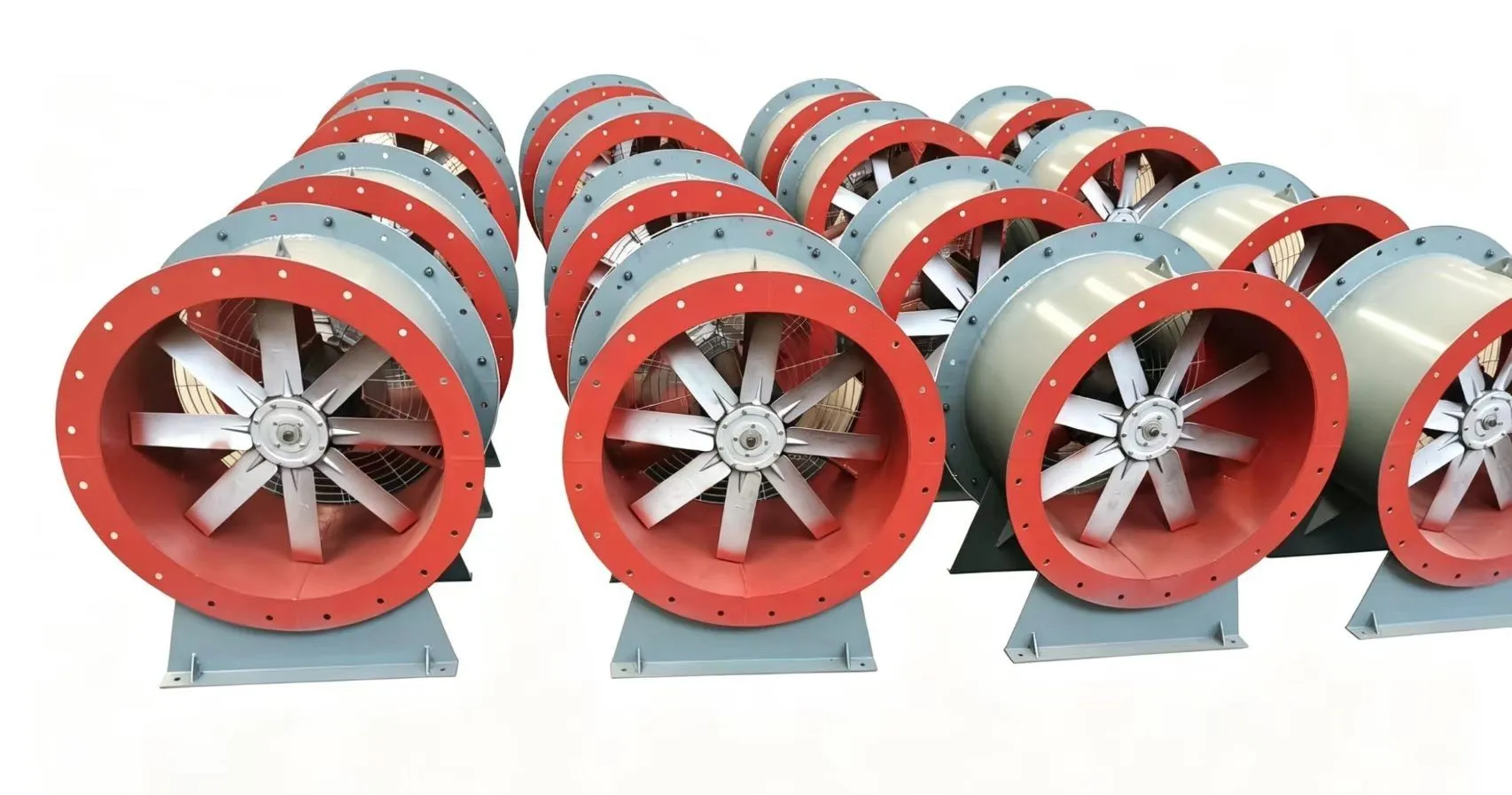
Looking for a reliable underground coal mine fan? As a leading manufacturer, we provide factory-direct pricing on high-performance ventilation systems designed specifically for deep mining operations. Our fans ensure optimal airflow, gas dilution, and temperature control while adhering to strict safety standards. This guide covers technical specifications, selection criteria, and the advantages of sourcing directly from the production facility to reduce costs without compromising quality or safety.
What Is an Underground Coal Mine Fan?
An underground coal mine fan is a critical ventilation component engineered to move large volumes of air through subterranean tunnels. Its primary function is to dilute hazardous gases like methane, remove dust, and regulate temperature to ensure a safe working environment for miners. Unlike standard industrial fans, these units are built to withstand explosive atmospheres and harsh geological conditions.
The design prioritizes reliability and efficiency. In modern mining, the failure of a ventilation system can lead to catastrophic consequences. Therefore, manufacturers utilize robust materials and advanced aerodynamic profiles to maximize pressure generation while minimizing energy consumption. These fans serve as the lungs of the mine, constantly refreshing the atmosphere in deep shafts where natural ventilation is insufficient.
Core Functions in Mining Operations
The operational scope of these fans extends beyond simple air movement. They are integral to the overall safety strategy of a coal mine. Key functions include:
- Methane Dilution: Continuously flushing out accumulated methane gas to prevent explosion risks.
- Dust Control: Reducing airborne coal dust concentrations to protect worker respiratory health.
- Temperature Regulation: Removing heat generated by heavy machinery and geothermal gradients.
- Emergency Smoke Extraction: Providing reverse airflow capabilities during fire incidents to clear escape routes.
Each function requires precise engineering. The ability to maintain consistent airflow despite changing resistance levels in the mine tunnels is a hallmark of a high-quality unit. Manufacturers focus on creating systems that can adapt to the dynamic nature of underground environments.
Key Technical Features of High-Performance Mine Fans
Selecting the right equipment requires understanding the technical attributes that define performance. A superior underground coal mine fan integrates advanced motor technology, specialized blade designs, and rigorous safety certifications. These features distinguish professional-grade equipment from generic industrial solutions.
Efficiency is paramount in mining due to the continuous operation of these systems. Even a small percentage increase in aerodynamic efficiency can result in significant energy savings over the lifespan of the mine. Furthermore, the structural integrity of the fan must endure high humidity, corrosive elements, and potential physical impacts common in extraction sites.
Aerodynamic Blade Design
The shape and angle of the blades determine the airflow volume and pressure capability. Modern manufacturers employ computational fluid dynamics (CFD) to optimize blade geometry. This process ensures smooth airflow with minimal turbulence and noise.
- Airfoil Blades: Designed to reduce drag and increase lift, improving overall efficiency.
- Adjustable Pitch: Allows operators to fine-tune performance based on current mine depth and resistance.
- Corrosion-Resistant Coatings: Specialized treatments protect against sulfur and moisture prevalent in coal seams.
Proper blade design also contributes to stability. Vibration can lead to premature wear and mechanical failure. By balancing the impeller precisely, manufacturers ensure smooth operation even at high rotational speeds, extending the maintenance intervals and reducing downtime.
Explosion-Proof Motor Technology
The heart of any ventilation system is its motor. In coal mines, the presence of flammable gases necessitates the use of explosion-proof motors. These units are sealed to prevent internal sparks from igniting external gases.
Current mainstream solutions utilize high-efficiency IE3 or IE4 class motors. These motors not only meet safety regulations but also reduce electricity costs. The integration of variable frequency drives (VFD) allows for soft starting and speed control, further enhancing energy management and reducing mechanical stress during startup.
Why Choose Factory Direct Pricing?
Sourcing an underground coal mine fan directly from the manufacturer offers distinct financial and logistical advantages. Eliminating intermediaries reduces the final cost significantly while ensuring direct communication regarding technical requirements. This model fosters a partnership approach rather than a simple transactional relationship.
Factory direct procurement allows for greater customization. Mines often have unique layout constraints or specific airflow demands. Working directly with the engineering team enables tailored solutions that off-the-shelf distributors cannot provide. Additionally, warranty claims and after-sales support are handled more efficiently without third-party delays.
Cost Efficiency and Budget Optimization
The elimination of distributor markups results in substantial savings. These funds can be redirected towards other critical safety infrastructure or operational improvements. For large-scale projects requiring multiple units, the cumulative savings are considerable.
- Transparent Pricing: Direct quotes reflect actual manufacturing costs plus reasonable margins.
- Bulk Order Discounts: Volume purchases often trigger additional price reductions.
- Reduced Logistics Costs: Streamlined shipping arrangements from the production line to the site.
Beyond the initial purchase price, lifecycle costs are lower. Direct access to genuine spare parts ensures compatibility and longevity. Counterfeit or incompatible parts from unauthorized sellers can lead to inefficiencies and safety hazards, negating any initial savings.
Customization and Engineering Support
Every mine presents unique challenges. Depth, tunnel diameter, and gas emission rates vary widely. A factory-direct approach facilitates detailed consultations with engineers who can modify standard designs to fit specific needs.
Customization options may include special inlet configurations, reinforced housing for high-pressure zones, or integrated monitoring sensors. The manufacturer can simulate performance scenarios before production begins, ensuring the delivered product meets exact operational parameters. This level of service is rarely available through general equipment suppliers.
About Zibo Hongcheng Fans: Your Trusted Manufacturing Partner
When seeking a partner that embodies the principles of factory-direct quality and engineering expertise, Zibo Hongcheng Fans stands out as a premier choice. Located within the Zibo Blower Industrial Park in Shandong Province, China, our 9,000-square-meter facility is dedicated to producing high-performance ventilation solutions. Founded in 2020 by industry veterans with over 20 years of experience in the blower sector, we combine decades of practical knowledge with modern manufacturing capabilities.
Our extensive portfolio includes more than 50 series and over 600 specifications, with a specialized focus on mining axial flow fans, centrifugal ventilators, and corrosion-resistant models designed for harsh environments like coal mines, oil fields, and chemical plants. Equipped with comprehensive production processes and a sound quality management system, we ensure every unit meets rigorous national standards. Whether you require a standard model or a fully customized solution to address unique geological challenges, our team of over 30 skilled staff members is ready to deliver precision-engineered fans that prioritize safety and efficiency.
Comparison: Axial vs. Centrifugal Mine Fans
Choosing between axial and centrifugal designs is a fundamental decision in mine ventilation planning. Both types serve the purpose of moving air but excel in different operational scenarios. Understanding their differences is crucial for selecting the most effective solution for a specific mine layout.
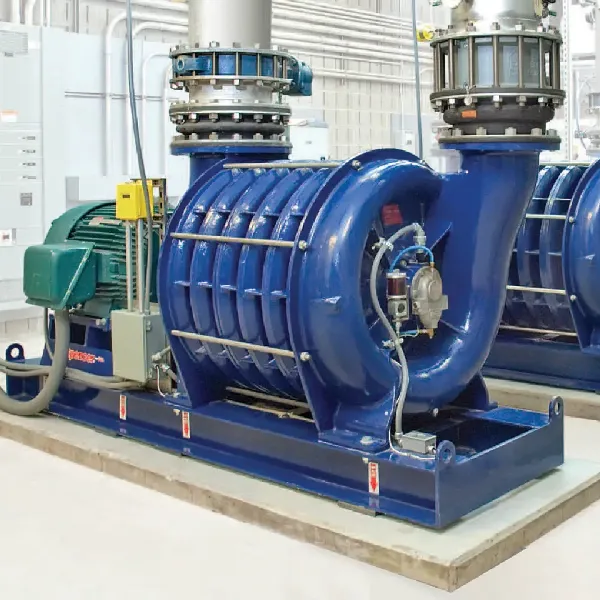
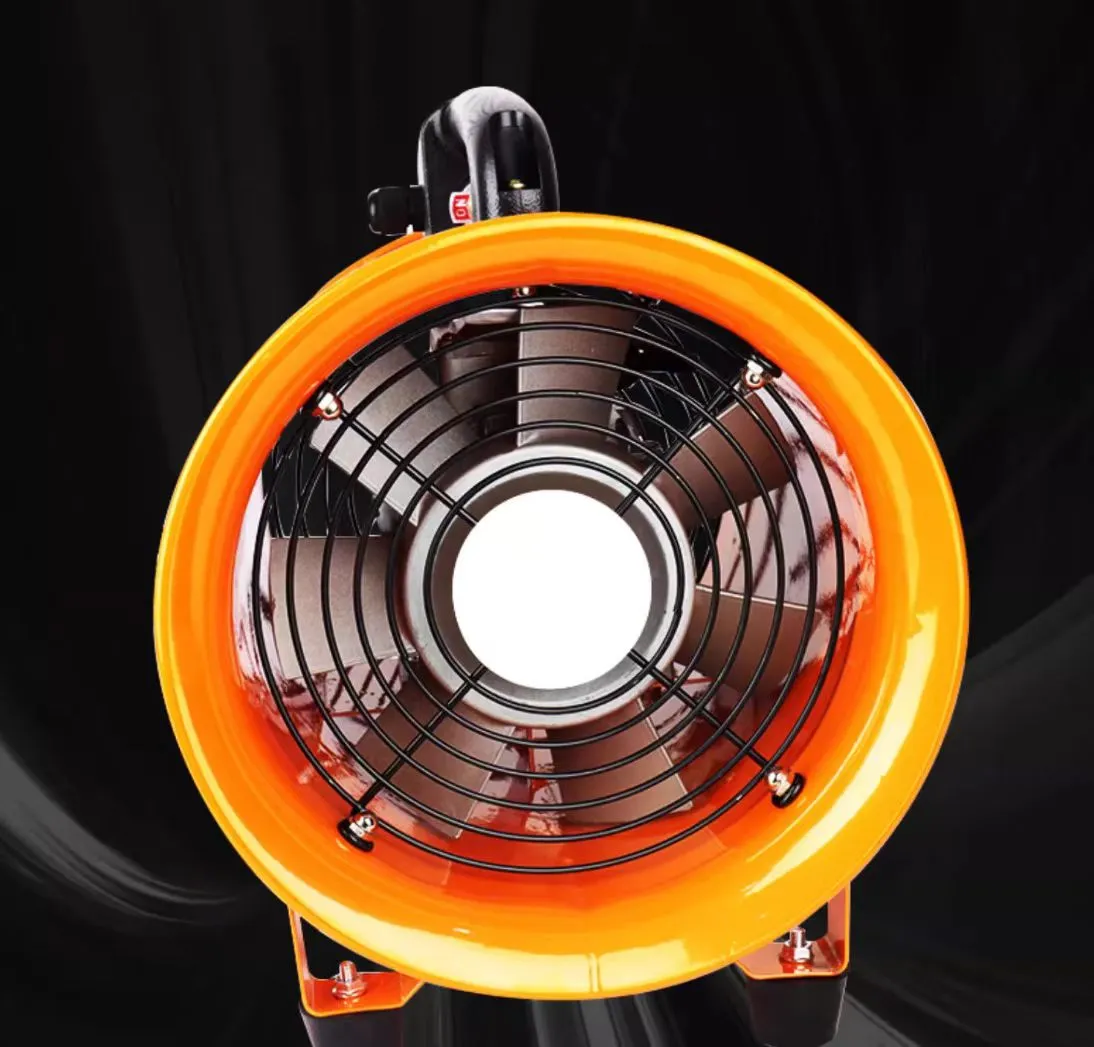
Axial fans are generally preferred for high-volume, low-pressure applications, making them ideal for main ventilation shafts in large mines. Centrifugal fans, conversely, are better suited for high-pressure requirements, such as forcing air through long, narrow tunnels with significant resistance. The choice depends on the specific resistance curve of the mine network.
| Feature | Axial Flow Fans | Centrifugal Fans |
| Airflow Direction | Parallel to the shaft axis | Perpendicular to the intake (90-degree turn) |
| Pressure Capability | Low to Medium | High |
| Volume Capacity | Very High | Moderate |
| Space Requirements | Compact, fits inline with tunnels | Larger footprint, requires more installation space |
| Efficiency Range | High at design point, drops off quickly | Stable efficiency over a wider range of pressures |
| Noise Level | Generally higher frequency noise | Lower frequency, often easier to dampen |
| Ideal Application | Main shaft ventilation, large open areas | Long-distance forcing, booster stations |
The table above highlights the core distinctions. While axial fans dominate main ventilation duties due to their ability to move massive air quantities, centrifugal fans remain indispensable for auxiliary ventilation where pressure is the limiting factor. Some modern operations utilize a hybrid approach, deploying both types at different stages of the mining lifecycle.
Operational Flexibility
Axial fans often feature reversible blades, allowing the airflow direction to be changed rapidly in case of emergency. This is a critical safety feature for smoke extraction. Centrifugal fans typically require complex damper systems to reverse flow, which can be slower to engage.
However, centrifugal fans offer superior stability when mine resistance fluctuates. If a tunnel collapses or a door is closed, increasing system resistance, a centrifugal fan maintains airflow better than an axial unit, which might stall. The decision ultimately rests on the specific ventilation network design and risk assessment protocols.
Installation and Maintenance Guidelines
Proper installation and regular maintenance are vital for the longevity and safety of an underground coal mine fan. Even the most advanced equipment will underperform if installed incorrectly or neglected. Adhering to established protocols ensures optimal efficiency and compliance with safety regulations.
Maintenance schedules should be rigorous, given the harsh operating environment. Dust accumulation, vibration, and electrical wear are constant threats. A proactive maintenance strategy prevents unexpected failures that could halt mining operations or endanger personnel.
Step-by-Step Installation Process
Installing a mine fan requires careful planning and execution. The following steps outline the general procedure for deploying a main ventilation unit:
- Site Preparation: Clear the installation area and ensure the foundation is level and capable of supporting the unit’s weight and vibration.
- Base Frame Mounting: Secure the base frame using high-strength anchor bolts, utilizing vibration isolators to reduce transmission to the surrounding structure.
- Fan Assembly: Lift and position the fan casing and motor assembly onto the base frame, ensuring perfect alignment between the motor shaft and the impeller.
- Electrical Connection: Connect power cables according to the schematic, ensuring all grounding and explosion-proof seals are intact and verified.
- System Testing: Perform a no-load test run to check rotation direction, vibration levels, and bearing temperatures before connecting to the full ductwork.
Alignment is perhaps the most critical step. Misalignment causes excessive vibration, leading to bearing failure and potential catastrophic breakdown. Laser alignment tools are commonly used to achieve micron-level precision during this phase.
Routine Maintenance Checklist
A structured maintenance routine minimizes downtime. Operators should conduct daily visual inspections and scheduled detailed checks. Key areas of focus include lubrication, belt tension (if applicable), and structural integrity.
- Bearing Inspection: Monitor temperature and noise levels; re-lubricate according to manufacturer specifications.
- Blade Cleaning: Remove coal dust and debris buildup to maintain aerodynamic balance and efficiency.
- Vibration Analysis: Use sensors to detect early signs of imbalance or misalignment.
- Electrical Checks: Inspect terminals for looseness, corrosion, or signs of overheating.
- Seal Integrity: Verify that all explosion-proof seals and gaskets are undamaged and properly seated.
Predictive maintenance technologies are increasingly popular. By installing IoT sensors, mines can monitor fan health in real-time, receiving alerts before a failure occurs. This data-driven approach optimizes maintenance windows and extends equipment life.
Safety Standards and Certifications
Safety is non-negotiable in coal mining. Any underground coal mine fan must comply with stringent international and local regulations. These standards govern everything from material selection to electrical protection mechanisms. Compliance ensures that the equipment can operate safely in potentially explosive atmospheres.
Manufacturers must obtain certifications from recognized bodies. These certifications validate that the design has undergone rigorous testing for spark resistance, temperature limits, and structural durability. Operating uncertified equipment poses severe legal and safety risks.
Explosion Protection Ratings
The most critical certification relates to explosion protection. Equipment must be rated for the specific zone classification of the mine. Common standards include ATEX for Europe and IECEx for international markets, along with MSHA approvals for the United States.
- Flameproof Enclosures (Ex d): Designed to contain an internal explosion without igniting the surrounding atmosphere.
- Increased Safety (Ex e):> Focuses on preventing sparks and excessive temperatures during normal operation.
- Intrinsic Safety (Ex i): Limits electrical energy to levels too low to cause ignition, typically for control circuits.
These ratings dictate the construction methods used. For instance, flameproof enclosures require precise machining of mating surfaces to cool escaping gases. Regular inspection of these surfaces is essential to maintain the certification validity over time.
Material and Construction Standards
Beyond electrical safety, the physical construction must meet specific criteria. Impellers and casings are often required to be made from non-sparking materials like aluminum alloys or stainless steel to prevent ignition from mechanical impact.
Industry普遍认为 that using composite materials for certain components can further reduce spark risks while lowering weight. However, any material change must be validated through testing to ensure it does not compromise structural strength or static dissipation properties. The goal is a holistic safety approach covering all potential ignition sources.
Common Challenges and Solutions in Mine Ventilation
Mine ventilation engineers face numerous challenges, ranging from changing geological conditions to equipment degradation. Addressing these issues requires a combination of robust hardware and strategic operational adjustments. Understanding common pitfalls helps in designing more resilient systems.
One frequent issue is the variation in air resistance as the mine expands. Tunnels lengthen, and obstacles increase, altering the system curve. Fans that were initially adequate may become undersized. Conversely, short-circuiting of air can occur if sealing is poor, wasting energy and reducing effectiveness in working faces.
Managing Air Leakage and Resistance
Air leakage is a major source of inefficiency. In long tunnels, a significant percentage of generated airflow can be lost before reaching the target zone. This forces the fan to work harder, increasing energy costs and wear.
- Solution: Implement rigorous sealing protocols for stoppings and doors.
- Regular Surveys: Conduct periodic ventilation surveys to identify leak points and high-resistance areas.
- Booster Fans: Strategically place auxiliary booster fans to overcome localized high resistance without over-pressurizing the entire network.
Resistance management also involves keeping tunnels clear. Debris and collapsed material can drastically increase friction losses. Maintaining clear airways is as important as maintaining the fan itself. Automated monitoring systems can help detect pressure anomalies indicative of blockages or leaks.
Adapting to Changing Mine Depths
As mines go deeper, temperatures rise and gas emissions often increase. The ventilation system must evolve with the mine. Fixed-speed fans may struggle to adapt to these changing conditions efficiently.
The industry trend is towards variable speed drives. By adjusting the fan speed to match the exact demand, operators can maintain optimal conditions while saving energy. This flexibility allows the same fan to perform effectively during the early stages of mining and decades later when the mine is much deeper and more complex.
FAQ: Frequently Asked Questions
Prospective buyers and engineers often have specific queries regarding the selection and operation of underground coal mine fans. The following section addresses common concerns to provide clarity and assist in decision-making.
How do I calculate the required airflow for my mine?
Calculating required airflow involves determining the number of workers, diesel equipment usage, and expected gas emission rates. Regulatory bodies usually provide formulas based on the highest of these factors. Generally, you must ensure enough air to dilute methane below 1% and maintain breathable oxygen levels. Professional ventilation modeling software is recommended for accurate calculations.
What is the typical lifespan of a mine ventilation fan?
With proper maintenance, a high-quality underground coal mine fan can operate reliably for 15 to 20 years or more. The lifespan depends heavily on the operating environment, maintenance rigor, and the quality of original components. Regular bearing replacements and blade inspections can extend service life significantly beyond the average expectancy.
Can these fans be used in metal mines as well?
Yes, while designed for coal, these fans are highly effective in metal mines. However, explosion-proof ratings specific to coal dust and methane may not be strictly necessary in non-gassy metal mines, potentially allowing for different motor classifications. The core aerodynamic principles remain the same, focusing on moving large air volumes against resistance.
How quickly can a replacement unit be delivered?
Lead times vary based on customization requirements and current production schedules. Standard models may be available for shipment within a few weeks, while highly customized units might take several months. Factory direct communication allows for accurate timeline estimates and expedited production slots if urgent replacements are needed.
Do you provide remote monitoring capabilities?
Modern manufacturing increasingly includes IoT-ready options. Sensors can be integrated to monitor vibration, temperature, and power consumption remotely. This data feeds into central control rooms, enabling predictive maintenance and immediate response to anomalies, enhancing overall mine safety and operational continuity.
Conclusion and Selection Advice
Selecting the right underground coal mine fan is a decision that impacts safety, productivity, and operational costs for the life of the mine. The evidence shows that factory-direct sourcing provides the best balance of cost-efficiency, customization, and technical support. By eliminating intermediaries, mines gain direct access to engineering expertise and competitive pricing.
This approach is particularly suitable for mining companies looking to upgrade aging infrastructure or establish new ventilation networks with tight budget constraints. It is also ideal for operations requiring bespoke solutions due to unique geological challenges. The ability to tailor specifications ensures that the fan performs optimally under specific site conditions.
To proceed, evaluate your current ventilation requirements and compare them against the technical capabilities of direct manufacturers like Zibo Hongcheng Fans. Request detailed performance curves and certification documents. Prioritize suppliers who offer comprehensive after-sales support and warranty coverage. Investing in a high-quality, factory-direct fan today secures a safer and more efficient tomorrow for your mining operations.