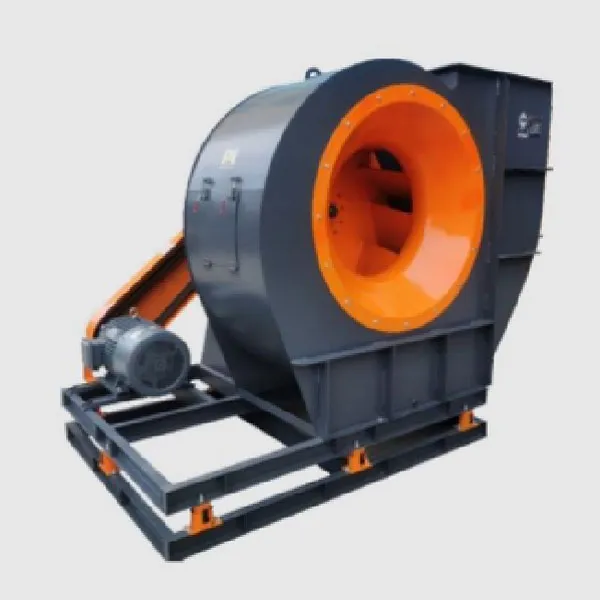
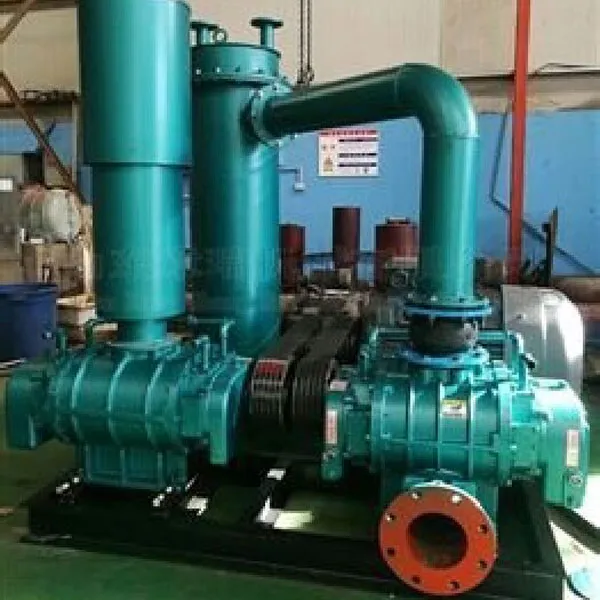
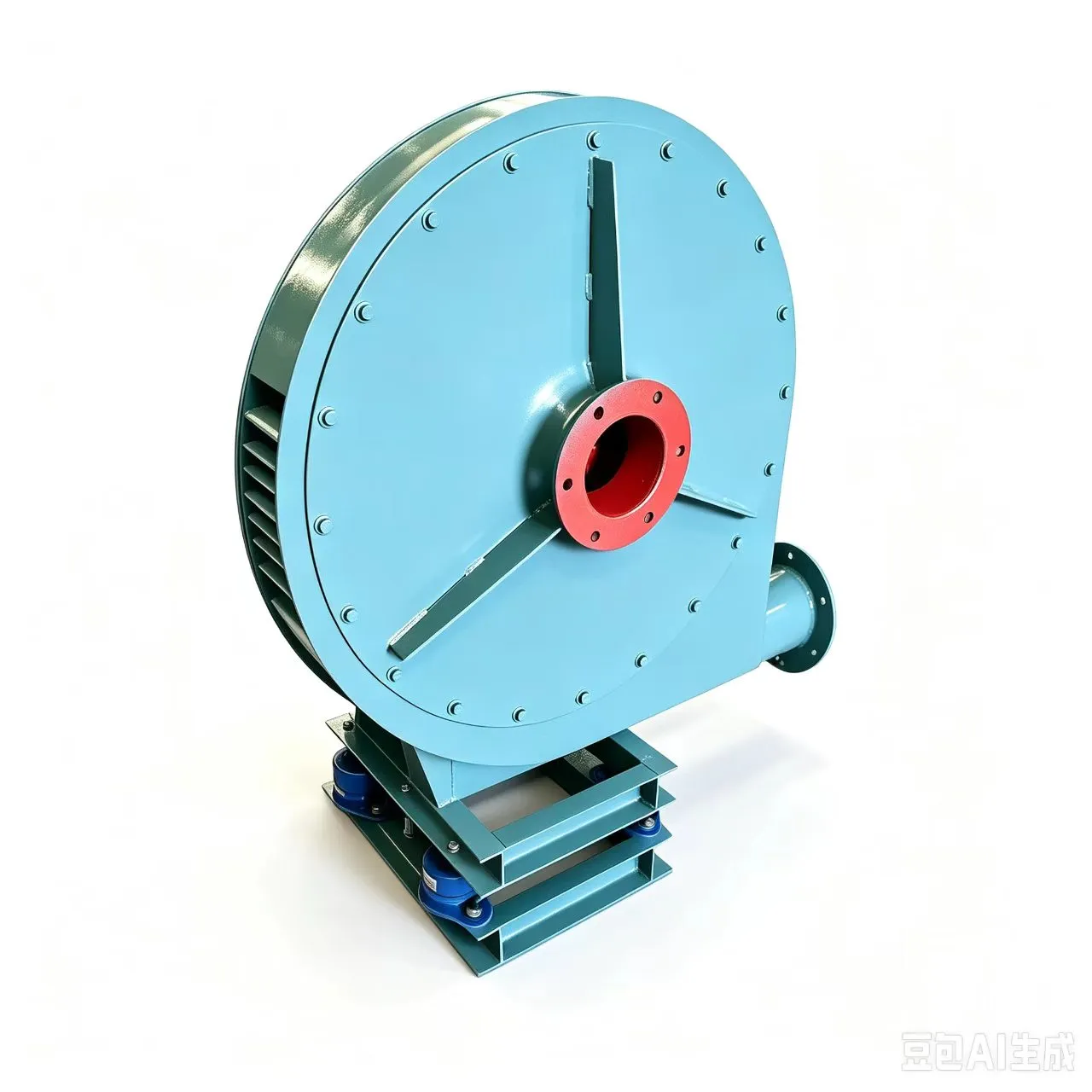
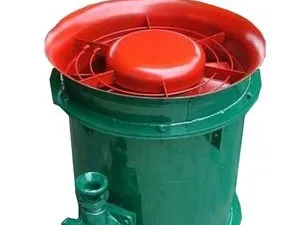
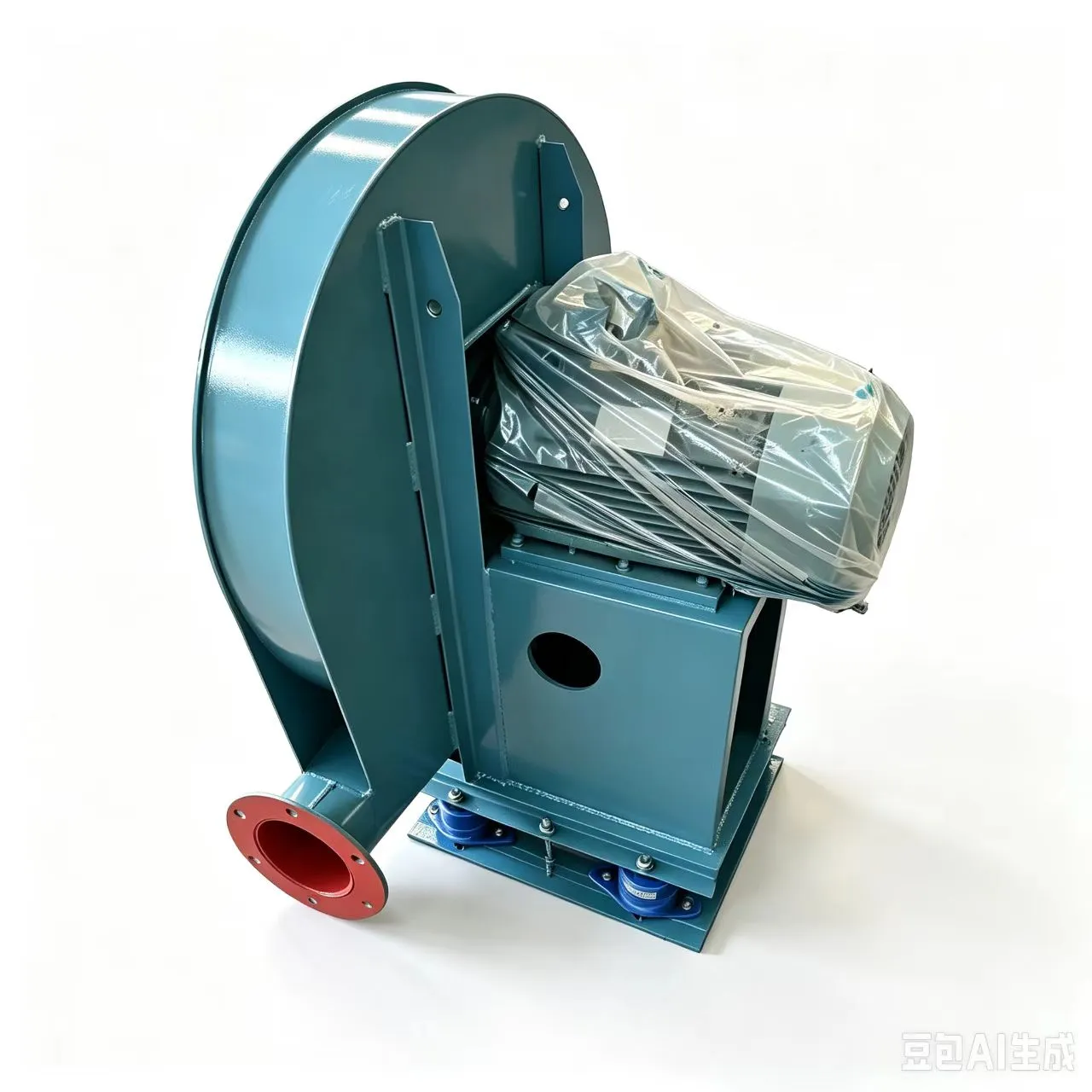
A fanatik desulfurizasyon is a specialized industrial ventilation unit engineered to operate within flue gas desulfurization (FGD) systems. These fans are critical for maintaining negative or positive pressure in scrubbers, ensuring efficient removal of sulfur dioxide (SO₂) from exhaust gases. Designed to withstand highly corrosive, high-temperature, and abrasive environments, a reliable desulfurization fan combines robust material construction—such as stainless steel or FRP—with precise aerodynamic performance. Selecting the right manufacturer ensures compliance with environmental regulations while minimizing operational downtime and maintenance costs.
What Is a Desulfurization Fan and Why Is It Critical?
In heavy industries like power generation, metallurgy, and chemical processing, burning fossil fuels releases sulfur dioxide, a primary contributor to acid rain and air pollution. To mitigate this, facilities install Flue Gas Desulfurization (FGD) systems. The fanatik desulfurizasyon acts as the heart of this system, providing the necessary pressure head to move flue gas through various treatment stages, including absorbers, mist eliminators, and heat exchangers.
Unlike standard industrial fans, desulfurization fans face extreme operating conditions. The gas stream often contains moisture, acidic compounds, and particulate matter. Consequently, these fans must be constructed from corrosion-resistant materials and designed for high reliability. A failure in the desulfurization fan can lead to immediate plant shutdowns, regulatory fines, and significant environmental hazards.
Key Functions in FGD Systems
- Pressure Maintenance: Overcoming resistance in ductwork and scrubber towers to ensure consistent gas flow.
- Corrosion Resistance: Withstanding acidic condensates formed during the cooling and cleaning of flue gas.
- Temperature Handling: Operating efficiently across varying temperature ranges, from raw hot gas to cooled, treated exhaust.
- Energy Efficiency: Minimizing power consumption while delivering required airflow volumes (CFM) and static pressure.
Technical Challenges in Desulfurization Environments
Designing a fan for desulfurization applications requires deep engineering expertise. The environment inside an FGD system is one of the most aggressive in industrial processing. Engineers must account for multiple degradation factors simultaneously.
Corrosion and Material Degradation
The primary challenge is chemical corrosion. Flue gas contains sulfur trioxide (SO₃), which reacts with water vapor to form sulfuric acid mist. This acid condenses on fan blades and housings, leading to rapid material thinning and structural failure if incorrect materials are used. Common materials include:
- Stainless Steel (316L/2205): Offers excellent resistance to chloride and acidic environments.
- Fiber Reinforced Plastic (FRP): Lightweight and highly resistant to chemical attack, ideal for lower temperature zones.
- Nickel Alloys (C-276): Used in extreme conditions where standard stainless steel fails.
- Rubber-Lined Steel: Provides a protective barrier against abrasion and corrosion.
Abrasion and Particulate Impact
Even after preliminary dust removal, flue gas contains fine particulate matter. At high velocities, these particles erode fan blades, particularly at the leading edges. This erosion alters the aerodynamic profile of the blades, reducing efficiency and causing imbalance. High-quality desulfurization fans feature reinforced leading edges or specialized coatings to mitigate wear.
Thermal Stress and Vibration
Temperature fluctuations cause thermal expansion and contraction. If the fan housing and rotor are not designed with adequate clearance and thermal compensation, this can lead to rubbing, vibration, and bearing failure. Precision manufacturing and dynamic balancing are essential to ensure smooth operation under thermal load.
Zibo Hongcheng Fans: Engineering Expertise in Corrosion-Resistant Solutions
When selecting a partner for critical ventilation infrastructure, manufacturing capability and industry experience are paramount. Zibo Hongcheng Fans, located within the Zibo Blower Industrial Park in Shandong Province, China, represents a convergence of modern manufacturing precision and deep industry heritage. Established in 2020 by founders with over 20 years of experience in the blower industry, the company has rapidly become a trusted name in specialized industrial ventilation.
Spanning 9,000 square meters, Zibo Hongcheng Fans employs a dedicated team of over 30 skilled staff members. The facility is equipped with comprehensive supporting equipment and complete production processes, ensuring that every fanatik desulfurizasyon meets rigorous national and international standards. The company’s product portfolio includes more than 50 series and over 600 specifications, with a strong focus on centrifugal ventilators, stainless steel fans, and corrosion-resistant models tailored for harsh environments.
Customized Production for Specific Industrial Needs
One of the distinct advantages of working with Zibo Hongcheng Fans is the ability to customize solutions. Recognizing that no two desulfurization projects are identical, the company offers customized production based on specific customer parameters. Whether the requirement involves high-temperature resistance for boiler outlets or enhanced corrosion protection for chemical plant scrubbers, their engineering team adjusts material selection, blade geometry, and motor specifications to meet personalized demands.
The company’s sound quality management system ensures that all technical indicators are strictly controlled. From raw material inspection to final dynamic balancing tests, every step is monitored to guarantee reliability. This commitment to quality makes their products suitable for diverse sectors, including mines, coal mines, oil fields, chemical plants, kilns, metallurgy, and building materials.
How to Choose the Right Desulfurization Fan Manufacturer
Selecting the right manufacturer is as critical as selecting the right fan model. The market is flooded with generic suppliers, but few possess the specialized expertise required for FGD applications. Here are the key criteria to evaluate potential partners.
1. Material Science Capability
Ask potential manufacturers about their material sourcing and fabrication techniques. A competent manufacturer should provide detailed data on the corrosion resistance of their proposed materials (e.g., SS316L, Duplex Steel, or FRP). They should also demonstrate expertise in welding techniques that preserve the integrity of corrosion-resistant alloys.
2. Aerodynamic Design Proficiency
Efficiency translates directly to operational cost savings. Look for manufacturers who use advanced computational fluid dynamics (CFD) simulations to optimize blade design. This ensures that the fan delivers the required airflow with minimal energy consumption. Zibo Hongcheng Fans, for instance, leverages its founders’ two decades of experience to refine aerodynamic profiles for maximum efficiency.
3. Customization Flexibility
Standard off-the-shelf fans rarely fit perfectly into complex FGD systems. The manufacturer must offer flexibility in inlet/outlet configurations, mounting styles, and drive arrangements. The ability to produce over 600 specifications, as seen with Zibo Hongcheng Fans, indicates a high level of manufacturing adaptability.
4. Quality Assurance and Testing
Verify the manufacturer’s testing protocols. Do they perform vibration analysis? Do they conduct balance tests? Are their products certified against national standards? A transparent quality management system is a hallmark of a trustworthy supplier.
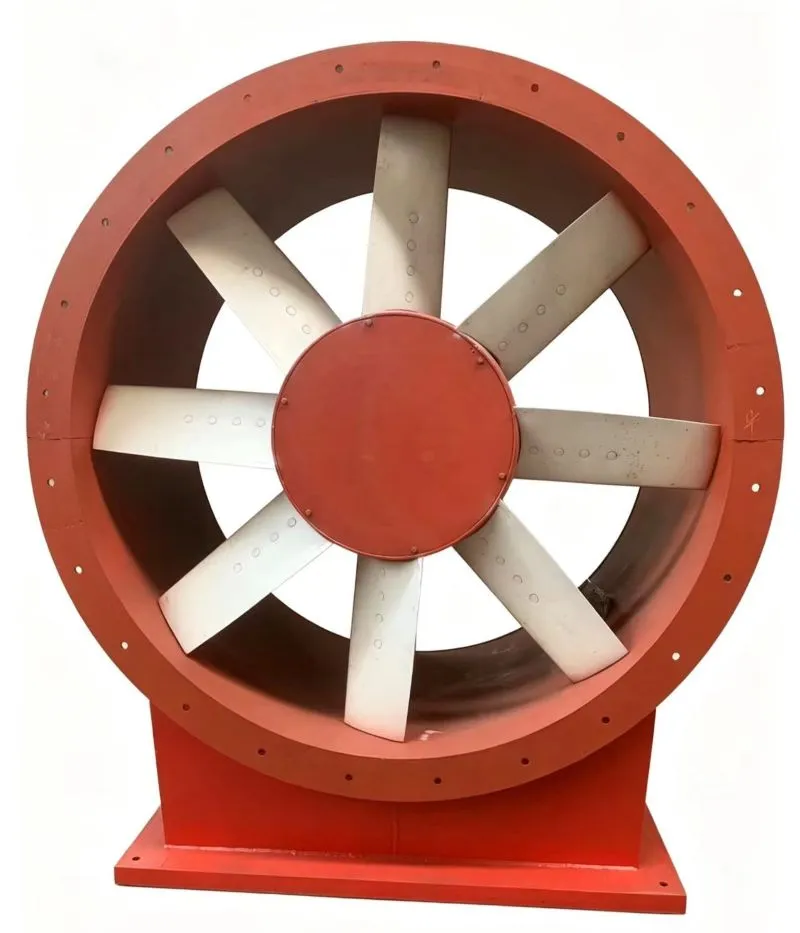
Comparison: Centrifugal vs. Axial Desulfurization Fans
Understanding the difference between fan types is essential for proper system design. While both serve the purpose of moving gas, their application scenarios differ significantly.
| Feature | Centrifugal Desulfurization Fan | Axial Desulfurization Fan |
| Pressure Capability | High static pressure; ideal for systems with high resistance (scrubbers, filters). | Low to medium pressure; suitable for low-resistance ductwork. |
| Flow Volume | Moderate to high volume. | Very high volume at lower pressures. |
| Corrosion Handling | Excellent; housing can be fully lined or constructed from exotic alloys. | Good, but blade coating integrity is critical due to high speed. |
| Space Requirement | Larger footprint; requires more installation space. | Compact; inline installation saves space. |
| Typical Application | Boiler FGD systems, chemical scrubbers, metallurgy off-gas. | Cooling towers, large-volume ventilation, low-pressure exhaust. |
| Maintenance | Easier access to bearings and impeller; robust construction. | Harder to access internal components; sensitive to imbalance. |
For most heavy industrial desulfurization applications, fanatik santrifujeur are preferred due to their ability to handle higher static pressures generated by wet scrubbers and packing materials. Zibo Hongcheng Fans specializes in these robust centrifugal designs, ensuring they can push gas through dense mist eliminators without stalling.
Common Mistakes in Desulfurization Fan Selection
Even experienced engineers can overlook critical details when specifying fans for FGD systems. Avoiding these common pitfalls can save significant time and money.
Ignoring Dew Point Corrosion
Many failures occur not in the hot gas section but in areas where the gas cools below the acid dew point. If the fan is located downstream of a heat exchanger, the material must be rated for wet, acidic conditions, not just high temperatures. Using standard carbon steel in these zones leads to rapid catastrophic failure.
Undersizing the Motor
Flue gas density varies with temperature and composition. If the fan is sized only for clean air conditions, the motor may overload when handling denser, cooler flue gas. Always apply appropriate safety factors to motor power ratings.
Neglecting Inlet Conditions
Turbulent airflow at the fan inlet reduces efficiency and increases noise. Poor duct design leading into the fan can cause uneven loading on the impeller. Manufacturers like Zibo Hongcheng Fans often provide guidance on inlet duct geometry to ensure smooth airflow entry.
Maintenance Best Practices for Longevity
To maximize the lifespan of a desulfurization fan, a proactive maintenance strategy is essential. Given the harsh operating environment, regular inspections are non-negotiable.
- Vibration Monitoring: Install continuous vibration sensors. A sudden increase in vibration often indicates blade erosion, buildup, or bearing wear.
- Blade Inspection: Schedule regular shutdowns to inspect blades for signs of corrosion pitting or erosion. Early detection allows for repair before catastrophic failure.
- Bearing Lubrication: Use high-temperature, water-resistant grease. Bearings are the most common point of mechanical failure.
- Seal Checks: Ensure shaft seals are intact to prevent gas leakage, which can corrode the motor and surrounding structures.
- Coating Integrity: For FRP or lined fans, check for cracks or delamination in the protective layer. Repair any breaches immediately to expose the substrate to corrosive gases.
Frequently Asked Questions (FAQ)
What is the typical lifespan of a desulfurization fan?
With proper material selection and maintenance, a high-quality desulfurization fan can last 10 to 15 years. However, this depends heavily on the severity of the corrosive environment and the consistency of maintenance practices. Fans made from superior alloys like Duplex Stainless Steel tend to have longer service lives in aggressive chemical environments.
Can existing fans be retrofitted for desulfurization service?
Retrofitting is possible but often risky. Applying coatings to standard fans may provide temporary protection, but the base material may not withstand thermal stresses or structural loads in corrosive conditions. It is generally more cost-effective in the long run to replace standard fans with purpose-built corrosion-resistant units from manufacturers like Zibo Hongcheng Fans.
How does temperature affect fan performance?
Temperature affects gas density. As temperature increases, gas density decreases, requiring less power to move the same volume. However, high temperatures can weaken materials and affect bearing lubrication. Fan curves must be corrected for operating temperature to ensure the motor is not overloaded during startup or low-temperature conditions.
Why choose a manufacturer with 20+ years of experience?
Experience translates to nuanced understanding of failure modes. Founders with 20 years in the industry, such as those at Zibo Hongcheng Fans, have likely encountered and solved a wide variety of real-world problems. This historical knowledge informs better design choices, material selections, and troubleshooting support, reducing the risk of project delays.
What industries primarily use desulfurization fans?
Primary users include coal-fired power plants, steel mills, non-ferrous metal smelters, chemical processing plants, and waste incineration facilities. Any industry that burns sulfur-containing fuels or processes sulfur-rich ores requires effective desulfurization systems.
Conclusion: Securing Reliable Ventilation for Compliance and Efficiency
The selection of a fanatik desulfurizasyon is a strategic decision that impacts environmental compliance, operational efficiency, and long-term maintenance costs. In an era of strict environmental regulations, relying on substandard equipment is not an option. Industries require partners who understand the intricate balance between aerodynamic performance and material durability.
Zibo Hongcheng Fans stands out as a capable partner in this domain. With a foundation built on 20 years of industry experience, a 9,000-square-meter modern facility, and a commitment to customized, high-quality production, they offer solutions that meet the rigorous demands of mining, chemical, metallurgical, and power generation sectors. Their extensive range of over 600 models ensures that whether you need a standard centrifugal ventilator or a highly specialized corrosion-resistant unit, there is a precise fit for your application.
Investing in a properly engineered desulfurization fan minimizes downtime and ensures consistent adherence to emission standards. For project managers and engineers seeking reliable, custom-engineered ventilation solutions, partnering with an experienced manufacturer is the first step toward operational excellence.
Ready to optimize your FGD system? Contact our engineering team to discuss your specific airflow, pressure, and corrosion requirements. Let us help you select the perfect fan model for your industrial application.
Explore Our Full Range of Industrial Fans and Technical Solutions