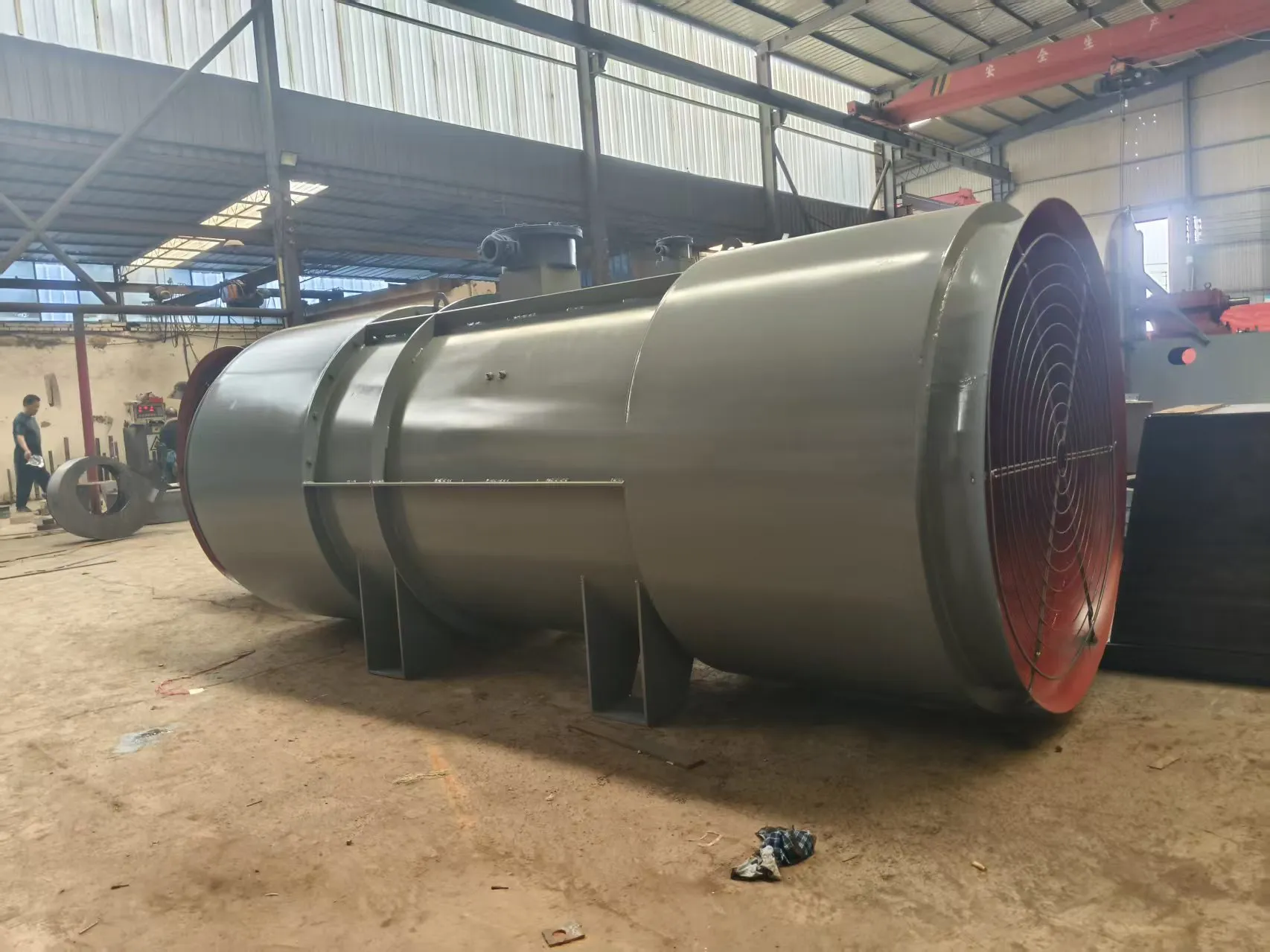
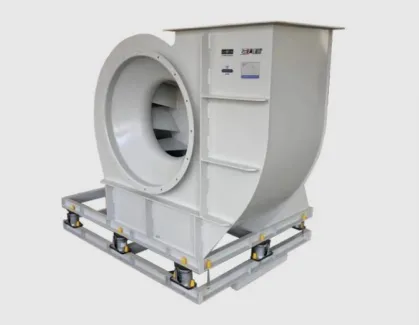
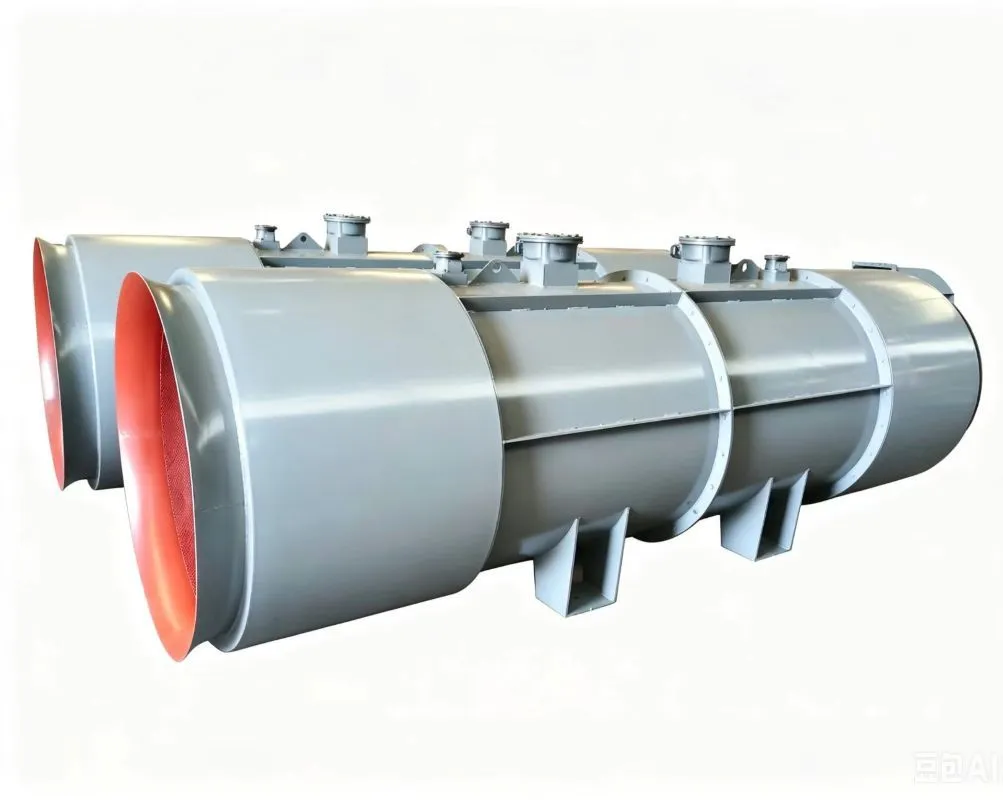
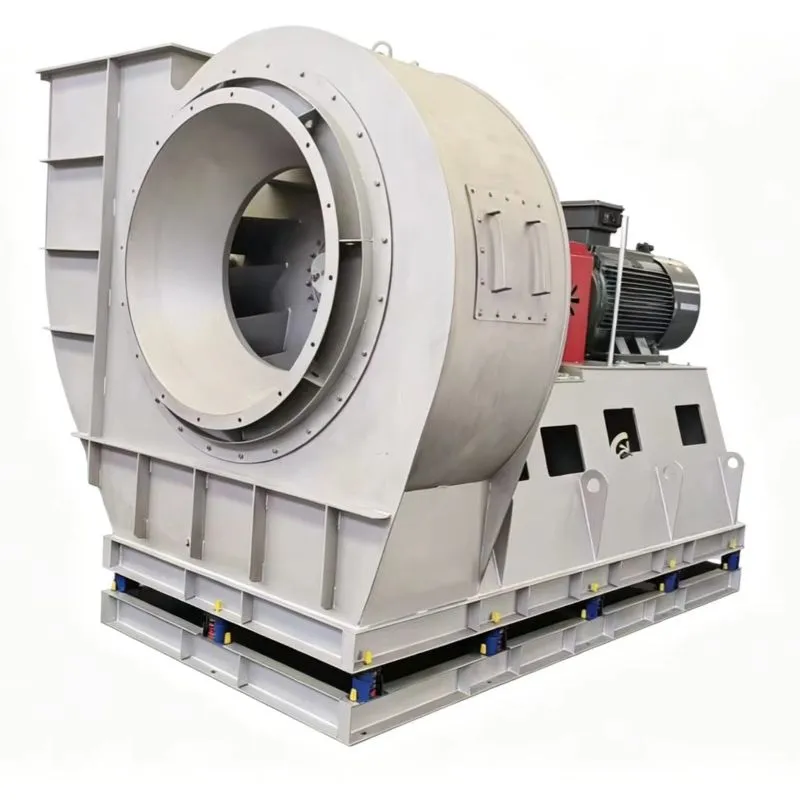
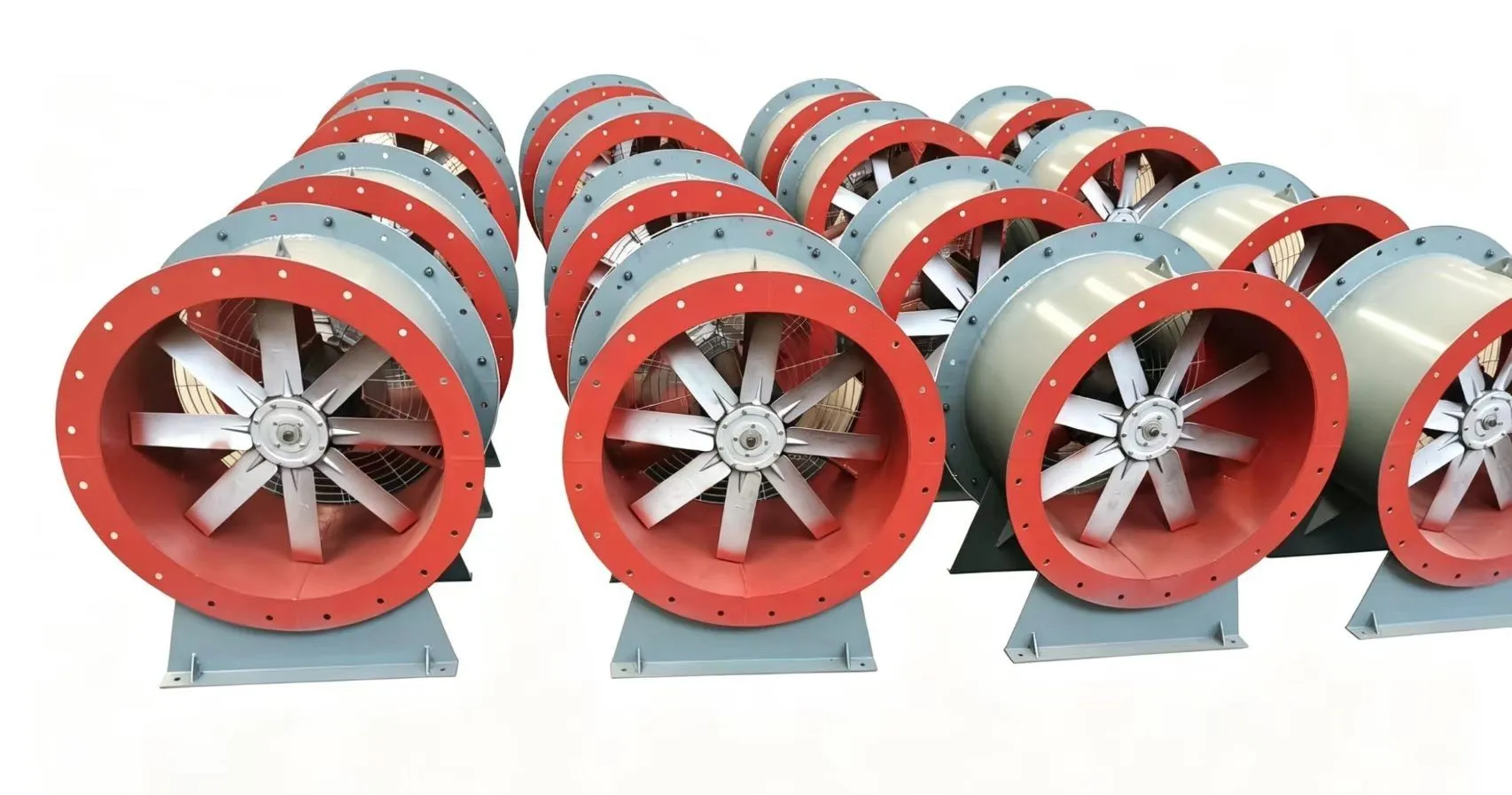
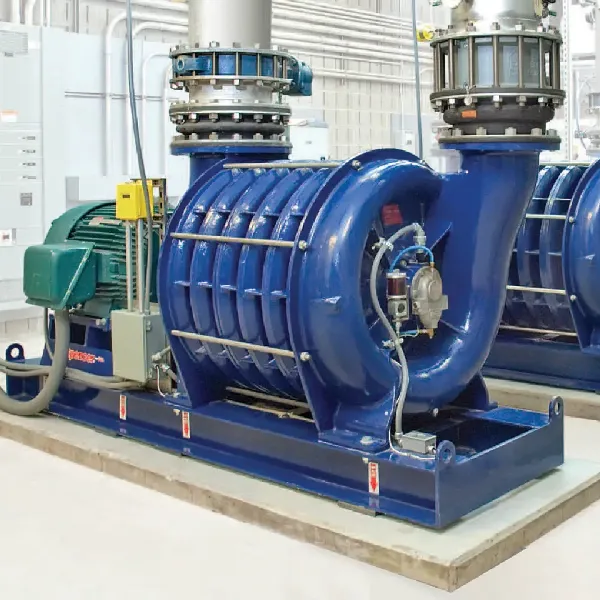
Finding a reliable coal mine dust removal fan supplier offering factory direct prices is critical for ensuring underground safety and operational efficiency. These specialized fans are engineered to extract hazardous particulate matter, preventing explosive atmospheres and protecting worker health. By sourcing directly from the manufacturer, mining operations eliminate intermediary markups while securing customized engineering support, rigorous quality assurance, and long-term maintenance partnerships tailored to the harsh realities of coal extraction environments.
What Is a Coal Mine Dust Removal Fan?
A chabon min pousyè retire fanatik is a heavy-duty industrial ventilation system specifically designed to capture, transport, and filter airborne coal dust generated during drilling, cutting, and crushing operations. Unlike standard commercial fans, these units operate under extreme conditions characterized by high humidity, abrasive particles, and potentially explosive gas mixtures.
The primary function extends beyond simple air movement. These systems create negative pressure zones at dust generation points, capturing particulates before they disperse into the main airflow. This proactive containment is essential for complying with strict occupational health regulations and preventing coal dust explosions, which remain a leading safety concern in the mining industry.
Modern designs integrate high-efficiency impellers with robust motor housings that meet intrinsic safety standards. The engineering focus balances high static pressure capabilities with energy efficiency, ensuring continuous operation even when ductwork resistance increases due to dust accumulation. Understanding this definition is the first step in selecting the right equipment for your specific geological and operational needs.
Core Operating Principles in Harsh Environments
The effectiveness of a dust removal fan relies on aerodynamic precision and material durability. When coal is extracted, fine particles become suspended in the air. If left unchecked, these particles pose respiratory risks and explosion hazards. The fan generates a controlled airflow velocity that exceeds the settling speed of the dust particles, entraining them into the filtration system.
- Capture Velocity: The fan must generate sufficient suction at the hood or intake point to overcome ambient air currents and pull dust into the ducting.
- Transport Velocity: Once inside the duct, the airflow must maintain a minimum speed to prevent dust from settling and clogging the system.
- Filtration Integration: The fan works in tandem with bag filters or electrostatic precipitators to separate dust from the air before discharge.
In coal mining, the presence of methane gas adds another layer of complexity. Fans must be constructed with non-sparking materials and often require explosion-proof motors. The design ensures that even in the event of an internal spark or external ignition source, the fan housing contains the blast, protecting the broader mine infrastructure.
Why Choose Factory Direct Pricing for Mining Ventilation?
Sourcing a chabon min pousyè retire fanatik directly from the manufacturer offers significant strategic advantages over purchasing through distributors or third-party agents. The most immediate benefit is cost reduction. By eliminating middlemen, mining companies avoid cumulative markups that can inflate project budgets by 20% to 40%.
Beyond financial savings, factory-direct engagement facilitates deeper technical collaboration. Manufacturers possess intimate knowledge of their production processes and material specifications. This allows for real-time customization of fan dimensions, motor ratings, and material coatings to suit specific mine shaft geometries and dust characteristics.
Furthermore, direct relationships streamline the supply chain for spare parts and emergency repairs. In the event of a component failure, communication lines are shorter, reducing downtime. Manufacturers can also provide detailed documentation on fabrication methods and quality control tests, enhancing the transparency and trustworthiness of the procurement process.
Cost Efficiency Without Compromising Quality
A common misconception is that lower prices equate to inferior quality. However, factory-direct pricing reflects the removal of distribution layers, not a reduction in manufacturing standards. Reputable manufacturers maintain rigorous ISO certifications and adhere to international mining safety codes regardless of the sales channel.
Direct purchasing often includes value-added services such as on-site installation guidance, commissioning support, and operator training. These services, which might be billed separately by distributors, are frequently bundled into the factory price to ensure the equipment performs optimally from day one. This holistic approach reduces the total cost of ownership over the equipment’s lifecycle.
Long-term maintenance contracts are also more flexible when negotiated directly. Manufacturers can offer predictive maintenance schedules based on actual usage data rather than generic timelines. This proactive approach prevents unexpected failures and extends the operational life of the fan, delivering sustained value far beyond the initial purchase price.
Key Technical Features of High-Performance Dust Fans
Selecting the right chabon min pousyè retire fanatik requires a deep understanding of its technical specifications. High-performance units are distinguished by their ability to maintain consistent airflow despite varying system resistances. The core components include the impeller design, motor protection class, and structural integrity.
The impeller is the heart of the fan. In coal mining applications, backward-curved or airfoil blades are preferred for their high efficiency and self-cleaning properties. These designs minimize dust buildup on the blades, which can cause imbalance and vibration. Materials such as high-strength manganese steel or specialized wear-resistant alloys are commonly used to withstand the abrasive nature of coal dust.
Motor selection is equally critical. Motors must typically meet IP55 or higher ingress protection ratings to prevent dust and water intrusion. For underground applications, explosion-proof certification (such as ATEX or IECEx) is mandatory. Variable Frequency Drives (VFDs) are increasingly integrated to allow precise control of fan speed, optimizing energy consumption based on real-time dust levels.
Material Durability and Wear Resistance
Coal dust is highly abrasive, capable of eroding standard steel components rapidly. To combat this, leading manufacturers apply advanced surface treatments. Hardfacing welds on blade leading edges and ceramic linings in high-wear areas significantly extend component life. These enhancements ensure the fan maintains its aerodynamic profile and balance over thousands of operating hours.
The fan housing is constructed from thick-gauge steel plates, reinforced with internal bracing to withstand negative pressure without deformation. Welds are inspected using non-destructive testing methods to ensure there are no weak points that could lead to structural failure. Corrosion-resistant coatings are applied to protect against the acidic conditions often found in mine water and humid air.
- Wear-Resistant Alloys: Used for impellers to resist erosion from high-velocity particulate matter.
- Anti-Corrosion Coatings: Epoxy or zinc-rich paints protect the housing from moisture and chemical exposure.
- Reinforced Structures: Heavy-duty frames prevent vibration-induced fatigue and ensure stability during operation.
Regular inspection protocols focus on these high-wear areas. By monitoring thickness reduction and surface condition, maintenance teams can schedule replacements before catastrophic failure occurs. This attention to material science is what separates premium industrial fans from generic ventilation equipment.
Comparative Analysis: Standard vs. Specialized Mining Fans
Not all industrial fans are suitable for coal mining. A clear distinction exists between standard general-purpose fans and those engineered specifically for dust removal in hazardous mining environments. Understanding these differences is vital for making an informed procurement decision that prioritizes safety and longevity.
Standard fans are typically designed for clean air applications with moderate temperatures and low particulate loads. They often lack the robust sealing, specialized materials, and explosion-proof features required in coal mines. Using a standard fan in a mining environment can lead to rapid degradation, safety violations, and increased risk of accidents.
Specialized coal mine dust removal fans are built to handle the unique challenges of the sector. They feature enhanced sealing to prevent dust ingress into bearings, spark-resistant construction, and motors rated for hazardous locations. The following table highlights the key differences between these two categories.
| Feature | Standard Industrial Fan | Specialized Coal Mine Dust Fan |
| Impeller Material | Standard Carbon Steel | Wear-Resistant Alloy / Manganese Steel |
| Motor Protection | IP44 / General Purpose | IP55+ / Explosion-Proof (ATEX/IECEx) |
| Dust Handling | Low Particulate Tolerance | High Concentration Abrasive Dust |
| Sealing Mechanism | Basic Labyrinth Seals | Multi-Stage Mechanical Seals with Purge |
| Structural Design | Lightweight Frame | Reinforced Heavy-Duty Housing |
| Maintenance Cycle | Shorter in Harsh Conditions | Extended Life with Predictive Maintenance |
Operational Risks of Using Incorrect Equipment
Deploying standard fans in coal mining operations introduces severe operational risks. The abrasive nature of coal dust can quickly erode standard impellers, leading to imbalance. This imbalance causes excessive vibration, which can damage bearings, loosen structural bolts, and eventually lead to mechanical seizure or catastrophic failure.
More critically, standard motors may not be rated for explosive atmospheres. In the presence of methane or suspended coal dust clouds, a simple electrical arc or overheated surface on a non-certified motor can trigger an explosion. Regulatory bodies strictly prohibit the use of non-compliant equipment in underground mines, and violations can result in hefty fines and operational shutdowns.
Efficiency losses are another hidden cost. Standard fans are not optimized for the high static pressure created by dust-laden ductwork and filters. They may struggle to move the required volume of air, leading to poor ventilation and inadequate dust suppression. This inefficiency forces the system to work harder, consuming more energy while delivering subpar performance.
Step-by-Step Guide to Selecting the Right Fan
Choosing the correct chabon min pousyè retire fanatik is a systematic process that requires careful analysis of site-specific conditions. Rushing this selection can lead to undersized equipment that fails to meet safety standards or oversized units that waste energy. Following a structured approach ensures optimal performance and compliance.
The process begins with a comprehensive site audit. Engineers must assess the layout of the mining face, the type of coal being extracted, and the expected dust generation rates. This data forms the foundation for calculating the required airflow volume and static pressure. Without accurate inputs, even the best-designed fan will underperform.
Next, consider the environmental constraints. Will the fan operate underground or on the surface? What are the temperature and humidity ranges? Are there specific gas hazards present? These factors dictate the necessary motor certifications, material choices, and protective coatings. Engaging with a factory engineer at this stage can provide valuable insights into customizing the solution.
Calculation and Specification Workflow
Once the site data is collected, the technical specifications can be finalized. This involves determining the fan curve that matches the system resistance curve. The intersection of these curves defines the operating point, which should ideally fall within the fan’s peak efficiency range.
- Step 1: Determine Airflow Requirements: Calculate the cubic meters per minute (m³/min) needed to dilute dust concentrations below regulatory limits.
- Step 2: Calculate System Resistance: Sum the pressure losses from ducts, bends, filters, and hoods to establish the total static pressure requirement.
- Step 3: Select Impeller Type: Choose between backward-curved, radial, or forward-curved blades based on efficiency and dust loading characteristics.
- Step 4: Verify Motor Ratings: Ensure the motor power and protection class match the operational environment and starting torque requirements.
- Step 5: Review Safety Certifications: Confirm that the entire assembly meets local and international mining safety standards.
After selecting the model, request a detailed performance curve from the manufacturer. This graph illustrates how the fan behaves across different operating points. It is crucial to verify that the fan remains stable and does not enter a surge region under varying load conditions. Finally, discuss delivery timelines and installation support to ensure a smooth deployment.
Partnering with Experienced Manufacturers: The Zibo Hongcheng Fans Advantage
When seeking a partner that embodies the principles of factory-direct quality and specialized mining expertise, Zibo Hongcheng Fans stands out as a premier choice. Located within the Zibo Blower Industrial Park in Shandong Province, China, the company operates a 9,000-square-meter facility dedicated to the production of high-performance ventilation solutions. Although established in 2020, the company is built on a foundation of deep industry knowledge, founded by experts with over 20 years of experience in the blower sector.
Zibo Hongcheng Fans specializes in the exact types of equipment required for safe coal mining operations. Their extensive portfolio includes more than 50 series and over 600 specifications, with a primary focus on mining axial flow fans, centrifugal ventilators, and corrosion-resistant models designed to withstand harsh underground environments. Whether the need is for standard ventilation or highly customized units to address specific geological challenges, their team leverages comprehensive production processes and a sound quality management system to deliver products that strictly meet national and international technical standards.
The company’s commitment to customization aligns perfectly with the needs of modern mining projects. From oil fields and chemical plants to metallurgy and building materials, their fans are engineered to handle diverse industrial demands. By choosing a supplier like Zibo Hongcheng Fans, operators gain access to a partner capable of tailoring every aspect of the fan—from material selection to motor configuration—ensuring optimal performance and longevity in the most demanding conditions.
Common Applications in Coal Mining Operations
The versatility of modern coal mine dust removal fans allows them to be deployed across various stages of the mining lifecycle. From initial excavation to processing and transportation, each phase generates distinct dust challenges that require targeted ventilation solutions.
In underground longwall mining, dust generation is intense at the shearer and conveyor transfer points. Localized exhaust ventilation systems powered by high-pressure fans capture dust at the source before it spreads into the intake airways. These systems are critical for maintaining visibility and breathable air for miners working near the face.
Surface operations, such as coal preparation plants and stockpiles, also rely heavily on dust removal fans. Here, the focus is often on large-volume, low-pressure systems that cover broad areas. Enclosed conveyor galleries and crusher houses utilize dedicated extraction units to prevent dust from escaping into the surrounding environment, addressing both worker safety and community environmental concerns.
Tailored Solutions for Different Mining Stages
Different mining activities demand specific fan configurations. For drilling and blasting operations, portable or skid-mounted fans are often used to clear dust and fumes quickly after a blast. These units prioritize mobility and high starting torque to overcome initial resistance.
In continuous mining scenarios, fixed installation fans with variable speed drives offer the flexibility to adjust airflow based on production rates. During maintenance shutdowns, these fans can be slowed down to save energy, then ramped up instantly when operations resume. This adaptability is key to managing operational costs effectively.
Transportation systems, including belt conveyors and rail loaders, generate dust primarily at transfer points where coal drops from one level to another. Hooded extraction systems connected to robust centrifugal fans capture this fugitive dust. The design of these hoods is as important as the fan itself, ensuring that the capture velocity is sufficient to contain the dust cloud generated by the falling material.
Maintenance Strategies for Long-Term Reliability
Even the highest quality chabon min pousyè retire fanatik requires a disciplined maintenance regimen to ensure long-term reliability. In the harsh environment of a coal mine, neglect can lead to rapid deterioration. A proactive maintenance strategy minimizes unplanned downtime and extends the asset’s useful life.
Routine inspections should focus on vibration analysis, bearing temperature monitoring, and visual checks for wear. Vibration signatures can reveal early signs of imbalance, misalignment, or bearing defects. Addressing these issues promptly prevents secondary damage to the shaft and housing.
Lubrication is another critical aspect. Bearings must be lubricated with the correct grade of grease at specified intervals. Over-lubrication can be just as damaging as under-lubrication, causing heat buildup and seal failure. Automated lubrication systems can help maintain optimal levels without manual intervention.
Predictive vs. Preventive Maintenance Approaches
Traditional preventive maintenance relies on fixed schedules, regardless of the equipment’s actual condition. While better than reactive repairs, this approach can sometimes lead to unnecessary maintenance tasks or miss developing faults between intervals. Predictive maintenance, enabled by sensor technology, offers a more efficient alternative.
By installing sensors to monitor vibration, temperature, and motor current, operators can track the real-time health of the fan. Data analytics tools interpret this information to predict when a component is likely to fail. This allows maintenance teams to schedule interventions precisely when needed, maximizing uptime and reducing spare parts inventory costs.
- Vibration Monitoring: Detects imbalance, misalignment, and looseness in rotating components.
- Thermal Imaging: Identifies overheating bearings or electrical connections before they fail.
- Oil Analysis: Checks for contaminants and metal particles in lubricants to assess internal wear.
Implementing a hybrid approach often yields the best results. Routine visual inspections and lubrication follow a preventive schedule, while critical components are monitored predictively. This combination ensures comprehensive coverage while optimizing resource allocation. Factory suppliers often provide remote diagnostic support, analyzing data trends to offer expert recommendations.
Frequently Asked Questions (FAQ)
Prospective buyers often have specific questions regarding the procurement and operation of coal mine dust removal fans. Addressing these common inquiries helps clarify expectations and facilitates smoother decision-making processes for mining engineers and procurement officers.
What is the typical lead time for a custom-made mining fan?
Lead times vary depending on the complexity of customization and current production schedules. Generally, standard models can be shipped within a few weeks, while highly customized units with special materials or certifications may take several months. Factory direct communication allows for accurate timeline estimation based on your specific project needs.
Can these fans handle explosive coal dust environments?
Yes, specialized models are designed and certified for explosive atmospheres. They feature explosion-proof motors, non-sparking impellers, and grounded constructions to prevent static discharge. It is essential to specify the hazardous zone classification (e.g., Zone 1 or Zone 2) to ensure the supplied equipment meets the necessary safety standards.
How do factory direct prices compare to distributor costs?
Factory direct pricing typically offers significant savings by removing distributor markups. Additionally, it often includes direct access to engineering support and customized solutions that distributors may not be able to provide. The total cost of ownership is usually lower due to better pricing on spare parts and maintenance services.
What warranties are offered on mining ventilation fans?
Warranty terms depend on the manufacturer and the specific product line. Most reputable factories offer warranties ranging from 12 to 24 months on major components like the motor and impeller. Extended warranty options and service level agreements are often available for purchase to provide long-term peace of mind.
Is installation support included with the purchase?
Many manufacturers provide detailed installation manuals, drawings, and remote technical support. For complex projects, on-site supervision by factory engineers can be arranged to ensure proper alignment, wiring, and commissioning. This support is crucial for validating warranty conditions and ensuring optimal startup performance.
Conclusion and Next Steps
Selecting a reliable coal mine dust removal fan supplier offering factory direct prices is a strategic decision that impacts safety, compliance, and operational profitability. The unique demands of coal mining require equipment that combines robust engineering, specialized materials, and rigorous safety certifications. By partnering directly with the manufacturer, mining operations gain access to superior technical expertise, cost-effective solutions, and responsive support services.
This approach is ideal for mining companies looking to upgrade their ventilation systems, expand operations, or replace aging equipment with more efficient models. It is particularly beneficial for projects requiring custom engineering to fit specific geological constraints or stringent regulatory requirements. The combination of high performance and economic efficiency makes factory-direct sourcing the preferred choice for modern mining enterprises.
To move forward, evaluate your current ventilation challenges and define your specific airflow and pressure requirements. Reach out to a qualified manufacturer to discuss your project details. Request a customized proposal that includes performance curves, material specifications, and a clear breakdown of costs. Taking this proactive step ensures you secure a ventilation solution that safeguards your workforce and optimizes your mining operations for the future.