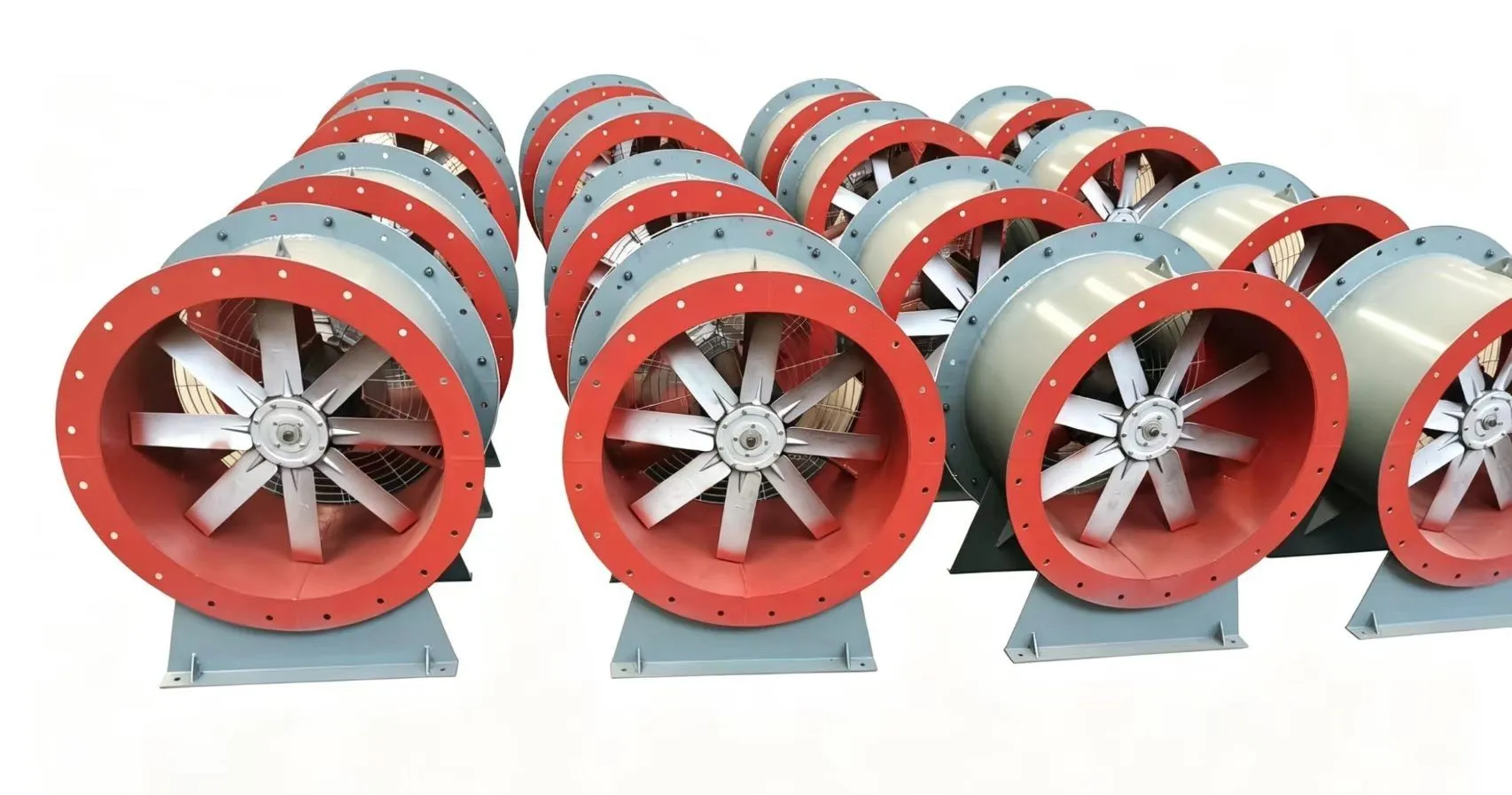
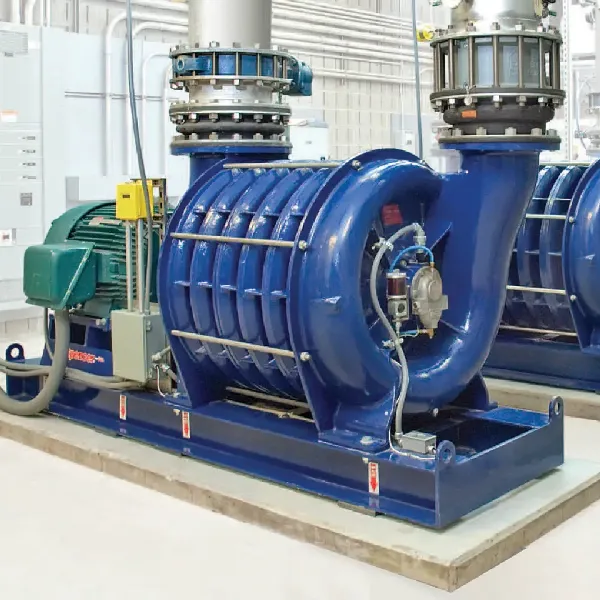
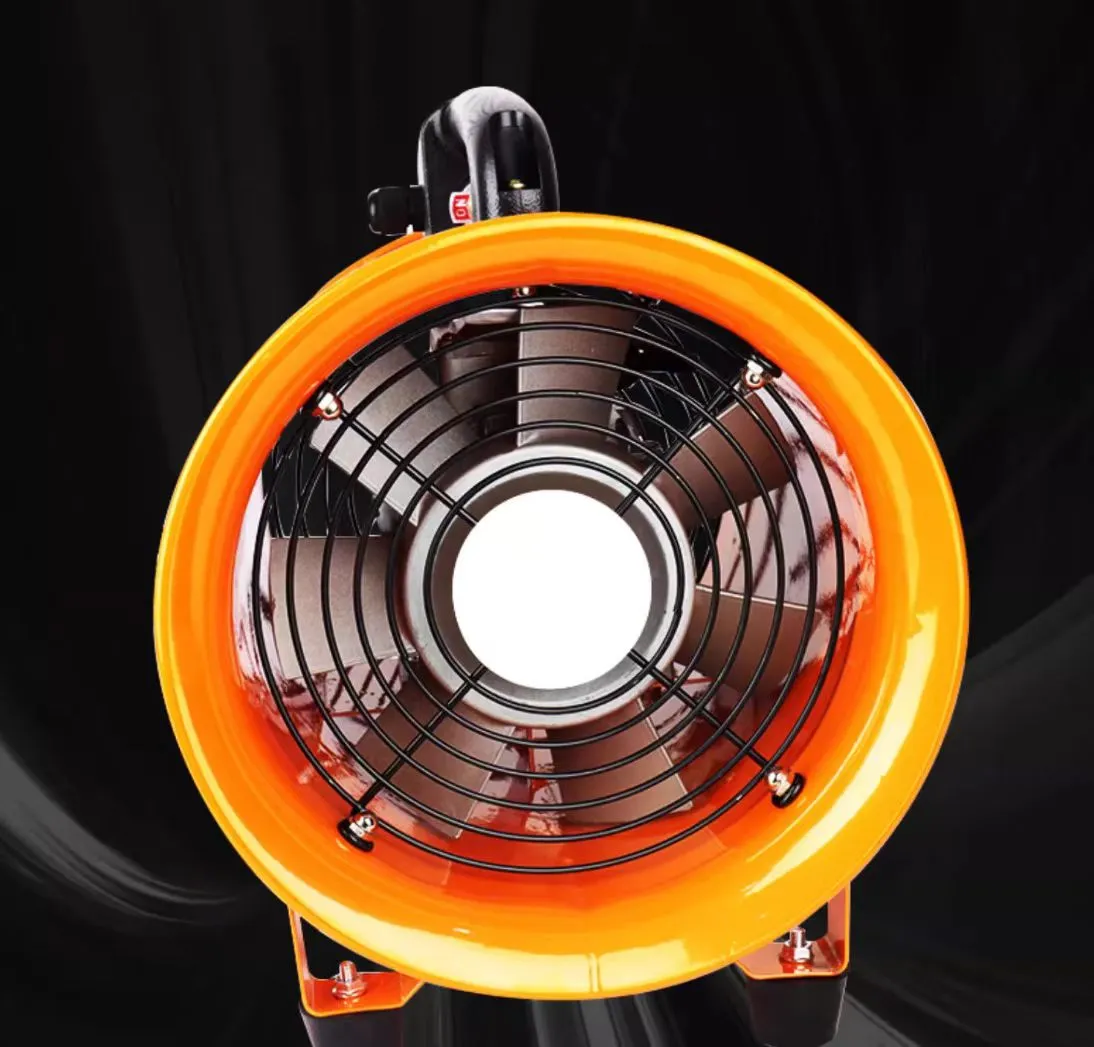
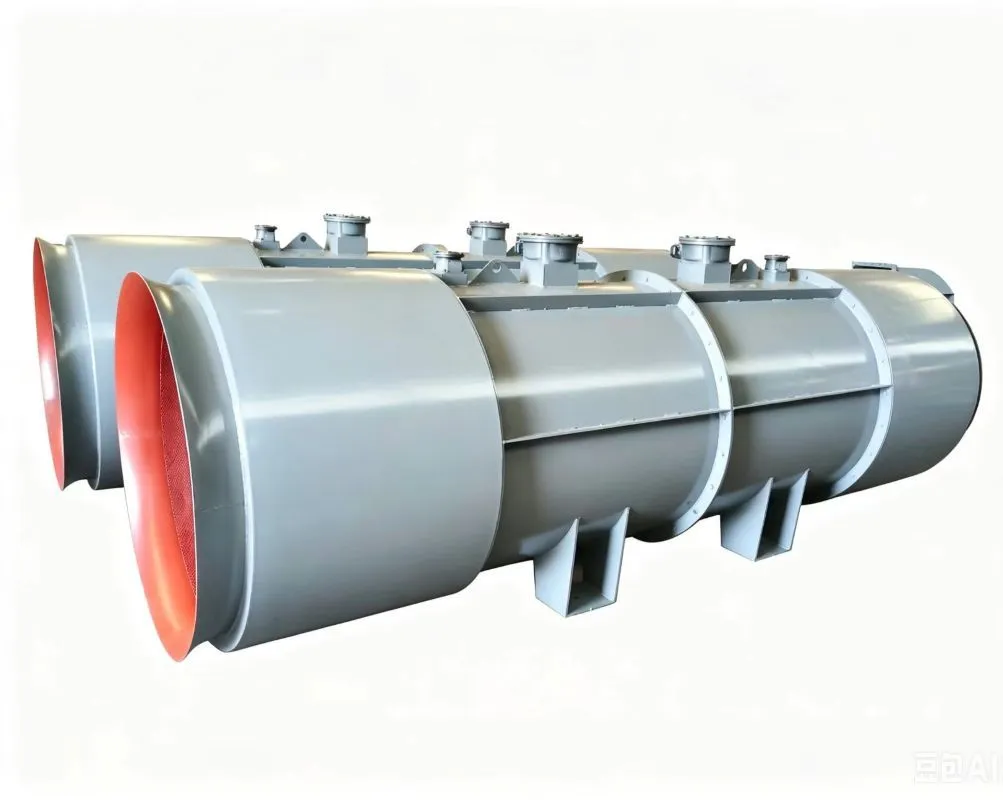
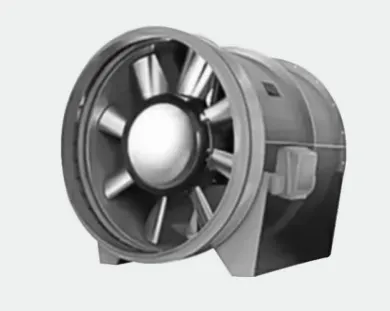
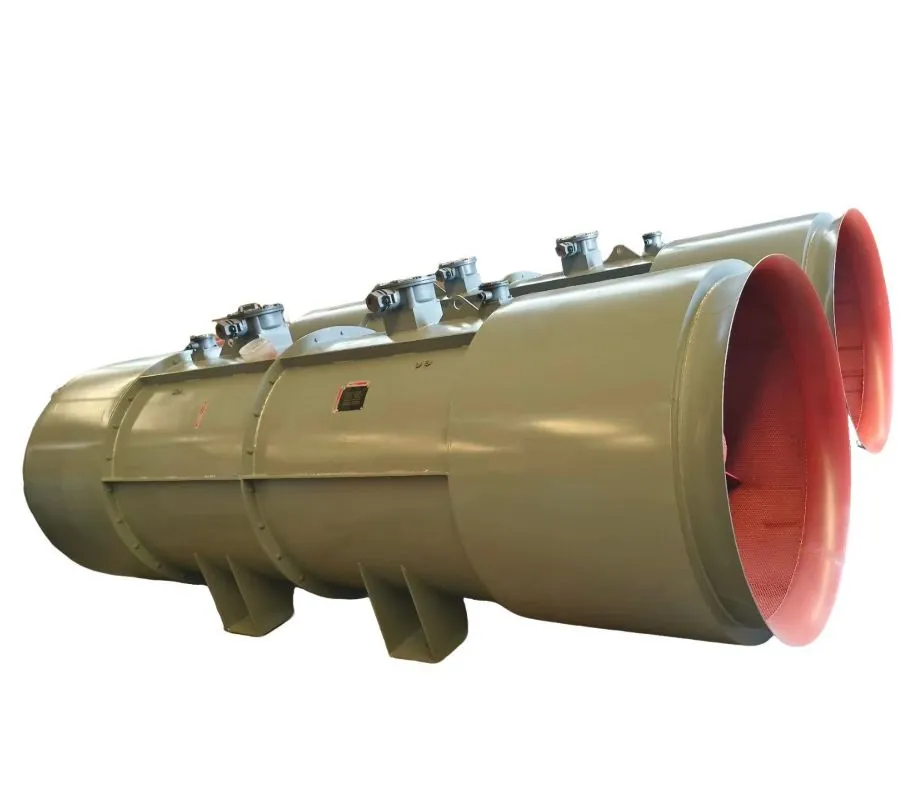
Looking for a reliable subway tunnel fan manufacturer in 2026? Leading factories now offer direct pricing on high-performance jet fans and reversible ventilation systems designed for metro safety. These critical units ensure smoke control, air quality, and emergency evacuation efficiency in underground transit networks. By sourcing directly from specialized manufacturers, project engineers can secure compliant, durable solutions without intermediary markups, ensuring optimal lifecycle value for complex infrastructure projects.
What Defines a High-Performance Subway Tunnel Fan?
A subway tunnel fan is not merely an industrial blower; it is a life-safety device engineered to operate under extreme conditions. In the event of a fire or stagnation, these units must reverse airflow instantly to manage smoke propagation and maintain tenable conditions for evacuation. The core definition revolves around reliability, reversibility, and resistance to high temperatures.
Modern manufacturing standards dictate that these fans withstand continuous operation at elevated temperatures, often exceeding 250°C for two hours or more. The design prioritizes aerodynamic efficiency to move massive volumes of air with minimal energy consumption. This balance between power and efficiency is crucial for the long-term operational costs of metro systems.
The structural integrity of a subway tunnel fan is paramount. Components are fabricated from heavy-duty materials capable of resisting corrosion from tunnel humidity and chemical exposure. Unlike standard commercial fans, these units undergo rigorous testing protocols to certify their performance in emergency scenarios, ensuring they function when human lives depend on them.
Core Technical Principles of Tunnel Ventilation
The operation of tunnel ventilation relies on the jet effect or longitudinal airflow principles. High-velocity air streams generated by the fans induce a bulk flow throughout the tunnel section. This phenomenon allows a relatively small number of units to influence air movement over several kilometers.
Reversibility is a non-negotiable feature. In normal operations, fans push fresh air through the tunnel. During emergencies, they must switch rotation direction within seconds to extract smoke or push it away from evacuation routes. This dual-mode capability requires specialized motor designs and robust control systems.
Thermal resilience is achieved through specific material selections and cooling strategies. Motors are often equipped with thermal protection classes that allow them to run in hot gas streams without failure. The integration of these principles ensures the system meets international safety codes like NFPA 130.
Why Choose Factory Direct Pricing in 2026?
Sourcing a subway tunnel fan directly from the manufacturer offers significant advantages for large-scale infrastructure projects. In 2026, supply chain dynamics favor direct engagement, eliminating distributor margins and reducing lead times. This approach provides greater transparency regarding production schedules and quality control processes.
Direct factory engagement allows for customized engineering solutions. Metro projects often have unique geometric constraints or specific acoustic requirements. Working directly with the engineering team ensures the fan specifications match the exact tunnel profile and ventilation strategy without compromise.
Cost efficiency extends beyond the initial purchase price. Factory-direct relationships often include better terms for spare parts, maintenance training, and long-term service agreements. This holistic view of cost ownership is essential for public sector projects aiming to maximize budget utility over decades of operation.
Cost Efficiency vs. Intermediary Models
When purchasing through intermediaries, project budgets absorb additional layers of markup. These costs do not contribute to the product’s quality but rather to the distribution network. Direct procurement redirects these funds toward higher-grade components or extended warranties.
Communication latency is another hidden cost of using middlemen. Technical clarifications during the bidding or installation phase can be delayed when messages pass through multiple parties. Direct contact ensures rapid resolution of technical queries, keeping construction timelines on track.
Furthermore, factory-direct buyers gain access to the latest R&D innovations. Manufacturers often pilot new energy-saving technologies or smart monitoring features with direct clients first. This early adoption can future-proof the ventilation system against evolving regulatory standards.
Critical Features of Modern Tunnel Jet Fans
Selecting the right subway tunnel fan requires a deep understanding of its critical features. The market in 2026 emphasizes smart integration, noise reduction, and enhanced durability. These features distinguish premium units from basic industrial models.
High-Temperature Resistance is the baseline requirement. Fans must be certified to operate continuously in smoke-laden environments. This involves specialized bearings, windings, and housing materials that retain structural strength under thermal stress.
Acoustic Optimization has become increasingly important as tunnels extend into urban centers. Advanced blade profiles and silencer integrations reduce noise pollution without sacrificing airflow performance. This is vital for maintaining community relations and meeting strict environmental regulations.
Smart Monitoring Capabilities represent the frontier of tunnel safety. Modern fans come equipped with sensors for vibration, temperature, and runtime analysis. These data points feed into central control systems, enabling predictive maintenance and preventing unexpected failures.
Material Durability and Corrosion Protection
The tunnel environment is harsh, characterized by high humidity, particulate matter, and potential chemical contaminants. To combat this, manufacturers utilize galvanized steel, stainless steel alloys, or specialized epoxy coatings. These treatments prevent rust and degradation over the system’s lifespan.
Impeller design also plays a role in durability. Balanced and dynamically tested impellers minimize vibration, which reduces wear on bearings and mounting structures. This attention to mechanical balance ensures stable operation even after years of continuous use.
Sealing mechanisms are critical for protecting electrical components. IP55 or higher ratings are standard, ensuring that dust and water jets cannot penetrate the motor housing. This protection level guarantees reliability in the damp conditions typical of underground transit systems.
Application Scenarios for Subway Ventilation Systems
The deployment of a subway tunnel fan varies based on the specific architectural and operational needs of the metro line. Understanding these scenarios helps engineers specify the correct unit type and configuration for maximum efficacy.
Longitudinal Ventilation Systems are common in single-bore tunnels. Here, jet fans are suspended from the ceiling at regular intervals. They create a piston effect, pushing air along the length of the tunnel to dilute pollutants and manage smoke during emergencies.
Semi-Transverse and Transverse Systems are used in larger, multi-bore tunnels or stations with complex layouts. These setups involve dedicated supply and exhaust ducts. Large reversible fans located in ventilation shafts manage the pressure differentials between the tunnel and the surface.
Station Platform Ventilation requires a different approach. Fans here must handle high passenger loads and train-induced piston effects. The goal is to maintain comfortable temperatures and air quality on platforms while ensuring rapid smoke extraction if an incident occurs on the tracks.
Emergency Smoke Control Strategies
In fire scenarios, the primary goal is life safety. The ventilation system must create a smoke-free layer for passengers to evacuate. This requires precise control over airflow velocity and direction to prevent smoke back-layering.
Strategies often involve creating a “virtual wall” of air that confines smoke to one section of the tunnel. This allows emergency responders to approach the incident from the safe side. The responsiveness of the subway tunnel fan is critical in executing these dynamic strategies.
Integration with fire detection systems is mandatory. Upon detecting heat or smoke, the control logic automatically commands the fans to switch to emergency mode. This automated response eliminates human delay, ensuring immediate action to protect lives.
Comparative Analysis of Fan Configurations
Choosing the appropriate configuration depends on the tunnel geometry and ventilation strategy. Below is a comparison of common configurations found in modern metro projects, highlighting their distinct advantages and ideal use cases.
| Configuration Type |
Primary Application |
Key Advantage |
Installation Complexity |
| Jet Fan (Longitudinal) |
Single-bore road and rail tunnels |
Low civil works cost; flexible placement |
Low (Suspended mounting) |
| Large Reversible Axial |
Ventilation shafts and stations |
High volume flow rate; efficient pressure generation |
High (Requires dedicated plant room) |
| Bi-directional Flow Fan |
Complex interchange stations |
Rapid reversal capability; compact footprint |
Medium (Ducted integration) |
| Hybrid Ventilation Unit |
Eco-friendly green tunnels |
Energy recovery; natural airflow integration |
High (Advanced control systems) |
This table illustrates that no single solution fits all projects. Jet fans offer economic benefits for long stretches, while large axial units provide the power needed for station complexes. The decision matrix should prioritize lifecycle costs and safety compliance over initial acquisition price.
Selecting Based on Tunnel Geometry
The cross-sectional area of the tunnel dictates the required thrust and airflow volume. Narrower tunnels benefit from the high-velocity jets of suspended fans, which effectively entrain surrounding air. Wider sections may require multiple units or larger shaft fans to achieve uniform air distribution.
Curvature and gradient also influence selection. Steep gradients can cause natural buoyancy effects that interfere with mechanical ventilation. In such cases, fans with higher static pressure capabilities are necessary to overcome these natural forces and maintain controlled airflow.
Space constraints within the tunnel profile are another deciding factor. If headroom is limited, low-profile jet fans are essential. Conversely, if surface space is available for ventilation buildings, larger, more efficient stationary fans can be installed, reducing the number of units needed inside the tunnel.
Installation and Maintenance Best Practices
The longevity and performance of a subway tunnel fan depend heavily on proper installation and diligent maintenance. Even the most advanced unit will fail prematurely if mounted incorrectly or neglected over time.
Installation Precision is critical. Misalignment can cause excessive vibration, leading to bearing failure and structural fatigue. Mounting brackets must be secured to withstand the dynamic loads generated during operation and potential seismic events.
Regular Inspection Schedules should include visual checks for corrosion, listening for unusual noises, and monitoring vibration levels. Electrical connections must be tightened and inspected for signs of overheating or insulation breakdown.
Functional Testing of the reversal mechanism is vital. Since these fans may sit idle for long periods, periodic full-cycle tests ensure that the motor and control gear will perform instantly during an emergency. This proactive approach minimizes the risk of stuck dampers or seized bearings.
Step-by-Step Commissioning Guide
Proper commissioning ensures the system operates as designed before handover. The following steps outline a standard procedure for bringing a tunnel ventilation system online:
- Pre-Start Inspection: Verify all mechanical fastenings, check oil levels in gearboxes, and ensure electrical wiring matches the schematic diagrams.
- Rotation Check: Perform a brief bump test to confirm the motor rotates in the correct direction before connecting the drive coupling.
- Vibration Baseline: Run the fan at various speeds to record baseline vibration signatures, which will serve as a reference for future maintenance.
- Reversal Test: Execute a full forward-to-reverse cycle to validate the timing and mechanical integrity of the switching mechanism.
- Control Integration: Link the fan local controls with the central SCADA system to verify remote command execution and feedback signal accuracy.
Adhering to this structured approach reduces the likelihood of early-life failures. It also provides documented evidence of compliance, which is often required for regulatory approval and insurance purposes in major infrastructure projects.
Industry Standards and Compliance Requirements
Manufacturing a subway tunnel fan involves strict adherence to international standards. These regulations ensure that every unit delivered meets the rigorous safety demands of public transportation networks.
NFPA 130 is the benchmark for fixed guideway transit and passenger rail systems in many regions. It outlines specific requirements for ventilation rates, smoke control, and emergency egress. Fans must be tested and certified to meet these performance criteria.
ISO Standards govern the mechanical and aerodynamic testing of fans. ISO 5801, for instance, specifies methods for measuring airflow and pressure in laboratory settings. Compliance ensures that the published performance curves accurately reflect real-world capabilities.
Local building codes and fire safety regulations also play a significant role. In Europe, EN 12101-3 defines the requirements for smoke and heat control systems. Manufacturers must provide third-party certification proving their products satisfy these regional mandates.
The Role of Third-Party Certification
Self-declared performance data is insufficient for critical safety equipment. Independent testing laboratories validate claims regarding temperature resistance, thrust output, and noise levels. This objective verification builds trust among engineers and regulators.
Certification bodies often conduct surprise audits of manufacturing facilities. These audits assess quality management systems, ensuring that every unit produced maintains the same high standards as the prototype tested in the lab. Consistency is key to maintaining certification status.
For project owners, specifying certified products mitigates liability. In the event of an incident, having equipment that meets recognized global standards demonstrates due diligence. It assures stakeholders that every possible measure was taken to ensure passenger safety.
Spotlight on Manufacturing Excellence: Zibo Hongcheng Fans
Amidst the growing demand for specialized ventilation solutions, Zibo Hongcheng Fans has emerged as a notable manufacturer bridging the gap between heavy industrial expertise and modern infrastructure needs. Located within the Zibo Blower Industrial Park in Shandong Province, China, the company operates a 9,000-square-meter facility equipped with comprehensive production lines and a sound quality management system.
Although established in 2020, the founding team brings over two decades of experience in the blower industry, providing a solid foundation of technical know-how. While their historical portfolio includes over 50 series and 600 models serving mines, chemical plants, and metallurgy sectors, their core competencies in corrosion-resistant fans, stainless steel construction, and axial flow technology are directly transferable to the demanding environment of subway tunnels.
The harsh conditions of underground transit—characterized by humidity, potential chemical exposure, and the need for absolute reliability—mirror the challenges faced in mining and chemical processing. Zibo Hongcheng Fans leverages this background to offer highly customized production services. Their ability to adapt technical indicators to meet national and international standards ensures that each unit is tailored to specific project geometries and safety requirements. For engineers seeking a partner capable of delivering robust, personalized ventilation solutions with strict quality control, Zibo Hongcheng Fans represents a compelling option for direct sourcing in 2026.
Frequently Asked Questions (FAQ)
Engineers and procurement officers often have specific questions regarding the selection and deployment of tunnel ventilation systems. Addressing these common inquiries clarifies the decision-making process.
How long can a subway tunnel fan operate in a fire?
Typically, high-quality fans are rated to operate continuously for at least 2 hours at temperatures up to 250°C or 400°C, depending on the specific project requirements and local fire codes. This duration is designed to cover the entire evacuation and initial firefighting window.
What is the typical lead time for custom tunnel fans?
Lead times vary based on complexity and order volume. Standard models may be available within a few months, while highly customized units with specific certifications can take 6 to 9 months. Factory direct engagement, such as working with specialized firms like Zibo Hongcheng Fans, often optimizes this schedule through better production planning.
Can existing fans be upgraded for smarter monitoring?
Yes, many modern manufacturers offer retrofit kits that add vibration sensors, temperature probes, and IoT connectivity to older units. This extends the asset’s life and brings legacy systems up to current predictive maintenance standards without full replacement.
How is noise controlled in residential areas?
Noise is managed through aerodynamic blade design, the use of splitters, and external silencers. In sensitive areas, fans may be housed in acoustic enclosures or buried underground with lined ductwork to attenuate sound before it reaches the surface.
Future Trends in Tunnel Ventilation Technology
The landscape of subway tunnel fan technology is evolving rapidly. As cities grow and sustainability becomes a priority, manufacturers are innovating to meet new challenges. The year 2026 marks a shift towards smarter, greener, and more resilient systems.
Energy Efficiency is a driving force. New motor technologies, such as permanent magnet synchronous motors (PMSM), offer higher efficiency across a wider operating range. Variable frequency drives (VFDs) allow fans to adjust speed precisely to demand, slashing electricity consumption.
Digital Twins are becoming integral to operations. By creating a virtual replica of the ventilation system, operators can simulate fire scenarios and optimize airflow strategies in real-time. This digital layer enhances decision-making during critical incidents.
Sustainable Materials are gaining traction. Manufacturers are exploring recyclable composites and low-carbon steel production methods. These initiatives align with the broader goals of green infrastructure and reduce the environmental footprint of metro construction.
The Impact of AI on Maintenance
Artificial Intelligence is transforming how tunnel fans are maintained. Instead of fixed schedules, AI algorithms analyze sensor data to predict failures before they occur. This condition-based maintenance approach reduces downtime and extends component life.
Machine learning models can detect subtle changes in vibration patterns that indicate bearing wear or imbalance. By alerting technicians early, repairs can be scheduled during non-operational hours, preventing disruptive emergency shutdowns.
Furthermore, AI can optimize fan operation in real-time based on train schedules and passenger density. This dynamic adjustment ensures optimal air quality while minimizing energy usage, contributing to the overall sustainability of the transit network.
Conclusion: Making the Right Choice for Your Project
Selecting the right subway tunnel fan manufacturer is a decision that impacts safety, budget, and operational efficiency for decades. In 2026, the industry standard favors direct partnerships with specialized factories that offer transparent pricing, customized engineering, and rigorous compliance with global safety norms.
This approach is best suited for infrastructure developers, civil engineering firms, and government transit authorities managing large-scale metro expansions or refurbishments. By bypassing intermediaries, stakeholders gain direct access to technical expertise and ensure that every component meets the exacting demands of underground environments. Whether partnering with established giants or emerging experts like Zibo Hongcheng Fans who bring deep industrial heritage to the table, the key lies in verifying capabilities and customization options.
To move forward, evaluate your specific tunnel geometry and ventilation strategy. Request detailed performance curves and third-party certifications from potential suppliers. Prioritize manufacturers who demonstrate a commitment to innovation, such as smart monitoring integration and energy-efficient motor technologies. Taking these steps ensures a resilient, safe, and cost-effective ventilation system for your subway network.