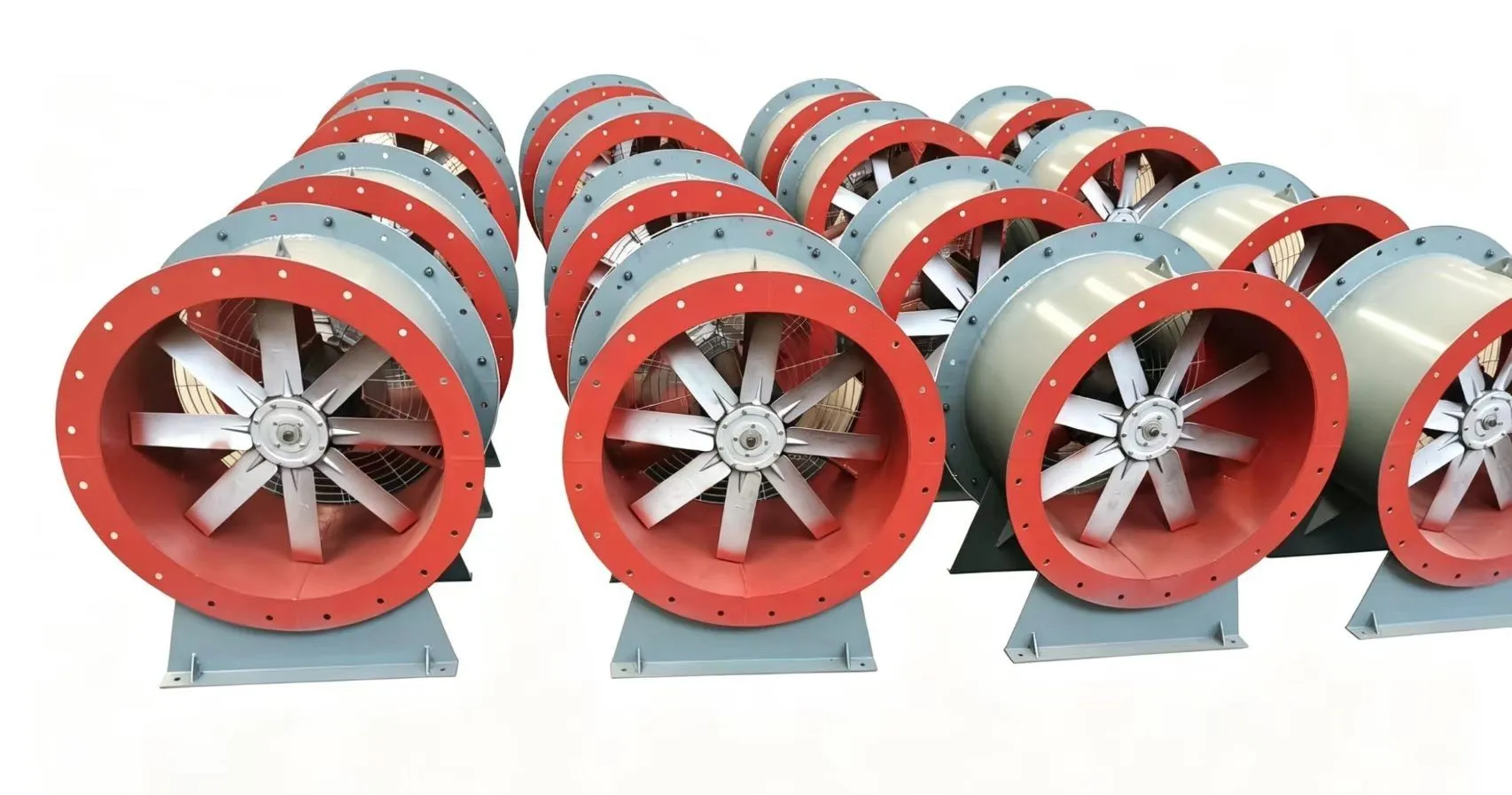
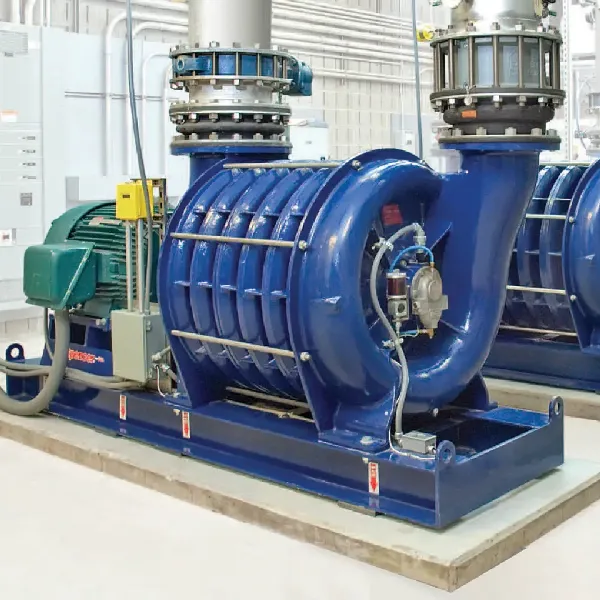
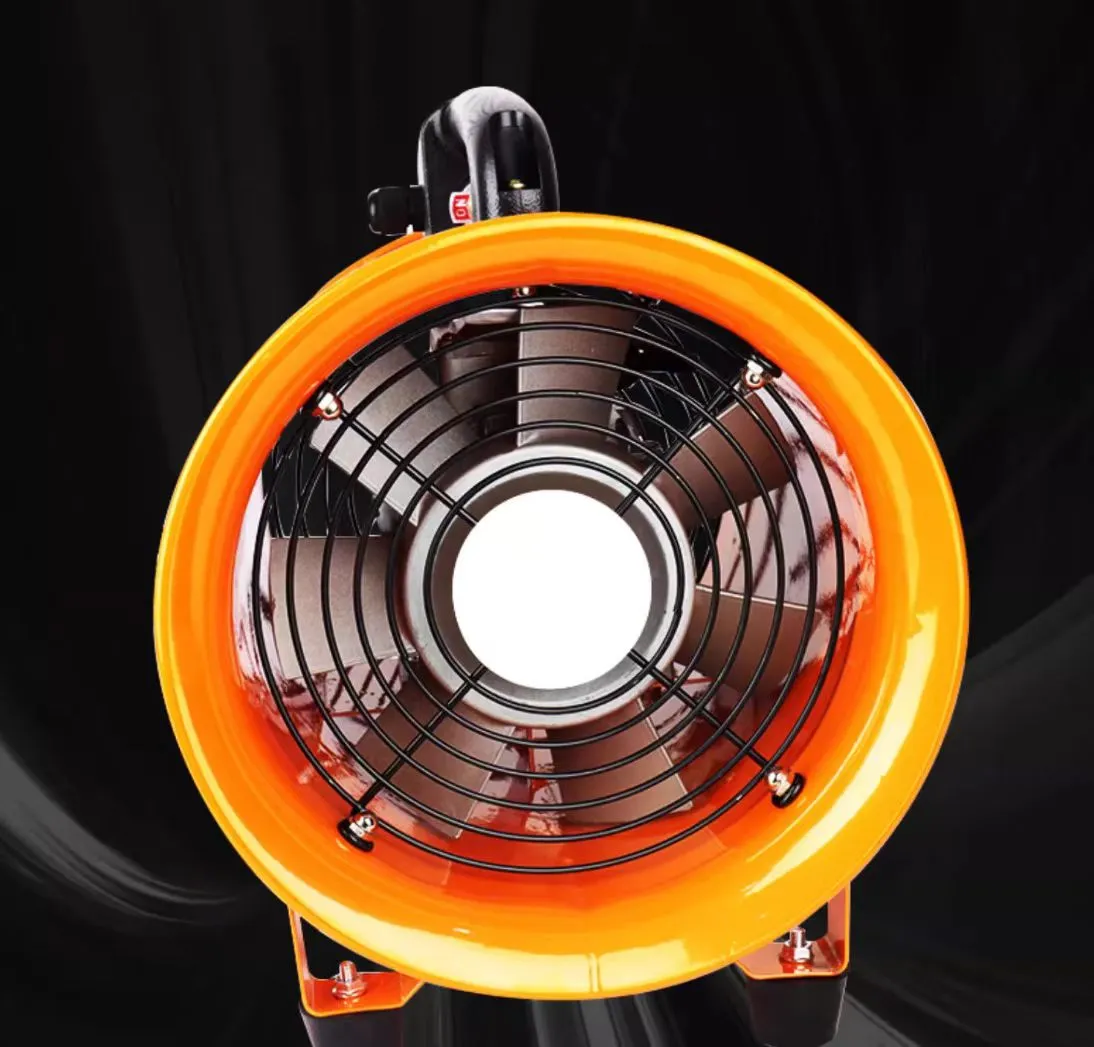
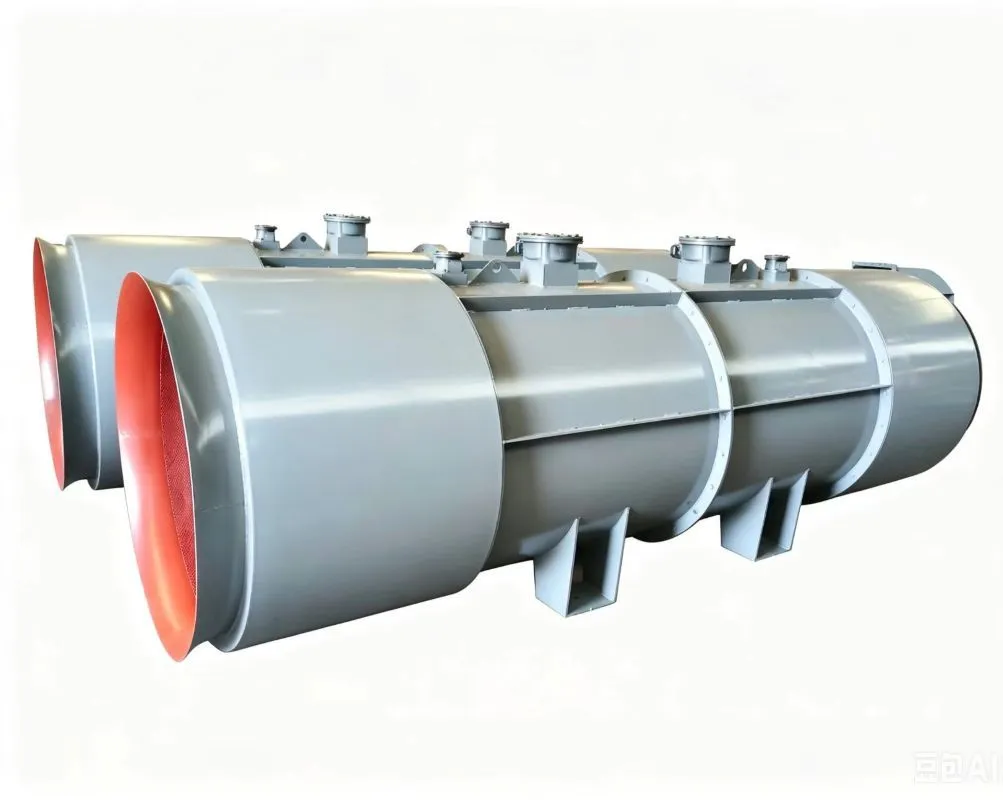
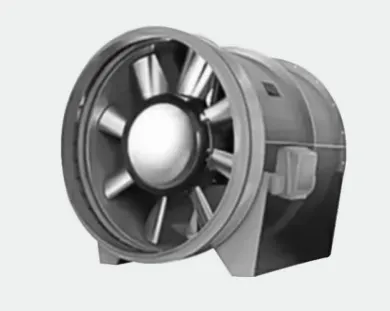
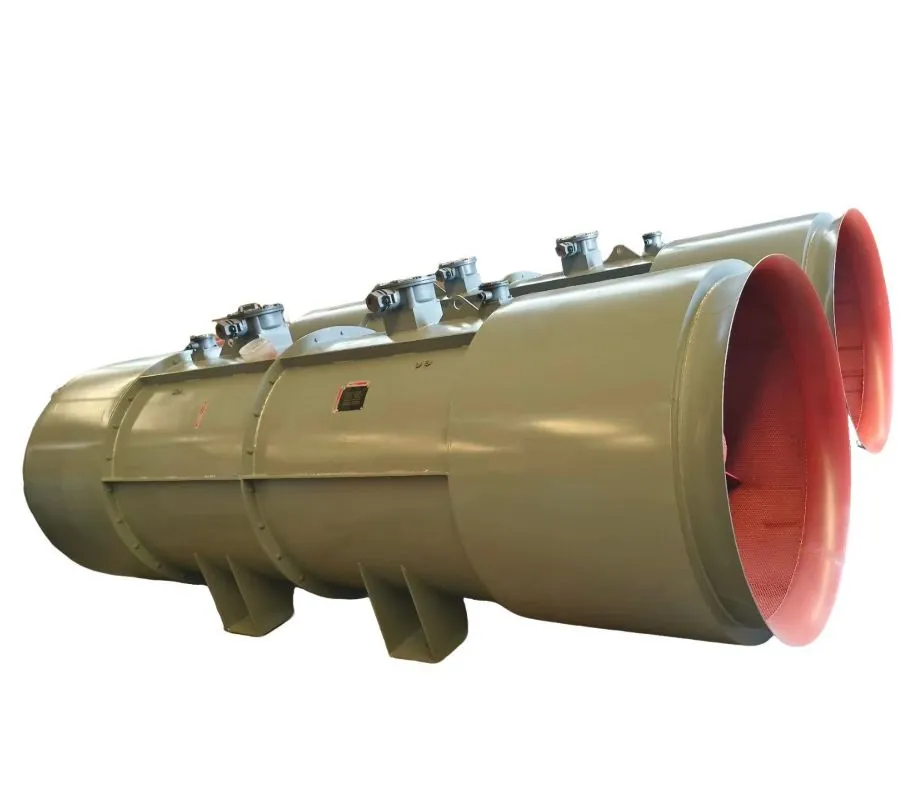
Nwa fun a gbẹkẹle bugbamu-ẹri àìpẹ eefin? We are a leading manufacturer offering factory-direct pricing on high-performance ventilation solutions designed for hazardous environments. Awọn onijakidijagan wa ni ibamu pẹlu awọn iṣedede ailewu kariaye ti o muna, ni idaniloju ṣiṣan afẹfẹ ti o dara julọ lakoko ti o ṣe idiwọ ina ni awọn oju-aye ijona. Itọsọna yii ṣe alaye awọn agbara imọ-ẹrọ wa, awọn ibeere yiyan, ati idi ti wiwa taara lati ile-iṣẹ wa ṣe iṣeduro iye ti o ga julọ ati ibamu ailewu.
Kini Olufẹ Eefin Imudaniloju Bugbamu?
An bugbamu-ẹri àìpẹ eefin is a specialized industrial ventilation unit engineered to operate safely in environments containing flammable gases, vapors, dust, or fibers. Ko dabi awọn onijakidijagan boṣewa, awọn ẹya wọnyi ni a ṣe pẹlu awọn ohun elo ti kii ṣe didan ati awọn ile gbigbe mọto lati ṣe idiwọ awọn ina inu tabi ooru lati tanna oju-aye agbegbe.
These fans are critical infrastructure in mining tunnels, chemical processing plants, and underground transportation systems. Awọn mojuto oniru imoye ni ayo ailewu ojulowo. Gbogbo paati, lati awọn abẹfẹlẹ impeller si apejọ ti nso, ṣe idanwo ti o muna lati rii daju pe ko le di orisun ina paapaa labẹ awọn ipo aṣiṣe.
Our manufacturing process adheres to global directives such as ATEX and IECEx. Eyi ni idaniloju pe nigba ti o ba fi ohun elo wa sori ẹrọ, o n gbe eto ti a rii daju lati mu awọn agbegbe eewu Zone 1 ati Zone 2 ṣiṣẹ. Iduroṣinṣin igbekalẹ ti casing naa tun duro de awọn bugbamu ti inu ti o pọju laisi rupturing, ti o ni bugbamu ti o wa ninu ẹyọ naa.
Awọn Iyatọ bọtini Laarin Standard ati Awọn awoṣe Imudaniloju bugbamu
Loye iyatọ laarin awọn onijakidijagan idi gbogbogbo ati awọn awoṣe ẹri bugbamu jẹ pataki fun ibamu ailewu. Standard fans often use aluminum impellers that can spark upon impact and lack sufficient sealing against gas ingress.
Ni idakeji, tiwa bugbamu-ẹri àìpẹ eefin jara nlo Ejò-alloy tabi amọja ti kii-ferrous impellers lati se imukuro sipaki ewu. The motor housing features increased clearance gaps and flame-path cooling channels. These technical modifications ensure that any hot gases generated internally are cooled before exiting the enclosure.
- Ohun elo Lilo awọn aṣọ atako-aimi ati awọn irin ti kii-sparking.
- Imọ-ẹrọ Ididi: IP55 tabi awọn iwọn ti o ga julọ lati ṣe idiwọ eruku ati titẹsi gaasi.
- Isakoso Ooru: Imudara awọn imu itutu agbaiye lati tọju awọn iwọn otutu oju ni isalẹ awọn aaye ina.
- Iṣakoso gbigbọn: Precision-balanced rotors to prevent mechanical friction.
Awọn Ilana Imọ-ẹrọ Core ti Awọn onijakidijagan Wa
Awọn ndin ti ẹya bugbamu-ẹri àìpẹ eefin gbarale apẹrẹ aerodynamic to ti ni ilọsiwaju ni idapo pẹlu imọ-ẹrọ aabo to lagbara. Our R&D team focuses on maximizing airflow efficiency while maintaining the strictest safety margins. Abajade jẹ olufẹ kan ti o gba titẹ giga ati iwọn didun lai ṣe adehun lori aabo eewu.
We utilize computational fluid dynamics (CFD) to optimize blade geometry. This reduces turbulence and noise while ensuring smooth air movement through long tunnel sections. Ṣiṣe afẹfẹ ti o munadoko kii ṣe nipa iṣẹ nikan; o jẹ nipa iyara diluting awọn ifọkansi eewu ti gaasi si awọn ipele ailewu.
Motor Idaabobo jẹ ọwọn miiran ti apẹrẹ wa. The motors are encapsulated in heavy-duty cast iron or steel housings capable of withstanding internal pressure. Awọn bearings amọja pẹlu girisi iwọn otutu ti o ni idaniloju iṣiṣẹ lemọlemọfún paapaa ni awọn ipo iwọn otutu ti o wọpọ ni awọn eefin ti o jinlẹ.
Non-Sparking Ikole imuposi
Ewu akọkọ ni awọn agbegbe ti o ni eewu jẹ didan ẹrọ. Our factory employs precise manufacturing tolerances to prevent rotor-stator contact. We integrate wear rings made from soft materials that deform rather than spark if minor contact occurs.
Furthermore, all external surfaces are treated to prevent static electricity buildup. Itọjade aimi jẹ ipalọlọ ṣugbọn orisun ina ti o lewu. By grounding the fan structure effectively and using conductive paints, we neutralize this risk entirely. Ifarabalẹ yii si alaye n ṣalaye orukọ wa bi olupese ti oke-ipele.
Nipa Awọn onijakidijagan Zibo Hongcheng: Alabaṣepọ iṣelọpọ igbẹkẹle rẹ
Lẹhin gbogbo ẹyọ iṣẹ ṣiṣe giga ti a firanṣẹ ni oye ti Awọn onijakidijagan Zibo Hongcheng. Ti o wa ni okan ti Zibo Blower Industrial Park ni Shandong Province, China, ile-iṣẹ 9,000-square-mita wa ni igbẹhin si imọ-ẹrọ pipe ti fentilesonu ile-iṣẹ. Although established in 2020, our foundation is built on two decades of specialized experience held by our founding team in the blower industry.
Pẹlu agbara iṣẹ ti o ju 30 awọn alamọja oye, a ti ṣe agbekalẹ portfolio okeerẹ ti o ni diẹ sii ju jara 50 ati awọn awoṣe pato 600. Lakoko ti a nṣe iranṣẹ awọn apa oriṣiriṣi pẹlu irin, awọn aṣọ, ati awọn ohun elo ile, imọ-jinlẹ pataki wa wa ni iwakusa axial sisan egeb, centrifugal ventilators, ati irin alagbara, irin pataki tabi awọn onijakidijagan sooro ipata ti a ṣe fun awọn agbegbe kemikali ti o lagbara.
Our production capability is supported by complete manufacturing processes and rigorous quality management systems. Every product strictly meets national and international technical standards. Ni pataki julọ, a loye pe ko si awọn iṣẹ akanṣe meji ti o jọra; nitorinaa, ti a nse sanlalu ti adani gbóògì iṣẹ lati pade rẹ ti ara ẹni ibeere, aridaju awọn pipe fit fun oju eefin kan pato geometry ati ewu profaili.
Awọn ohun elo ti Awọn onijakidijagan Eefin Imudaniloju
Deploying the right ventilation system depends heavily on the specific environment. Tiwa bugbamu-ẹri àìpẹ eefin awọn sipo wapọ to lati sin awọn ile-iṣẹ lọpọlọpọ nibiti didara afẹfẹ ati ailewu jẹ pataki julọ. Lati iwakusa ti o jinlẹ si awọn ọna oju-irin alaja ilu, imọ-ẹrọ wa ṣe deede si awọn ibeere iṣẹ ṣiṣe lọpọlọpọ.
Ni eka iwakusa, ikojọpọ methane jẹ irokeke igbagbogbo. Awọn onijakidijagan wa pese awọn oṣuwọn paṣipaarọ afẹfẹ to ṣe pataki lati tọju awọn ipele methane daradara ni isalẹ opin ibẹjadi kekere (LEL). Ikole gaungaun tun koju awọn ipo lile, eruku aṣoju ti awọn aaye isediwon ipamo.
Chemical processing facilities also rely on our solutions. Ni awọn agbegbe nibiti awọn agbo ogun Organic iyipada (VOCs) wa, ategun apewọn ko to. Awọn ẹya ti a fọwọsi ni idaniloju pe awọn eefin ti yọ jade lailewu laisi ewu bugbamu lakoko ilana imukuro.
Iwakusa ati Underground Excavation
Mining operations represent the most demanding application for tunnel fans. Ayika naa ṣajọpọ ọriniinitutu giga, eruku abrasive, ati awọn gaasi ibẹjadi. Our fans are designed with reinforced casings to resist corrosion and physical impact from falling debris.
A nfun mejeeji axial ati awọn atunto centrifugal ti a ṣe fun awọn ọpa mi. Axial fans are preferred for long, straight tunnels due to their high flow capacity. Awọn awoṣe Centrifugal ni a yan nigbati titẹ aimi ti o ga julọ nilo lati bori resistance ni awọn ipalemo ductwork eka.
Petrochemical ati Refinery Tunnels
Ninu awọn ohun ọgbin petrokemika, awọn eefin ohun elo nigbagbogbo n gbe awọn opo gigun ti epo ti n gbe awọn olomi ina tabi gaasi. Jijo sinu awọn aaye ti a fi pamọ wọnyi ṣẹda agbegbe ti o ni eewu giga. Tiwa bugbamu-ẹri àìpẹ eefin installations provide continuous purging to maintain a safe atmosphere.
Awọn agbegbe wọnyi nigbagbogbo nilo awọn onijakidijagan ti o le mu awọn kemikali ibajẹ ni afẹfẹ. A lo awọn ideri iposii pataki ati lo awọn paati irin alagbara lati fa igbesi aye iṣẹ ti ohun elo ni iru awọn agbegbe kemikali ibinu.
Alaja Ilu ati Awọn Tunnels opopona
Lakoko ti o ko han gbangba, awọn oju eefin irekọja ilu tun ni anfani lati imọ-ẹrọ ẹri bugbamu. In the event of a fuel spill or gas leak from a vehicle, standard fans could exacerbate the situation. Awọn onijakidijagan ti o ni iwọn aabo wa rii daju pe awọn ilana isọfun pajawiri le ṣee ṣe laisi ma nfa ina.
Noise reduction is also a key factor in urban settings. Awọn awoṣe tuntun wa ṣafikun awọn ipalọlọ akositiki ati awọn ipolowo abẹfẹlẹ iṣapeye lati dinku idoti ariwo lakoko mimu awọn agbara isediwon pajawiri iṣẹ-giga.
Bii o ṣe le Yan Olufẹ Imudaniloju Imudaniloju Ọtun
Choosing the correct unit involves analyzing several technical parameters. Selecting an undersized fan can lead to inadequate ventilation, while an oversized unit wastes energy and increases maintenance costs. Ẹgbẹ imọ-ẹrọ wa ṣe iranlọwọ fun awọn alabara ni ibaamu awọn pato fan si oju eefin oju eefin kan pato ati profaili eewu.
Igbesẹ akọkọ ni ṣiṣe ipinnu iwọn didun ṣiṣan afẹfẹ ti a beere, ti wọn ni awọn mita onigun fun wakati kan (CMH) tabi ẹsẹ onigun fun iṣẹju kan (CFM). This calculation depends on the tunnel’s cross-sectional area and the desired air velocity. Nigbamii ti, ibeere titẹ aimi gbọdọ jẹ iṣiro da lori gigun duct, awọn bends, ati awọn idena.
Isọri eewu ni julọ lominu ni ifosiwewe. O gbọdọ ṣe idanimọ iru gaasi kan pato tabi eruku ti o wa (fun apẹẹrẹ, Methane, Hydrogen, Eruku Eru) ati Isọdi Agbegbe ti o baamu (Agbegbe 0, 1, tabi 2). This dictates the required Ex rating and temperature class (T1-T6) for the fan motor.
Igbese-nipasẹ-Igbese Yiyan Itọsọna
Lati ṣe ilana ilana rira, tẹle ilana ilana ọgbọn lati ṣe idanimọ awoṣe pipe lati inu iwe akọọlẹ wa. This approach ensures compliance and operational efficiency.
- Igbesẹ 1: Define the hazardous area classification and specific gas/dust groups.
- Igbesẹ 2: Calculate the required airflow rate based on tunnel dimensions and safety regulations.
- Igbesẹ 3: Ṣe ipinnu ipadanu titẹ aimi lapapọ pẹlu edekoyede duct ati awọn ibamu.
- Igbesẹ 4: Select the fan type (Axial vs. Centrifugal) based on pressure and flow needs.
- Igbesẹ 5: Verify the temperature class rating against the auto-ignition temperature of the hazard.
- Igbesẹ 6: Jẹrisi ibamu ohun elo pẹlu awọn ipo ayika (ọriniinitutu, ipata).
Factory Direct Ifowoleri Anfani
Sourcing directly from our manufacturing facility offers significant economic and logistical benefits. By eliminating intermediaries and distributors, we pass the cost savings directly to you. This “factory-direct” model ensures you receive premium quality equipment at a competitive price point.
Beyond cost, direct engagement allows for greater customization. Off-the-shelf solutions often require compromises. Nigbati o ba ṣiṣẹ pẹlu wa, a le yipada awọn igun abẹfẹlẹ, awọn foliteji mọto, ati awọn ohun elo casing lati baamu awọn ibeere iṣẹ akanṣe rẹ gangan laisi awọn akoko idari ti o pọ julọ.
Iṣakoso didara jẹ diẹ sihin nigbati ifẹ si taara. Clients can request factory acceptance tests (FAT) and witness the balancing and running tests before shipment. This level of oversight builds trust and ensures the equipment performs as promised upon installation.
Imudara idiyele Laisi Ibanujẹ Aabo
A common misconception is that lower prices imply lower safety standards. In our case, efficiency drives the cost down, not corner-cutting. Our automated production lines and bulk material procurement reduce overheads while maintaining rigorous ISO-certified quality checks.
We invest heavily in R&D to improve manufacturing yields. These innovations lower the unit cost while enhancing product reliability. You get a fan that lasts longer and requires less maintenance, providing a better total cost of ownership over its lifecycle.
Ifiwera Imọ-ẹrọ: Axial vs Centrifugal Bugbamu-Ẹri Awọn onijakidijagan
Selecting between axial and centrifugal designs is a fundamental decision in tunnel ventilation planning. Each type has distinct advantages depending on the resistance characteristics of the tunnel system. Understanding these differences is key to optimizing performance.
Axial egeb gbe afẹfẹ ni afiwe si ọpa. They are highly efficient for moving large volumes of air against low to medium resistance. They are compact and ideal for straight tunnel sections where space is limited. Their simple design also facilitates easier maintenance in remote locations.
Awọn egeb onijakidijagangan Centrifugal, on the other hand, change the direction of airflow by 90 degrees. They generate higher static pressure, making them suitable for systems with complex ductwork, filters, or long distances with many bends. They are generally more robust against system fluctuations.
| Ẹya ara ẹrọ | Axial bugbamu-Ẹri Fan | Centrifugal Bugbamu-Ẹri Fan |
| Airflow Itọsọna | Ni afiwe si motor ọpa | Papẹndikula si ọpa mọto (90°) |
| Agbara titẹ | Kekere si Alabọde | Alabọde to High |
| Iwọn didun Sisan | Giga pupọ | Dede to High |
| Ibeere aaye | Iwapọ, fifi sori laini | Ifẹsẹtẹ ti o tobi, nilo aaye igbonwo |
| Ohun elo bojumu | Gigun, awọn tunnels taara; gbogboogbo wẹ | Awọn ọna opopona; ga-resistance awọn ọna šiše |
| Ariwo Ipele | Ariwo igbohunsafẹfẹ giga | Isalẹ igbohunsafẹfẹ, nigbagbogbo idakẹjẹ |
Itọju ati Awọn Ilana Aabo
Paapaa julọ logan bugbamu-ẹri àìpẹ eefin requires regular maintenance to retain its safety certification. Neglecting routine checks can degrade the flame paths or allow dust accumulation, potentially compromising the explosion-proof integrity.
Our recommended maintenance schedule includes visual inspections of the casing for cracks or corrosion. Checking the tightness of bolts securing the flame-proof joints is crucial, as loose connections can invalidate the Ex rating. Bearings should be lubricated according to the manufacturer’s guidelines using approved greases.
Awọn ayewo itanna ni o wa se pataki. Cable entries and glands must be checked for tightness and integrity. Any sign of overheating or insulation damage should be addressed immediately. We provide comprehensive maintenance manuals with every unit to guide facility managers through these critical tasks.
Laasigbotitusita Awọn ọrọ to wọpọ
Operational issues can arise due to environmental factors or installation errors. Vibrations often indicate an imbalance in the impeller or misalignment with the drive system. Unusual noises may suggest bearing wear or foreign objects entering the housing.
If the fan trips frequently, it could be due to motor overload caused by excessive system resistance or voltage fluctuations. Ẹgbẹ atilẹyin imọ-ẹrọ wa ṣe iranlọwọ ni ṣiṣe iwadii awọn ọran wọnyi latọna jijin, ṣe iranlọwọ fun ọ lati mu awọn iṣẹ pada ni iyara lakoko mimu awọn iṣedede ailewu.
Ibamu ati Awọn iwe-ẹri
Safety in hazardous environments is governed by strict international regulations. Wa factory idaniloju wipe gbogbo bugbamu-ẹri àìpẹ eefin leaves the production line with full documentation proving compliance. A ko kan beere aabo; we certify it through accredited third-party testing.
Our products typically carry ATEX certification for the European market and IECEx for global recognition. In North America, we align with NEC and UL standards. Awọn iwe-ẹri wọnyi fọwọsi pe apẹrẹ wa, awọn ohun elo, ati awọn ilana iṣelọpọ pade awọn ipilẹ ti o ga julọ fun aabo bugbamu.
Documentation includes the EC Declaration of Conformity, test reports, and detailed user manuals. Nini iwe-kikọ ni imurasilẹ wa jẹ pataki fun gbigbe awọn iṣayẹwo ailewu ati awọn ayewo iṣeduro. We maintain digital archives of all test data for every serial number produced.
Awọn Ibeere Nigbagbogbo (FAQ)
Below are answers to common questions regarding our explosion-proof tunnel fans. These insights address technical concerns, installation queries, and compliance matters frequently raised by engineers and procurement officers.
Kí ni "Ex" siṣamisi lori awọn àìpẹ tumo si?
The “Ex” marking indicates that the equipment has been tested and certified for use in explosive atmospheres. O tẹle pẹlu awọn koodu ti n ṣalaye ọna aabo (fun apẹẹrẹ, 'd' fun imuna ina), ẹgbẹ gaasi, ati kilasi iwọn otutu. Isamisi yii jẹ idaniloju ibamu aabo rẹ.
Njẹ awọn onijakidijagan wọnyi le ṣee lo ni ita?
Bẹẹni, tiwa bugbamu-ẹri àìpẹ eefin units are designed with weather-resistant enclosures, typically rated IP55 or IP65. This protects the internal components from rain, snow, and dust, making them suitable for outdoor installations in refineries or open-pit mines.
Igba melo ni o yẹ ki a ṣe ayẹwo afẹfẹ naa?
We recommend a visual inspection monthly and a thorough technical inspection annually. However, in extremely harsh environments with high dust loads or corrosive gases, more frequent checks may be necessary. Nigbagbogbo tọka si itọnisọna itọju kan pato ti a pese pẹlu ẹyọkan rẹ.
Ṣe o funni ni awọn aṣayan foliteji aṣa?
Nitootọ. Gẹgẹbi olupese-taara ile-iṣẹ, a le tunto awọn mọto fun ọpọlọpọ awọn foliteji ati awọn igbohunsafẹfẹ (fun apẹẹrẹ, 380V/50Hz, 460V/60Hz, 690V) lati baamu akoj agbara agbegbe rẹ. Customization is a standard part of our service offering.
Kini akoko asiwaju fun awọn aṣẹ?
Awọn awoṣe boṣewa nigbagbogbo wa fun gbigbe ni iyara lati ọja iṣura wa. Customized units typically require 4 to 8 weeks for manufacturing and testing, depending on the complexity of the specifications. We prioritize urgent projects to minimize downtime.
Kilode ti o Yan Alabaṣepọ Ṣiṣẹpọ Wa?
Ninu ile-iṣẹ nibiti ailewu ko ṣe adehun idunadura, iriri ati akoyawo ọrọ. Our company has dedicated decades to refining the art of explosion-proof ventilation. We combine traditional craftsmanship with modern automation to deliver products that set the industry benchmark.
Ifaramo wa si EEAT agbekale jẹ kedere ni gbogbo ibaraenisepo. Ẹgbẹ imọ-ẹrọ wa ni oye ti o jinlẹ ni awọn agbara iṣan omi ati isọdi agbegbe eewu. Our authority in the market is backed by thousands of successful installations globally. Trust is built through our consistent delivery of high-quality, compliant products.
Nigba ti o ba yan wa, o ti wa ni ko kan ifẹ si kan àìpẹ; you are partnering with a team dedicated to your operational safety. A duro lẹhin awọn ọja wa pẹlu awọn atilẹyin ọja okeerẹ ati atilẹyin imọ-ẹrọ gigun, ni idaniloju ifọkanbalẹ ọkan fun awọn alakoso ohun elo rẹ.
Ipari ati Next Igbesẹ
Yiyan awọn ọtun bugbamu-ẹri àìpẹ eefin is a critical decision that impacts both safety and operational efficiency. Ọna taara ile-iṣẹ wa ni idaniloju pe o gba imọ-ẹrọ ipele-oke, ibamu ni kikun pẹlu awọn iṣedede kariaye, ati idiyele ifigagbaga laisi isamisi ti awọn agbedemeji.
Ojutu yii jẹ apẹrẹ fun awọn ile-iṣẹ iwakusa, awọn ohun ọgbin petrochemical, ati awọn idagbasoke amayederun ti o nilo fentilesonu igbẹkẹle ni awọn agbegbe eewu. Whether you need a standard axial unit or a customized centrifugal system, our portfolio covers the full spectrum of industrial needs.
Ṣetan lati ṣe igbesoke eto atẹgun rẹ? Evaluate your specific airflow and hazard requirements using the selection guide above. For a tailored quote or technical consultation, contact our engineering team directly. Jẹ ki a ṣe iranlọwọ fun ọ ni aabo agbegbe rẹ pẹlu imọ-ẹrọ ẹri bugbamu ti o dara julọ ti o wa loni.