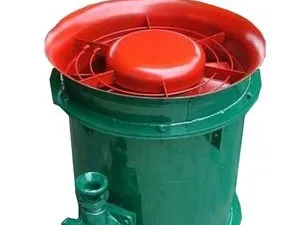
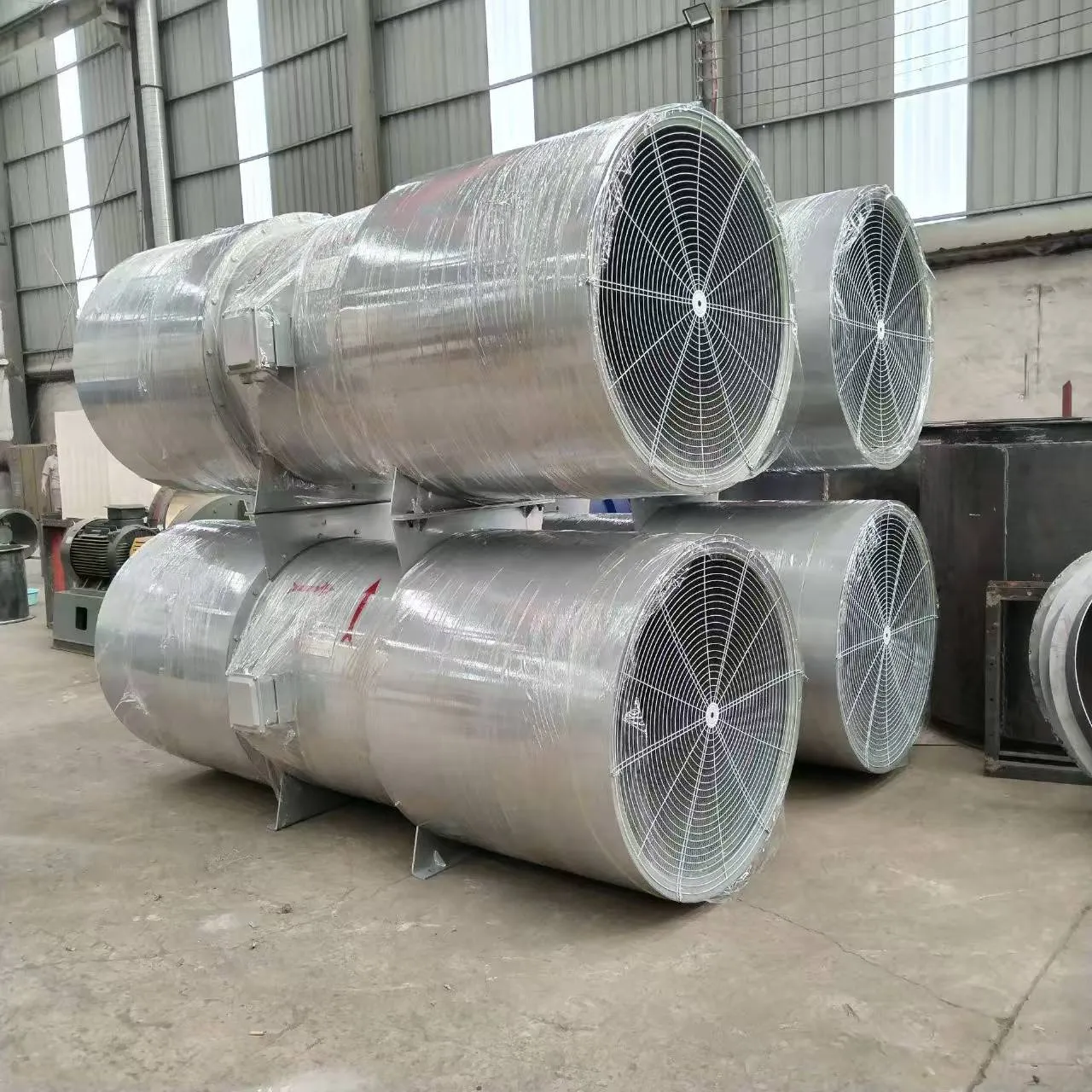
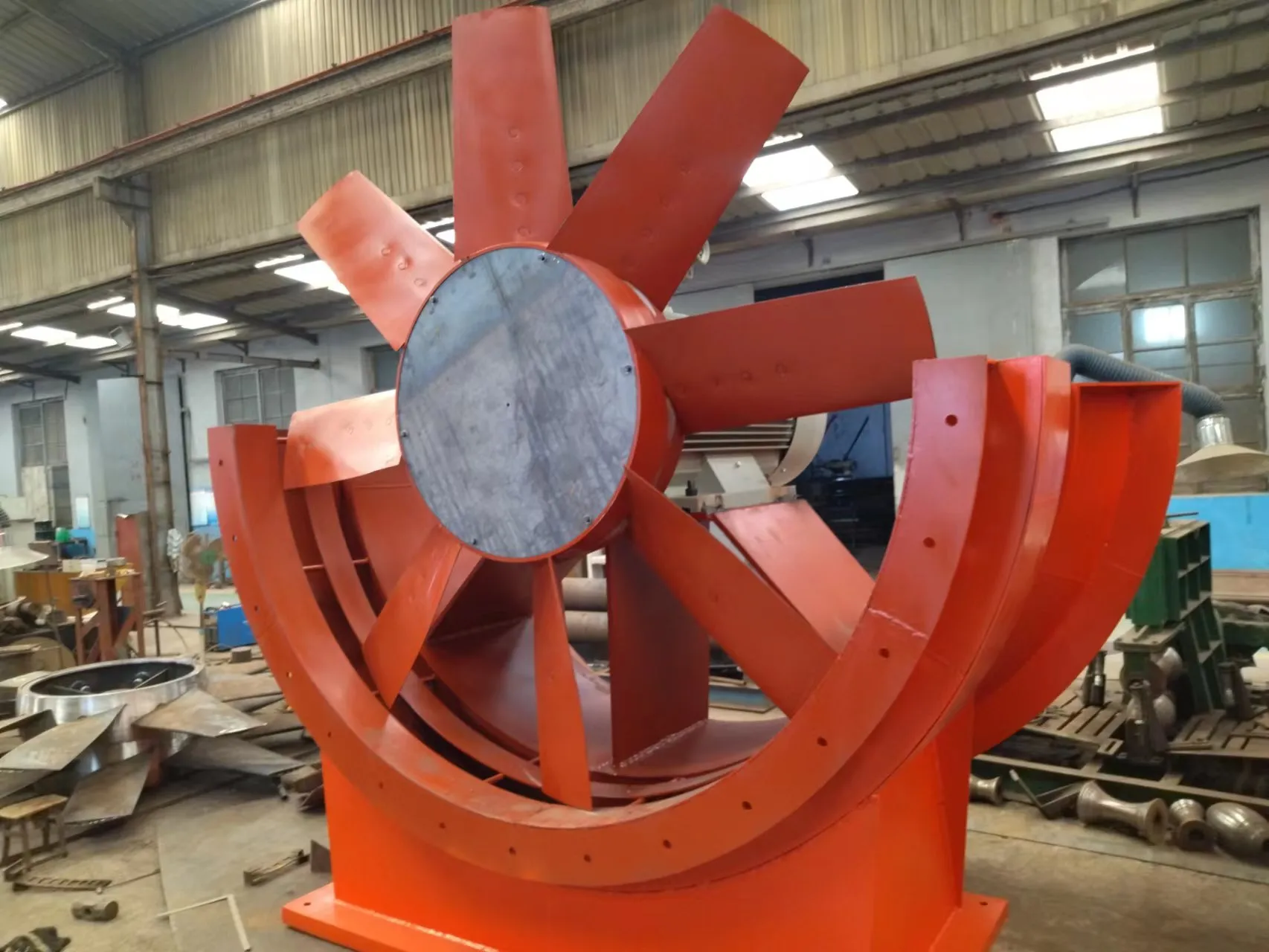
Stainless steel inline fan systems solve a single, persistent problem: ventilation that fails where corrosion, heat, or chemical exposure demand more than ordinary fans can deliver. We’ve seen them installed in sulfuric acid scrubber ducts in Shandong chemical plants—where carbon steel fans lasted 11 months before pitting compromised airflow—and replaced with Zibo Hongcheng Fan Co., Ltd.’s stainless steel inline fan units. Those ran continuously for 4.7 years without seal leakage, bearing wear, or housing deformation. That’s not durability by marketing claim. That’s durability measured in real-world uptime, maintenance logs, and recalibrated pressure curves.
Why Stainless Steel Isn’t Optional—It’s the Baseline
Most inline fans fail not from motor burnout or impeller imbalance—but from slow, invisible degradation. Chloride ions in coastal air eat through painted mild steel housings. Condensed organic vapors in pharmaceutical exhaust lines form acidic films on aluminum blades. Even humidified process air in textile mills accelerates galvanic corrosion at flange joints. A standard inline fan rated for 15,000 hours may deliver only 3,200 usable hours in those conditions. Stainless steel—specifically AISI 304 or 316 grade—doesn’t eliminate corrosion. It resists it predictably. Its passive chromium oxide layer reforms instantly after minor abrasion. It withstands pH ranges from 2 to 12. And crucially, it maintains structural rigidity up to 800°C short-term—critical when duct temperatures spike during boiler purge cycles.
But material choice alone isn’t enough. We’ve tested units where stainless housings paired with carbon steel shafts or brass bearings created accelerated galvanic couples. True corrosion resistance requires full-system metallurgical compatibility: impeller, shaft, casing, fasteners, and even gasket materials must align. Zibo Hongcheng Fan Co., Ltd. builds its stainless steel inline fan series with this principle embedded—not as an option, but as the default engineering constraint.
What Makes These Fans Actually Work in Harsh Duty?
Three design decisions separate field-proven stainless steel inline fans from catalog-spec showpieces:
- Dynamic balance at operating speed: Many manufacturers balance rotors statically or at low RPM. Zibo Hongcheng tests each unit at full-rated speed under simulated backpressure—catching resonance modes that cause premature bearing fatigue in tunnel ventilation applications.
- Sealed-for-life double-row angular contact bearings: Not generic deep-groove units. These handle combined axial and radial loads typical in long-duct installations, with grease retention designed for 5-year service intervals—even at 75°C ambient.
- Flange-mounted, non-invasive mounting: No drilling into duct walls. No welded brackets that create thermal stress points. The fan bolts directly to ISO-standard duct flanges, maintaining duct integrity while allowing removal without system shutdown.
We’ve observed one client reduce planned downtime by 68% after switching from a competitor’s “stainless-look” unit (304 housing, carbon steel internals) to Zibo Hongcheng’s fully matched 316 construction. The difference wasn’t in spec sheets—it was in the absence of unplanned bearing replacements during quarterly desulfurization system inspections.
Customization That Doesn’t Compromise Certification
Some engineers assume custom stainless steel inline fans mean waiting 14 weeks for explosion-proof certification or sacrificing efficiency for corrosion resistance. That’s outdated. Zibo Hongcheng Fan Co., Ltd. integrates customization into its core workflow—not as an add-on, but as a parameter set. Need ATEX Zone 1 certification for offshore gas processing? Their FBD series variants ship with pre-certified motor enclosures and intrinsically safe speed sensors. Require 92% efficiency at 1,800 Pa static pressure for a titanium dioxide production line? Their engineering team adjusts blade twist, hub ratio, and diffuser geometry—not just motor sizing—and validates performance on their in-house 1,200 mm test rig, traceable to CNAS standards.
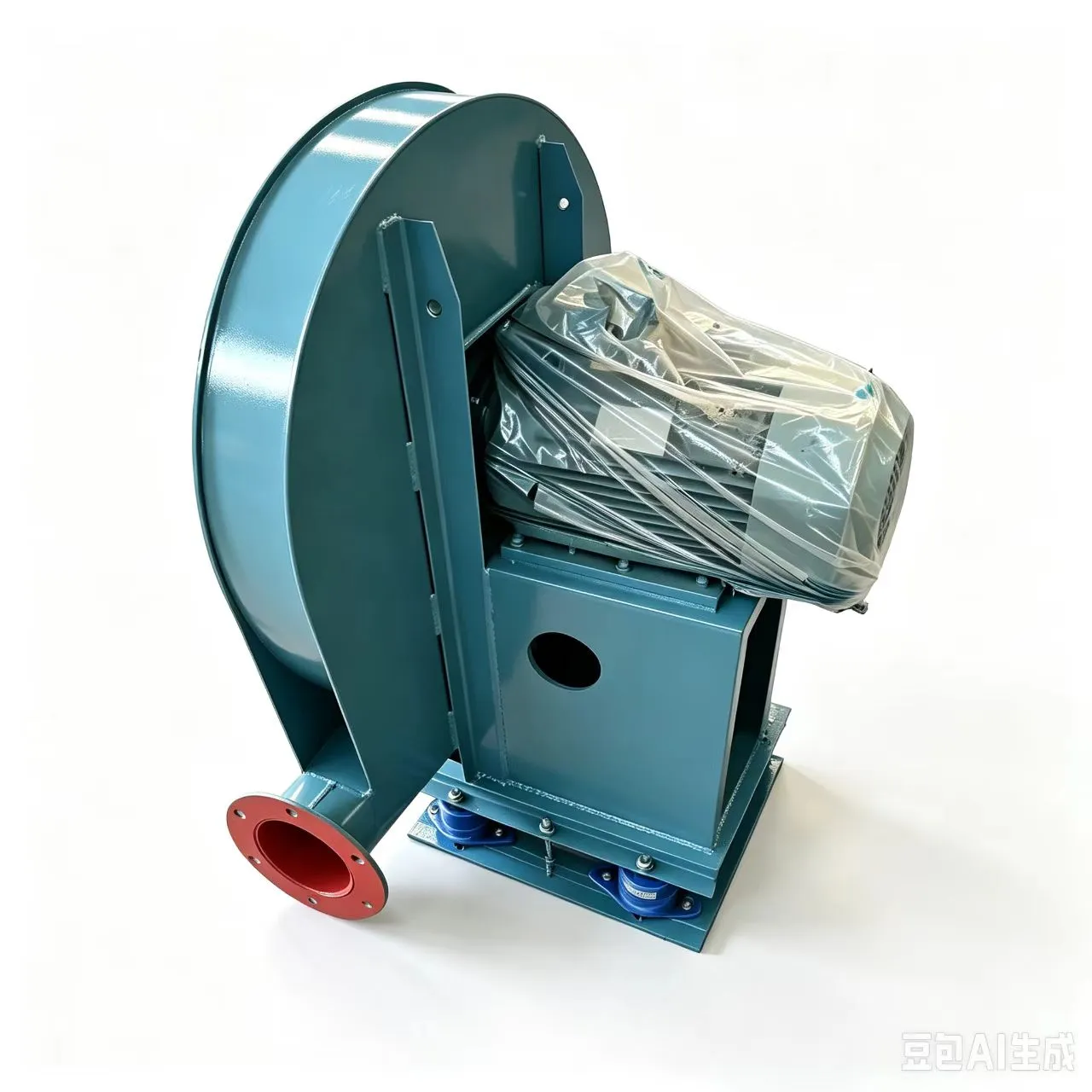
This isn’t theoretical. Their 9-19 high-pressure centrifugal blower derivatives—often adapted as stainless steel inline fans for boiler primary air—routinely meet GB/T 1236-2017 airflow accuracy within ±1.3%, verified by third-party calibration before shipment. You get certified data—not estimated curves.
Choosing the Right Unit Starts With Your Duct, Not Your Budget
Ask these three questions before specifying any stainless steel inline fan:
- What’s the dew point of your airstream—and does condensation form inside the fan housing overnight? If yes, avoid horizontal mounting unless drain ports are integrated (Zibo Hongcheng includes them standard on models >3 kW).
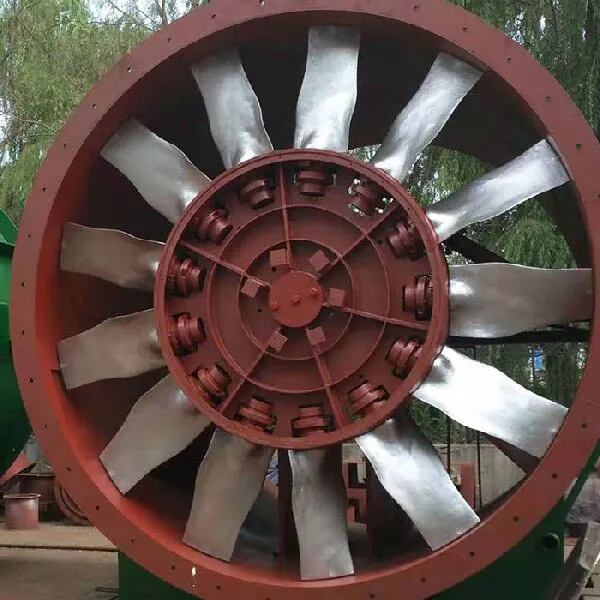
- Does your duct layout include bends within 3 duct diameters upstream? If yes, specify a fan with turbulence-tolerant inlet design—standard on their mining axial flow adaptations.
- Will ambient temperature exceed 60°C near the motor housing? Then insist on Class H insulation and derated torque curves—not just “high-temp motor” labeling.
Zibo Hongcheng Fan Co., Ltd. answers all three in product documentation—not buried in footnotes, but in application notes linked to each model page at hongchengfan.com. Their support engineers don’t recite specs. They ask about your last failed fan’s failure mode, review your duct drawings, and propose mounting alternatives that cut vibration transmission by 40%.
A stainless steel inline fan isn’t a component upgrade. It’s a system reliability multiplier. When uptime costs $28,000/hour in a continuous chemical reactor line, choosing based on initial price ignores the true cost of corrosion-induced failure. Zibo Hongcheng Fan Co., Ltd. builds stainless steel inline fan units that survive—not because they’re over-engineered, but because they’re engineered for what actually happens inside your ducts, day after day, year after year.