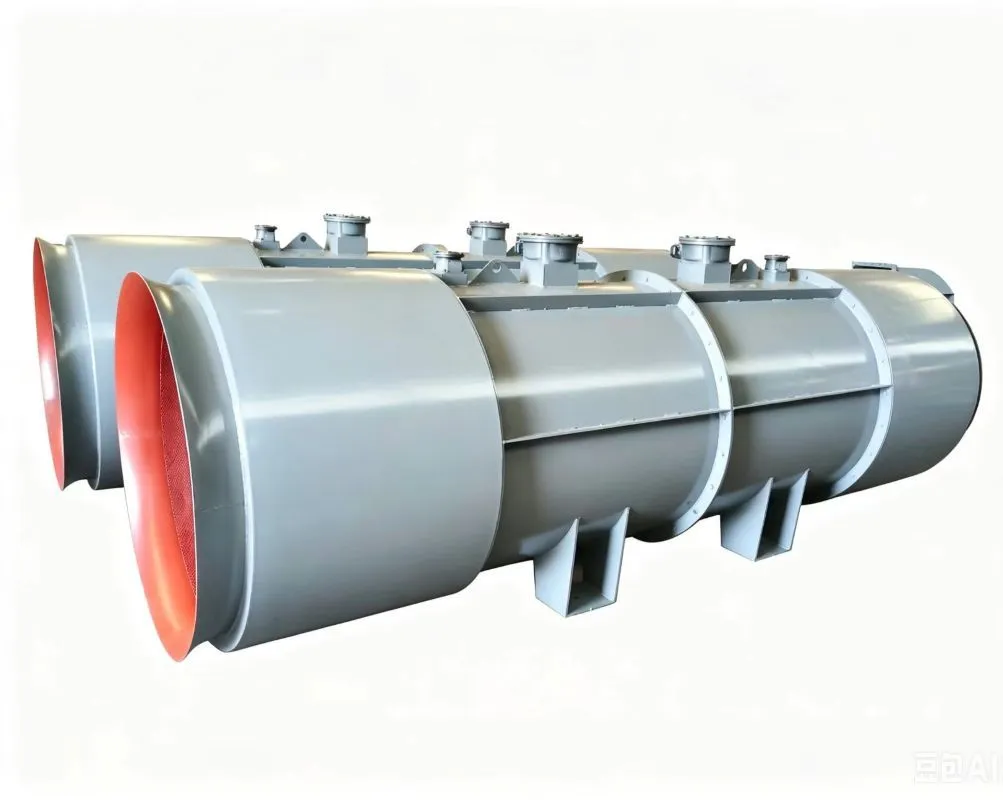
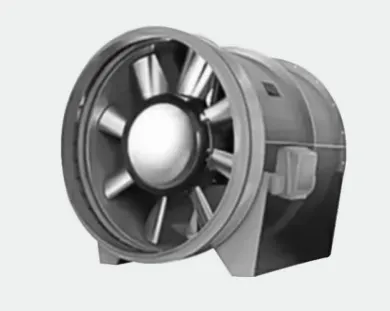
Looking for a reliable mine main ventilation fan supplier? Securing factory-direct pricing from a specialized manufacturer ensures optimal airflow, energy efficiency, and safety compliance for underground operations. As a leading provider, we deliver heavy-duty axial and centrifugal solutions designed specifically for the rigorous demands of modern mining environments, eliminating middleman costs while guaranteeing technical support and custom engineering.
What Is a Mine Main Ventilation Fan and Why Is It Critical?
A mine main ventilation fan serves as the heart of any underground mining operation, responsible for circulating fresh air throughout the tunnel network. Its primary function is to dilute hazardous gases, remove dust, regulate temperature, and ensure a breathable environment for workers. Without a robust ventilation system, mining activities face severe safety risks, including gas accumulation and heat stress.
These industrial giants are engineered to operate continuously under extreme conditions. Unlike standard commercial fans, a mine main ventilation fan must withstand high static pressures, corrosive atmospheres, and potential explosive environments. The design prioritizes reliability above all else, as downtime can halt entire production lines and endanger lives.
Current industry standards dictate that these systems must be capable of reversing airflow rapidly in emergency scenarios. This reversibility is crucial for smoke control during fire incidents. Manufacturers now integrate advanced motor drives and aerodynamic blade profiles to maximize efficiency while minimizing power consumption, a key factor given that ventilation often accounts for a significant portion of a mine’s total energy bill.
The Core Functions of Underground Ventilation Systems
The operational scope of a main fan extends beyond simple air movement. It involves a complex balance of pressure management and flow distribution. Key functions include:
- Dilution of Noxious Gases: Removing methane, carbon monoxide, and diesel exhaust fumes to maintain safe concentration levels.
- Dust Control: Preventing the accumulation of combustible coal dust or silica particles that pose health and explosion hazards.
- Thermal Regulation: Managing heat generated by deep-level geothermal gradients and heavy machinery operation.
- Emergency Smoke Extraction: Providing reversible airflow capabilities to clear smoke paths during evacuation procedures.
Understanding these functions helps mine planners select the right specifications. A mismatched fan can lead to inadequate airflow in distant workings or excessive pressure that damages infrastructure. Therefore, engaging with a supplier who understands fluid dynamics and mine planning is essential for long-term operational success.
Key Features of High-Performance Mine Main Ventilation Fans
When evaluating a mine main ventilation fan, several technical features distinguish top-tier equipment from generic industrial blowers. These features are not merely optional upgrades but fundamental requirements for safe and efficient mining. Factory-direct suppliers typically offer customizable configurations to meet specific geological and operational needs.
Aerodynamic Efficiency is paramount. Modern designs utilize computational fluid dynamics (CFD) to optimize blade angles and hub ratios. This results in higher static efficiency, meaning more air is moved per kilowatt of electricity consumed. Over the lifespan of a mine, even a small percentage gain in efficiency translates to massive cost savings.
Another critical feature is structural durability. The housing and blades are often constructed from high-grade steel or aluminum alloys, treated with anti-corrosive coatings. In sulfide-rich environments, specialized materials prevent rapid degradation. The motors are usually housed in separate, climate-controlled compartments to protect against dust ingress and moisture.
Advanced Safety and Control Mechanisms
Safety systems in main ventilation fans have evolved significantly. Today’s units come equipped with integrated monitoring sensors that track vibration, temperature, and bearing status in real-time. These data points feed into central control rooms, allowing for predictive maintenance before a failure occurs.
- Variable Frequency Drives (VFD): Allow precise control of fan speed to match ventilation demand, reducing energy waste during shift changes or lower production periods.
- Automatic Reversal Systems: Enable the fan to switch direction within minutes, a mandatory requirement for most global mining safety regulations.
- Explosion-Proof Certification: Components are rated for use in potentially explosive atmospheres (ATEX or IECEx standards), ensuring sparks do not ignite gas pockets.
- Redundant Backup Systems: Dual-motor setups or standby fans ensure continuous operation even if the primary unit requires immediate servicing.
The integration of these features demonstrates the supplier’s commitment to safety and operational continuity. When sourcing directly from the factory, buyers can often request specific certifications and custom control logic tailored to their mine’s unique automation architecture.
Types of Mine Main Ventilation Fans: Axial vs. Centrifugal
Selecting the correct type of fan is a strategic decision that impacts the entire ventilation network. The two dominant technologies are axial flow fans and centrifugal fans. Each has distinct characteristics regarding pressure generation, flow volume, and installation footprint. Understanding these differences is vital for making an informed procurement decision.
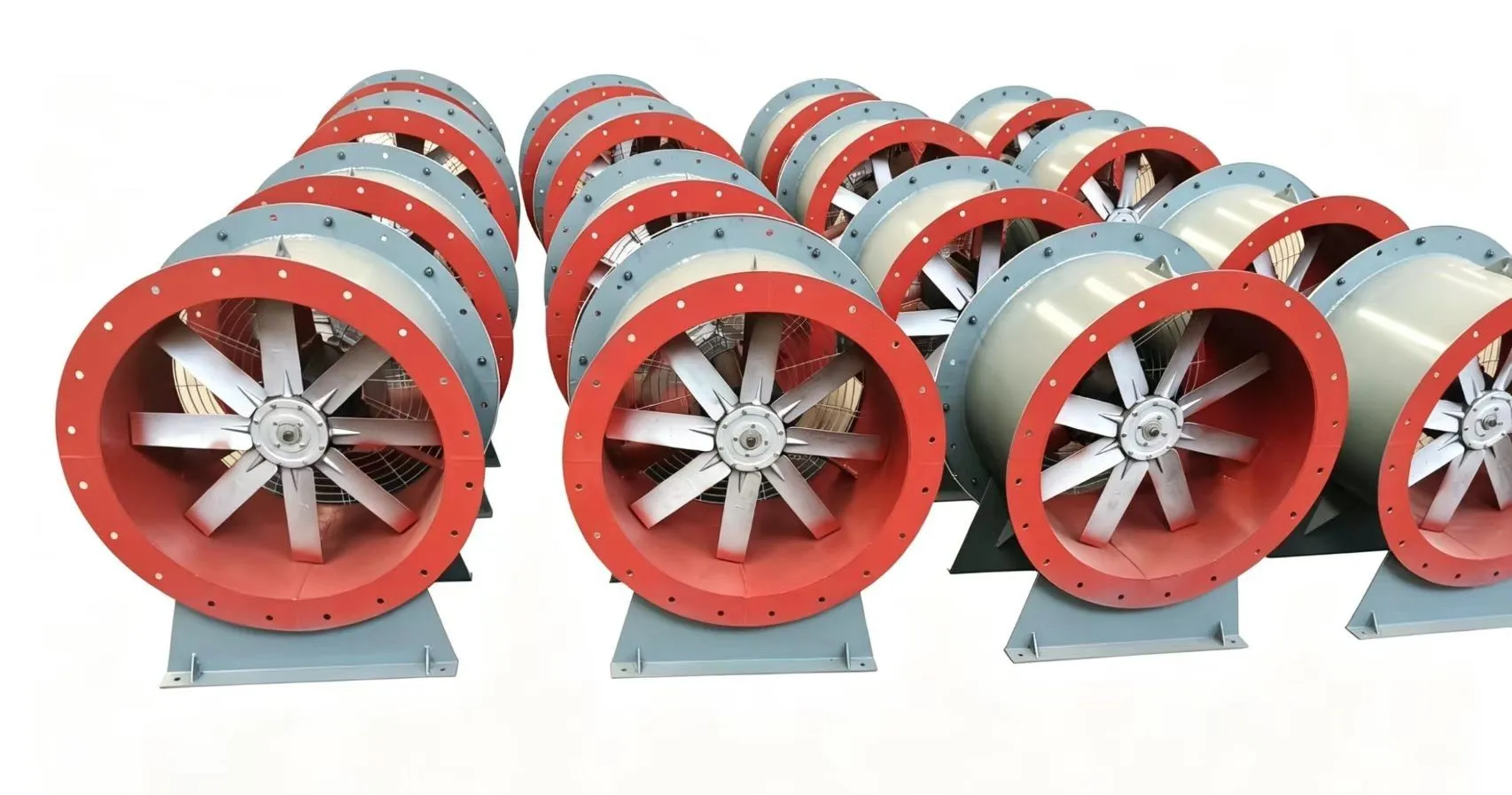
Fluxu axialen zaleak move air parallel to the shaft axis. They are generally preferred for applications requiring high volumes of air at moderate pressures. Their compact design makes them ideal for surface installations where space is limited or for borehole ventilation. Recent advancements in blade pitch technology allow axial fans to operate efficiently across a wider range of conditions.
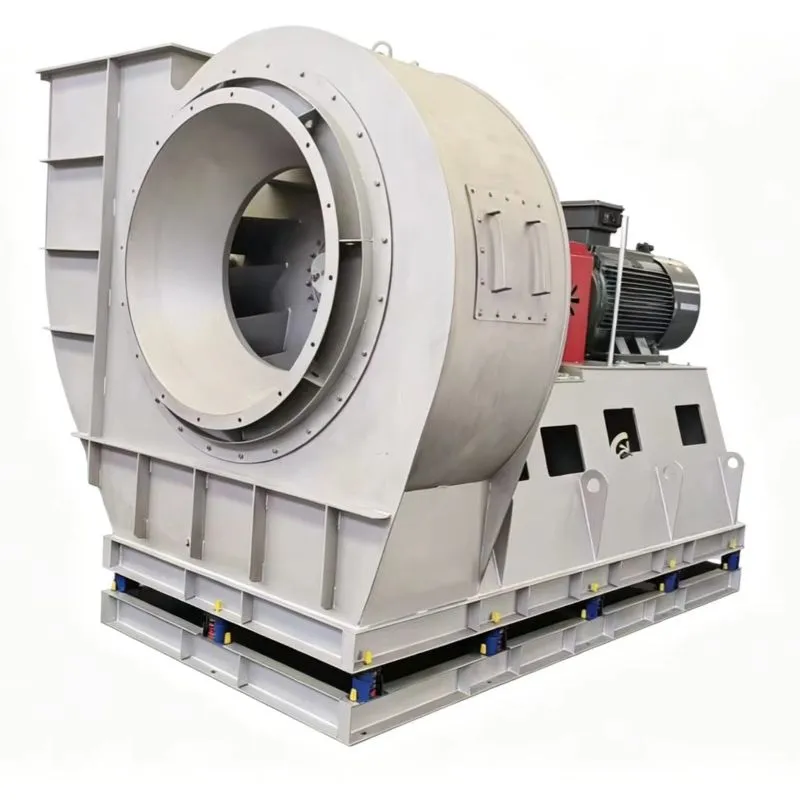
Zale zentrifugoak, on the other hand, accelerate air radially outward using an impeller. They excel in generating high static pressure, making them suitable for deep mines with long, restrictive ductwork or high resistance networks. While typically larger and heavier than axial counterparts, they offer exceptional stability and are less prone to surging in unstable network conditions.
Comparative Analysis: Choosing the Right Technology
To assist in the selection process, the following table outlines the key differences between axial and centrifugal mine main ventilation fans. This comparison highlights where each technology shines based on typical mining scenarios.
| Feature | Axial Flow Fan | Centrifugal Fan |
| Airflow Direction | Parallel to the shaft | Perpendicular to the shaft (radial) |
| Pressure Capability | Moderate to High | Very High |
| Flow Volume | Very High | Moderate to High |
| Footprint | Compact, linear design | Larger, requires more space |
| Efficacy in Variable Resistance | Good with VFD and pitch control | Excellent inherent stability |
| Noise Levels | Can be higher without silencers | Generally smoother acoustic profile |
| Ideal Application | Shallow to medium depth, high volume needs | Deep mines, high resistance networks |
The choice often depends on the mine’s life-of-mine plan. For expanding operations where resistance will increase over time, a centrifugal fan might offer better long-term stability. Conversely, for mines prioritizing maximum airflow throughput with manageable resistance, an axial solution with adjustable blades provides superior flexibility.
Benefits of Buying Direct from the Factory
Sourcing a mine main ventilation fan directly from the manufacturer offers substantial advantages over purchasing through intermediaries or general distributors. The most immediate benefit is cost efficiency. By removing markups added by agents and resellers, mines can secure factory-direct pricing, often resulting in significant capital expenditure savings.
Beyond price, direct engagement facilitates pertsonalketa. Every mine has unique geometric constraints, atmospheric conditions, and performance requirements. Factory engineers can modify fan dimensions, material grades, and motor specifications to fit these exact needs. Off-the-shelf solutions from third-party vendors rarely offer this level of tailored engineering.
Technical support and after-sales service are also enhanced when dealing directly with the source. Factory teams possess deep knowledge of their products’ design logic and manufacturing tolerances. This expertise translates into faster troubleshooting, more accurate spare parts recommendations, and comprehensive training for on-site maintenance crews.
For example, Zibo Hongcheng Fans exemplifies this dedicated manufacturing approach. Located within the Zibo Blower Industrial Park in Shandong Province, China, the company operates a 9,000-square-meter facility staffed by over 30 professionals. Founded in 2020 by industry veterans with two decades of blower experience, Zibo Hongcheng Fans has rapidly become a trusted partner for complex ventilation challenges. With a portfolio spanning more than 50 series and 600 specific models, they specialize in mining axial flow fans, centrifugal ventilators, and corrosion-resistant stainless steel units. Their comprehensive production processes and sound quality management system ensure that every product meets strict national standards, while their ability to customize solutions addresses the personalized demands of mines, coal fields, chemical plants, and metallurgical facilities worldwide.
Long-Term Value and Partnership
A direct relationship fosters a partnership approach rather than a transactional one. Manufacturers invested in the success of their clients often provide lifecycle management services. This includes periodic efficiency audits, upgrade paths for older units, and priority scheduling for emergency repairs.
- Warranty Clarity: Direct warranties eliminate ambiguity about coverage and claim processes.
- Spare Parts Availability: Guaranteed access to genuine components reduces the risk of compatibility issues.
- Design Iteration: Feedback from the mine site can directly influence future product improvements.
- Lead Time Optimization: Direct communication streamlines the production schedule, potentially accelerating delivery.
In an industry where equipment failure can have catastrophic consequences, the assurance of dealing with the original equipment manufacturer (OEM) provides a layer of trust and reliability that intermediaries cannot match. This alignment of interests ensures that the supplier is motivated to deliver the highest quality product possible.
Installation and Maintenance Best Practices
Even the most advanced mine main ventilation fan will underperform if not installed and maintained correctly. Proper installation sets the foundation for efficient operation, while a rigorous maintenance schedule ensures longevity and safety. Factory suppliers often provide detailed installation manuals and on-site supervision to guide this critical phase.
Site Preparation is the first step. The foundation must be robust enough to handle the dynamic loads and vibrations of the running fan. Misalignment between the motor and the fan shaft can lead to premature bearing failure and excessive noise. Laser alignment tools are commonly used to achieve micron-level precision during setup.
Electrical connections must adhere to strict mining safety codes. This includes proper grounding, explosion-proof conduit installation, and integration with the mine’s SCADA system. Testing the reversal mechanism before commissioning is a mandatory safety check to ensure the system responds correctly in emergencies.
Comprehensive Maintenance Strategies
Maintenance should be proactive rather than reactive. A well-structured program combines regular inspections with condition-based monitoring. Key maintenance activities include:
- Vibration Analysis: Regularly measuring vibration signatures to detect imbalance, misalignment, or bearing wear early.
- Lubrication Management: Ensuring bearings are lubricated with the correct grade of oil or grease at specified intervals.
- Blade Inspection: Checking for erosion, corrosion, or cracks, especially in harsh chemical environments.
- Motor Health Checks: Monitoring winding temperatures and insulation resistance to prevent electrical failures.
- Seal and Gasket Replacement: Maintaining air-tight integrity to prevent leakage and efficiency loss.
Implementing a digital twin or IoT-enabled monitoring system can further enhance maintenance efficacy. These systems provide real-time data analytics, predicting potential failures weeks in advance. This allows maintenance teams to schedule repairs during planned shutdowns, avoiding unplanned production stoppages.
Applications Across Different Mining Sectors
The versatility of modern mine main ventilation fan designs allows them to be deployed across a wide spectrum of mining sectors. From deep hard-rock gold mines to expansive coal seams and salt repositories, the core principles of ventilation remain consistent, though the specific challenges vary.
In coal mining, the primary concern is methane dilution and dust control. Fans here must be explosion-proof and capable of handling large air volumes to keep gas concentrations below legal limits. The abrasive nature of coal dust also necessitates robust blade materials and frequent cleaning protocols.
Metal and hard-rock mining often involves greater depths, leading to higher ambient temperatures and increased network resistance. Here, the focus shifts towards high-pressure capabilities and thermal regulation. Centrifugal fans are frequently favored in these scenarios due to their ability to overcome significant backpressure.
Specialized Environments and Challenges
Certain mining environments present unique challenges that require specialized fan configurations. For instance, potash and salt mines have highly corrosive atmospheres that can rapidly degrade standard steel components. In these cases, manufacturers utilize stainless steel alloys or specialized epoxy coatings to extend equipment life.
Uranium mining introduces radiological concerns, requiring ventilation systems that not only move air but also manage radon progeny. The filtration and airflow rates must be precisely calculated to ensure worker safety. Similarly, tunneling projects for infrastructure may use temporary main fans that need to be easily relocatable yet powerful enough to ventilate long drive headings.
- Deep Level Mines: Require high-pressure fans to combat thermal stratification and long duct runs.
- Room and Pillar Operations: Need high-volume axial fans to cover extensive lateral areas.
- Block Caving: Demands flexible ventilation solutions that can adapt as the cave propagates and resistance changes.
- Solution Mining: Often utilizes smaller, corrosion-resistant units for specific wellhead ventilation needs.
Regardless of the sector, the goal remains the same: providing a safe, breathable environment while optimizing energy usage. A knowledgeable supplier will assess the specific geological and operational context to recommend the most appropriate fan configuration.
Energy Efficiency and Sustainability in Ventilation
As the mining industry faces increasing pressure to reduce its carbon footprint, the energy efficiency of ventilation systems has become a top priority. Ventilation typically represents one of the largest single consumers of electricity in an underground mine. Optimizing this system is therefore a critical lever for achieving sustainability goals.
Modern mine main ventilation fans are designed with efficiency as a core metric. Advanced aerodynamic profiling reduces turbulence and drag, allowing the fan to move more air with less power. When combined with Variable Frequency Drives (VFDs), these fans can modulate their speed to match real-time demand, avoiding the energy waste associated with running at full capacity unnecessarily.
System optimization goes beyond the fan itself. It involves analyzing the entire ventilation network to minimize leakage and resistance. Sealing old workings, optimizing regulator settings, and ensuring smooth airflow paths can significantly reduce the load on the main fan. This holistic approach maximizes the return on investment for high-efficiency equipment.
The Role of Smart Technology in Green Mining
The integration of smart technologies is revolutionizing how mines manage ventilation energy. Automated control systems can adjust fan speeds based on sensor data regarding gas levels, vehicle presence, and personnel location. This “ventilation-on-demand” strategy ensures that energy is only expended where and when it is needed.
- Real-Time Monitoring: Continuous tracking of power consumption and airflow efficiency.
- Predictive Algorithms: AI-driven models that forecast ventilation needs based on production schedules.
- Remote Adjustments: Ability to tweak fan parameters from a central control room without site visits.
- Carbon Reporting: Automated generation of energy usage reports to support sustainability compliance.
By adopting these technologies, mines can significantly lower their operational costs and environmental impact. Factory-direct suppliers are increasingly offering these smart features as standard or optional upgrades, enabling mines to future-proof their infrastructure against rising energy costs and stricter environmental regulations.
Frequently Asked Questions (FAQ)
Addressing common queries helps clarify the procurement and operational aspects of mine ventilation. Below are answers to frequently asked questions regarding mine main ventilation fans.
How do I determine the correct size for my mine?
Sizing a main ventilation fan requires a detailed ventilation survey and network simulation. Factors such as mine depth, number of working faces, equipment diesel ratings, and expected gas emissions must be analyzed. It is highly recommended to engage with the manufacturer’s engineering team to perform these calculations and ensure the selected fan operates near its peak efficiency point.
What is the typical lead time for a custom mine fan?
Lead times vary depending on the complexity of the customization and current production schedules. Standard models may be available for quicker shipment, while fully customized units with specific materials or motor ratings typically require several months for manufacturing and testing. Direct factory communication provides the most accurate timeline based on current capacity.
Can existing fans be upgraded instead of replaced?
In many cases, yes. Retrofitting older fans with new high-efficiency blades, upgraded motors, or VFDs can significantly improve performance and reduce energy consumption. This is often a cost-effective alternative to full replacement. Manufacturers can assess the condition of existing hardware to determine the feasibility of an upgrade.
What certifications should I look for?
Depending on your region and the mine’s classification, look for certifications such as ATEX or IECEx for explosive atmospheres, ISO 9001 for quality management, and local mining safety authority approvals. These certifications ensure the equipment meets rigorous safety and quality standards.
How often should the fan blades be inspected?
Inspection frequency depends on the operating environment. In highly corrosive or dusty conditions, monthly visual inspections may be necessary, followed by detailed annual checks. Vibration monitoring can also indicate when a physical inspection is required. Always follow the manufacturer’s maintenance manual for specific intervals.
Conclusion: Making the Right Choice for Your Operation
Selecting the right mine main ventilation fan is a decision that impacts safety, productivity, and profitability for the life of the mine. The complexity of underground environments demands equipment that is not only powerful but also reliable, efficient, and adaptable. By partnering with a dedicated factory-direct supplier, mining operations gain access to tailored engineering, competitive pricing, and unparalleled technical support.
The advantages of direct procurement extend beyond initial cost savings. They encompass a collaborative relationship focused on long-term performance. Whether you require a high-volume axial fan for a shallow coal seam or a high-pressure centrifugal unit for a deep metal mine, the right manufacturer will provide a solution optimized for your specific challenges.
Who is this solution for? This approach is ideal for mine planners, procurement managers, and safety officers looking to upgrade existing infrastructure or equip new projects with state-of-the-art ventilation technology. If your priority is maximizing energy efficiency, ensuring regulatory compliance, and minimizing downtime, engaging directly with a specialized manufacturer is the strategic path forward.
Take the next step towards a safer and more efficient mining operation. Evaluate your current ventilation needs, consider the long-term benefits of high-efficiency technology, and reach out to a trusted factory supplier to discuss your specific requirements. Investing in the right ventilation today secures the productivity and safety of your mine for tomorrow.