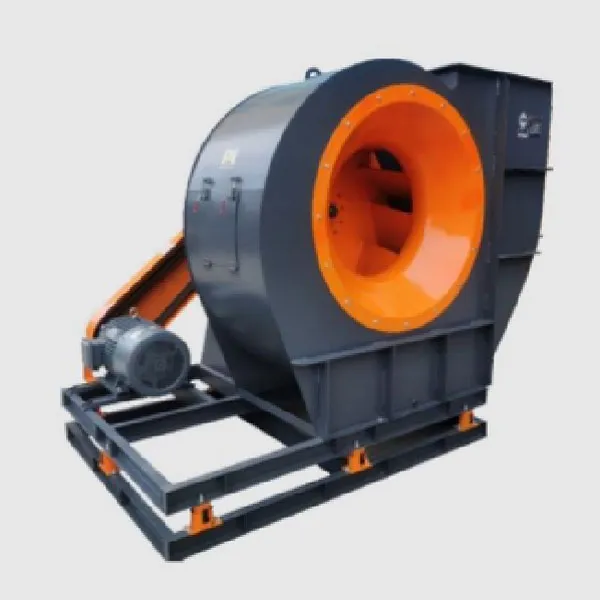
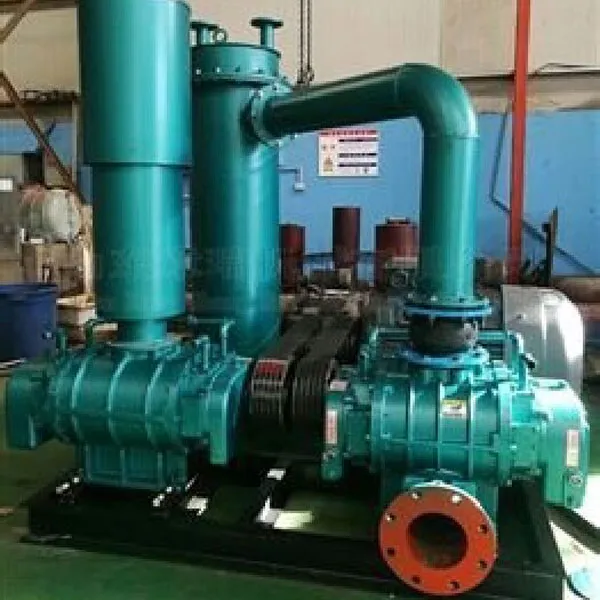
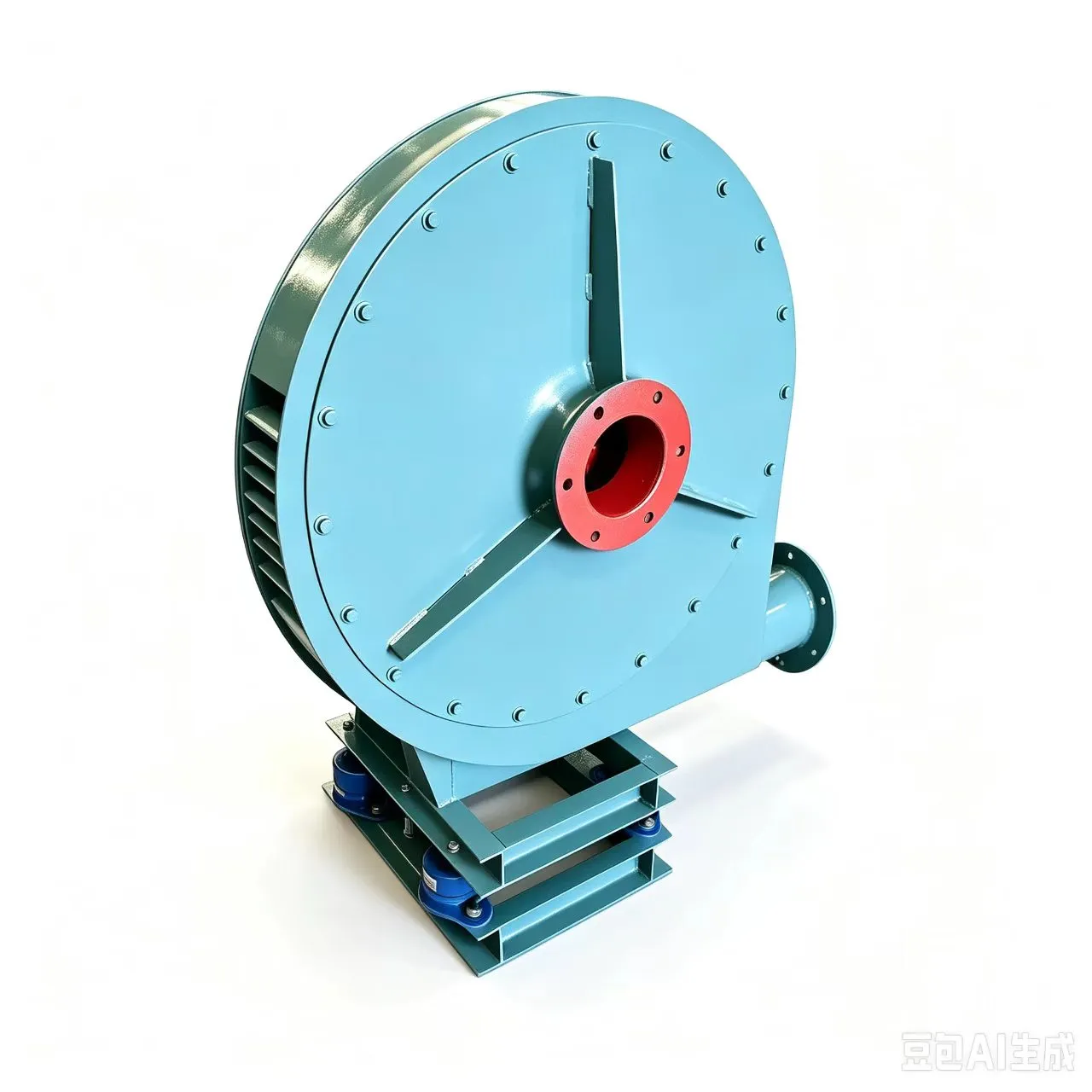
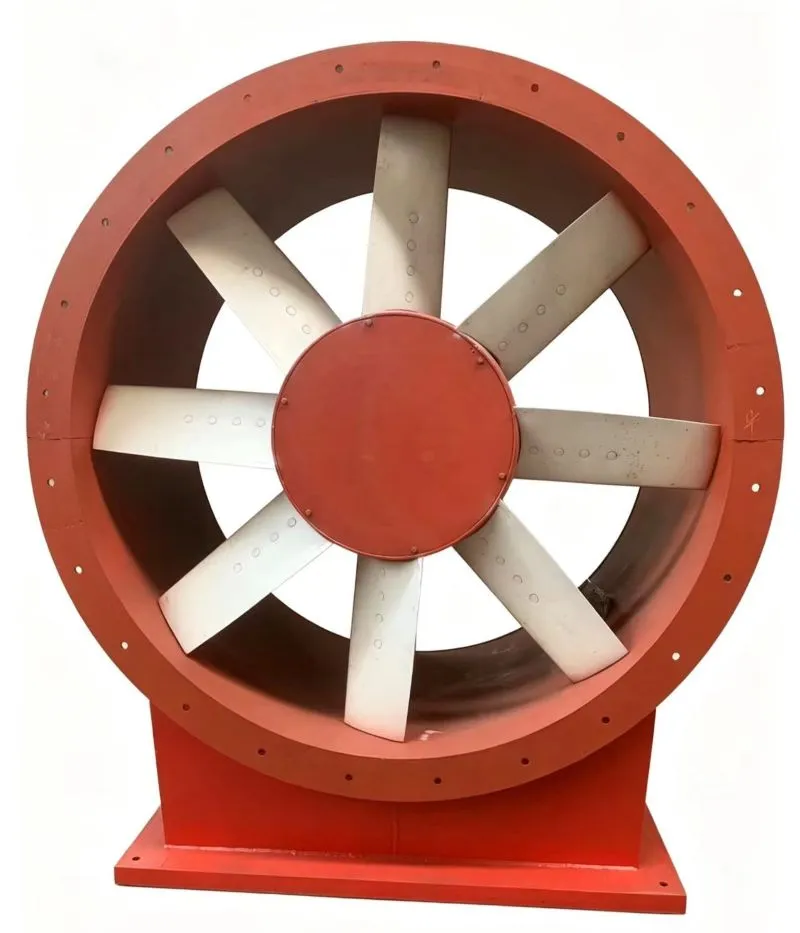
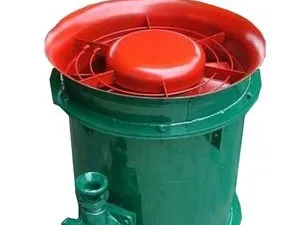
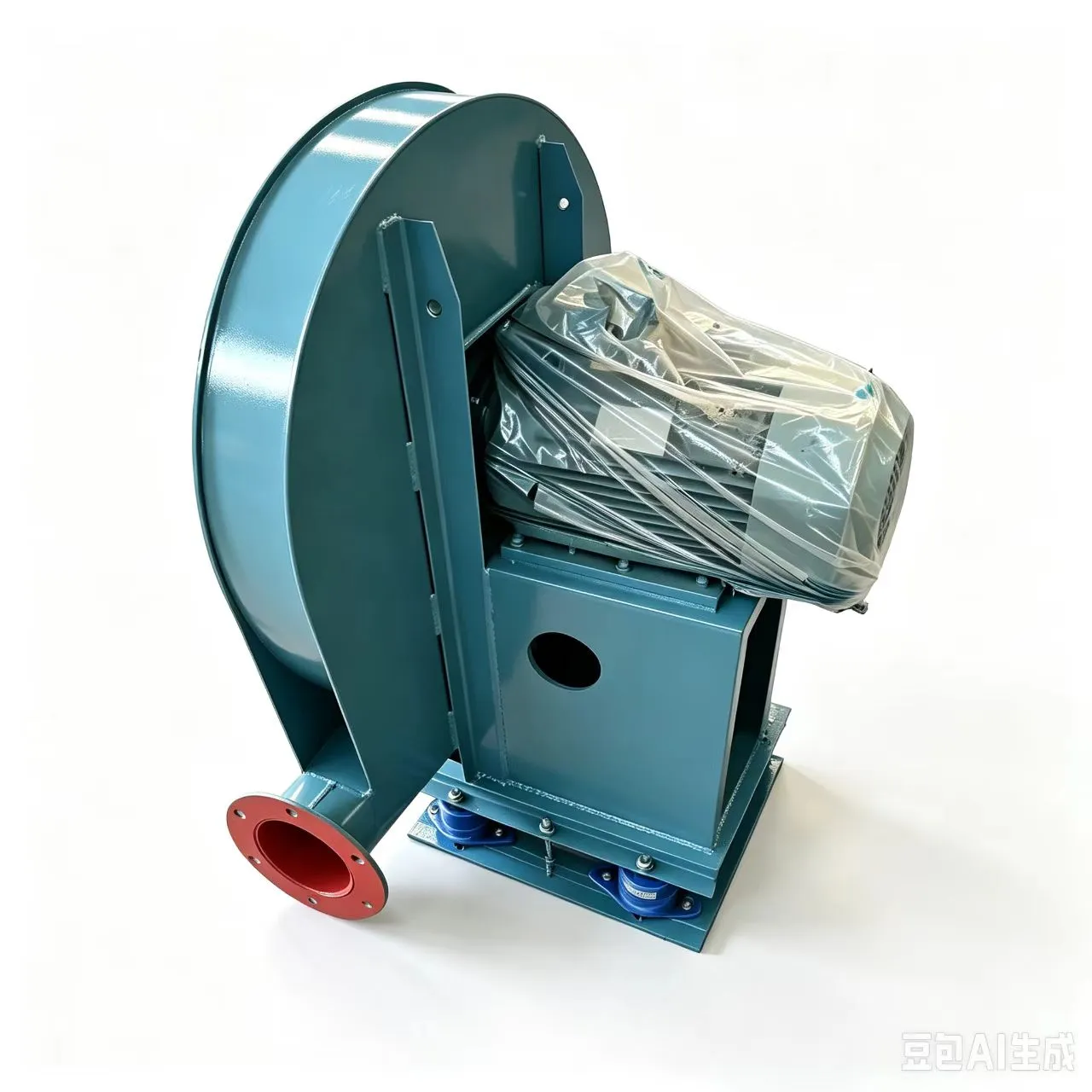
An fanatik rezistan abrasion is a specialized industrial ventilation unit engineered to withstand continuous exposure to high-velocity particulate matter, such as dust, ash, sand, and metal fragments. Unlike standard centrifugal fans, these units utilize hardened alloys, reinforced impeller designs, and wear-resistant linings to prevent erosion of the blade profile and housing. This structural integrity ensures consistent airflow performance, reduced vibration, and extended operational lifespan in harsh environments like mining, cement production, and power generation. For industries dealing with abrasive media, selecting the right abrasion-resistant configuration is critical to minimizing downtime and maintenance costs.
What Is an Abrasion-Resistant Fan and How Does It Work?
In heavy industrial settings, airborne particles act like sandpaper against rotating machinery. An abrasion-resistant fan mitigates this damage through specific engineering choices focused on material hardness and aerodynamic efficiency. The core function remains moving air or gas, but the construction prioritizes durability over simple volume displacement.
The Mechanics of Erosion in Industrial Fans
Erosion occurs when solid particles impact the fan components at high speeds. The severity of wear depends on particle size, hardness, concentration, and impact angle. Standard steel blades can lose their aerodynamic shape within months in high-dust environments, leading to imbalance, increased energy consumption, and eventual mechanical failure. Abrasion-resistant fans address this by altering the surface properties and geometry of the critical components.
- Impeller Protection: The impeller is the most vulnerable part. Manufacturers use wear plates, hard-facing welds, or entirely cast hardened alloys to protect the leading edges of the blades.
- Housing Linings: The inner casing is often lined with replaceable ceramic tiles, manganese steel plates, or rubber coatings to absorb particle impact before it reaches the structural shell.
- Bearing Isolation: Advanced sealing systems prevent dust from entering the bearing housing, which is a common cause of premature bearing failure in dusty conditions.
Key Design Features for Durability
At Zibo Hongcheng Fans, located within the Zibo Blower Industrial Park in Shandong Province, our engineering approach integrates over 20 years of industry experience into every unit. Established in 2020, our facility leverages this deep expertise to produce fans that meet rigorous national standards while addressing specific customer pain points. We understand that an abrasion-resistant fan is not just about thicker metal; it is about intelligent design.
Our manufacturing process covers 9,000 square meters and employs over 30 skilled staff members who specialize in mining axial flow fans, centrifugal ventilators, and customized corrosion-resistant solutions. This focus allows us to implement precise quality controls across more than 50 series and 600 specifications. For abrasion resistance, we prioritize balanced rotor dynamics to reduce vibration caused by uneven wear, ensuring smoother operation even as the fan ages.
Material Selection: The Foundation of Wear Resistance
The choice of material determines the baseline lifespan of an industrial fan in abrasive conditions. There is no single “best” material; rather, the optimal choice depends on the specific type of abrasion (low-stress scratching vs. high-impact gouging) and the chemical environment.
High-Manganese Steel and Hardened Alloys
For high-impact applications, such as handling crushed ore or large coal chunks, high-manganese steel is often the preferred choice. This material work-hardens upon impact, meaning it becomes tougher as it absorbs energy. Alternatively, chromium-carbide overlays provide extreme surface hardness, ideal for fine, fast-moving dust streams found in cement kilns or fly ash handling.
Ceramic and Composite Linings
In scenarios where weight is a concern or extreme hardness is required without adding massive structural bulk, ceramic linings are effective. These are typically bonded to the steel substrate using high-strength adhesives or mechanical fasteners. Composites offer a middle ground, providing good abrasion resistance with some degree of flexibility to handle thermal expansion.
| Material Type | Best Application | Advantages | Limitations |
| High-Manganese Steel | Crushers, Mining, Heavy Impact | Work-hardens, high toughness | Heavier, higher cost |
| Chromium-Carbide Overlay | Fly Ash, Cement Dust, Fine Particles | Extreme surface hardness | Brittle under heavy impact |
| Ceramic Tiles | High-Temperature Dust, Chemical Plants | Lightweight, chemically inert | Complex installation, fragile if hit by large objects |
| Rubber Linings | Wet Slurry, Low-Speed Abrasion | Energy absorbing, corrosion resistant | Temperature limited, not for sharp particles |
Common Applications for Abrasion-Resistant Fans
Understanding where these fans are deployed helps in identifying the specific requirements for your project. Different industries present unique challenges regarding particle size, temperature, and corrosiveness.
Mining and Mineral Processing
Mines generate vast amounts of dust and particulate matter. Ventilation systems in underground mines and surface processing plants must handle rock dust, silica, and coal particles. Here, the fan must not only resist abrasion but also maintain high pressure to push air through long ductwork. Zibo Hongcheng Fans specializes in mining axial flow fans designed to withstand these rigorous conditions, ensuring safe air quality for workers and equipment.
Cement and Building Materials
The cement industry is one of the most demanding sectors for industrial fans. From raw meal grinding to clinker cooling and final cement milling, the air streams are loaded with highly abrasive limestone and cement dust. Temperatures can also fluctuate significantly. Our centrifugal ventilators are engineered to handle these thermal and mechanical stresses, providing reliable performance in kiln exhaust and dedusting systems.
Power Generation and Boiler Systems
Coal-fired power plants and biomass boilers produce fly ash, a fine, glass-like particle that is extremely abrasive. Induced draft (ID) fans and primary air fans in these facilities require robust protection against erosion. Stainless steel fans and specialized alloy constructions are often used here to combine abrasion resistance with the ability to withstand moderate corrosion from flue gases.
Metallurgy and Steel Production
In steel mills, fans handle iron oxide dust, scale, and other metallic particles. These environments often involve high temperatures and potential corrosive elements. Customized production capabilities allow us to tailor fan specifications to match the exact chemical composition of the exhaust gas, ensuring longevity in metallurgical processes.
How to Choose the Right Abrasion-Resistant Fan
Selecting the correct fan involves more than just picking a durable material. It requires a holistic view of the system dynamics. As a manufacturer with comprehensive supporting equipment and complete production processes, Zibo Hongcheng Fans advises considering the following technical parameters before making a decision.
1. Analyze the Particulate Matter
Define the characteristics of the dust or particles:
- Size Distribution: Are the particles fine dust (<10 microns) or coarse granules (>1mm)? Fine dust causes uniform erosion, while coarse particles cause impact damage.
- Hardness: Use the Mohs scale to determine particle hardness relative to the fan material.
- Concentration: High concentrations require heavier-duty protection and potentially lower tip speeds to reduce impact energy.
2. Determine Operational Parameters
Accurate data on airflow volume (m³/h), static pressure (Pa), and temperature (°C) is essential. Oversizing a fan can lead to unnecessary energy costs and increased wear due to higher velocities. Undersizing leads to inefficiency and overheating. Our team assists in calculating these parameters to ensure the selected model from our 600+ specifications matches your needs precisely.
3. Consider Maintenance Accessibility
Even the most abrasion-resistant fan will eventually require maintenance. Designs that feature modular wear plates, easy-access inspection doors, and replaceable liners significantly reduce downtime. Zibo Hongcheng Fans designs its products with maintenance in mind, allowing for quick replacement of worn components without removing the entire unit.
4. Evaluate Corrosion Factors
Abrasion often coexists with corrosion. In chemical plants or waste incineration, acidic gases can weaken the metal surface, making it more susceptible to abrasion. In such cases, stainless steel fans or coated variants are necessary. Our focus on corrosion-resistant fans ensures that we can provide dual-protection solutions for complex environments.
Manufacturing Excellence at Zibo Hongcheng Fans
Quality control is the backbone of reliable industrial equipment. At our facility in Zibo City, we adhere to strict quality management systems. Every fan undergoes rigorous testing before shipment. This includes dynamic balancing of the impeller to ISO standards, ensuring minimal vibration during operation. Vibration is a key indicator of wear; a well-balanced fan starts with less stress on bearings and seals, extending the overall service life.
Our founders’ 20 years of experience in the blower industry inform every design decision. We do not simply assemble parts; we engineer solutions. Whether you need a standard centrifugal ventilator for a textile factory or a custom-built axial fan for a coal mine, our sound quality management system ensures that all technical indicators meet national standards. This commitment to quality builds trust with our clients in oil fields, kilns, and building material plants worldwide.
Maintenance Strategies for Extended Lifespan
Proper maintenance is crucial to maximizing the return on investment for abrasion-resistant fans. While these units are built to last, proactive care can double or triple their operational life.
Regular Inspection Protocols
Implement a scheduled inspection routine focusing on:
- Blade Thickness: Measure blade thickness at regular intervals to track wear rates. This data helps predict when replacements are needed.
- Vibration Levels: Monitor vibration signatures. A sudden increase often indicates uneven wear or material buildup on the impeller.
- Seal Integrity: Check shaft seals for dust leakage. Compromised seals allow abrasive particles to enter bearings, causing rapid failure.
Cleaning and Buildup Removal
Material buildup on fan blades can cause imbalance and reduce efficiency. Regular cleaning, either through automated air cannons or manual access, prevents this issue. In sticky or humid environments, anti-adhesion coatings may be applied to reduce buildup.
Timely Replacement of Wear Parts
Do not wait for catastrophic failure. Replace wear plates, liners, and seals as soon as they reach their minimum thickness threshold. Keeping spare parts on hand minimizes downtime. Zibo Hongcheng Fans supports our customers with readily available spare parts and technical guidance for maintenance procedures.
Frequently Asked Questions (FAQ)
What is the difference between an abrasion-resistant fan and a standard industrial fan?
Standard fans are designed for clean air or low-dust environments and typically use mild steel. Abrasion-resistant fans use hardened materials, protective linings, and specialized geometries to withstand continuous particle impact, offering significantly longer life in dusty conditions.
Can abrasion-resistant fans handle high temperatures?
Yes, many models are designed for high-temperature applications. However, the material selection must account for both heat and abrasion. For example, certain alloys maintain hardness at elevated temperatures, while ceramic linings offer excellent thermal stability. Always specify the operating temperature when requesting a quote.
How often should I inspect my fan for wear?
Inspection frequency depends on the severity of the abrasive environment. In high-dust applications like cement milling, monthly inspections are recommended. In lighter duties, quarterly checks may suffice. Monitoring vibration levels continuously can also provide early warnings of wear.
Does Zibo Hongcheng Fans offer customized solutions?
Yes, customized production is a core part of our service. With over 50 series and 600 specifications, we can tailor dimensions, materials, and motor configurations to meet specific personalized demands. Our engineering team works directly with clients to solve unique ventilation challenges.
What industries benefit most from these fans?
Industries with high particulate loads benefit the most, including mining, coal processing, cement manufacturing, power generation (boilers), metallurgy, and chemical processing. Any application involving the movement of air containing solid particles is a candidate for an abrasion-resistant solution.
Why Partner with Zibo Hongcheng Fans?
Choosing a manufacturer is about more than just the product; it is about partnership and reliability. Zibo Hongcheng Fans combines modern manufacturing capabilities with decades of foundational expertise. Our location in the Zibo Blower Industrial Park places us at the heart of China’s fan manufacturing hub, giving us access to superior supply chains and skilled labor.
We do not just sell fans; we provide ventilation solutions. Our team understands the nuances of different industries, from the explosive risks in coal mines to the corrosive nature of chemical plants. By focusing on quality, customization, and after-sales support, we ensure that your operations run smoothly and efficiently.
Our commitment to meeting national standards and our ability to deliver customized products make us a trusted partner for businesses in textiles, building materials, oil fields, and beyond. When you choose Zibo Hongcheng Fans, you are choosing a supplier that values long-term performance over short-term gains.
Conclusion and Next Steps
Abrasion-resistant fans are essential for maintaining efficiency and safety in harsh industrial environments. By understanding the mechanisms of wear, selecting the right materials, and partnering with an experienced manufacturer, you can significantly reduce maintenance costs and improve operational uptime. Zibo Hongcheng Fans stands ready to provide high-quality, durable solutions tailored to your specific needs.
If you are facing challenges with fan wear, excessive downtime, or inefficient ventilation, it is time to evaluate your current setup. Our team is equipped to analyze your requirements and recommend the optimal fan configuration from our extensive range.
Ready to optimize your industrial ventilation?
Contact Zibo Hongcheng Fans today to discuss your project requirements. Whether you need a standard model or a fully customized solution, we are here to help you achieve reliable, long-lasting performance.
Explore Our Full Range of Industrial Fans and Technical Solutions