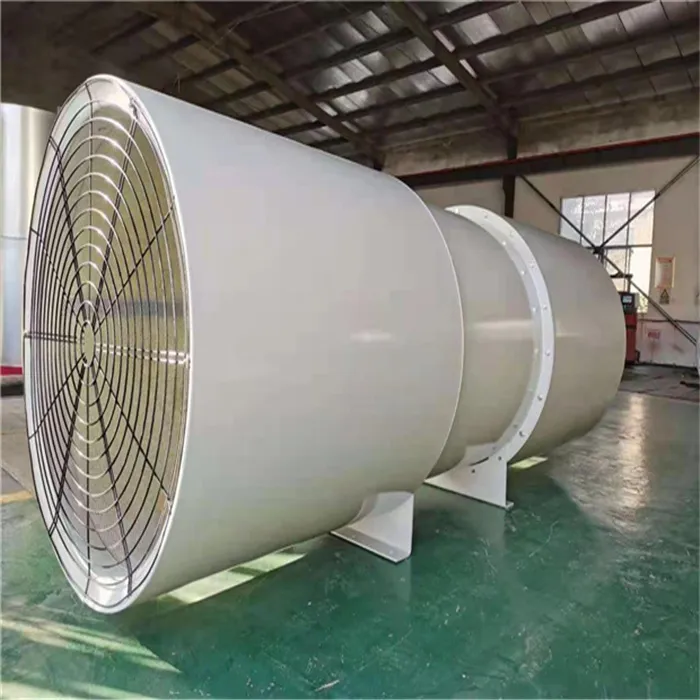
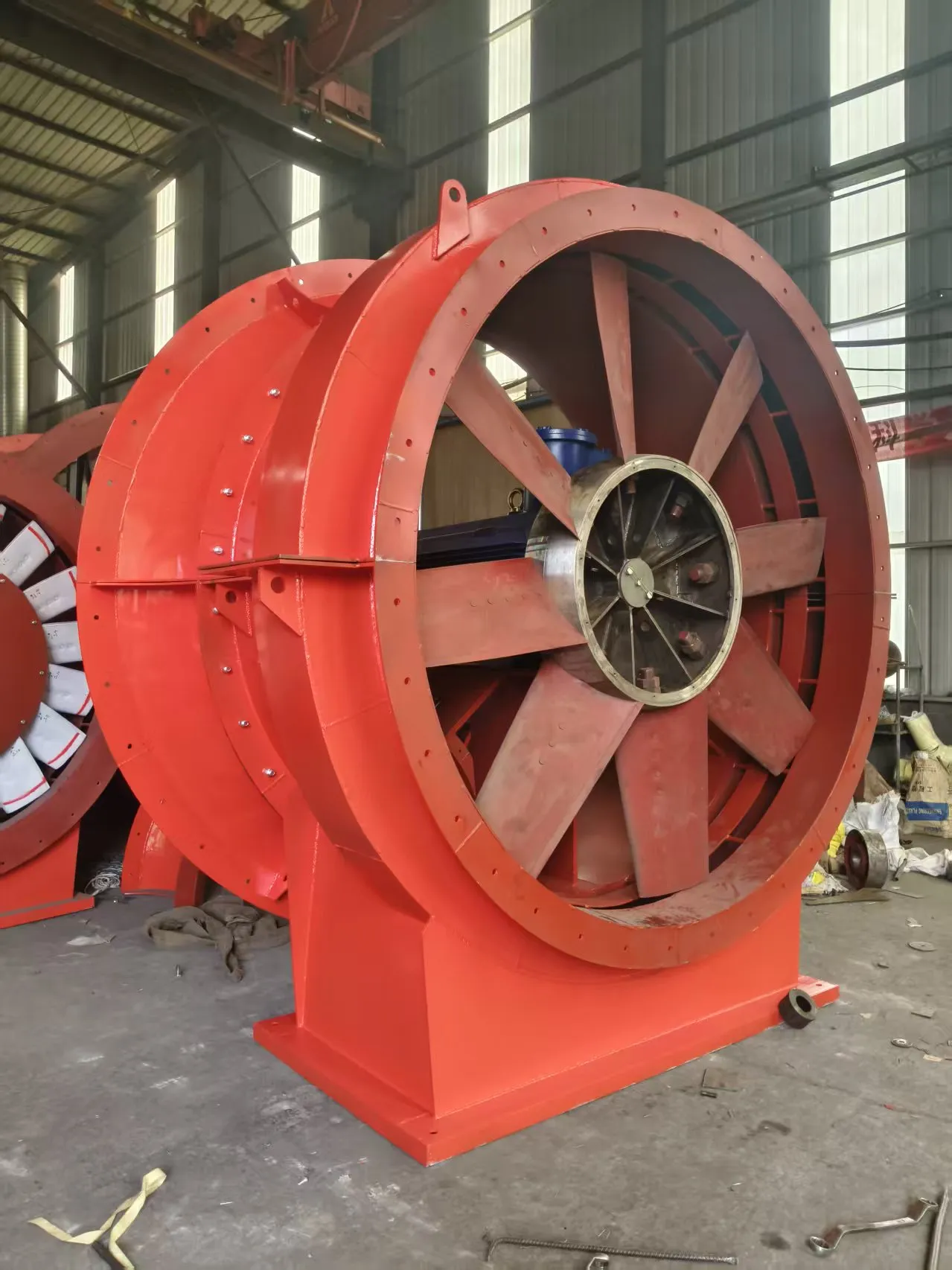
When someone asks about the best 1 hp centrifugal blower for sustainability, my first instinct is to push back on the question itself. The industry is littered with spec sheets promising peak efficiency and green operation, but in practice, sustainability isn’t just a sticker on the motor. It’s a function of application fit, durability, and total lifecycle cost. Too many procurement folks get hung up on the nameplate horsepower or a flashy efficiency percentage at a single operating point, completely missing the real-world variables that determine whether a blower is truly sustainable or just another piece of scrap in five years.
The Horsepower Trap and Real-World Duty Cycles
Let’s start with the 1 hp tag. It’s a common request, but it’s often wrong. I’ve seen countless systems where a 1 hp blower was specified because it sounded right, only to be constantly overloaded or, more commonly, running far off its best efficiency point (BEC). A blower operating at 30% of its capacity because it was oversized is arguably less sustainable than a correctly sized 0.75 hp unit running at 80% load. The energy waste over years is staggering. The true starting point isn’t the horsepower; it’s a detailed system curve—static pressure, airflow, and the nature of the duty cycle. Is it running 24/7 in a wastewater aeration basin, or is it a intermittent fume extraction system? The sustainability equation changes completely.
This is where I’ve learned to trust manufacturers that provide detailed performance maps, not just a single data point. You need to see the fan curve across its range. I recall a project for a small-scale pneumatic conveying system where we initially spec’d a generic 1 hp unit. It worked, but the amperage draw was inconsistent and high. We switched to a more engineered option from a specialist like Zibo Hongcheng Fan Co., Ltd., not because of their marketing, but because their technical team asked for our actual ducting layout and material density. The unit they recommended was still nominally 1 hp, but its impeller design was tailored for a denser medium, which brought the operating point squarely into the high-efficiency island of the curve. The energy savings paid for the unit in under 18 months.
Their website, https://www.hongchengfan.com, shows their range—over 600 models across more than 50 series. That variety isn’t just for show. It signals an ability to match a product to an application, which is the first, and most overlooked, principle of sustainable operation: right-sizing.
Build Quality: The Unseen Driver of Long-Term Value
Sustainability is longevity. A blower that needs bearing replacements every year or whose housing rusts through in a corrosive environment is a failure, no matter how efficient its initial rating. The choice of materials is critical. For standard air, coated steel might suffice. But for many industrial sustainable applications—think composting, biogas, or mildly corrosive fume extraction—the material is the whole game.
This is where a company’s core focus matters. Hongcheng’s stated emphasis on centrifugal ventilators and corrosion-resistant fans isn’t a random bullet point. In my experience, manufacturers who list corrosion resistance as a primary offering typically build it into the design from the start, not as an afterthought. I once made the mistake of using a standard blower with a corrosion-resistant paint in a humid, salty-air environment. It was a disaster. The housing lasted, but the impeller, made of a lesser-grade aluminum, literally pit and became unbalanced within two years, causing vibration, noise, and a massive drop in efficiency. We replaced it with a unit built with a stainless steel impeller and a fully coated housing. The upfront cost was 40% higher, but it’s been running silently for over six years now. That’s sustainability.
The lesson? Look beyond the motor specs. Examine the construction details: the impeller alloy, the housing thickness, the bearing seal type. A well-sealed, permanently lubricated bearing system can prevent downtime and maintenance waste, adding years to the service life.
Efficiency Beyond the Nameplate: System Integration
Even the best blower can be hamstrung by poor installation. I can’t stress this enough. You can buy a top-tier, high-static efficiency centrifugal blower, but if you install it with crimped flexible ducting right at the inlet, you’ve created a turbulence nightmare that kills performance. The system approach is everything.
A practical tip: always insist on a straight duct run of at least 1.5 times the inlet diameter before the blower inlet if space allows. It allows for clean, laminar airflow into the impeller. I learned this the hard way on a dust collection retrofit. The blower was underperforming, and we were ready to blame the supplier. After a site visit, we realized the inlet was butted right against an elbow from the cyclone. Adding a simple straight-spool piece brought the static pressure drop down by nearly 15%, allowing the blower to shift back to its optimal curve. The blower itself didn’t change; the system around it did. Sustainable design is about the whole picture.
Furthermore, consider controls. A simple on/off switch for a 1 hp blower in a variable-demand scenario is wasteful. Pairing it with a basic variable frequency drive (VFD), even a small one, can modulate airflow to match demand precisely, reducing energy consumption dramatically during off-peak periods. The initial investment is quickly recouped.
The Maintenance Reality Check
No piece of equipment is sustainably fit and forget. But the best ones are fit and almost forget. Ease of maintenance is a huge, tangible component of sustainability. If a simple filter change or bearing check requires a full disassembly with special tools, you’re looking at extended downtime, potential for re-installation errors, and higher labor costs.
I prefer designs with hinged or removable access panels. I remember comparing two 1 hp blowers for a HVAC make-up air unit. One had a welded casing; to clean the impeller, you had to unbolt the entire motor and impeller assembly. The other, a model from a line similar to Hongcheng’s centrifugal ventilators, featured a bolted, gasketed casing that split horizontally. You could open it, inspect and clean the impeller in place, and close it in under 30 minutes. Guess which one the maintenance crew preferred and kept in better condition? The easier it is to care for, the better it will be cared for, directly extending its operational life and preserving its efficiency.
This also ties into parts availability. A sustainable blower from a company that disappears or can’t supply a replacement impeller in a reasonable time is a liability. Manufacturers with a broad, established catalog and clear parts channels support the long-term viability of your investment.
Pulling It All Together: A Practical Selection Mindset
So, is there a single best 1 hp centrifugal blower for sustainability? No. There’s a best for your specific application. The hunt should start with a brutally honest assessment of your real operating conditions: the gas being moved, its temperature, particulate load, corrosiveness, duty cycle, and system layout.
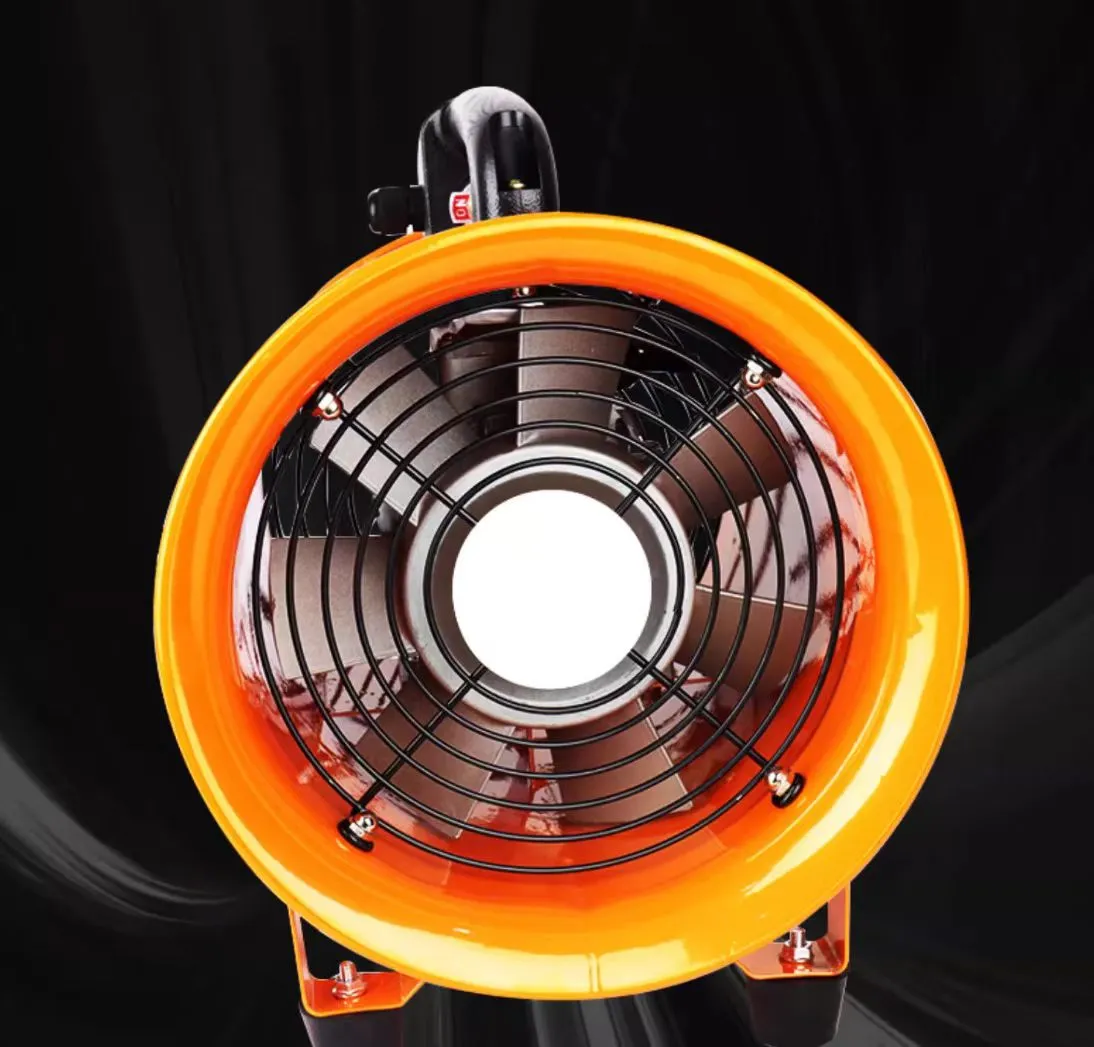
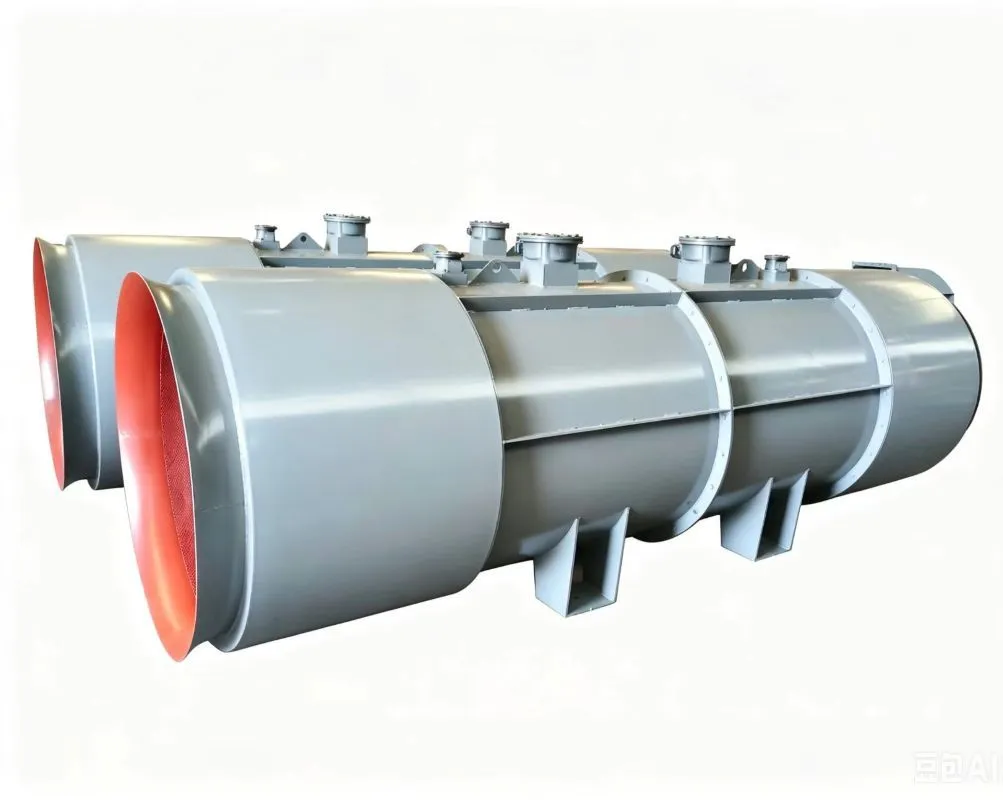
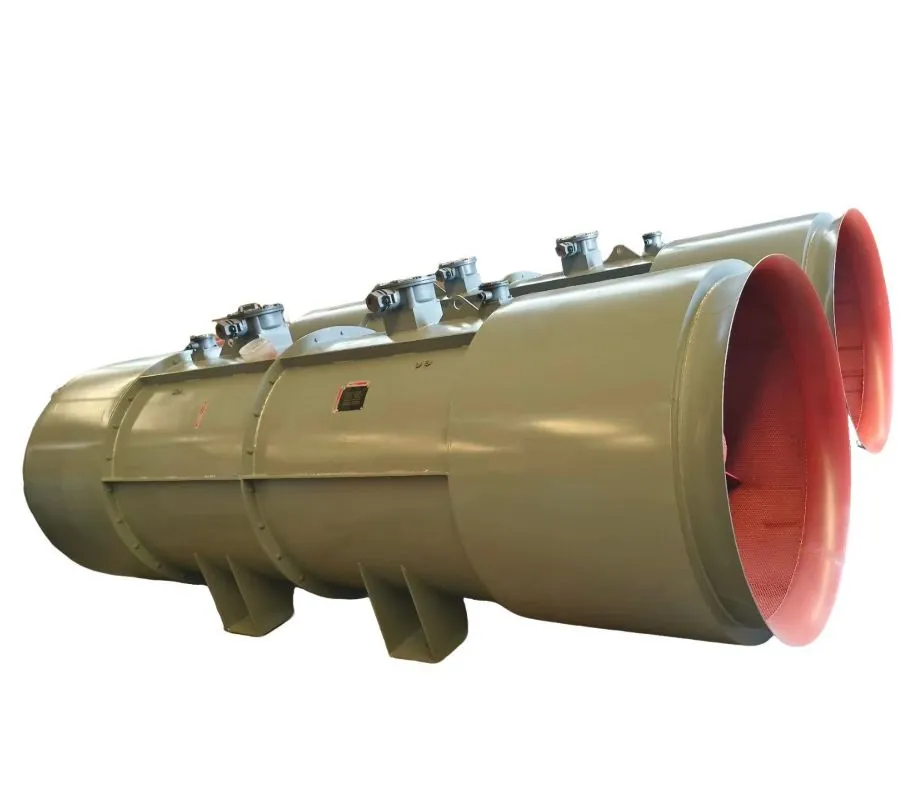
Then, look for manufacturers whose product philosophy aligns with durability and correct application. A company like Zibo Hongcheng Fan Co., Ltd., with its focus on specific industrial fan types, often has more ingrained expertise in building for harsh, continuous-duty environments than a generalist OEM. Their offering of mining axial flow fans and corrosion-resistant fans indicates a depth in areas where equipment failure is not an option. Use that specialization to your advantage.
Finally, think in terms of total cost of ownership. The sustainable choice is rarely the cheapest on the initial quote. It’s the one that, when you factor in energy consumption over its projected lifespan, expected maintenance costs, and the likelihood of premature failure, presents the lowest cost and the smallest environmental footprint per year of service. It’s the blower you install and then genuinely don’t have to worry about for years to come. That peace of mind, born from robust design and proper selection, is the ultimate indicator you’ve made a sustainable choice.