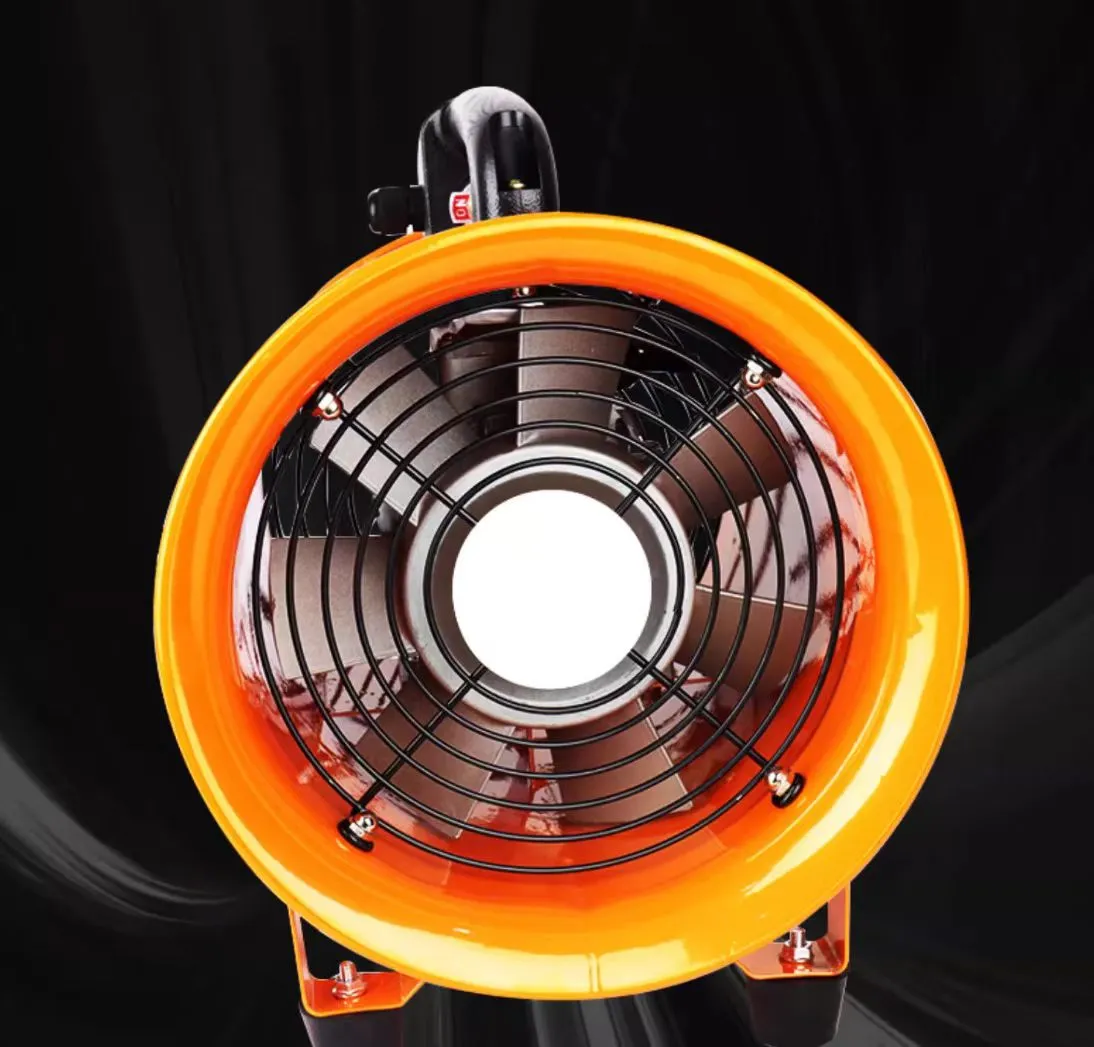
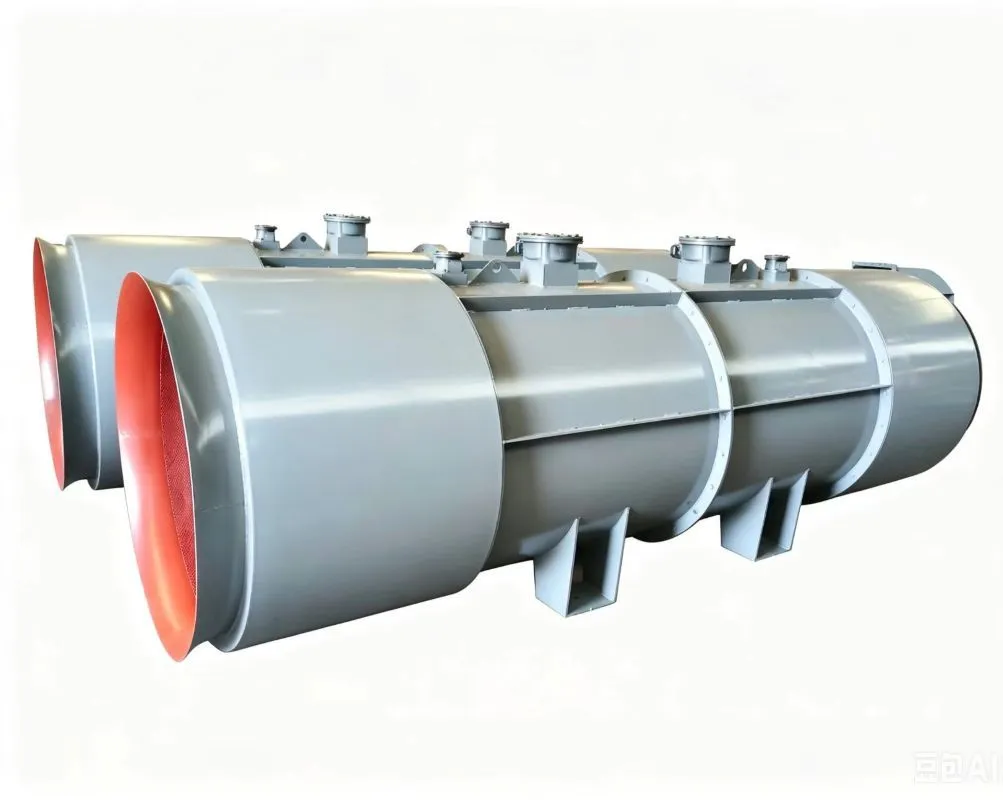
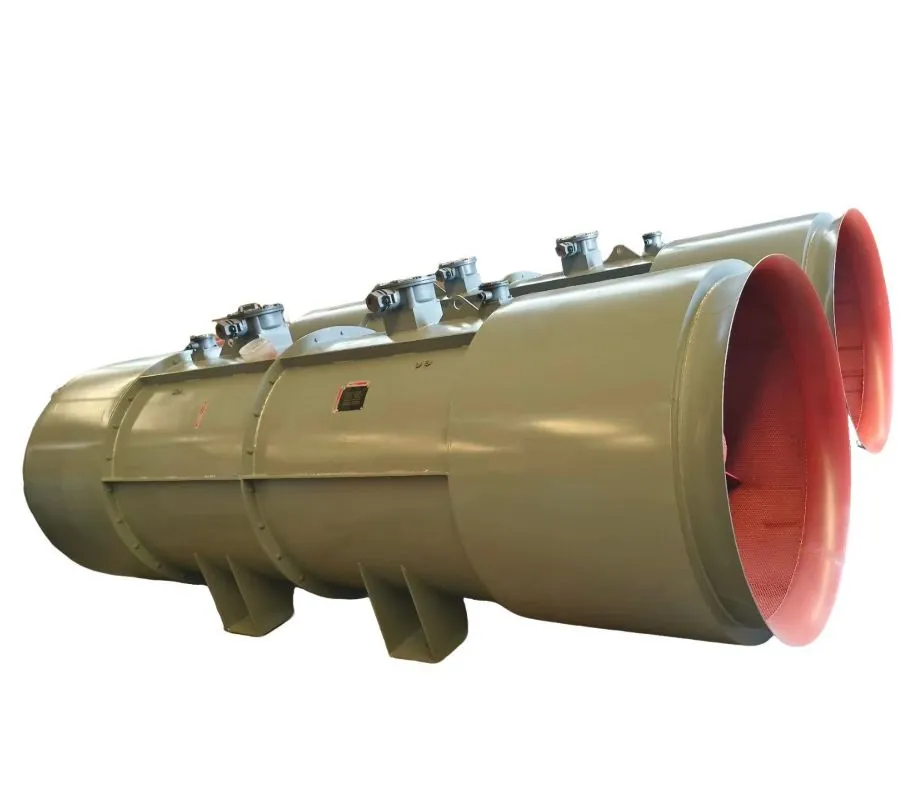
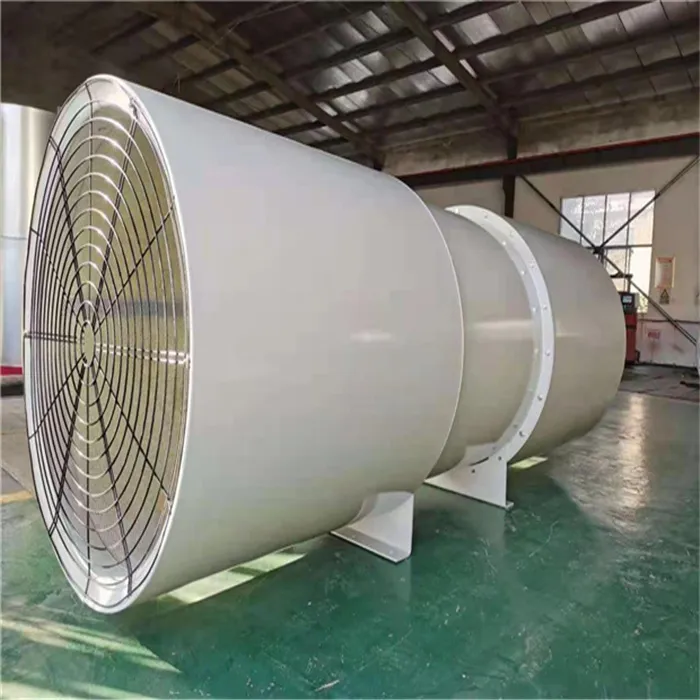
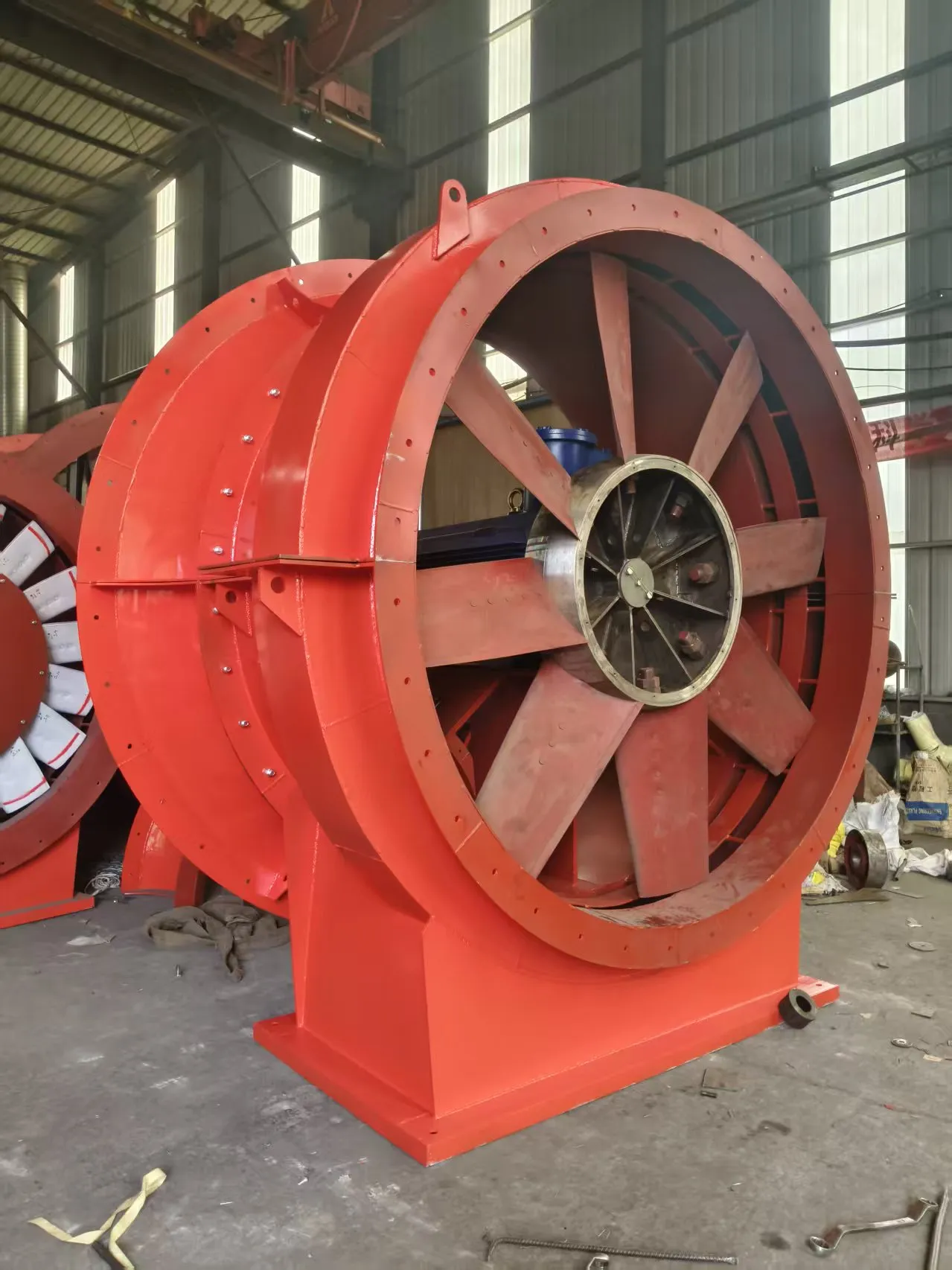
Centrifugal blower with motor systems solve one persistent pain point: energy loss at the coupling. We’ve seen too many plants lose 8–12% efficiency just because of belt slippage, misalignment, or bearing wear in indirect-drive setups. That’s why direct-drive centrifugal blowers—especially those engineered for continuous industrial duty—have become the quiet workhorses behind stable airflow, lower OPEX, and tighter process control.
Why Direct-Drive Beats Belted or Coupled Setups
Direct-drive means the motor shaft connects straight to the impeller hub—no belts, no couplings, no intermediate shafts. In real-world operation, this eliminates three failure vectors we track across mining ventilation sites and chemical processing lines: vibration-induced bearing fatigue, alignment drift after thermal cycling, and maintenance downtime from tension recalibration. A Zibo Hongcheng Fan Co., Ltd. 4-72-11 No.8C stainless steel centrifugal blower with integrated 30 kW IE3 motor ran 14,200 hours without bearing replacement—while its belt-driven counterpart on the same duct system required seven bearing changes and four belt replacements in the same period.
This isn’t theoretical. Direct drive cuts mechanical losses to under 2%. Belt drives average 5–9% loss. Gearboxes? 10–15%. That difference compounds fast: a 75 kW blower running 24/7 at 80% load saves over $2,100/year in electricity alone when switching from belt to direct drive—before factoring in labor, spare parts, and unplanned shutdowns.
But direct drive only delivers value if the motor and impeller are thermally and dynamically matched. We’ve tested units where mismatched thermal expansion coefficients caused rotor rub within 300 hours. The fix? Integrated motor housings with shared cooling paths—and impellers balanced to ISO 1940 G2.5 at operating speed, not just static balance.
What Buyers Overlook (and Regret Later)
Some assume “centrifugal blower with motor” means plug-and-play simplicity. It doesn’t. Three hidden constraints trip up even experienced procurement teams:
- Mounting rigidity matters more than rated torque. A flange-mounted unit on a thin steel platform will transmit resonance into ductwork—causing fatigue cracks near elbows. We specify minimum base plate thickness (≥25 mm for units above 30 kW) and require grouting per ISO 10816-3 vibration class B.
- VFD compatibility isn’t automatic. Not all integrated motors handle 4:1 turndown without derating. Our standard IE3 motors include Class F insulation, forced-air cooling, and VFD-rated windings—but only if specified at order stage. Units shipped without that spec often overheat below 35 Hz.
- Corrosion resistance starts at the motor housing. Stainless steel impellers mean nothing if the motor frame is painted mild steel. On offshore platforms or chlorine-handling lines, we use full AISI 316L motor enclosures—not just the fan wheel.
Customers who skip these checks typically face retrofit costs 3× the original unit price. One food-processing client replaced an off-the-shelf direct-drive blower after six months because condensation formed inside the non-vented motor housing. The solution wasn’t a new brand—it was specifying IP66 sealing, drain vents, and internal silica gel cartridges.
Matching the Unit to Your System—Not Just the Catalog
A “centrifugal blower with motor” isn’t selected by horsepower alone. It’s sized by system resistance curve intersection. We ask every customer for their actual duct layout—not just static pressure targets. Why? Because a 1,200 Pa system with ten 90° elbows and three dampers behaves nothing like a 1,200 Pa straight-run duct. Real-world losses from turbulence can add 30–50% beyond textbook calculations.
That’s why our engineers cross-check each quote against three data points: measured inlet velocity profile, duct material roughness (ε), and worst-case temperature/humidity swing. For example, a 55 kW direct-drive unit for a biomass dryer in Shandong runs at 1,850 rpm at design point—but drops to 1,320 rpm during monsoon season due to higher air density. Without that margin, airflow would fall 12% below spec.
We stock over 600 configurations—including mining axial flow fans, corrosion-resistant fiberglass-reinforced polyester models, and high-temp centrifugal ventilators rated to 400°C. But for direct-drive applications, our most requested series is the 4-72-11 and G4-73 lines: both offer backward-curved impellers (peak efficiency 84–87%), cast aluminum housings, and motor options from 1.5 kW to 200 kW—with full compliance to GB/T 1236, AMCA 210, and ISO 5801 test standards.
The Bottom Line: Efficiency You Can Measure, Not Just Claim
Centrifugal blower with motor solutions deliver measurable ROI—not marketing claims. They cut energy use. They shrink maintenance windows. They extend service life by removing mechanical weak links. But only when engineered as a single rotating assembly—not bolted together after the fact.
Zibo Hongcheng Fan Co., Ltd. builds these units for environments where failure isn’t an option: underground mines with explosive gas risks, electroplating lines handling hydrochloric acid mist, and grain silos requiring explosion-proof certification. Their catalog covers over 50 series—but the direct-drive centrifugal blower remains the top choice for users who track kWh, not just kW.
Look past the label. Check the thermal interface between motor and impeller. Verify the mounting specs match your foundation—not just the brochure. Demand vibration data at full load, not idle. Then you’ll get what direct drive promises: silence, stability, and savings that show up on the meter.