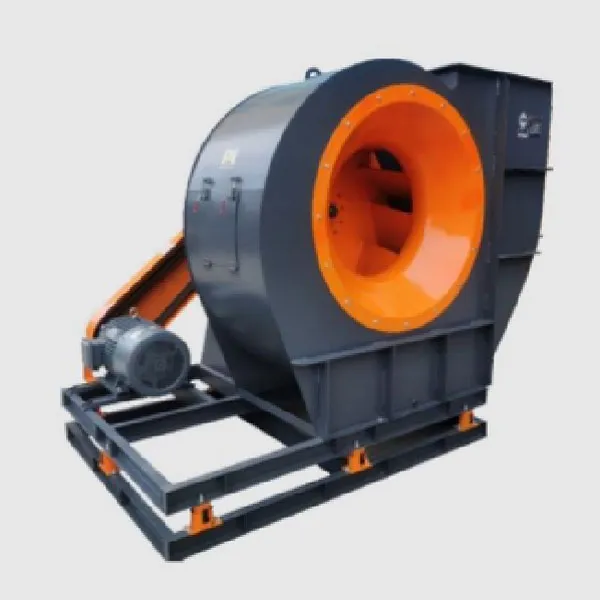
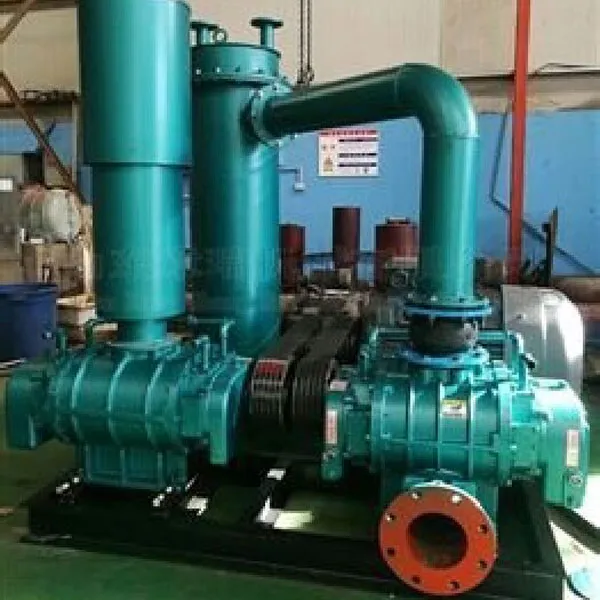
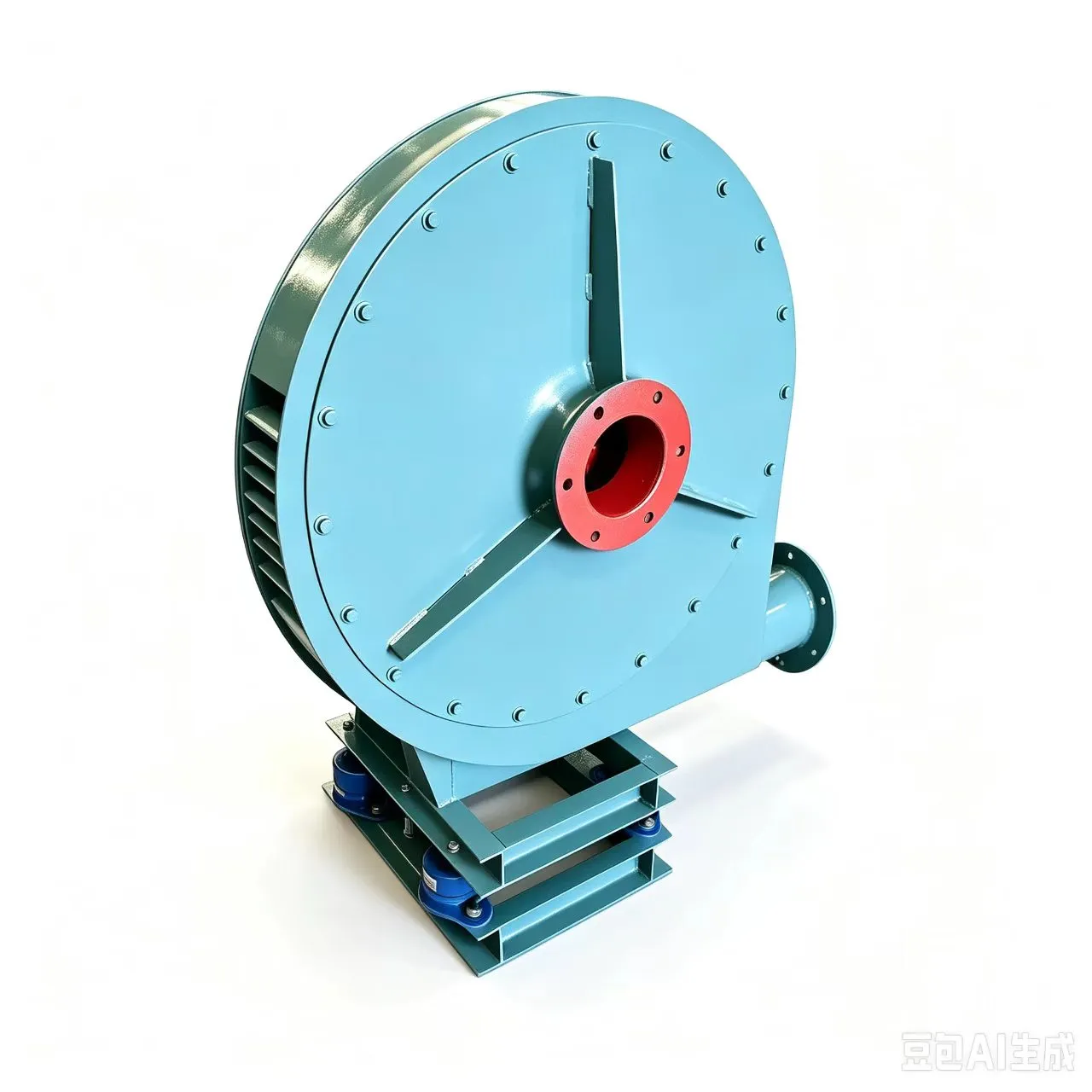
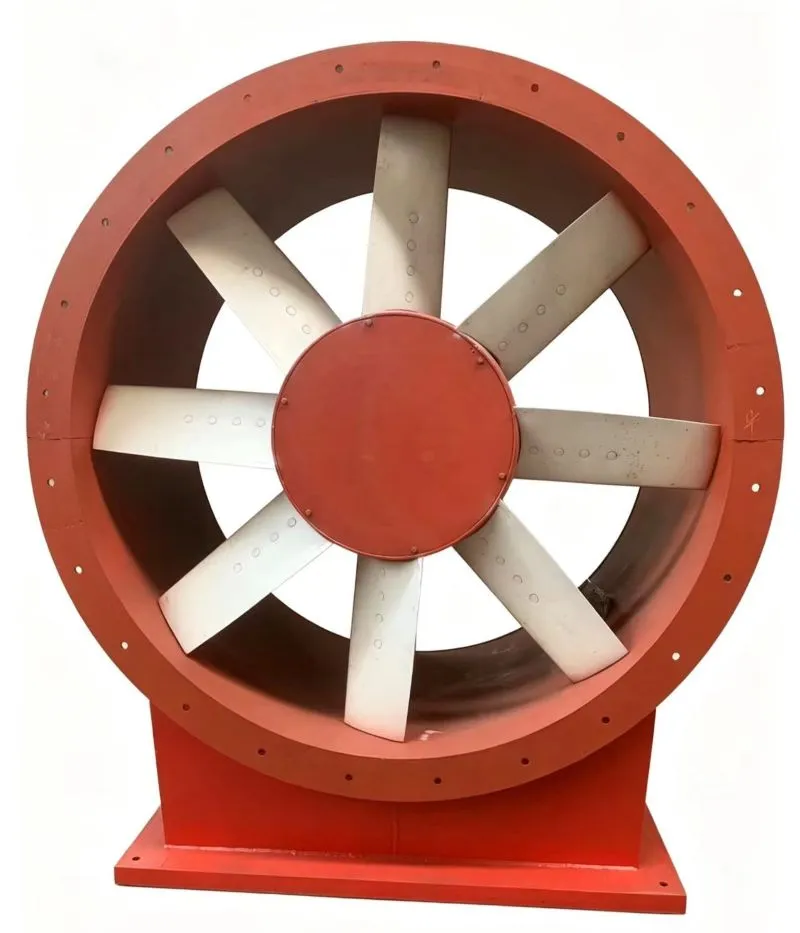
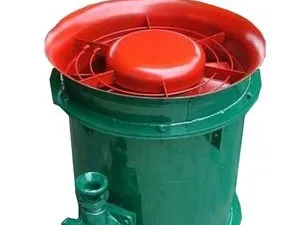
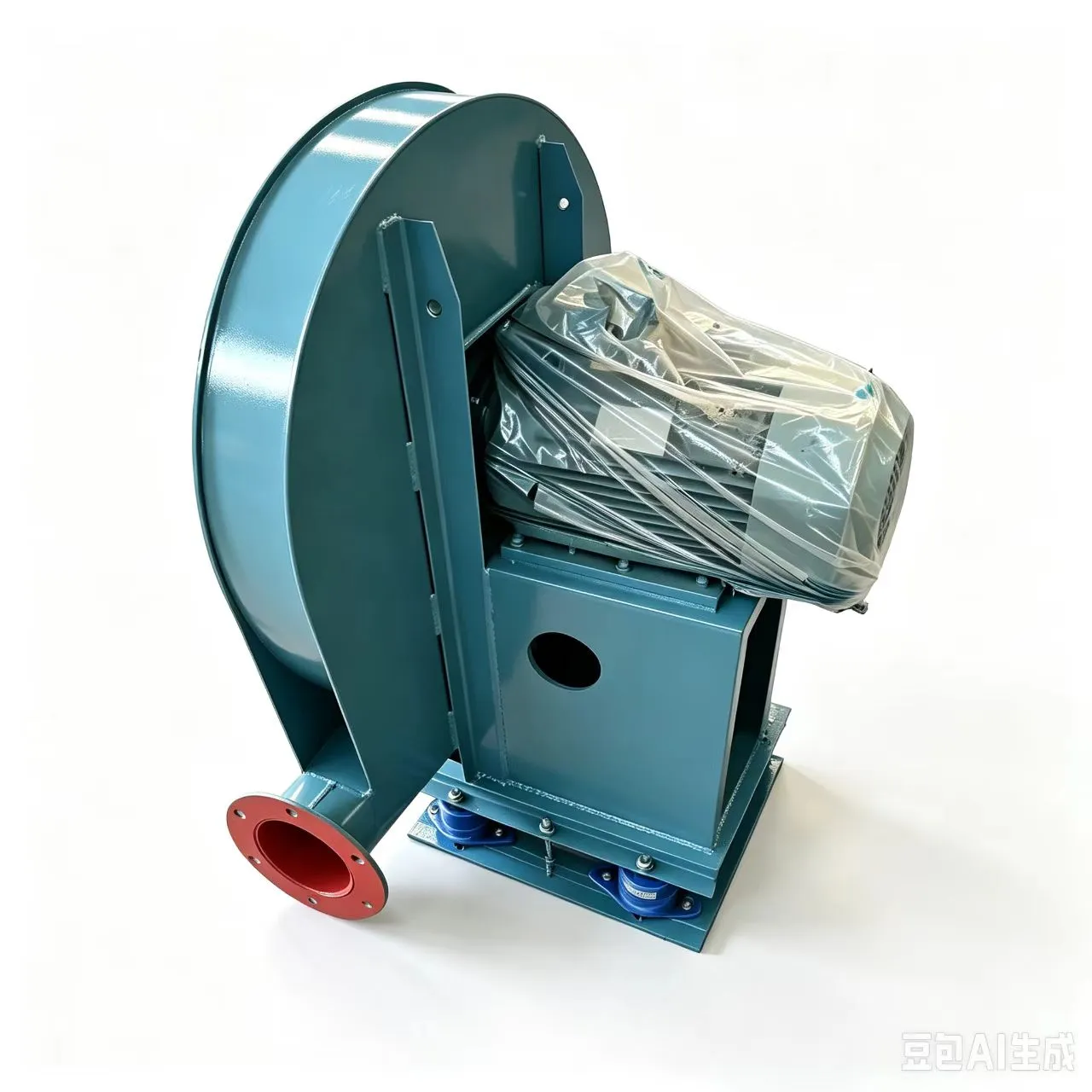
A corrosion-resistant centrifugal fan is a specialized industrial ventilation unit engineered to withstand aggressive chemical environments, high humidity, and acidic or alkaline vapors. Unlike standard steel fans, these units utilize advanced materials such as FRP (Fiberglass Reinforced Plastic), stainless steel (SS304/SS316), or polymer coatings to prevent structural degradation. For B2B buyers, selecting the right manufacturer ensures longevity, reduced maintenance costs, and compliance with safety standards in sectors like chemical processing, wastewater treatment, and metallurgy.
What Is a Corrosion-Resistant Centrifugal Fan?
In industrial settings, airborne contaminants such as sulfur dioxide, chlorine, hydrogen sulfide, and salt mist can rapidly degrade standard carbon steel components. A corrosion-resistant centrifugal fan is designed specifically to operate continuously in these hostile conditions without compromising airflow performance or structural integrity.
The core function remains identical to standard centrifugal fans: converting rotational kinetic energy from an impeller into hydrodynamic energy of the moving air. However, the critical difference lies in the material science and manufacturing precision applied to every component, from the housing to the smallest fastener.
Key Components and Material Selection
The effectiveness of a corrosion-resistant fan depends on the synergy between its components. Each part must be selected based on the specific chemical composition of the exhaust gas.
- Impeller: The rotating element that generates airflow. In corrosive environments, it is typically made from FRP, PP (Polypropylene), or high-grade stainless steel to resist erosion and chemical attack.
- Housing (Casing): Encloses the impeller and directs airflow. FRP housings are common for strong acids, while coated steel is used for moderate corrosive conditions.
- Shaft and Bearings: Often protected by shaft sleeves made of ceramic or specialized alloys to prevent corrosion at the penetration point, which is a common failure site.
- Motor: Usually mounted externally or equipped with IP55/IP65 protection ratings to shield electrical components from humid or corrosive vapors.
Why Choose Zibo Hongcheng Fans for OEM & Wholesale?
Selecting a reliable manufacturer is as critical as choosing the right material. Zibo Hongcheng Fans, located within the Zibo Blower Industrial Park in Shandong Province, China, has established itself as a trusted partner for global industrial clients. Established in 2020 by founders with over 20 years of hands-on experience in the blower industry, the company bridges the gap between traditional manufacturing expertise and modern customization needs.
Spanning 9,000 square meters, our facility employs over 30 skilled staff members dedicated to precision engineering. We do not just assemble fans; we engineer solutions. With more than 50 series and over 600 specifications, our product line extensively covers mining axial flow fans, centrifugal ventilators, stainless steel fans, and specialized corrosion-resistant models.
Our production process is backed by comprehensive supporting equipment and a sound quality management system. Every technical indicator strictly meets national standards, ensuring that whether you need a standard model or a customized solution for a unique chemical plant layout, the performance is predictable and reliable. Our focus on industries such as oil fields, chemical plants, kilns, and metallurgy means we understand the real-world stakes of equipment failure.
Common Materials for Corrosion Resistance
Understanding material properties is essential for making an informed procurement decision. There is no “one-size-fits-all” material; the choice depends on temperature, chemical concentration, and budget.
1. Fiberglass Reinforced Plastic (FRP)
FRP is the industry standard for handling strong acids and alkalis. It offers excellent resistance to hydrochloric acid, sulfuric acid, and nitric acid at moderate temperatures. FRP fans are lightweight, which reduces the load on bearings and motors, extending the overall service life.
2. Stainless Steel (SS304 & SS316)
Stainless steel is preferred for high-temperature applications or where mechanical strength is paramount. SS304 provides good resistance to organic acids and atmospheric corrosion. For more aggressive environments involving chlorides, SS316 is the superior choice due to its molybdenum content, which enhances pitting resistance.
3. Polypropylene (PP) and PVC
Thermoplastics like PP and PVC are cost-effective solutions for low-temperature, highly corrosive exhaust streams. They are commonly used in laboratory ventilation and electroplating lines where temperatures rarely exceed 80°C.
4. Fluorine-Coated Steel
For large-scale industrial applications where FRP might lack structural rigidity, carbon steel coated with fluoropolymers (such as PTFE or FEP) offers a robust alternative. This combines the strength of steel with the chemical inertness of fluorine.
| Material |
Best For |
Temperature Limit |
Cost Factor |
| FRP |
Strong acids/alkalis, general chemical exhaust |
< 80-100°C |
Medium |
| SS304 |
Organic acids, high heat, food processing |
< 400°C |
High |
| SS316 |
Chloride environments, marine applications |
< 400°C |
Very High |
| PP/PVC |
Low-temp acid mist, labs, plating |
< 60-80°C |
Low |
| Fluorine-Coated |
Large volume, mixed contaminants |
< 150°C |
Medium-High |
Industrial Applications of Corrosion-Resistant Fans
Corrosion-resistant centrifugal fans are critical infrastructure in various heavy industries. Failure in these sectors can lead to costly downtime, environmental fines, or safety hazards.
Chemical Processing Plants
In chemical manufacturing, fans handle exhaust from reaction vessels containing volatile organic compounds (VOCs) and acid mists. Zibo Hongcheng Fans provides customized solutions that ensure safe venting of these hazardous gases, protecting both workers and the surrounding environment.
Wastewater Treatment Facilities
Wastewater treatment generates hydrogen sulfide (H₂S) and methane, which are highly corrosive to standard metals. FRP fans are extensively used here to ventilate tank farms and sludge processing areas, resisting the constant exposure to moist, sulfurous air.
Electroplating and Surface Treatment
Electroplating lines release chromic acid mist and cyanide fumes. These substances are extremely aggressive. Fans used in scrubber systems must withstand continuous exposure to these chemicals while maintaining consistent suction pressure to ensure operator safety.
Mining and Metallurgy
In metallurgy, off-gases from smelting processes often contain sulfur dioxide. Additionally, mining ventilation requires robust equipment that can handle dusty, humid, and potentially corrosive underground atmospheres. Our experience in mining axial and centrifugal fans ensures durability in these rugged conditions.
Textile and Dyeing Industries
Dyeing processes involve hot, humid air laden with chemical dyes and fixing agents. Stainless steel or coated fans are essential to prevent rust contamination of the fabric and maintain air quality in the production hall.
How to Select the Right Corrosion-Resistant Centrifugal Fan
Choosing the correct fan involves more than just picking a material. Engineers must evaluate several operational parameters to ensure optimal performance and longevity.
Step 1: Analyze the Gas Composition
Identify the specific chemicals present in the exhaust stream. Determine the concentration levels and whether multiple corrosive agents are present simultaneously. For example, a mix of acid and solvent may require a material that resists both chemical attack and solvent swelling.
Step 2: Determine Operating Temperature
Temperature significantly affects material performance. FRP may soften at high temperatures, while plastics like PP have low melting points. Ensure the selected material retains its mechanical strength and chemical resistance at the maximum operating temperature.
Step 3: Calculate Airflow and Pressure Requirements
Define the required volume flow rate (m³/h) and static pressure (Pa). Undersizing the fan leads to inadequate ventilation, while oversizing increases energy consumption and noise. Zibo Hongcheng Fans utilizes advanced simulation tools to match fan curves precisely to your system’s resistance.
Step 4: Consider Maintenance Accessibility
Design the installation for easy maintenance. Can the impeller be accessed for cleaning? Are bearings easily lubricated? In corrosive environments, regular inspection is vital. Choosing a design with modular components simplifies upkeep.
Step 5: Evaluate Manufacturer Expertise
Partner with a manufacturer who understands your industry. Zibo Hongcheng Fans offers customized production according to customer needs. Our team can advise on the best material selection based on two decades of industry experience, ensuring you don’t overpay for unnecessary specs or under-spec for critical applications.
Installation and Maintenance Best Practices
Even the highest quality corrosion-resistant fan will fail if installed incorrectly or neglected. Proper maintenance extends service life and maintains efficiency.
- Regular Inspection: Check for signs of surface degradation, cracking, or discoloration on the impeller and housing monthly.
- Bearing Monitoring: Monitor bearing temperature and vibration levels. Unusual noise often indicates early-stage bearing failure or imbalance caused by material buildup on the impeller.
- Cleaning Protocols: Accumulated deposits on the impeller can cause imbalance and corrosion pockets. Clean the fan regularly using compatible cleaning agents that do not damage the material.
- Belt Tension: For belt-driven units, check tension regularly. Loose belts slip, reducing airflow, while overtightened belts strain bearings.
- Electrical Checks: Ensure motor terminals are sealed against corrosive vapors. Corrosion on electrical contacts can lead to phase imbalance and motor burnout.
Frequently Asked Questions (FAQ)
What is the lifespan of a corrosion-resistant centrifugal fan?
The lifespan varies based on material and operating conditions. FRP fans in moderate chemical environments typically last 10-15 years. Stainless steel fans can last 20+ years if maintained properly. Regular maintenance and correct material selection are key to maximizing longevity.
Can I retrofit a standard fan with corrosion-resistant coatings?
While coating existing fans is possible, it is generally less effective than using inherently corrosion-resistant materials. Coatings can chip or wear away, exposing the base metal to rapid corrosion. For critical applications, replacing the unit with a purpose-built FRP or stainless steel fan is recommended.
How do I determine if I need SS304 or SS316?
Choose SS304 for general corrosive environments involving organic acids or high temperatures. Choose SS316 if the environment contains chlorides (saltwater, bleach, hydrochloric acid mist) or if pitting corrosion is a concern. SS316 offers superior resistance to localized corrosion.
Does Zibo Hongcheng Fans offer custom sizes?
Yes. As a manufacturer with extensive OEM capabilities, Zibo Hongcheng Fans provides customized production. We can adjust dimensions, materials, and motor specifications to fit unique spatial constraints or performance requirements specific to your facility.
What certifications do your fans meet?
Our products adhere to strict national standards and quality management systems. While specific international certifications (like CE or ATEX) depend on the order requirements, our internal quality control ensures all technical indicators meet rigorous industrial benchmarks for safety and performance.
Conclusion: Secure Your Industrial Ventilation with Expert Manufacturing
Investing in a high-quality corrosion-resistant centrifugal fan is a strategic decision that impacts operational safety, regulatory compliance, and long-term cost efficiency. By selecting the right material—whether FRP, stainless steel, or specialized polymers—and partnering with an experienced manufacturer, you mitigate the risks of premature equipment failure.
Zibo Hongcheng Fans stands ready to support your project with tailored solutions. Leveraging 20 years of founder experience and a robust production facility in Zibo Blower Industrial Park, we deliver reliability across 600+ models. Whether you are upgrading a chemical plant’s exhaust system or equipping a new wastewater treatment facility, our team provides the technical expertise and manufacturing precision you need.
Do not compromise on ventilation quality. Contact us today to discuss your specific airflow requirements, material challenges, and customization needs. Let our engineers help you select the optimal fan specification for your application.
Explore Our Full Range of Corrosion-Resistant Fans & Technical Specifications