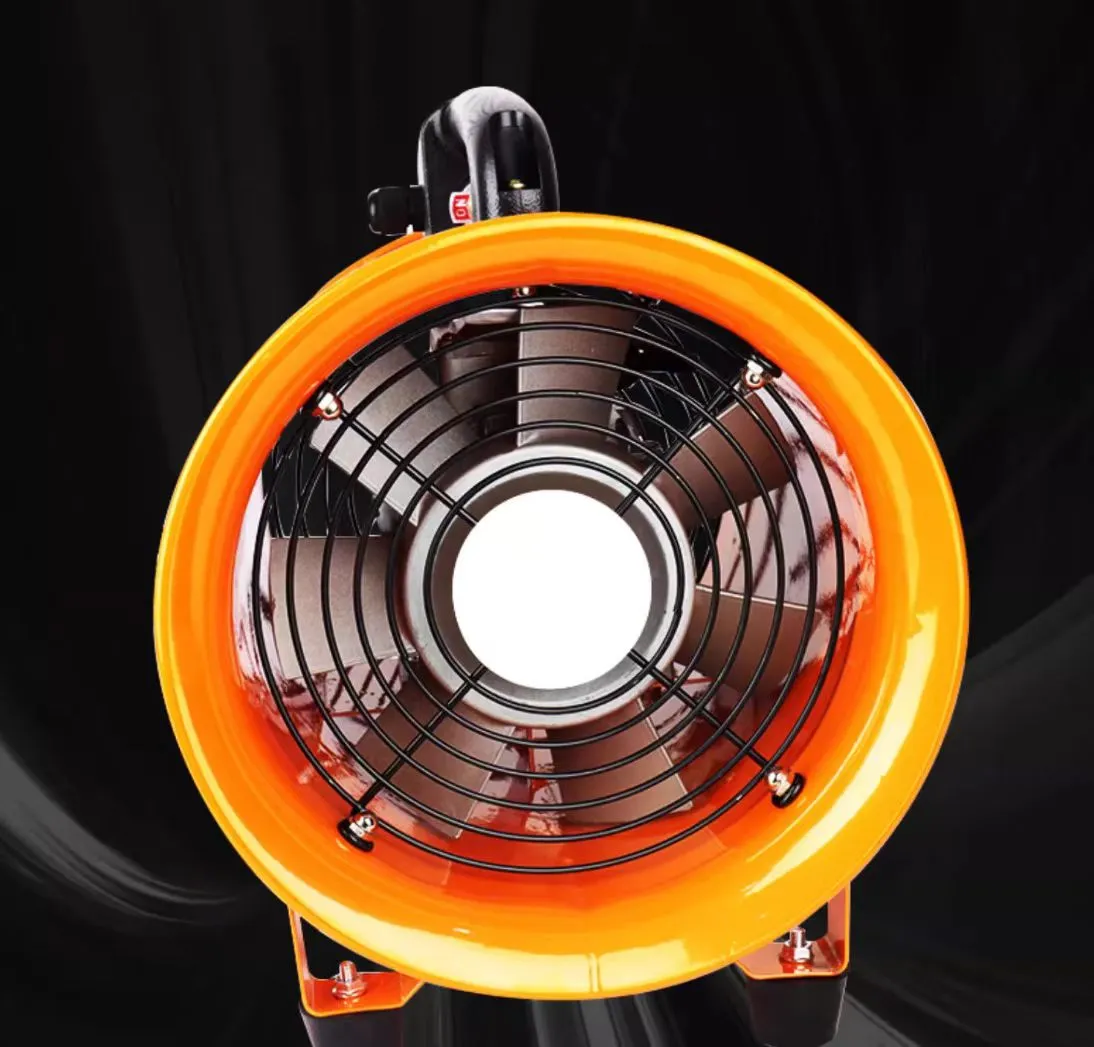
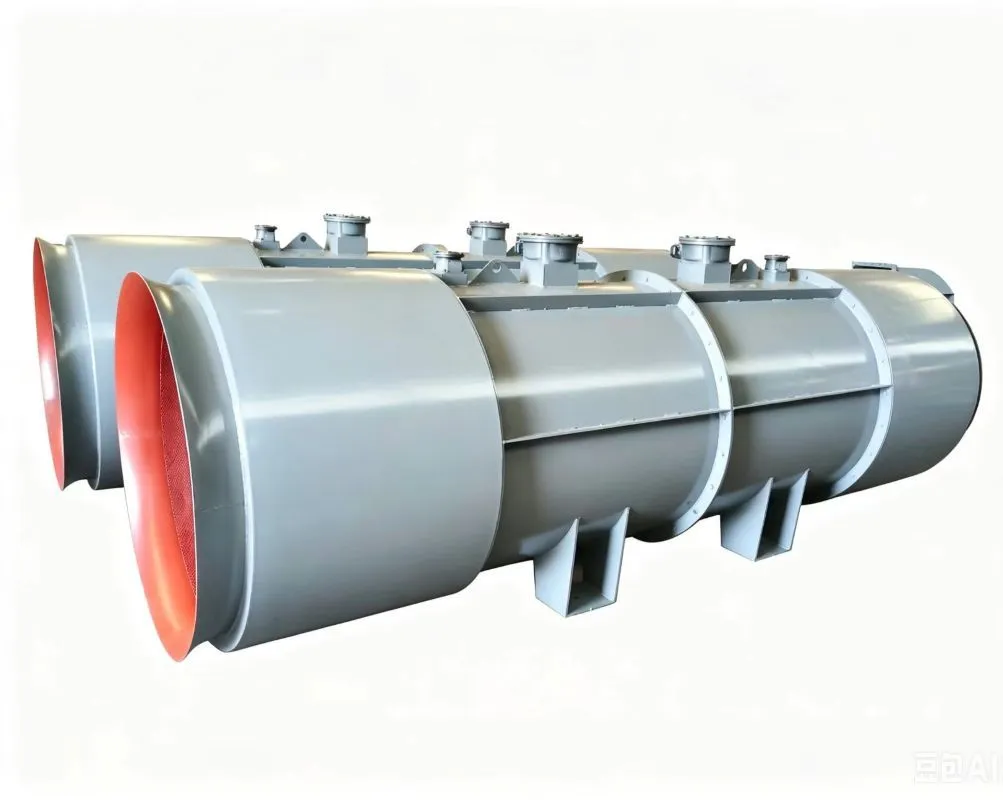
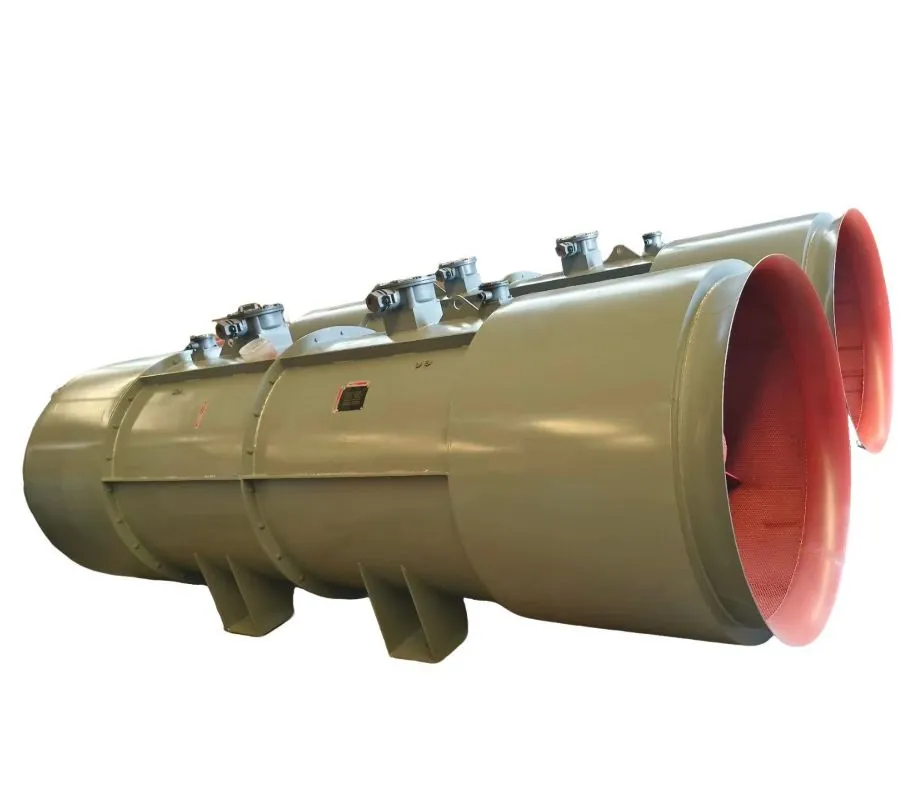
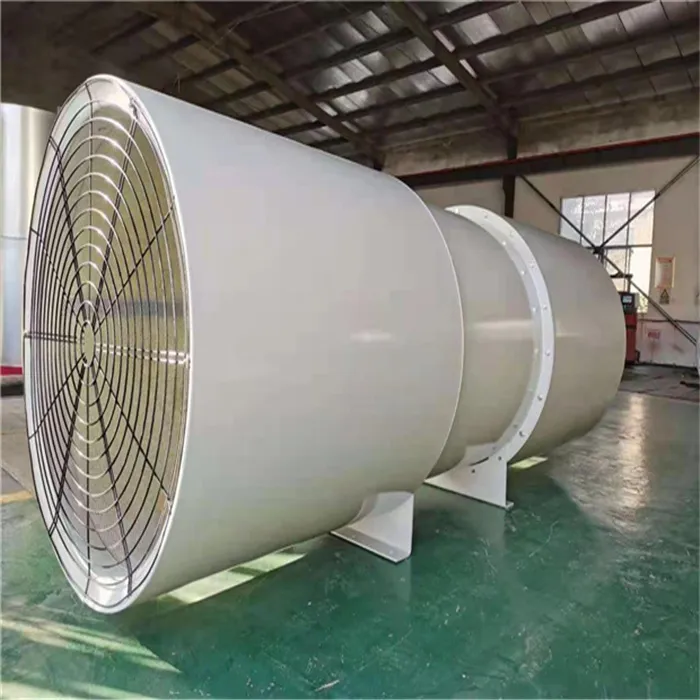
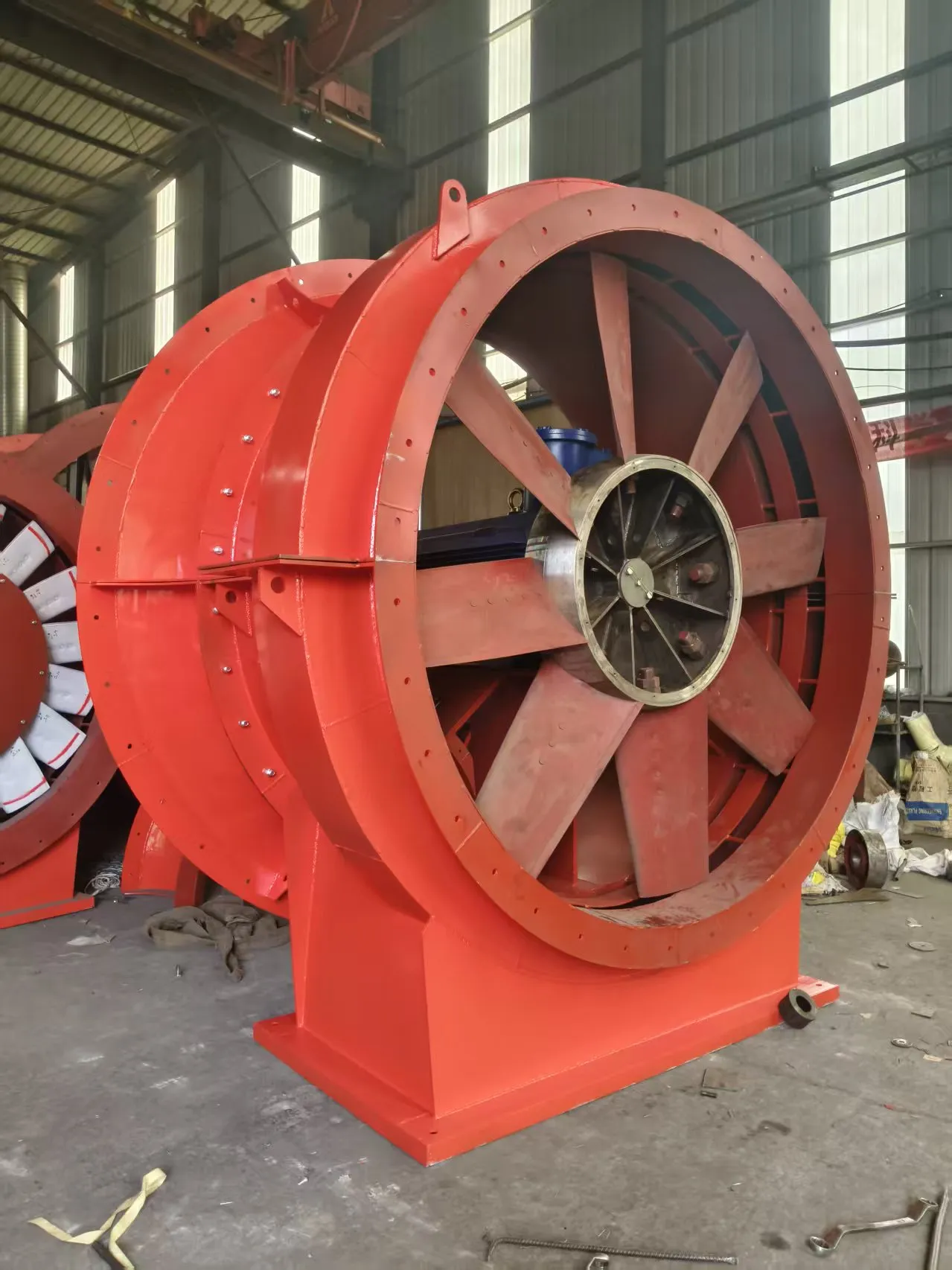
Looking for a reliable energy-saving tunnel fan supplier with the best factory price in 2026? Our manufacturing facility delivers high-efficiency ventilation solutions designed to drastically reduce power consumption while maintaining optimal airflow in tunnels, mines, and industrial corridors. By integrating advanced aerodynamic designs and premium motor technologies, we provide direct factory pricing that eliminates intermediary costs, ensuring you receive top-tier performance without compromising your budget.
What Defines a High-Performance Energy-Saving Tunnel Fan?
An energy-saving tunnel fan is not merely a standard ventilator with a lower wattage rating; it represents a sophisticated engineering approach to moving large volumes of air with minimal electrical input. In the context of modern infrastructure projects planned for 2026 and beyond, these fans are critical for maintaining air quality, managing smoke during emergencies, and regulating temperature in enclosed spaces.
The core definition revolves around the ratio of airflow output to energy input. Industry standards now demand units that exceed traditional efficiency benchmarks by utilizing optimized blade geometries and high-efficiency motors. When selecting a supplier, it is essential to understand that true energy savings come from the synergy between the fan’s mechanical design and its control systems.
Our factory focuses on producing units that adhere to these rigorous definitions. We prioritize aerodynamic efficiency, ensuring that every rotation of the blade contributes maximally to air movement while minimizing turbulence and noise. This approach results in a product that not only saves energy but also offers a longer operational lifespan due to reduced mechanical stress.
The Role of Aerodynamic Design in Efficiency
The shape and angle of the fan blades are the primary determinants of energy performance. Traditional fans often suffer from airflow separation and vortex formation, which waste energy as heat and noise. In contrast, our energy-saving tunnel fan models utilize computational fluid dynamics (CFD) to refine blade profiles.
- Optimized Blade Angle: Precisely calculated to maintain attached flow across varying operating conditions.
- Reduced Tip Clearance: Minimizes air leakage around the blade tips, ensuring maximum pressure generation.
- Streamlined Hub Design: Reduces drag and improves the overall flow coefficient of the unit.
These design elements are not theoretical; they are implemented directly in our production lines. By refining the physical structure of the fan, we achieve significant energy reductions without sacrificing the robust construction required for harsh tunnel environments.
Motor Technology and Drive Systems
Beyond the blades, the heart of an energy-efficient system lies in its motor. The shift towards permanent magnet synchronous motors (PMSM) and high-efficiency induction motors has transformed the industry. These motors offer superior power factors and reduced heat generation compared to older technologies.
Our factory integrates these advanced motors directly into our tunnel fan assemblies. When paired with variable frequency drives (VFDs), the system can adjust speed dynamically based on real-time air quality sensors or traffic density. This adaptability ensures that the fan never consumes more power than necessary at any given moment.
Key Technologies Driving 2026 Efficiency Standards
As we approach 2026, regulatory bodies and project owners are imposing stricter energy consumption limits on ventilation systems. To meet these demands, suppliers must adopt a holistic view of fan technology. It is no longer sufficient to rely on incremental improvements; a leap in technological integration is required.
The current mainstream approach involves combining mechanical excellence with digital intelligence. Our production strategy aligns with this trend, incorporating smart monitoring capabilities and adaptive control algorithms into every energy-saving tunnel fan we manufacture. This ensures compliance with future regulations while delivering immediate cost benefits.
Variable Frequency Drive (VFD) Integration
One of the most impactful technologies for energy conservation is the Variable Frequency Drive. Fixed-speed fans often run at full capacity regardless of actual need, leading to substantial energy waste. VFDs allow the motor speed to be adjusted precisely to match the required airflow.
In tunnel applications, traffic patterns and pollution levels fluctuate throughout the day. A fan equipped with a VFD can slow down during low-traffic periods and ramp up instantly when sensors detect increased pollutant levels or during emergency smoke extraction scenarios. This dynamic operation can reduce energy consumption by up to 50% compared to fixed-speed operations.
Our factory supplies fans with pre-integrated VFD compatibility, simplifying installation and commissioning. We ensure that the motor and drive are perfectly matched to avoid harmonic distortion and maximize efficiency across the entire operating range.
Advanced Material Selection
The materials used in constructing the fan components play a subtle yet crucial role in long-term efficiency. Corrosion, dust accumulation, and structural deformation can degrade performance over time, forcing the motor to work harder to achieve the same airflow.
- Corrosion-Resistant Coatings: Protect against humid and chemically aggressive tunnel environments.
- Lightweight Composite Blades: Reduce rotational inertia, allowing for faster acceleration and lower starting torque requirements.
- High-Strength Steel Housings: Maintain geometric integrity under high-pressure differentials.
By selecting materials that maintain their properties over decades of operation, we ensure that the energy-saving tunnel fan performs as efficiently in year ten as it did on day one. This longevity is a key component of total cost of ownership calculations.
Comparative Analysis: Standard vs. Energy-Saving Models
Understanding the tangible differences between conventional ventilation units and modern energy-saving tunnel fan systems is vital for procurement decisions. While the initial investment for high-efficiency models may be slightly higher, the operational savings quickly offset this difference.
The following table outlines the critical distinctions between standard industry offerings and our specialized energy-efficient solutions. This comparison highlights why upgrading to our 2026-ready models is a strategic financial decision.
| Feature |
Standard Tunnel Fan |
Energy-Saving Tunnel Fan (2026 Model) |
| Motor Type |
Traditional Induction Motor (IE2/IE3) |
High-Efficiency IE4/IE5 or PMSM |
| Speed Control |
Fixed Speed or Basic VFD |
Smart VFD with Adaptive Algorithms |
| Blade Design |
Generic Airfoil Profile |
CFD-Optimized Custom Profile |
| Noise Levels |
Higher due to turbulence |
Reduced via laminar flow design |
| Maintenance Cycle |
Frequent due to wear and tear |
Extended intervals due to balanced operation |
| Energy Consumption |
Baseline (100%) |
Reduced (60-75% of baseline) |
| Lifecycle Cost |
High operational expenditure |
Low total cost of ownership |
This comparison clearly demonstrates that the energy-saving tunnel fan is superior in almost every metric that matters for long-term infrastructure projects. The reduction in energy consumption translates directly to lower utility bills, while the extended maintenance cycles reduce labor and parts costs.
Operational Cost Implications
When evaluating suppliers, it is crucial to look beyond the purchase price. The “best factory price” we offer refers to the initial capital expenditure, but the real value lies in the operational expenditure (OPEX). Tunnels operate 24/7, meaning ventilation systems are among the largest energy consumers in the facility.
A modest improvement in efficiency can result in massive savings over the 20-year lifespan of a tunnel project. Our clients frequently report that the energy savings alone pay back the equipment cost within the first few years of operation. After this break-even point, the savings contribute directly to the project’s bottom line.
Application Scenarios for Maximum Impact
The versatility of our energy-saving tunnel fan allows it to be deployed across a wide range of demanding environments. Each scenario presents unique challenges regarding airflow requirements, environmental conditions, and safety standards. Our factory customizes solutions to meet these specific needs.
Road and Highway Tunnels
In road tunnels, the primary challenge is managing vehicle emissions and ensuring visibility. Traffic density varies significantly, requiring a ventilation system that can adapt quickly. Our fans are ideal for longitudinal ventilation systems where jet fans are used to push air through the tunnel.
The ability to reverse airflow rapidly is critical for smoke control during fire incidents. Our energy-efficient models are designed with reversible motors that can switch direction without mechanical delays, ensuring safety while maintaining low energy usage during normal operations.
Railway and Metro Systems
Metro systems generate significant heat from trains and braking systems, in addition to passenger load requirements. The piston effect of trains moving through tubes also influences airflow dynamics. Our energy-saving tunnel fan units are engineered to complement these natural airflow patterns rather than fighting against them.
Noise reduction is particularly important in urban metro environments. The aerodynamic optimizations in our fans result in quieter operation, improving the comfort of passengers and reducing noise pollution in surrounding areas. This makes our products a preferred choice for city infrastructure projects aiming for sustainability certifications.
Mining and Industrial Ventilation
Mining tunnels present some of the harshest conditions for ventilation equipment, including high dust loads, humidity, and potentially explosive atmospheres. Durability and reliability are paramount. Our factory produces heavy-duty versions of our energy-saving fans that meet strict safety certifications for hazardous locations.
In these settings, energy costs can be prohibitive due to the sheer volume of air that must be moved to dilute gases and cool working faces. Implementing our high-efficiency solutions allows mining operations to expand ventilation coverage without proportionally increasing their power infrastructure costs.
About Zibo Hongcheng Fans: Your Trusted Manufacturing Partner
Behind every high-performance unit we deliver is the robust capability of Zibo Hongcheng Fans. Located within the prestigious Zibo Blower Industrial Park in Shandong Province, China, our 9,000-square-meter facility is home to a dedicated team of over 30 specialists. Although established in 2020, our foundation is built upon two decades of collective experience held by our founders in the blower industry, ensuring that deep technical expertise guides every aspect of our production.
We specialize in a diverse portfolio comprising more than 50 series and over 600 specifications, with a particular focus on mining axial flow fans, centrifugal ventilators, stainless steel fans, and corrosion-resistant models. These products serve critical roles across mines, coal fields, oil refineries, chemical plants, kilns, metallurgy, boilers, textiles, and building materials sectors. Our commitment to quality is underscored by comprehensive supporting equipment, complete production processes, and a sound quality management system that ensures all technical indicators strictly meet national standards. Whether you require a standard model or a fully customized solution tailored to unique personalized demands, our factory is equipped to deliver precision and reliability.
Step-by-Step Guide to Selecting the Right Supplier
Choosing the right partner for your ventilation needs is a critical process. With many manufacturers claiming to offer energy-efficient solutions, distinguishing genuine capability from marketing hype is essential. Follow this guide to ensure you select a supplier that delivers true value and performance.
Step 1: Define Your Project Requirements
Before contacting any supplier, clearly outline your technical specifications. This includes required airflow rates, pressure capabilities, tunnel dimensions, and environmental conditions. Having precise data allows the supplier to recommend the most appropriate energy-saving tunnel fan model.
- Airflow Volume: Determine the cubic meters per second (m³/s) needed for normal and emergency scenarios.
- Pressure Loss: Calculate the friction losses in the tunnel to determine the required static pressure.
- Environmental Factors: Identify temperature ranges, humidity levels, and potential corrosive agents.
Step 2: Verify Technical Certifications
Ensure that the supplier holds relevant international certifications. These documents validate the performance claims and ensure compliance with safety standards. Look for certifications related to motor efficiency, fire resistance, and acoustic performance.
Ask for independent test reports from recognized laboratories. A reputable factory like Zibo Hongcheng Fans will readily provide data proving the efficiency ratings of their energy-saving tunnel fan units. Avoid suppliers who rely solely on internal testing without third-party verification.
Step 3: Evaluate Manufacturing Capabilities
Visiting the factory or requesting a virtual tour can provide insights into the quality control processes. Examine how the blades are manufactured, how the motors are assembled, and how the final units are tested. A facility with advanced CNC machinery and automated balancing equipment is more likely to produce consistent, high-quality products.
Assess the supplier’s experience with similar projects. A manufacturer with a proven track record in tunnel ventilation will understand the nuances of installation and commissioning, reducing the risk of project delays.
Step 4: Analyze Total Cost of Ownership
Request a detailed cost analysis that includes not just the purchase price, but also estimated energy costs and maintenance expenses over the project’s lifecycle. Compare these figures across different proposals to identify the most economical option.
Remember that the “best factory price” should reflect a balance between upfront cost and long-term value. Our factory provides transparent pricing models that help you make informed decisions based on comprehensive financial data.
Advantages of Direct Factory Procurement
Sourcing your energy-saving tunnel fan directly from the manufacturer offers distinct advantages over purchasing through distributors or intermediaries. These benefits extend beyond simple cost savings to include better technical support and customization options.
Cost Efficiency and Pricing Transparency
By eliminating middlemen, you gain access to the true factory price. This direct relationship ensures that there are no hidden markups, allowing you to allocate your budget more effectively. In 2026, where project budgets are under scrutiny, this transparency is invaluable.
Furthermore, direct communication with the engineering team allows for cost-effective customization. You can specify exact dimensions, materials, and control interfaces without incurring the excessive fees often charged by resellers for special orders.
Enhanced Technical Support and Warranty
When you buy directly from the source, technical support comes from the people who designed and built the product. This leads to faster resolution of queries and more accurate advice on installation and operation. Our team provides comprehensive documentation and training to ensure your staff can manage the systems effectively.
Warranty claims are also streamlined. There is no ambiguity about responsibility, and replacement parts can be shipped directly from the production line, minimizing downtime. This level of service is crucial for critical infrastructure where ventilation failure is not an option.
Customization and Scalability
Every tunnel project is unique. Our factory has the flexibility to modify standard designs to fit specific constraints. Whether you need a fan with a special coating for a marine environment or a compact design for a narrow shaft, we can engineer a solution.
Scalability is another key benefit. As your project expands, you can order additional units that are perfectly matched to your existing installation. This consistency ensures uniform performance across the entire ventilation network.
Frequently Asked Questions (FAQ)
To further assist in your decision-making process, we have compiled answers to common questions regarding our energy-saving tunnel fan solutions. These responses address technical concerns, logistical details, and performance expectations.
How much energy can I realistically save with these fans?
While specific savings depend on the application and operating profile, clients typically see a reduction in energy consumption ranging from 20% to 40% compared to standard induction motor fans. When combined with smart VFD controls, savings can reach up to 50% in variable-load scenarios. The exact figure is determined during the design phase using simulation software tailored to your tunnel’s characteristics.
Are these fans suitable for high-temperature smoke extraction?
Yes, our energy-saving tunnel fan models are available with high-temperature ratings. We offer units certified to operate continuously at elevated temperatures (e.g., 250°C or 400°C) for specified durations, such as 2 hours. This ensures they remain functional during fire emergencies, providing critical smoke clearance for evacuation and firefighting efforts.
What is the lead time for factory delivery?
Lead times vary based on the complexity of the order and current production schedules. For standard configurations, we typically offer shorter lead times due to our streamlined manufacturing processes. Customized units may require additional time for engineering and prototyping. We recommend contacting our sales team early in the project planning stage to secure a production slot that aligns with your timeline.
Do you provide installation guidance and commissioning services?
Absolutely. We believe that proper installation is key to achieving rated performance. Our factory provides detailed installation manuals, wiring diagrams, and commissioning checklists. For large-scale projects, we can also dispatch experienced engineers to supervise the installation and perform initial testing to ensure everything operates according to design specifications.
How do you ensure the durability of the fans in corrosive environments?
We utilize advanced surface treatment technologies, including hot-dip galvanizing and specialized epoxy coatings, to protect all metal components. For extremely aggressive environments, we can construct critical parts from stainless steel or aluminum alloys. These measures ensure that the energy-saving tunnel fan maintains its structural integrity and efficiency even after years of exposure to moisture and chemicals.
Future Trends in Tunnel Ventilation Technology
Looking ahead to 2026 and beyond, the landscape of tunnel ventilation will continue to evolve. The integration of Internet of Things (IoT) devices and artificial intelligence will enable even greater levels of efficiency and predictive maintenance. Our factory is already investing in these technologies to stay ahead of the curve.
Predictive Maintenance via IoT
Future iterations of our fans will feature embedded sensors that monitor vibration, temperature, and motor current in real-time. This data can be transmitted to a central cloud platform where AI algorithms analyze trends to predict potential failures before they occur. This shift from reactive to predictive maintenance will further reduce downtime and extend equipment life.
Integration with Smart City Infrastructure
As cities become smarter, tunnel ventilation systems will increasingly integrate with broader traffic management and environmental monitoring networks. Our energy-saving tunnel fan systems are designed with open communication protocols, allowing seamless integration with third-party control systems. This interoperability ensures that ventilation strategies can be optimized in real-time based on city-wide data inputs.
Conclusion and Next Steps
Selecting the right ventilation partner is a decisive factor in the success and sustainability of your infrastructure project. An energy-saving tunnel fan from Zibo Hongcheng Fans offers the perfect blend of cutting-edge technology, robust construction, and competitive factory pricing. Backed by 20 years of industry expertise and a state-of-the-art facility in Zibo, we help you build tunnels that are safer, greener, and more cost-effective to operate.
This solution is ideally suited for project managers, engineers, and procurement officers involved in road, rail, and mining tunnel developments who seek to minimize lifecycle costs without compromising on performance or safety standards. If you are planning a project for 2026 or beyond, now is the time to secure your supply chain with a manufacturer committed to innovation.
To proceed, we recommend reviewing your specific project requirements and reaching out to our technical team for a customized consultation. We can provide detailed quotations, performance curves, and case studies relevant to your sector. Take the next step towards a more efficient future by partnering with a supplier that understands the critical importance of every watt saved.