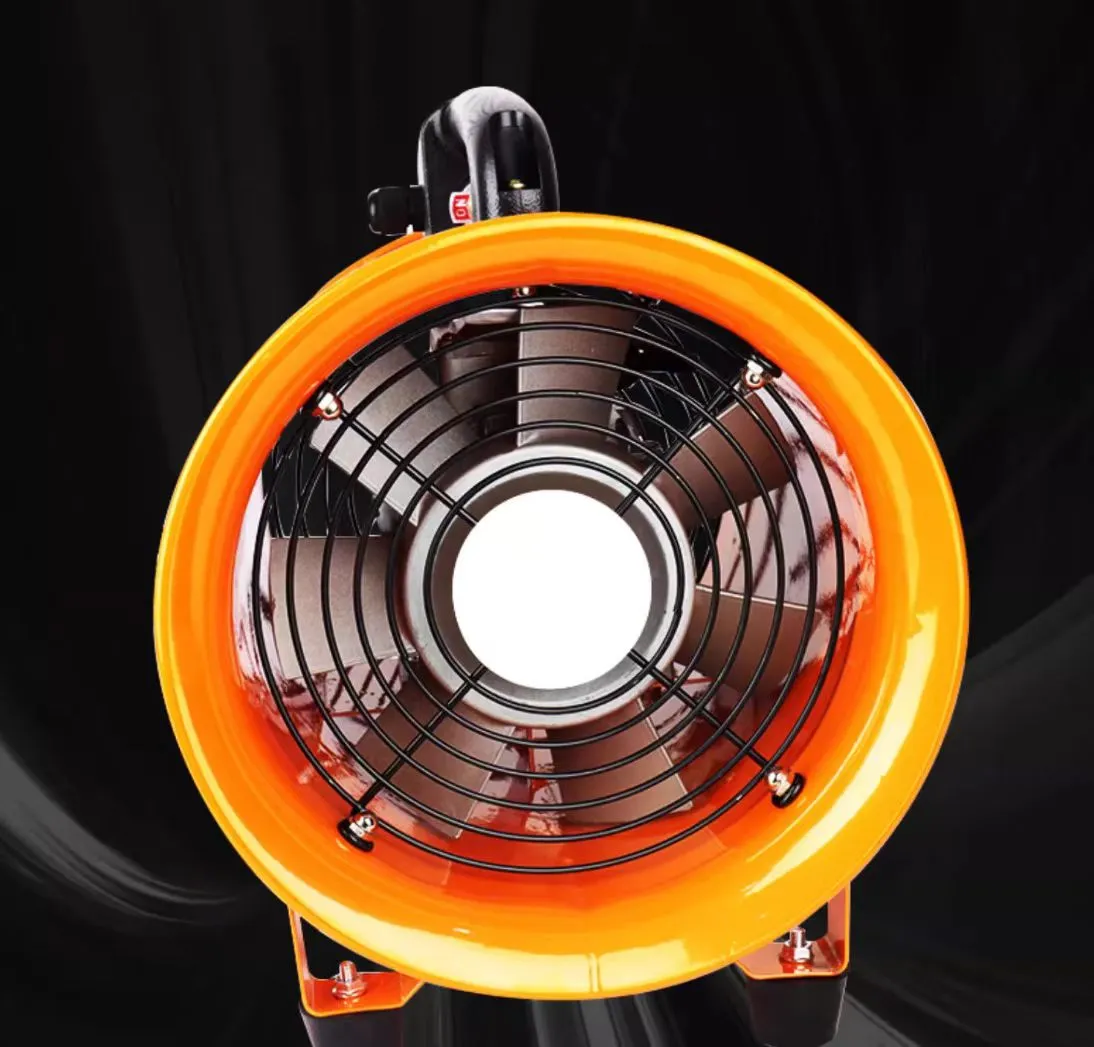
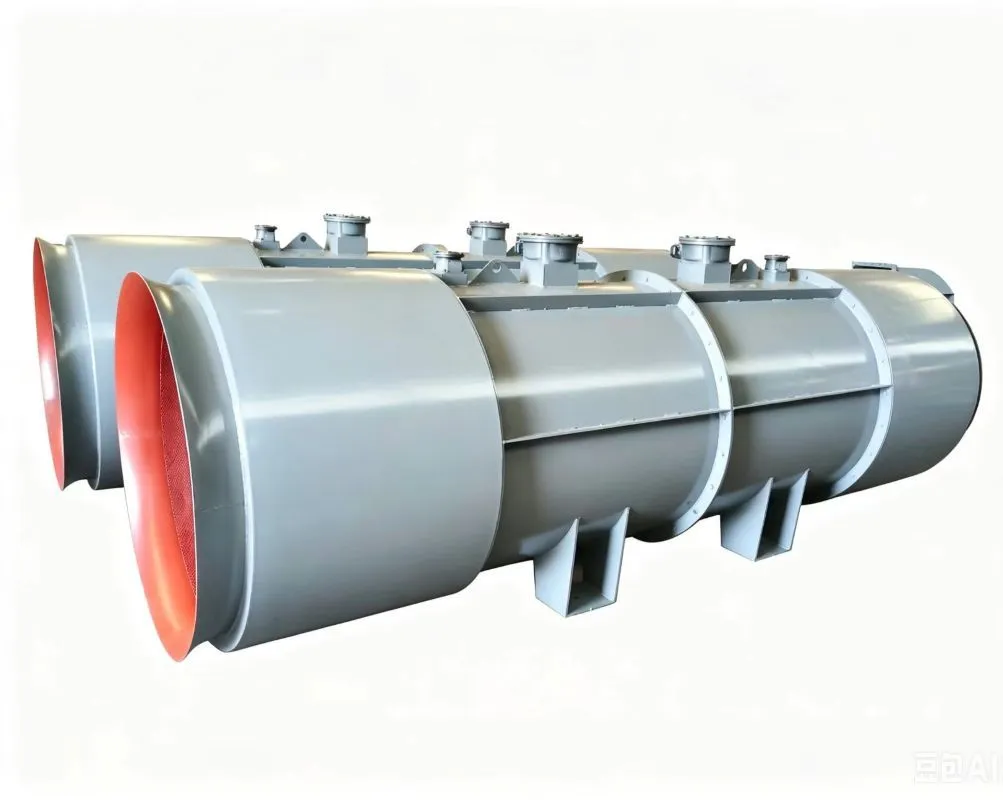
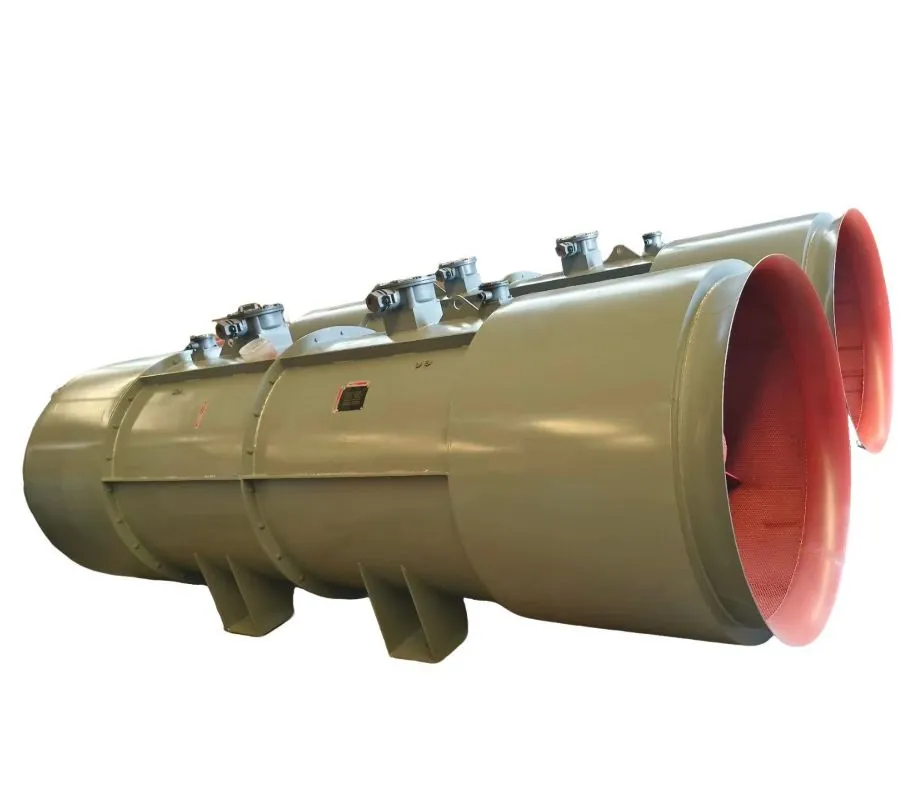
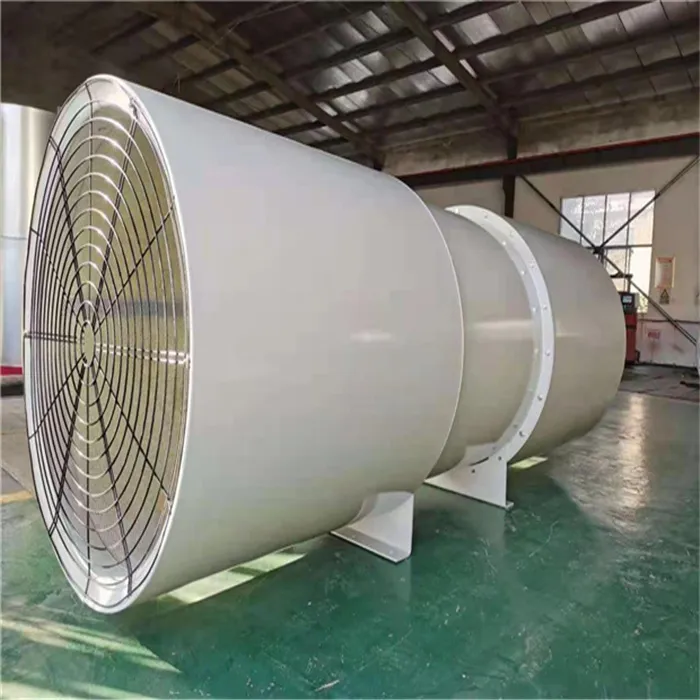
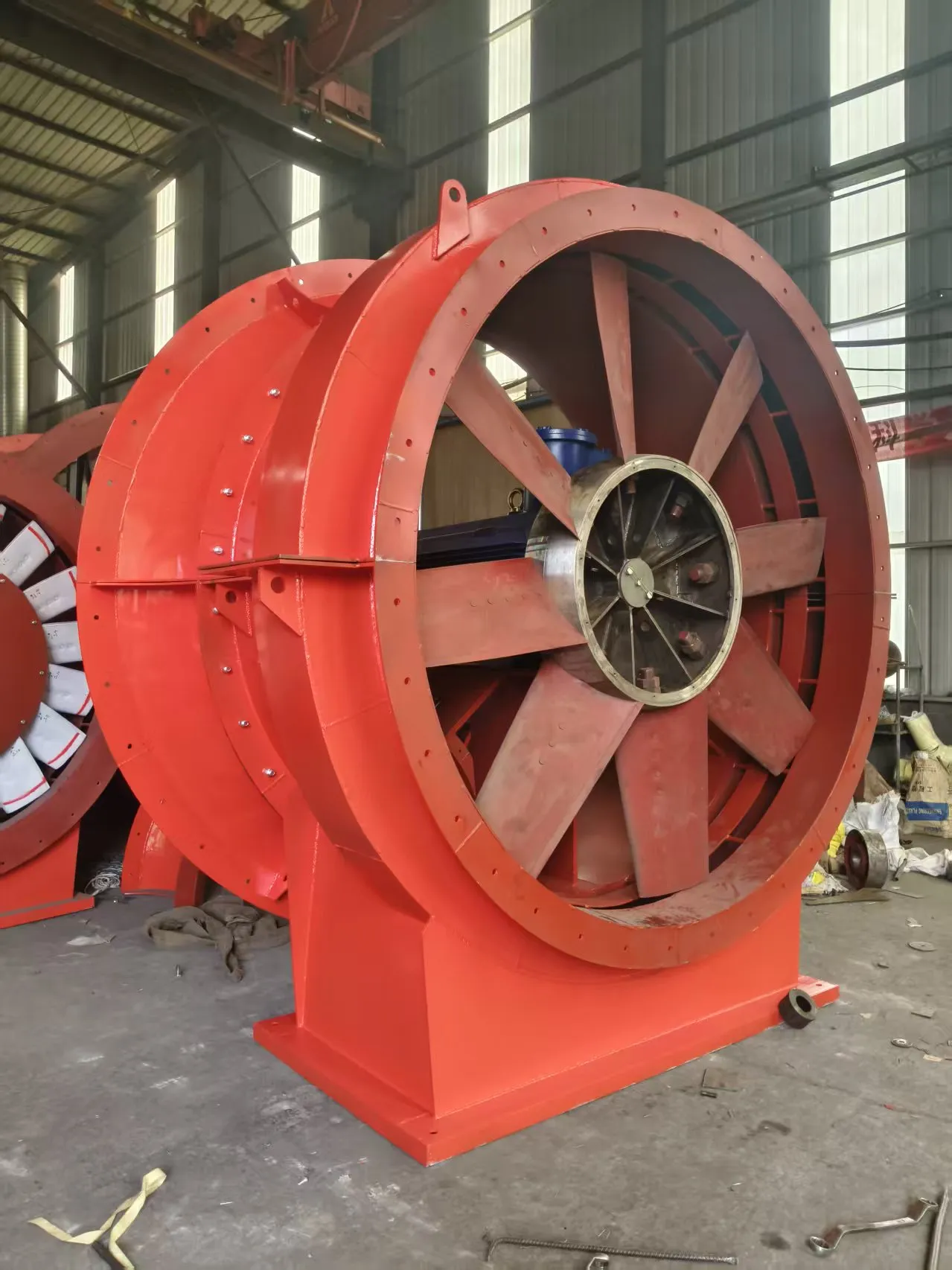
Looking for a reliable high-efficiency tunnel fan supplier with the best factory price in 2026? Our manufacturing facility delivers industrial-grade ventilation solutions designed for maximum airflow, energy savings, and durability. As a direct factory source, we eliminate middlemen to offer competitive pricing without compromising on performance or safety standards for road, rail, and metro tunnels.
What Defines a High-Efficiency Tunnel Fan?
A high-efficiency tunnel fan is a specialized axial flow machine engineered to move massive volumes of air through confined underground spaces. Unlike standard industrial fans, these units must operate reliably under extreme conditions, including high temperatures during fire emergencies and continuous 24/7 operation.
The core definition revolves around three pillars: aerodynamic optimization, motor efficiency, and structural resilience. In the current market, efficiency is not just about moving air; it is about doing so with minimal energy consumption while maintaining stable pressure across long tunnel distances.
Industry standards now demand that these fans achieve specific thrust levels while adhering to strict noise regulations. A true high-performance unit integrates advanced blade profiles and optimized hub designs to reduce turbulence and maximize the thrust-to-power ratio.
Key Technical Characteristics
To qualify as a top-tier solution in 2026, the equipment must possess distinct technical features. These characteristics ensure longevity and operational safety in critical infrastructure projects.
- Aerodynamic Blade Design: Utilizes computational fluid dynamics (CFD) to create blades that minimize drag and maximize airflow volume.
- High-Grade Motors: Equipped with IE3 or IE4 efficiency class motors to reduce electricity costs over the product’s lifecycle.
- Reversibility: Capable of reversing airflow direction rapidly to manage smoke extraction during emergency scenarios.
- Corrosion Resistance: Constructed with hot-dip galvanized steel or stainless steel components to withstand humid and chemically aggressive tunnel environments.
- Fire Rating: Certified to operate at elevated temperatures (often up to 400°C) for specified durations, ensuring safe evacuation routes.
Why Factory Direct Pricing Matters in 2026
Sourcing directly from the manufacturer offers significant advantages for large-scale infrastructure projects. The supply chain for heavy industrial equipment has evolved, and buyers are increasingly seeking transparency in cost structures.
By engaging with a high-efficiency tunnel fan supplier who operates their own factory, clients bypass distributor markups. This direct relationship allows for better customization options and more responsive after-sales support.
In 2026, raw material costs and logistics remain volatile. A factory-direct model provides greater stability in pricing agreements. It also ensures that quality control measures are enforced at every stage of production, from raw steel cutting to final dynamic balancing.
About Zibo Hongcheng Fans: Your Trusted Manufacturing Partner
Located within the strategic Zibo Blower Industrial Park in Shandong Province, Zibo Hongcheng Fans exemplifies the strengths of a dedicated factory-direct partner. Spanning 9,000 square meters, our facility combines modern infrastructure with deep industry expertise. Founded in 2020 by leaders boasting over two decades of experience in the blower sector, we have rapidly grown into a comprehensive manufacturer employing over 30 skilled staff members.
Our portfolio includes more than 50 series and 600 specifications, with a specialized focus on mining axial flow fans, centrifugal ventilators, and corrosion-resistant stainless steel units. While our roots serve diverse sectors like coal mines, chemical plants, and metallurgy, this extensive background in harsh environments makes us uniquely qualified to produce robust tunnel ventilation systems. We maintain a sound quality management system where every technical indicator strictly meets national standards, ensuring that whether you need a standard unit or a highly customized solution for complex tunnel geometries, our production lines are equipped to deliver precision and reliability.
Cost-Benefit Analysis of Direct Sourcing
Understanding the financial impact of choosing a factory partner over a trading company is crucial for project managers. The initial purchase price is only one component of the total cost of ownership.
| Factor |
Factory Direct Supplier |
Intermediary / Trader |
| Initial Unit Price |
Lower (No middleman margin) |
Higher (Includes markup) |
| Customization Flexibility |
High (Direct engineering access) |
Limited (Dependent on factory rules) |
| Lead Time Accuracy |
Transparent and controllable |
Often estimated or delayed |
| Technical Support |
Direct from design engineers |
Filtered through sales agents |
| Spare Parts Availability |
Guaranteed from stock |
May require re-ordering from factory |
This comparison highlights why major infrastructure developers prefer establishing long-term partnerships with manufacturing entities. The ability to modify specifications based on site-specific wind loads or tunnel geometry is a decisive factor.
Core Technologies Driving Efficiency
The evolution of tunnel ventilation relies heavily on advancements in fluid mechanics and electrical engineering. Modern units are not merely mechanical devices; they are integrated systems optimized for energy conservation.
One of the primary drivers of efficiency is the blade profile. Recent industry developments have shifted from traditional circular arc blades to airfoil-shaped designs. These shapes reduce aerodynamic noise and improve the stall margin, allowing the fan to operate smoothly even when system resistance changes.
The Role of Variable Frequency Drives (VFD)
Integrating Variable Frequency Drives is now considered a mainstream scheme for high-efficiency operations. VFDs allow the fan speed to adjust dynamically based on real-time air quality sensors and traffic density.
- Energy Savings: Reducing motor speed by 20% can result in nearly 50% energy savings due to the cube law relationship between speed and power.
- Soft Starting: Eliminates high inrush currents, reducing stress on the electrical grid and extending motor life.
- Precise Control: Enables fine-tuning of airflow rates to meet exact ventilation requirements without over-ventilating.
- Remote Monitoring: Facilitates integration with central SCADA systems for automated tunnel management.
When selecting a unit, verifying the compatibility of the motor with VFD technology is essential. Not all standard motors handle the harmonic distortions generated by drives, so specialized inverter-duty motors are often recommended for these applications.
Noise Reduction Techniques
Noise pollution is a critical concern, especially for tunnels passing near residential areas or within urban metros. High-efficiency does not mean high noise; in fact, efficient aerodynamics usually correlate with lower sound pressure levels.
Manufacturers employ several strategies to mitigate noise. These include optimizing the tip clearance between the blade and the casing, using serrated trailing edges on blades to break up vortices, and installing silencers at both the inlet and outlet.
Acoustic lining inside the fan casing is another common feature. This absorbent material dampens broadband noise generated by turbulence. The combination of aerodynamic refinement and acoustic treatment ensures compliance with stringent environmental regulations.
Application Scenarios for Tunnel Fans
The versatility of a high-efficiency tunnel fan allows it to serve various infrastructure types. Each scenario presents unique challenges regarding length, gradient, and traffic composition.
Road tunnels require robust smoke extraction capabilities to ensure driver safety during fires. The ventilation system must maintain a tenable environment for evacuation while aiding firefighting efforts. Longitudinal ventilation systems using jet fans are the most common setup here.
Railway and Metro Systems
Metro tunnels face different challenges, primarily related to piston effects created by moving trains. The ventilation system must manage heat dissipation from braking systems and air conditioning units while providing fresh air for passengers.
In railway applications, reliability is paramount. Trains run on tight schedules, and maintenance windows are often limited to late-night hours. Therefore, the equipment must have a mean time between failures (MTBF) that exceeds industry averages.
Underground stations also utilize large reversible fans for platform screen door pressure management and emergency smoke control. These units often need to fit into constrained civil engineering spaces, requiring compact yet powerful designs.
Hydropower and Mining Tunnels
Beyond transportation, these fans are vital in hydropower headrace tunnels and mining operations. In these environments, dust control and gas dilution are the primary objectives.
The harsh conditions in mining tunnels, including high humidity and potential explosive gases, demand equipment with enhanced protection ratings. Explosion-proof motors and spark-resistant construction materials are frequently required specifications.
For hydropower projects, the focus is often on cooling large generator halls and ensuring adequate oxygen levels for workers during construction and maintenance phases. The durability of the fan against moisture-induced corrosion is a key selection criterion.
Selection Guide: How to Choose the Right Model
Selecting the appropriate high-efficiency tunnel fan involves a detailed analysis of project parameters. A one-size-fits-all approach rarely yields optimal results in complex tunnel networks.
Engineers must first calculate the required airflow volume based on the tunnel’s cross-sectional area, design speed, and expected traffic load. This calculation forms the basis for determining the necessary thrust force.
Critical Selection Parameters
Several factors influence the final choice of equipment. Ignoring any of these can lead to underperformance or excessive energy consumption.
- Thrust Requirement: Calculate the total friction losses and momentum losses to determine the net thrust needed from the fan array.
- Installation Geometry: Assess whether the fan will be mounted horizontally, vertically, or at an angle, as this affects structural supports.
- Environmental Conditions: Consider ambient temperature ranges, altitude (which affects air density), and humidity levels.
- Power Supply: Verify the available voltage and frequency at the site to match motor specifications.
- Maintenance Access: Ensure the design allows for easy inspection of blades and motors without dismantling the entire unit.
It is advisable to consult with the factory’s engineering team early in the design phase. They can provide simulation data to predict how different fan models will perform within the specific tunnel layout.
Material Selection for Longevity
The choice of materials directly impacts the lifespan of the fan. In coastal regions or areas with high pollution, standard carbon steel may corrode prematurely.
Hot-dip galvanizing is the industry standard for protecting steel components. For more aggressive environments, stainless steel impellers or specialized epoxy coatings offer superior protection. The motor housing should also feature high IP ratings to prevent dust and water ingress.
Bearings are another critical component. High-quality, sealed bearings with extended lubrication intervals reduce maintenance frequency. Some advanced models include vibration sensors to monitor bearing health in real-time.
Installation and Maintenance Best Practices
Even the most advanced high-efficiency tunnel fan will underperform if installed incorrectly. Proper installation ensures that the aerodynamic potential of the design is fully realized.
The distance between the fan and nearby obstructions, such as tunnel walls or signage, is crucial. Insufficient clearance can cause flow separation and increased noise. Manufacturers typically provide minimum clearance guidelines that must be strictly followed.
Step-by-Step Installation Overview
Following a structured installation process minimizes risks and ensures operational readiness. While specific steps vary by model, the general workflow remains consistent.
- Site Preparation: Verify the mounting structure’s integrity and ensure it can support the static and dynamic loads of the fan.
- Lifting and Positioning: Use certified lifting gear to position the fan carefully, avoiding damage to the casing or blades.
- Alignment: Precisely align the fan axis with the tunnel direction to prevent uneven wear and vibration.
- Electrical Connection: Connect power cables according to the wiring diagram, ensuring proper grounding and phase sequence.
- Commissioning: Perform no-load tests to check rotation direction, vibration levels, and current draw before full operation.
Regular maintenance is equally important. A proactive maintenance schedule prevents unexpected downtime. This includes periodic cleaning of blades, checking bolt tightness, and monitoring vibration trends.
Troubleshooting Common Issues
Operational issues often stem from simple causes. Excessive vibration, for instance, might indicate an imbalance due to dirt accumulation on blades rather than a mechanical failure.
Unusual noise can signal bearing wear or aerodynamic instability. If the fan operates outside its designed curve, it may enter a stall region, causing surging and potential damage. Monitoring operating points against the performance curve is a vital diagnostic tool.
Electrical faults, such as overheating, are frequently linked to poor ventilation around the motor or voltage fluctuations. Installing thermal overload protectors and voltage monitors can mitigate these risks effectively.
Future Trends in Tunnel Ventilation Technology
As we look toward 2026 and beyond, the landscape of tunnel ventilation continues to evolve. Sustainability and digitalization are the two main forces shaping future product development.
The push for carbon neutrality drives the demand for even higher efficiency motors and smarter control algorithms. Fans are becoming integral parts of the “Smart Tunnel” ecosystem, communicating data to central command centers.
Integration with IoT and AI
The Internet of Things (IoT) enables predictive maintenance. Sensors embedded in the fan transmit data on temperature, vibration, and power consumption to cloud platforms. Artificial Intelligence algorithms analyze this data to predict failures before they occur.
This shift from reactive to predictive maintenance reduces lifecycle costs significantly. It also enhances safety by ensuring that backup systems are always functional. Factories are now offering digital twins of their fans, allowing operators to simulate scenarios and optimize settings remotely.
Sustainable Manufacturing Practices
Beyond the product itself, the manufacturing process is becoming greener. Leading suppliers are adopting eco-friendly coating technologies and recycling programs for end-of-life equipment.
The use of recyclable materials in fan construction is gaining traction. Design for disassembly ensures that components can be easily separated and recycled, reducing the environmental footprint of infrastructure projects.
Energy recovery systems are also being explored. While not yet mainstream, concepts involving capturing kinetic energy from tunnel airflows to generate electricity represent the frontier of innovation in this sector.
Frequently Asked Questions (FAQ)
Addressing common queries helps clarify uncertainties for procurement officers and engineers. Below are answers to frequent questions regarding high-efficiency tunnel fan procurement and operation.
What is the typical lifespan of a tunnel fan?
With proper maintenance and operation within design parameters, a high-quality tunnel fan can last over 20 years. The motor may require rewinding or replacement sooner, typically around the 10-to-15-year mark, depending on operating hours.
Can these fans operate during a fire event?
Yes, specialized models are certified to operate at temperatures up to 400°C for 60 minutes or more. This fire rating is critical for smoke control strategies and is verified through rigorous third-party testing.
How do you handle custom voltage requirements?
As a factory-direct supplier, we can customize motors to match local grid standards, whether it is 50Hz or 60Hz, and various voltage levels. Custom winding configurations are available to suit specific project needs.
What certifications do your products hold?
Our manufacturing processes adhere to international quality standards. Products typically carry certifications relevant to the target market, such as CE for Europe or other regional safety approvals. Specific test reports for thrust and noise are provided with each batch.
Is remote monitoring included?
Remote monitoring capabilities can be integrated upon request. We offer compatible control panels and sensor packages that enable seamless connection to existing SCADA systems for real-time oversight.
Conclusion: Making the Right Investment
Investing in a high-efficiency tunnel fan is a strategic decision that impacts the safety, operational cost, and longevity of tunnel infrastructure. The choice of supplier determines not only the initial price but also the long-term reliability of the ventilation system.
For project managers and engineers, prioritizing factory-direct partnerships ensures access to cutting-edge technology, customizable solutions, and transparent pricing. The benefits of reduced energy consumption and lower maintenance needs compound over time, delivering substantial value.
Who should choose this solution? This approach is ideal for government agencies, civil engineering contractors, and private concessionaires managing road, rail, or metro projects who demand verified performance and cost-effectiveness.
If you are planning a tunnel project for 2026 or upgrading existing systems, the next step is to evaluate your specific airflow requirements. Contact our engineering team to discuss your project parameters and receive a tailored proposal that balances performance with the best factory price.