Fan and damper systems are critical components in industrial ventilation, working in tandem to regulate airflow volume, pressure, and direction. While fans generate the necessary air movement, dampers act as control valves to modulate or isolate that flow. For B2B buyers, sourcing these components from a unified OEM and wholesale supplier ensures mechanical compatibility, optimized energy efficiency, and streamlined maintenance. This guide details the engineering principles, selection criteria, and manufacturing standards for high-performance fan and damper assemblies, focusing on applications in mining, chemical processing, and heavy industry.
Understanding the Synergy Between Fans and Dampers
In complex HVAC and industrial process systems, a fan alone cannot guarantee precise environmental control. The integration of a damper is essential for dynamic regulation. A fan provides the kinetic energy to move air or gas, overcoming system resistance. Conversely, a damper is a mechanical device installed within the ductwork or fan housing that restricts or allows flow. Without proper damper control, fans often operate at fixed speeds, leading to energy waste when full capacity is not required.
The interaction between these two components defines the system’s overall efficiency. For instance, in a boiler exhaust system, the fan must maintain negative pressure to prevent smoke leakage, while the damper adjusts the draft intensity based on combustion needs. Mismatched components can cause turbulent airflow, increased noise levels, and premature bearing failure. Therefore, understanding the specific type of fan and damper combination is vital for engineering reliability.
Core Functions in Industrial Ventilation
- Airflow Regulation: Dampers modulate the volume of air passing through the system, allowing for precise temperature and pressure control without stopping the fan.
- System Isolation: In multi-fan setups, dampers isolate inactive units to prevent backflow, ensuring that operating fans do not work against closed or leaking paths.
- Pressure Management: By adjusting the damper blade angle, operators can increase static pressure within the ductwork, helping the fan overcome resistance in long or complex piping networks.
- Safety Shutdown: Fire and smoke dampers automatically close during emergencies to cut off oxygen supply to fires or prevent toxic smoke spread, working in coordination with fan shutdown protocols.
Types of Industrial Fans and Their Damper Pairings
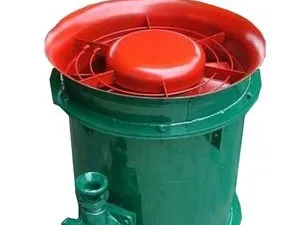
Selecting the right equipment begins with identifying the operational environment. Different industries require specific aerodynamic profiles and material constructions. At Zibo Hongcheng Fans, located within the Zibo Blower Industrial Park in Shandong Province, production focuses on specialized categories such as mining axial flow fans, centrifugal ventilators, and corrosion-resistant models. These units are designed to pair effectively with corresponding damper systems.
Centrifugal Fans and Volume Control Dampers
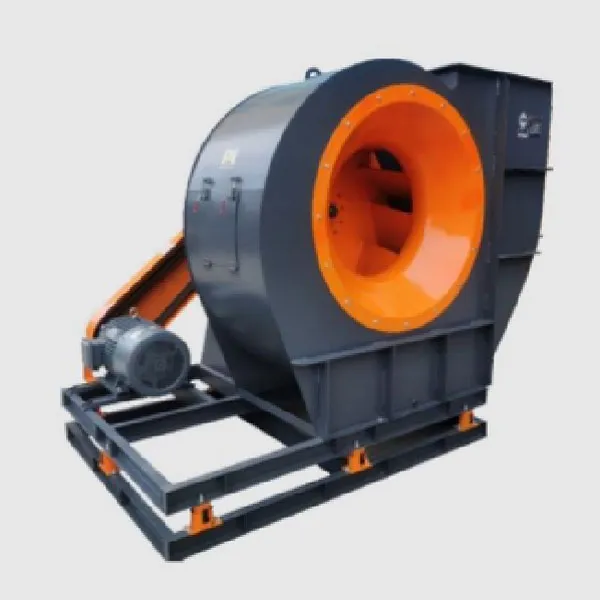
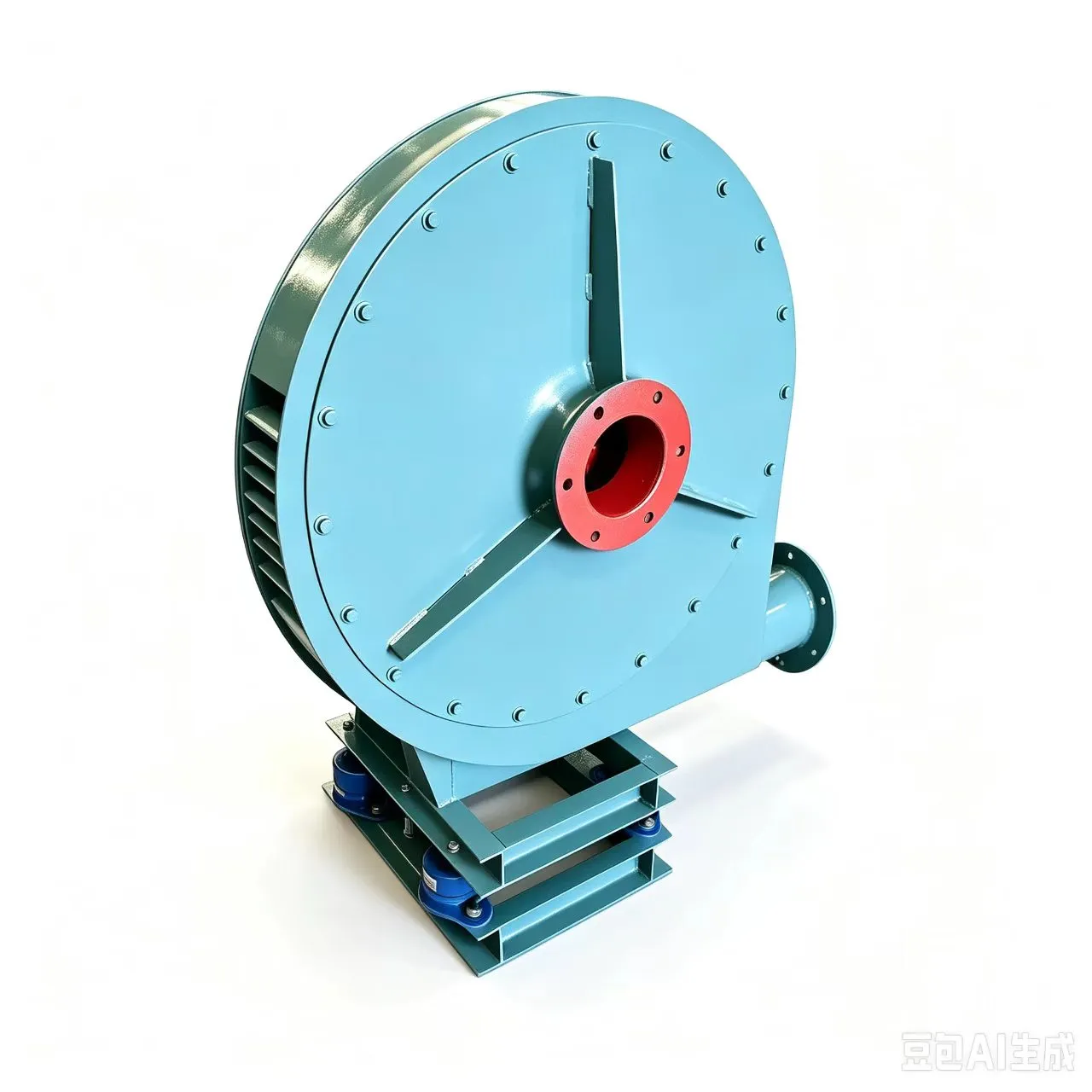
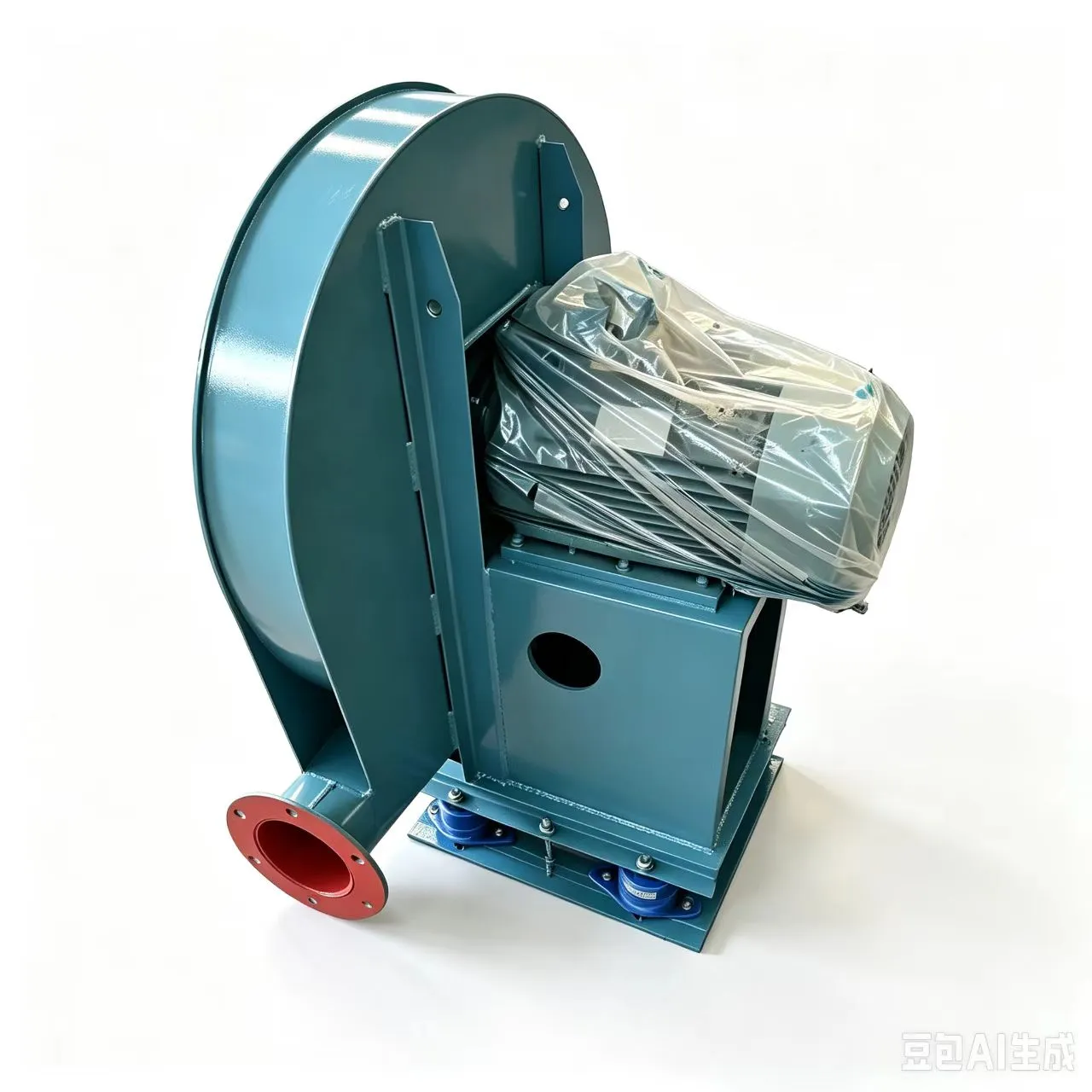
Centrifugal fans, often called blowers, use a rotating impeller to increase the velocity of an air stream. They are ideal for high-pressure applications such as kilns, boilers, and material handling systems. Because centrifugal fans generate significant static pressure, they are typically paired with volume control dampers (VCDs) or inlet guide vanes.
Inlet dampers are particularly effective for centrifugal units because they reduce the power consumption of the fan motor by limiting the air entering the impeller. This method is more energy-efficient than using outlet dampers, which merely restrict flow after the energy has already been imparted to the air. For corrosive environments like chemical plants, stainless steel centrifugal fans are equipped with sealed dampers to prevent acidic gas leakage into the bearing housing.
Axial Flow Fans and Pitch-Adjustable Dampers
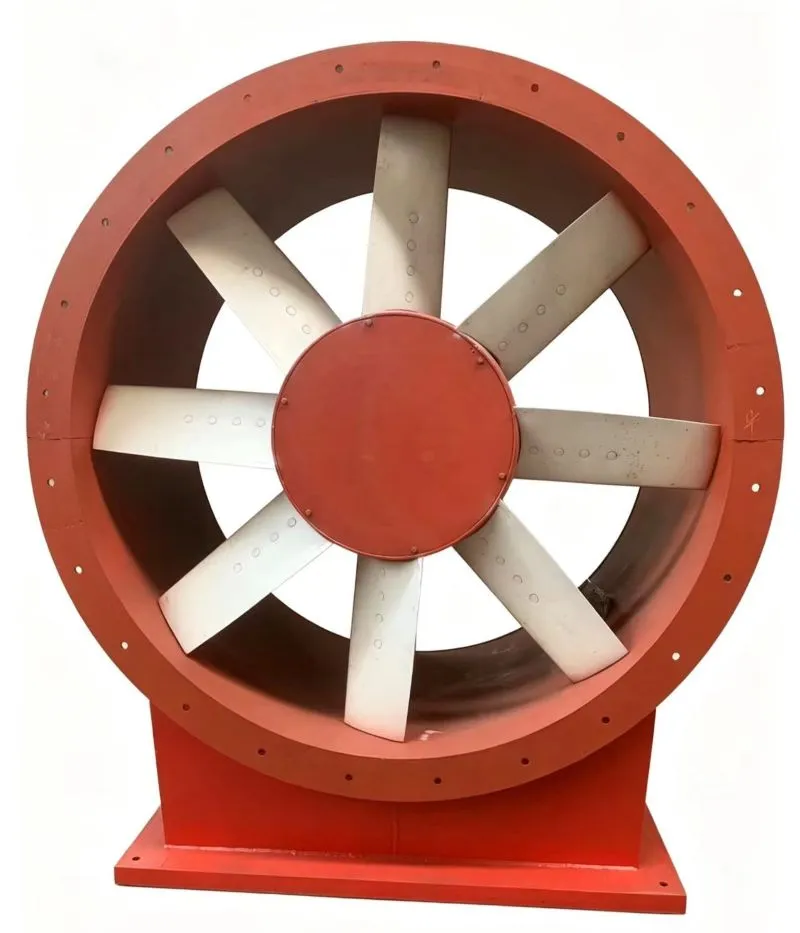
Axial flow fans move air parallel to the shaft axis, providing high volume at low pressure. These are commonly used in mine ventilation and large-scale cooling towers. Due to their design, axial fans often utilize pitch-adjustable blades rather than traditional separate dampers. However, in many installations, external louvre dampers are installed at the intake or discharge to provide coarse flow control or isolation.
Mining axial flow fans, a core product line for experienced manufacturers, must handle harsh conditions including dust and moisture. The dampers used in these systems are robustly constructed to resist abrasion. The ability to adjust blade pitch allows the fan to maintain efficiency across a wide range of airflow requirements, reducing the need for frequent damper adjustment.
Specialized Fans for Harsh Environments
Industries such as metallurgy and oil fields demand fans capable of withstanding extreme temperatures and corrosive agents. Stainless steel fans and corrosion-resistant fans are engineered with specialized coatings and materials. In these contexts, dampers must match the material grade of the fan to prevent galvanic corrosion. For example, a stainless steel fan handling acidic fumes will require a damper made from similar alloy grades, ensuring that the entire assembly maintains structural integrity over time.
Damper Technologies: Selection and Application
While the fan provides the motive force, the damper dictates the precision of control. Choosing the wrong damper type can negate the efficiency gains of a high-quality fan. Below is a detailed comparison of common damper types used in conjunction with industrial fans.
| Damper Type |
Best Paired Fan |
Primary Function |
Key Advantage |
| Butterfly Damper |
Centrifugal / Axial |
On/Off Isolation |
Compact design, low cost, tight shutoff. |
| Louvre Damper |
Axial / Large Ducts |
Flow Modulation |
Low pressure drop when open, good for large areas. |
| Guillotine Damper |
High Pressure Systems |
Complete Isolation |
Zero leakage, ideal for maintenance isolation. |
| Inlet Guide Vane |
Centrifugal |
Pre-swirl Control |
Energy efficient, reduces motor load significantly. |
| Backdraft Damper |
Exhaust Fans |
Reverse Flow Prevention |
Automatic operation, prevents backflow when fan stops. |
Material Considerations for Dampers
The longevity of a damper is heavily dependent on its construction material. In standard HVAC applications, galvanized steel is sufficient. However, in the sectors served by Zibo Hongcheng Fans—such as coal mines, chemical plants, and kilns—materials must be selected for durability.
- Stainless Steel (304/316): Essential for chemical plants and food processing where hygiene and corrosion resistance are paramount. It resists oxidation and acidic attacks.
- Carbon Steel with Coating: Used in general industrial ventilation. Epoxy or powder coatings provide a barrier against moisture and mild chemicals.
- Heat-Resistant Alloys: Required for boiler exhausts and kiln ventilation where temperatures exceed 400°C. These dampers often include water-cooling jackets or air purge systems to protect seals.
Engineering Expertise: How to Match Fans and Dampers
Proper sizing and matching of fans and dampers require a deep understanding of fluid dynamics and system curves. An undersized damper creates excessive turbulence, increasing noise and vibration. An oversized damper may lack the resolution needed for fine control. Experienced engineers, such as the founders of Zibo Hongcheng Fans who bring 20 years of industry experience, emphasize the importance of calculating the total system resistance before selecting components.
Step-by-Step Selection Process
- Define Operational Parameters: Determine the required airflow (CFM or m³/h), static pressure (Pa or in. wg), and gas temperature. Identify any corrosive or abrasive elements in the airstream.
- Select the Fan Type: Choose between axial and centrifugal based on pressure requirements. For high-pressure needs, select a centrifugal model; for high-volume, low-pressure needs, choose axial.
- Determine Damper Function: Decide if the damper is for isolation (on/off) or modulation (variable control). Isolation dampers prioritize leak tightness, while modulation dampers prioritize linear flow characteristics.
- Calculate Pressure Drop: Ensure the damper’s pressure drop at full open position is minimal (typically less than 0.1 inches w.g. for louvres) to avoid penalizing fan efficiency.
- Verify Actuator Compatibility: Select actuators (electric, pneumatic, or manual) that provide sufficient torque to overcome the differential pressure across the damper blades, especially during startup.
Manufacturing Quality and Customization Capabilities
In the B2B industrial sector, off-the-shelf solutions rarely meet all specific project requirements. Customization is key to achieving optimal performance. Zibo Hongcheng Fans exemplifies this approach. Established in 2020 but backed by decades of foundational expertise, the company operates a 9,000-square-meter facility in Zibo City. This substantial infrastructure supports comprehensive production processes, from raw material cutting to final assembly and testing.
The company employs over 30 skilled staff members and offers more than 50 series and over 600 specifications of blowers. This breadth of inventory allows for flexible OEM and wholesale arrangements. Whether a project requires a standard mining axial flow fan or a highly customized corrosion-resistant unit for a chemical plant, the manufacturing capability exists to deliver precise solutions.
Quality Control Standards
Trustworthiness in industrial manufacturing is built on rigorous quality control. All technical indicators for products manufactured at Zibo Hongcheng Fans meet national standards. The facility is equipped with comprehensive supporting equipment, ensuring that every fan and damper assembly undergoes strict inspection. Key quality checkpoints include:
- Dynamic Balancing: Ensuring fan impellers are balanced to minimize vibration, which extends bearing life and reduces noise.
- Leakage Testing: Verifying that dampers meet specified leakage rates, crucial for systems requiring tight isolation.
- Material Verification: Confirming that stainless steel and other alloys meet grade specifications to ensure corrosion resistance.
- Performance Curve Validation: Testing fans to ensure they deliver the promised airflow and pressure characteristics under load.
Common Applications and Industry Solutions
Fan and damper systems are ubiquitous in heavy industry. Understanding the specific demands of each application helps in selecting the right configuration.
Mining and Coal Processing
Mine ventilation is critical for worker safety, removing hazardous gases and dust. Mining axial flow fans must operate continuously and reliably. Dampers in these systems are often used to reverse airflow direction in emergency situations or to balance airflow between multiple shafts. The robust construction of fans from Zibo Hongcheng Fans makes them suitable for the dusty, humid conditions typical of underground operations.
Chemical and Oil Fields
In chemical plants and oil fields, the primary concern is corrosion and explosion proofing. Stainless steel fans and specialized dampers resistant to acidic vapors are essential. The damper seals must be made from chemically inert materials to prevent degradation. Customized production capabilities allow for the integration of spark-proof components and specialized coatings.
Metallurgy and Boilers
High-temperature environments in metallurgy and boiler systems require fans and dampers that can withstand thermal expansion. Induced draft fans pull hot flue gases through the system, while dampers regulate the draft. Materials must retain strength at elevated temperatures, and clearances must account for thermal growth to prevent binding.
FAQ: Frequently Asked Questions About Fan and Damper Systems
What is the difference between a volume control damper and a backdraft damper?
A volume control damper is actively adjusted to regulate the amount of airflow, often using an actuator. A backdraft damper is passive; it opens when the fan is running due to air pressure and closes by gravity or spring force when the fan stops, preventing reverse airflow.
How often should industrial fans and dampers be maintained?
Maintenance schedules depend on operating conditions. In clean environments, quarterly inspections may suffice. In harsh environments like mines or chemical plants, monthly checks of bearings, belt tension, and damper linkage are recommended. Lubrication and seal inspection should be part of every maintenance cycle.
Can I retrofit a damper to an existing fan system?
Yes, dampers can be retrofitted, but it requires careful engineering. Adding a damper increases system resistance, which may shift the fan’s operating point. It is crucial to verify that the existing fan motor has enough power reserve to handle the added pressure drop. Inlet dampers are often easier to retrofit than outlet dampers for energy savings.
Why is customization important for OEM fan orders?
Standard fans may not fit unique spatial constraints or meet specific performance criteria. Customization allows for adjustments in inlet/outlet orientation, material selection, and motor mounting. Zibo Hongcheng Fans offers customized production to meet personalized demands, ensuring the equipment integrates seamlessly into existing infrastructure.
What factors affect the lifespan of a corrosion-resistant fan?
The lifespan depends on the severity of the corrosive environment, the accuracy of material selection (e.g., 304 vs. 316 stainless steel), and maintenance practices. Proper sealing of electrical components and regular cleaning of deposited chemicals also play significant roles in extending service life.
Conclusion: Partnering for Reliable Ventilation Solutions
Selecting the right fan and damper combination is not just about purchasing hardware; it is about securing system efficiency, safety, and longevity. For industrial buyers, the complexity of matching aerodynamic performance with mechanical control necessitates a supplier with deep technical expertise and manufacturing flexibility.
Zibo Hongcheng Fans stands out as a reliable partner in this domain. With a 9,000-square-meter production base, a team led by founders with 20 years of blower industry experience, and a diverse portfolio of over 600 models, the company is well-equipped to handle both standard wholesale orders and complex OEM projects. From mining axial flow fans to specialized stainless steel units for chemical plants, their commitment to national quality standards and customized solutions ensures that clients receive equipment tailored to their specific operational challenges.
Whether you are upgrading an existing ventilation system or designing a new industrial facility, prioritizing a supplier with proven EEAT (Experience, Expertise, Authoritativeness, and Trustworthiness) is crucial. By choosing a manufacturer that controls quality from raw material to final assembly, you mitigate risk and enhance operational reliability.
Ready to optimize your ventilation system? Contact our engineering team to discuss your specific airflow requirements, material needs, and customization options. Explore our full range of related products and technical solutions to find the perfect match for your industrial application.