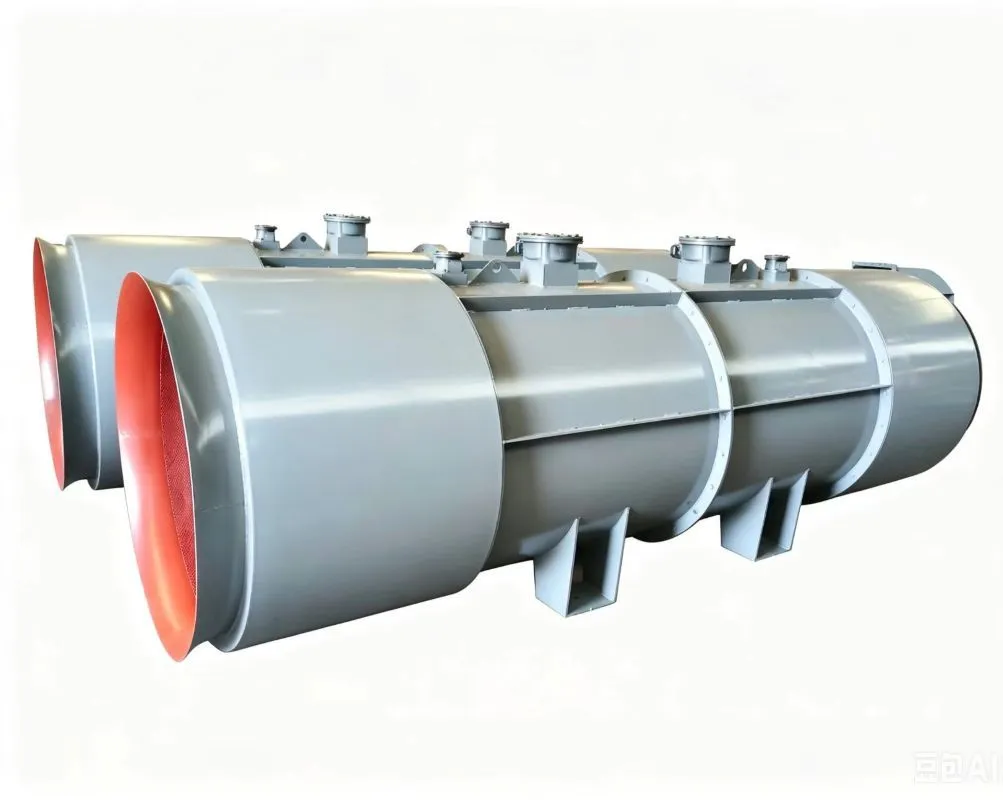
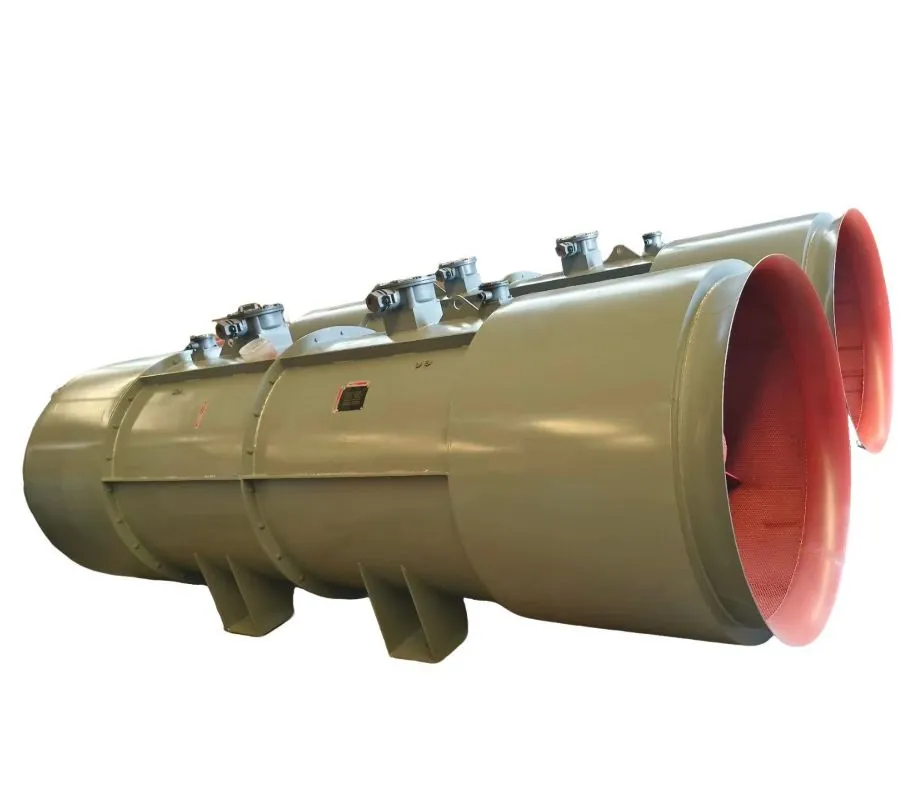
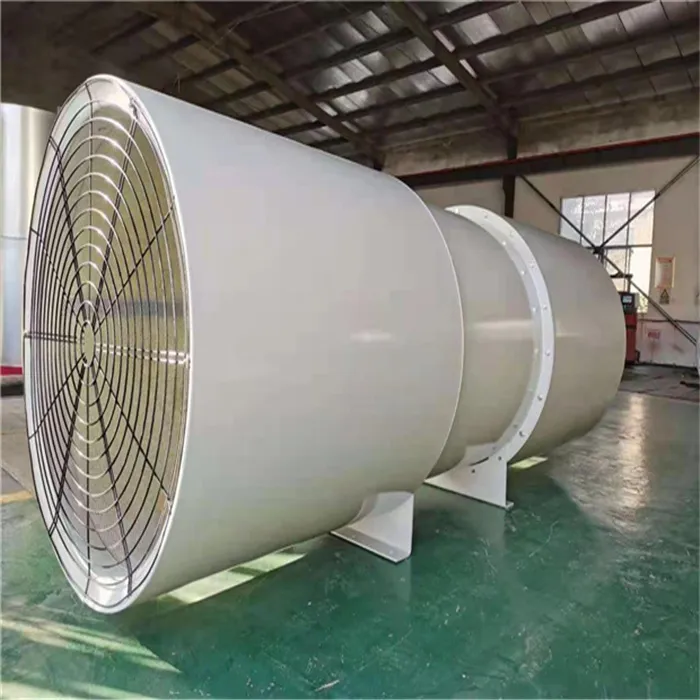
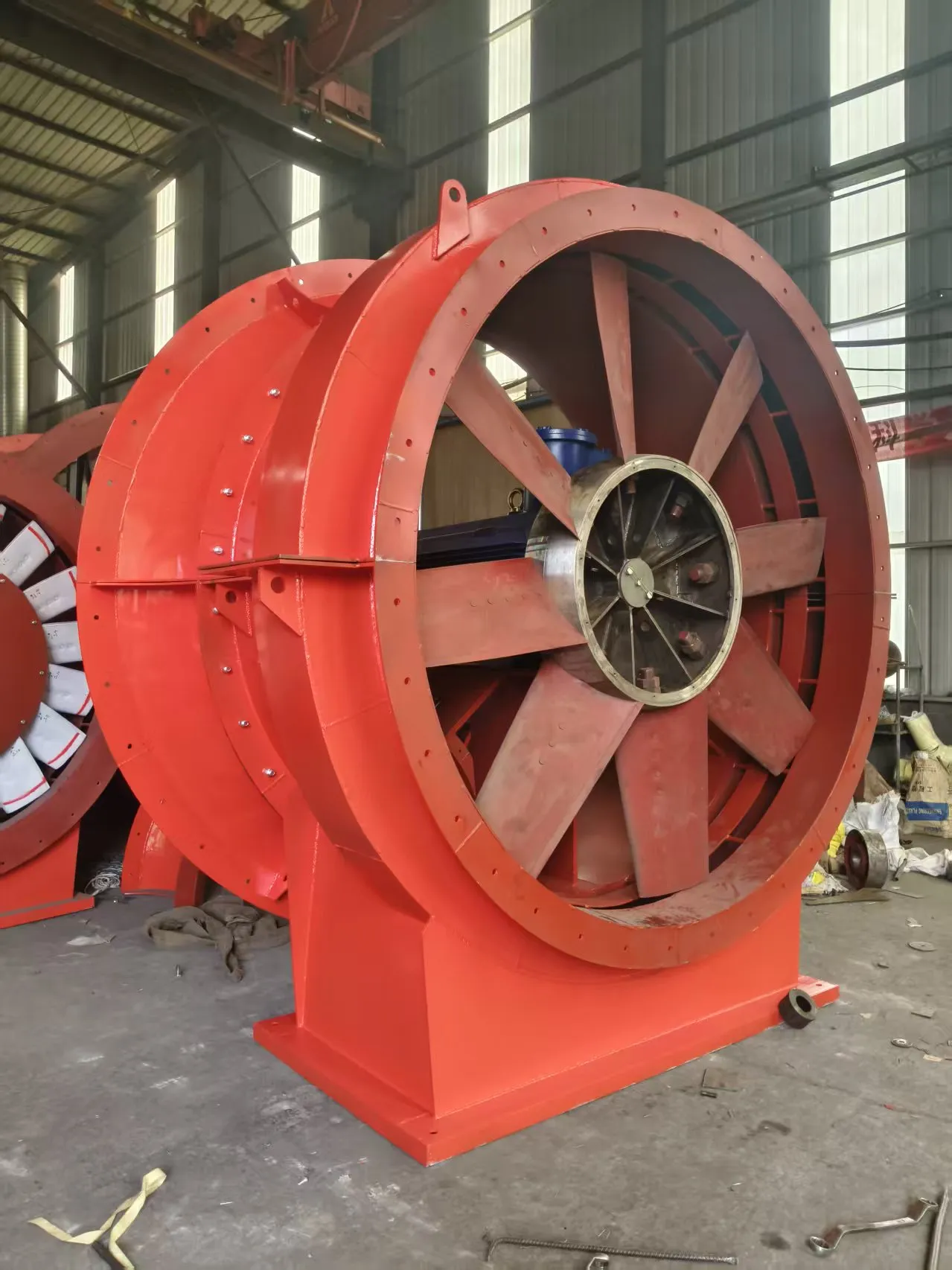
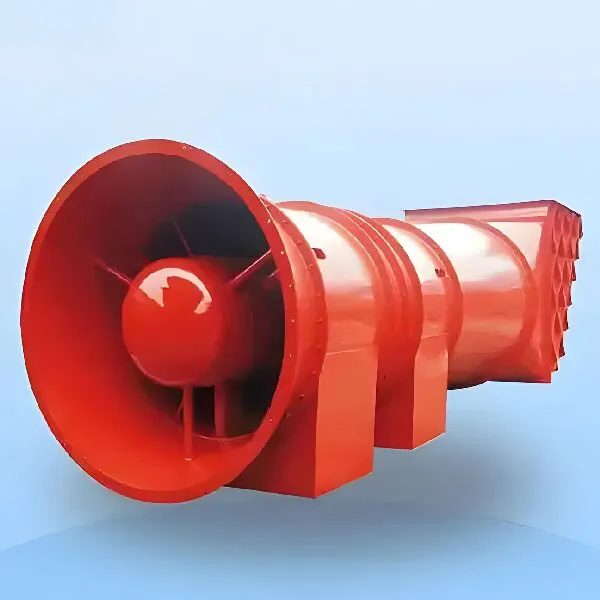
A high-temperature gas fan is a specialized industrial ventilation device engineered to operate continuously in extreme thermal environments, typically handling gases ranging from 250°C to over 800°C. Unlike standard ventilation units, these fans utilize heat-resistant alloys, specialized cooling systems, and robust bearing assemblies to maintain structural integrity and airflow efficiency under severe thermal stress. Selecting the right manufacturer ensures optimal performance, safety compliance, and long-term cost efficiency for critical industrial processes.
What Defines a High-Temperature Gas Fan?
Understanding the core definition of a high-temperature gas fan is essential for engineers and procurement specialists. These units are not merely standard fans with added insulation; they are fundamentally re-engineered systems designed to withstand thermal expansion, material degradation, and lubrication failure.
The primary distinction lies in the materials used for the impeller and housing. While standard fans often use mild steel or aluminum, high-temperature variants require stainless steel grades like 310S or specialized nickel-based alloys. These materials resist oxidation and maintain tensile strength when exposed to continuous heat loads that would warp conventional metals.
Furthermore, the aerodynamic design accounts for changes in gas density. As temperature rises, gas density decreases, which directly impacts the pressure and power requirements of the fan. A properly designed unit compensates for these fluid dynamics shifts to ensure consistent volumetric flow rates regardless of thermal fluctuations.
Key Operational Temperature Ranges
Industrial applications vary significantly, necessitating different classes of thermal resistance. Manufacturers typically categorize these fans based on their maximum continuous operating temperatures:
- Medium Temperature (250°C – 400°C): Suitable for drying ovens, paint curing lines, and certain food processing applications.
- High Temperature (400°C – 600°C): Common in waste incineration plants, boiler exhaust systems, and chemical reactors.
- Ultra-High Temperature (600°C – 800°C+): Required for metallurgical furnaces, glass manufacturing, and ceramic kiln exhausts.
Selecting a unit outside its designated range can lead to catastrophic failure. Therefore, precise temperature profiling of the process gas is the first step in the specification process.
Core Engineering Principles and Design Features
The reliability of a high-temperature gas fan hinges on several critical engineering solutions that address the unique challenges of hot gas movement. These features distinguish premium manufacturing from generic alternatives.
Advanced Material Selection
The choice of material is the single most important factor in fan longevity. In high-heat environments, metals are susceptible to creep, where they slowly deform under stress over time. To counter this, manufacturers utilize:
- Austenitic Stainless Steels: Such as 309S and 310S, which offer excellent resistance to oxidation and carburization up to 1100°C.
- Duplex Stainless Steels: Providing higher strength and corrosion resistance for aggressive chemical environments combined with heat.
- Nickel Alloys: Used in ultra-high temperature scenarios where standard stainless steels begin to lose mechanical properties.
The housing thickness is also increased to accommodate thermal growth without compromising structural rigidity. Welding procedures must adhere to strict codes to prevent crack formation in the heat-affected zones.
Cooling Systems for Bearing Protection
Bearings are the weakest link in any rotating machinery, especially when located near high-temperature gas streams. If the bearing temperature exceeds the lubricant’s limit, rapid failure occurs. Effective designs incorporate sophisticated cooling strategies:
- Air-Cooled Shafts: Extended shaft designs create a physical distance between the hot impeller and the bearing box, allowing ambient air to dissipate heat along the shaft length.
- Water-Cooled Bearing Housings: Integrated water jackets circulate coolant around the bearing assembly, actively removing conducted heat.
- Heat Sinks and Fins: External fins on the bearing bracket increase surface area for passive radiation and convection cooling.
Proper cooling ensures that the bearing operating temperature remains within the safe range of the selected grease or oil, often keeping it below 80°C even when the process gas exceeds 500°C.
Sealing Technologies
Preventing hot gas leakage into the bearing chamber or the external environment is crucial for safety and efficiency. Modern high-temperature fans employ multi-stage sealing arrangements:
- Labyrinth Seals: Non-contact seals that create a tortuous path for gas, reducing pressure and flow leakage effectively.
- Shaft Sleeve Seals: Replaceable sleeves protect the main shaft from wear and allow for tight clearance maintenance.
- Purge Air Systems: Injecting clean, cool air into the seal cavity creates a positive pressure barrier that prevents hot, dirty process gas from entering sensitive areas.
Comparison of Drive Configurations
When specifying a high-temperature gas fan, the drive configuration plays a pivotal role in maintenance accessibility and thermal management. The two primary configurations are direct drive and belt drive, each with distinct advantages depending on the application.
| Feature |
Direct Drive Configuration |
Belt Drive Configuration |
| Motor Position |
Motor is directly coupled to the fan shaft, often requiring the motor to be rated for high temperatures or located remotely via a long shaft. |
Motor is mounted separately on a base frame, connected via V-belts or synchronous belts, keeping the motor away from the heat source. |
| Thermal Management |
Requires extensive shaft cooling designs to protect the motor bearings from conducted heat. |
Naturally isolates the motor from high temperatures, simplifying cooling requirements for the drive end. |
| Maintenance |
Lower maintenance due to fewer moving parts (no belts to tension or replace), but alignment is critical. |
Higher maintenance frequency due to belt wear and tension adjustments, but offers flexibility in speed adjustment. |
| Efficiency |
Generally higher transmission efficiency as there are no belt losses. |
Slight efficiency loss due to belt friction, though modern synchronous belts minimize this. |
| Best Application |
Continuous operation scenarios where reliability and low maintenance are paramount. |
Applications requiring variable speeds or where the motor cannot be exposed to any radiant heat. |
Choosing between these configurations depends on the specific layout constraints and the thermal profile of the installation site. For extremely high temperatures, the belt drive often provides an extra layer of safety for the motor.
Step-by-Step Guide to Selecting the Right Unit
Selecting the correct high-temperature gas fan requires a systematic approach to ensure the equipment meets process demands without premature failure. Following these steps helps avoid common specification errors.
Step 1: Define Process Parameters
Gather accurate data on the operating conditions. This includes the maximum and minimum gas temperatures, the composition of the gas (to check for corrosive elements), and the required flow rate in cubic meters per hour (CMH) or CFM. Do not estimate; use actual process measurements.
Step 2: Calculate System Resistance
Determine the static pressure the fan must overcome. This involves calculating the pressure drop across ducts, filters, heat exchangers, and dampers. Remember that gas density changes with temperature, affecting the pressure calculation. Corrections must be applied to convert standard conditions to actual operating conditions.
Step 3: Choose Material and Construction
Based on the temperature and gas composition, select the appropriate alloy. If the gas contains sulfur or chlorides, standard stainless steel may not suffice, and higher-grade alloys or coatings might be necessary. Decide on the housing thickness and reinforcement needs.
Step 4: Specify Cooling and Sealing
Determine the cooling method for the bearings. For temperatures above 300°C, water cooling is often recommended. Select the sealing type based on the particulate load in the gas; abrasive dust may require more robust labyrinth seals with purge air.
Step 5: Verify Motor and Drive Compatibility
Ensure the motor has the correct IP rating and insulation class (e.g., Class H for high heat) if it is located near the fan. Verify that the drive mechanism (coupling or belts) can handle the torque requirements at the operating temperature.
Common Industrial Applications
The versatility of high-temperature gas fan technology allows it to serve a wide array of heavy industries. Understanding these applications highlights the necessity for customized engineering solutions.
Metallurgical and Steel Processing
In steel mills, these fans are critical for exhausting fumes from electric arc furnaces and reheating furnaces. The environment involves not only extreme heat but also abrasive dust and potentially corrosive byproducts. Fans here must be built with heavy-duty impellers and abrasion-resistant linings.
Waste Incineration and Energy Recovery
Incineration plants rely on induced draft fans to pull combustion gases through the boiler and pollution control systems. Temperatures can fluctuate rapidly, and the gas stream may contain acidic components. Corrosion resistance and thermal shock tolerance are key requirements in this sector.
Ceramic and Glass Manufacturing
Kilns and lehrs in the ceramic and glass industries operate at sustained high temperatures. Exhaust fans must handle clean but very hot air. Precision in airflow control is vital to maintain the quality of the annealing process, making variable frequency drive (VFD) compatibility an important feature.
Chemical and Petrochemical Processing
Reactors and calciners in chemical plants often produce hot, toxic, or flammable gases. Fans in these settings must be leak-proof and constructed from materials that resist specific chemical attacks while maintaining mechanical strength at elevated temperatures.
Advantages and Limitations Analysis
While high-temperature gas fan systems are indispensable, they come with specific trade-offs that buyers must consider. A balanced view helps in setting realistic expectations for performance and maintenance.
Key Advantages
- Operational Stability: Designed to run 24/7 in harsh conditions where standard fans would fail within hours.
- Safety Compliance: Meets rigorous international standards for fire safety and hazardous area operations.
- Long Service Life: Premium materials and cooling systems significantly extend the lifespan of bearings and seals.
- Process Efficiency: Maintains consistent airflow despite density changes, ensuring stable combustion or drying rates.
Potential Limitations
- Higher Initial Cost: The use of special alloys and complex cooling systems results in a higher upfront investment compared to standard fans.
- Maintenance Complexity: Specialized knowledge is required for inspecting and repairing high-temp components like water-cooled jackets.
- Weight and Size: Reinforced structures and additional cooling equipment often make these units heavier and larger, requiring stronger foundations.
- Lead Time: Custom engineering and fabrication of special materials can result in longer delivery times.
Maintenance Best Practices for Longevity
To maximize the return on investment, a proactive maintenance strategy is essential. High-temperature environments accelerate wear, making regular inspections non-negotiable.
Vibration Monitoring
Imbalance caused by dust buildup or thermal warping is a leading cause of failure. Installing online vibration sensors allows for real-time monitoring. Sudden spikes in vibration levels often indicate blade damage or bearing wear before a catastrophic event occurs.
Lubrication Management
Using the correct high-temperature grease is critical. Standard greases will carbonize and harden, locking the bearings. Maintenance schedules should include regular oil analysis or grease replenishment based on operating hours and temperature profiles.
Thermal Inspection
Periodic thermal imaging of the bearing housings and motor can reveal cooling system inefficiencies. If a water-cooled jacket shows hot spots, it may indicate blockage or pump failure. Early detection prevents overheating and subsequent seizure.
Seal and Shaft Inspection
Check for signs of gas leakage around the shaft seals. Black residue or discoloration indicates that hot gas is escaping, which can degrade the lubricant and damage the shaft surface. Replacing wear rings and seals during scheduled shutdowns prevents unplanned downtime.
Frequently Asked Questions (FAQ)
What is the maximum temperature a standard high-temperature gas fan can handle?
While capabilities vary by manufacturer and material selection, standard high-temperature models typically handle up to 400°C continuously. Specialized units using nickel-based alloys and advanced cooling can operate reliably at temperatures exceeding 800°C. Always consult the specific technical datasheet for the model in question.
Can a high-temperature fan handle corrosive gases?
Yes, but it requires specific material upgrades. Standard stainless steel may not suffice against acids like sulfur dioxide or chlorine. In such cases, manufacturers offer options with duplex stainless steel, specialized coatings, or rubber linings depending on the temperature and chemical composition.
How does altitude affect high-temperature fan performance?
Altitude reduces air density, similar to the effect of high temperature. When installing at high altitudes, the motor power and fan pressure capacity must be derated or upsized to compensate for the thinner air. Failure to adjust for altitude can result in insufficient airflow and motor overload.
Is water cooling mandatory for all high-temperature applications?
No, water cooling is generally recommended for continuous operations above 300°C to 400°C. For lower temperature ranges or intermittent duty cycles, air-cooled shafts with heat sinks are often sufficient and reduce the complexity of the installation by eliminating the need for a water supply and drainage system.
What certifications should I look for in a manufacturer?
Look for manufacturers with ISO 9001 certification for quality management. Additionally, depending on the industry, certifications like ATEX (for explosive atmospheres), AMCA (air movement and control), or specific pressure vessel codes may be required to ensure regulatory compliance.
Why Manufacturer Expertise Matters
The difference between a functional fan and a reliable asset often comes down to the depth of the manufacturer’s engineering expertise. Producing a high-temperature gas fan is not just about assembling parts; it involves complex thermodynamic calculations, material science knowledge, and precision manufacturing.
Experienced manufacturers invest in computational fluid dynamics (CFD) modeling to optimize impeller shapes for maximum efficiency and minimal turbulence. They also possess the foundry relationships and machining capabilities required to work with difficult-to-machine superalloys. This level of specialization ensures that the final product performs exactly as predicted under real-world stress.
A prime example of such dedicated expertise is Zibo Hongcheng Fans. Located within the Zibo Blower Industrial Park in Shandong Province, China, this facility spans 9,000 square meters and is driven by founders boasting over 20 years of experience in the blower industry. Since its establishment in 2020, the company has developed a comprehensive portfolio comprising more than 50 series and 600 specifications. Their product line specifically targets demanding environments, including mining axial flow fans, centrifugal ventilators, and critically, stainless steel and corrosion-resistant fans designed for the exact high-temperature and chemically aggressive conditions discussed in this article.
Serving sectors such as metallurgy, boilers, kilns, chemical plants, and mines, Zibo Hongcheng Fans combines complete production processes with a sound quality management system. Their commitment to strict quality control ensures that all technical indicators meet national standards. Moreover, recognizing that every industrial process is unique, they specialize in customized production, tailoring blower products to meet specific personalized demands regarding temperature resistance, material composition, and airflow dynamics. This ability to blend standardized quality with bespoke engineering makes them a valuable partner for facilities requiring reliable high-temperature ventilation solutions.
Furthermore, a reputable factory provides comprehensive after-sales support, including spare parts availability, technical troubleshooting, and customization services. In industrial settings where downtime costs thousands of dollars per hour, having a partner who understands the nuances of high-temperature airflow is invaluable.
Conclusion and Selection Recommendations
Selecting the right high-temperature gas fan is a critical decision that impacts the safety, efficiency, and profitability of industrial operations. By prioritizing material integrity, advanced cooling solutions, and precise engineering, facilities can ensure uninterrupted performance even in the most demanding thermal environments.
This guide has outlined the essential factors for evaluation, from understanding temperature ranges to comparing drive configurations and maintenance needs. The ideal solution balances initial capital expenditure with long-term operational reliability.
Who should use these insights? Plant managers, process engineers, and procurement officers involved in upgrading exhaust systems or designing new thermal processing lines will find these criteria essential for vendor evaluation.
Next Steps: Begin by auditing your current process parameters, specifically focusing on peak temperature variations and gas composition. Use this data to request detailed technical proposals from qualified manufacturers. Prioritize suppliers who demonstrate a proven track record in your specific industry sector and offer transparent engineering data to support their claims. Investing time in the specification phase today prevents costly failures tomorrow.