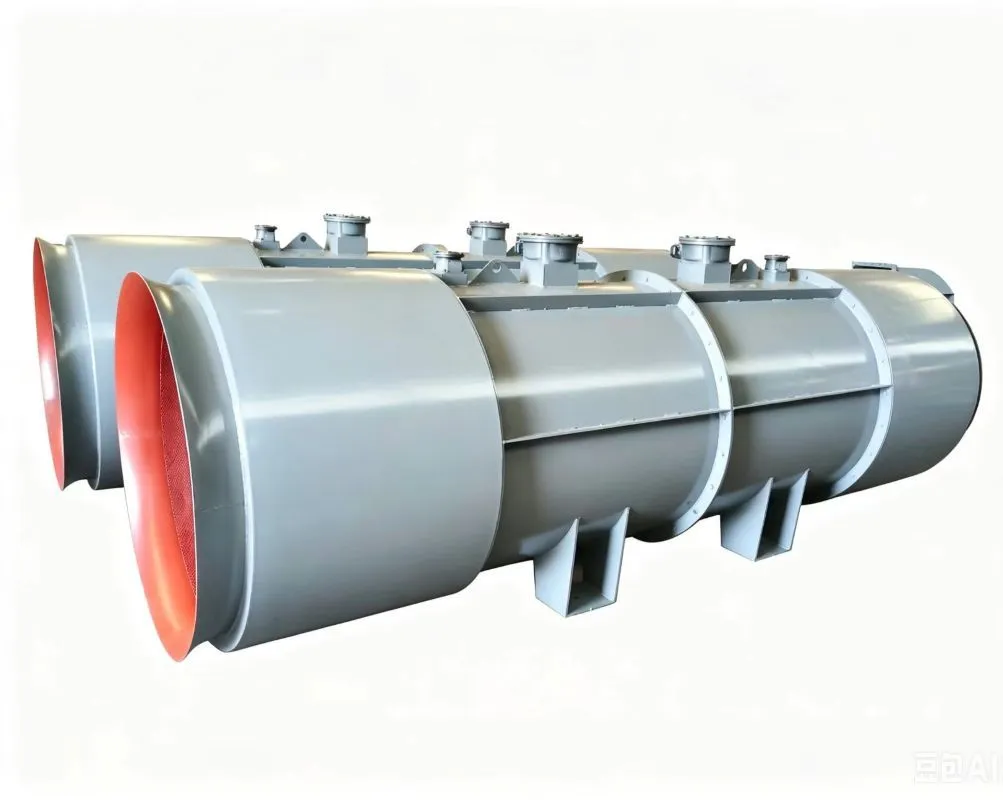
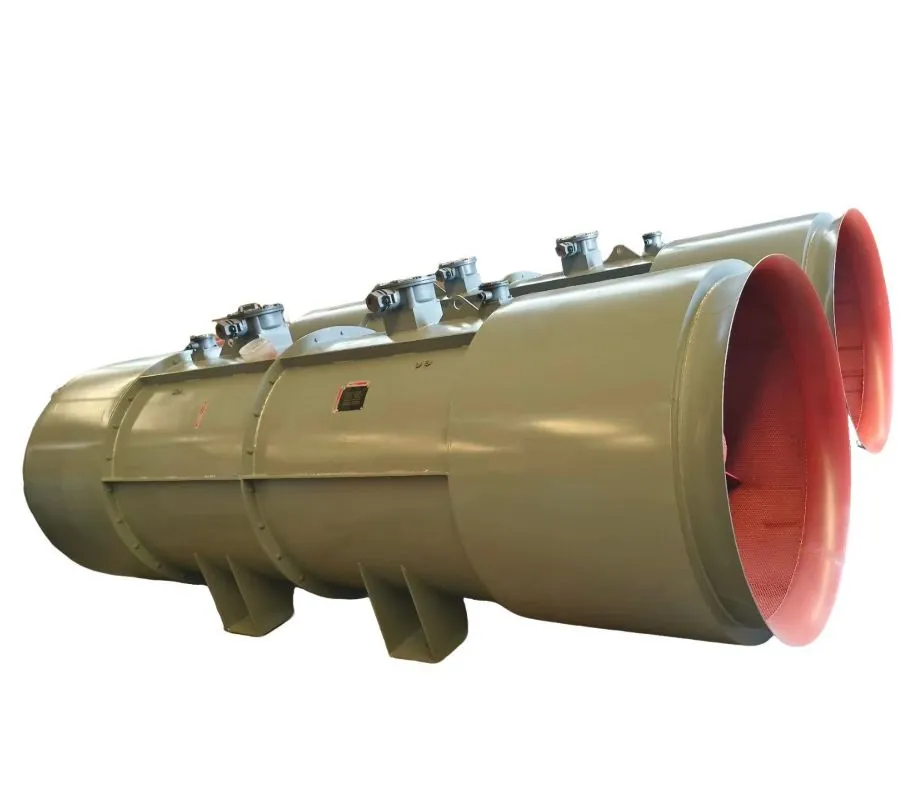
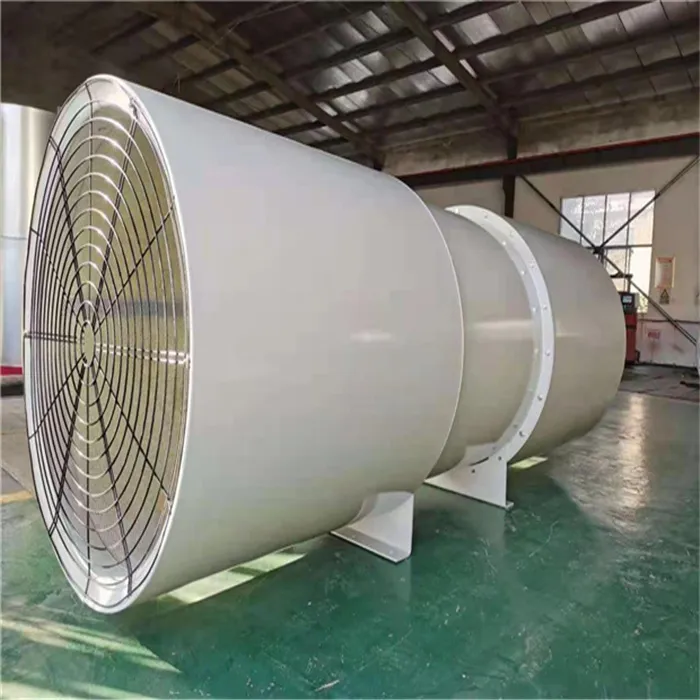
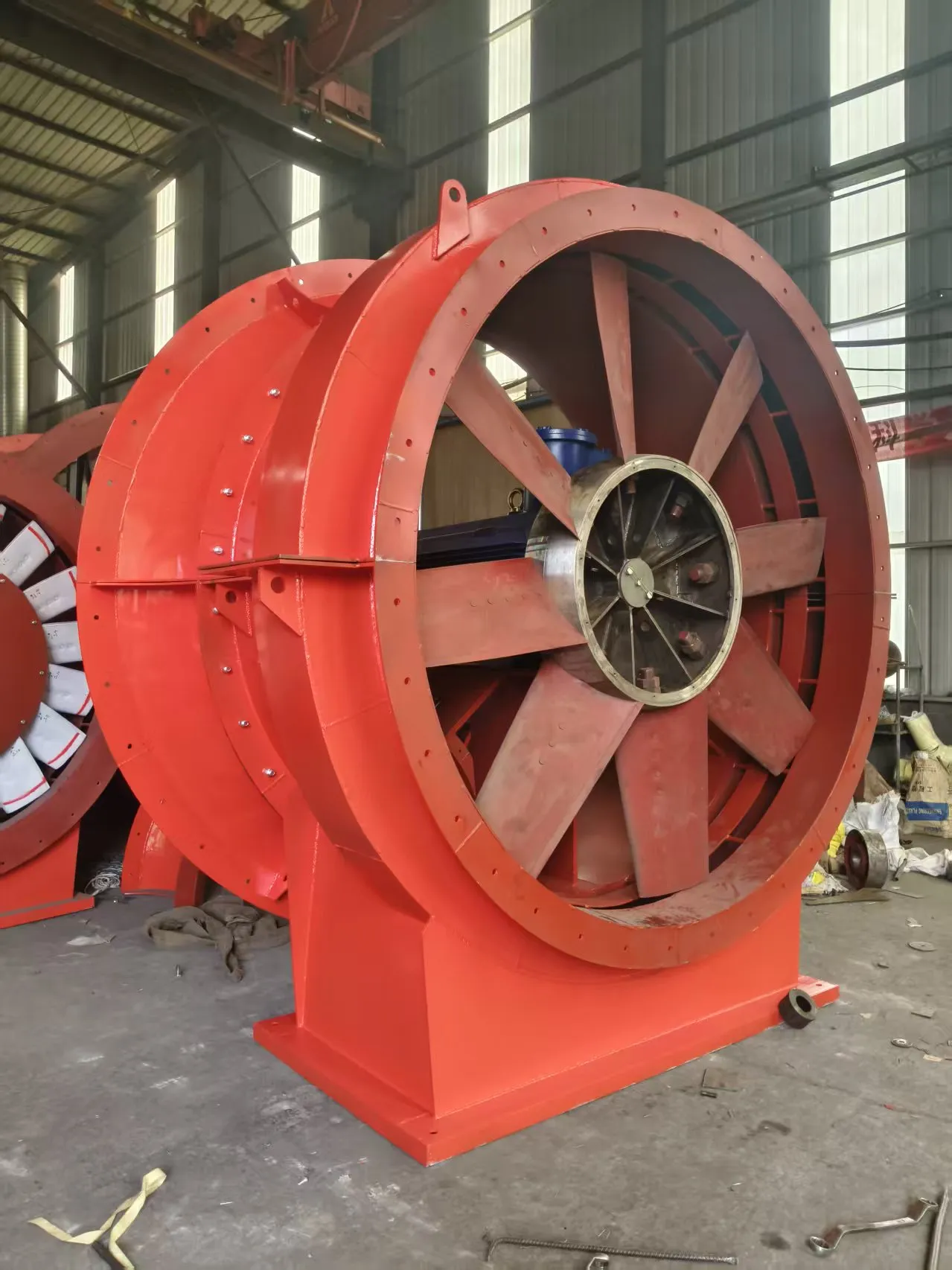
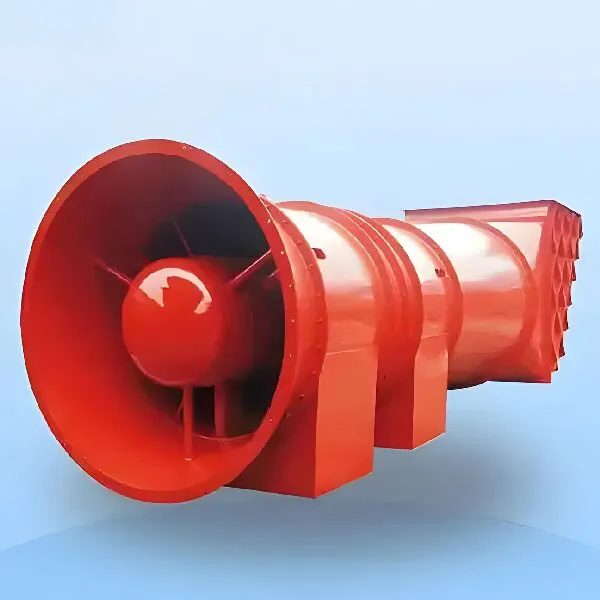
Looking for a reliable corrosive gas fan supplier with factory direct pricing for 2026? Our manufacturing facility specializes in high-performance ventilation solutions designed explicitly for aggressive chemical environments. We deliver industrial-grade fans engineered to withstand acidic, alkaline, and solvent-laden airstreams without compromising efficiency or safety. By eliminating intermediaries, we provide cost-effective, custom-engineered systems that meet global compliance standards while ensuring long-term operational stability for your facility.
What Is a Corrosive Gas Fan and Why Is It Critical?
A corrosive gas fan is a specialized industrial ventilation device engineered to move air containing harmful chemical vapors, acids, or solvents. Unlike standard centrifugal or axial fans, these units utilize advanced materials and coatings to resist degradation from aggressive substances like sulfuric acid, hydrochloric acid, and chlorine gas.
In industries such as chemical processing, semiconductor manufacturing, and wastewater treatment, the failure of ventilation equipment can lead to catastrophic safety hazards and expensive downtime. The primary function of these fans is to maintain negative pressure, extract toxic fumes, and ensure a safe working environment while sustaining structural integrity under constant chemical attack.
Current mainstream designs focus on balancing aerodynamic efficiency with material resilience. As environmental regulations tighten globally, the demand for leak-proof, energy-efficient, and durable extraction systems has become the industry standard for 2026 and beyond.
The Science Behind Corrosion Resistance
The effectiveness of a corrosive gas fan relies heavily on the synergy between material science and fluid dynamics. Standard steel components oxidize rapidly when exposed to acidic moisture, leading to imbalance, vibration, and eventual mechanical failure.
- Material Selection: High-grade polymers like FRP (Fiber Reinforced Plastic) and specific stainless steel alloys (e.g., 316L) form the first line of defense against chemical erosion.
- Coating Technologies: Advanced fluoropolymer linings provide an impermeable barrier, preventing gas penetration into the substrate material.
- Sealing Mechanisms: Specialized shaft seals prevent corrosive gases from reaching the motor and bearing assemblies, which are typically isolated from the airstream.
Understanding these principles is essential for selecting a unit that offers not just initial resistance, but long-term durability in fluctuating temperature and concentration conditions.
Key Materials and Construction Standards for 2026
Selecting the right construction material is the most critical decision in specifying a corrosive gas fan. The choice depends entirely on the specific chemical composition, temperature, and concentration of the gas being handled. Our factory utilizes a rigorous selection protocol to match materials to application needs.
Fiber Reinforced Plastic (FRP) Solutions
FRP remains the dominant material for handling a wide range of acids and alkalis. Its composite structure combines glass fibers for strength with resin matrices for chemical resistance.
- Versatility: Different resin types (vinyl ester, epoxy, polyester) can be tailored to resist specific chemicals.
- Weight Efficiency: FRP fans are significantly lighter than metal equivalents, reducing stress on support structures and foundations.
- Cost-Effectiveness: For moderate temperatures, FRP offers the best balance of performance and factory direct pricing.
However, FRP has temperature limitations. In scenarios where gas temperatures exceed the glass transition point of the resin, alternative materials must be considered to prevent softening and structural collapse.
Polypropylene (PP) and PVDF Applications
For highly aggressive environments involving strong oxidizers or elevated temperatures, thermoplastic materials like Polypropylene (PP) and Polyvinylidene Fluoride (PVDF) are preferred.
PVDF, in particular, offers exceptional resistance to UV radiation and a broader range of chemicals compared to standard PP. These materials are often used in scrubber systems and laboratory exhaust applications where purity and resistance to trace contaminants are paramount. The welding techniques used for these thermoplastics ensure seamless joints that eliminate leakage points common in assembled metal units.
Stainless Steel and Hybrid Alloys
While standard stainless steel is susceptible to pitting from chlorides, super-austenitic and duplex stainless steels provide robust solutions for high-temperature corrosive streams.
These alloys are frequently employed when the process involves both high heat and corrosive elements, situations where plastic materials would fail. Hybrid designs, featuring a stainless steel structural frame with lined impellers, offer a strategic compromise, maximizing strength where needed while protecting airflow surfaces from corrosion.
Comparative Analysis of Fan Technologies
Choosing the correct fan type is as important as selecting the material. Different aerodynamic profiles offer distinct advantages depending on the system’s static pressure requirements and flow volume. The following table compares the primary technologies available for corrosive gas applications.
| Fan Type |
Best Application Scenario |
Pressure Capability |
Efficiency Rating |
Material Compatibility |
| Centrifugal (Backward Curved) |
High static pressure systems, ducted networks |
High |
Very High |
FRP, PP, Stainless Steel |
| Centrifugal (Radial Blade) |
Dusty or particulate-laden corrosive gas |
Medium to High |
Moderate |
Heavy-duty FRP, Coated Steel |
| Axial Flow |
High volume, low pressure, wall mounting |
Low |
High (at design point) |
FRP, PVDF |
| Mixed Flow |
Space-constrained installations requiring higher pressure |
Medium |
High |
FRP, Thermoplastics |
Centrifugal fans with backward curved blades are generally the industry preference for complex ductwork due to their non-overloading power characteristics and superior efficiency. Conversely, axial fans are ideal for direct wall discharge where duct resistance is minimal. Understanding these distinctions ensures the selected corrosive gas fan operates within its optimal efficiency island, reducing energy consumption and wear.
Factory Direct Advantages: Cost and Customization
Sourcing directly from the manufacturer provides significant strategic advantages over purchasing through distributors or general suppliers. In the context of specialized industrial equipment, the supply chain structure directly impacts lead times, technical support quality, and total cost of ownership.
Eliminating Intermediary Markups
Traditional distribution channels often add multiple layers of markup, inflating the final price by 20% to 40%. By engaging with our factory directly, clients secure pricing that reflects actual production costs plus a reasonable margin. This model is particularly beneficial for large-scale projects requiring multiple units or custom configurations.
Factory direct pricing also facilitates better budget forecasting for 2026 projects, shielding buyers from volatile distributor inventory fluctuations. Transparent costing allows for more accurate ROI calculations when upgrading older, inefficient ventilation systems.
Bespoke Engineering and Rapid Prototyping
Off-the-shelf fans rarely fit the unique constraints of corrosive gas applications perfectly. Direct factory engagement enables tailored engineering solutions.
- Custom Dimensions: Adjusting inlet and outlet orientations to fit existing retrofits without expensive ductwork modifications.
- Specialized Coatings: Applying specific lining thicknesses based on the exact chemical concentration provided by the client.
- Motor Isolation: Designing extended shafts or belt-drive configurations to keep motors completely outside the hazardous zone.
This level of customization ensures that the equipment integrates seamlessly into the facility’s workflow, minimizing installation friction and maximizing immediate operational readiness.
About Zibo Hongcheng Fans: Your Trusted Manufacturing Partner
Behind these advanced capabilities stands Zibo Hongcheng Fans, a premier manufacturer located in the heart of the Zibo Blower Industrial Park in Shandong Province, China. Established in 2020 by founders boasting over two decades of industry expertise, our 9,000-square-meter facility combines deep historical knowledge with modern manufacturing precision. With a dedicated team of more than 30 skilled professionals, we have developed a comprehensive portfolio comprising over 50 series and 600 distinct specifications.
While our roots extend into mining axial flow fans and centrifugal ventilators for coal mines and oil fields, our core specialization today lies in stainless steel and corrosion-resistant fans tailored for the chemical, metallurgy, textile, and building material sectors. Our production line is equipped with comprehensive supporting equipment and complete processes, all governed by a sound quality management system. Every unit we produce undergoes strict quality control to ensure all technical indicators meet or exceed national standards. Whether you require a standard model or a fully customized solution to meet personalized demands, Zibo Hongcheng Fans delivers the reliability and engineering excellence necessary for harsh industrial environments.
Operational Efficiency and Energy Conservation
In the modern industrial landscape, energy efficiency is not merely a cost-saving measure but a regulatory requirement. Corrosive gas fans often run continuously, making their power consumption a significant portion of a facility’s utility bill. Optimizing aerodynamic performance yields substantial long-term savings.
Aerodynamic Optimization Techniques
Advanced computational fluid dynamics (CFD) simulations are utilized during the design phase to refine blade geometry. This process minimizes turbulence and flow separation within the fan housing.
By achieving smoother airflow, the fan requires less torque to move the same volume of gas. This reduction in mechanical load translates directly to lower amperage draw from the motor. Furthermore, optimized designs reduce noise levels, contributing to a safer and more compliant workplace environment regarding occupational health standards.
Variable Frequency Drive (VFD) Integration
Integrating Variable Frequency Drives allows the corrosive gas fan to adjust its speed based on real-time demand. Instead of running at full capacity constantly, the system modulates output to match the actual gas generation rate.
- Soft Starting: Reduces mechanical stress on bearings and belts during startup, extending component life.
- Process Control: Maintains consistent negative pressure even as process conditions change.
- Energy Savings: Reducing fan speed by 20% can result in nearly 50% energy savings due to the cube law relationship between speed and power.
Our factory units are pre-configured for VFD compatibility, ensuring easy integration with existing building management systems and automation controls.
Maintenance Protocols for Longevity
Even the most robust corrosive gas fan requires a structured maintenance regimen to ensure reliability. Proactive care prevents unexpected failures that could halt production or compromise safety. A disciplined approach to inspection and servicing extends the operational lifespan of the equipment significantly.
Routine Inspection Checklist
Regular visual and instrumental inspections are the first line of defense against corrosion-induced failure. Maintenance teams should adhere to a strict schedule tailored to the aggressiveness of the handled gases.
- Vibration Analysis: Monitor for imbalances caused by uneven corrosion buildup on the impeller.
- Bearing Temperature: Check for overheating, which may indicate seal failure allowing gas ingress.
- Structural Integrity: Inspect the housing and support frame for signs of resin cracking, blistering, or metal thinning.
- Belt Tension: Ensure drive belts are properly tensioned to prevent slippage and excessive wear.
Documenting these inspections creates a historical record that helps predict replacement cycles and plan budgets effectively. Early detection of minor issues prevents them from escalating into major mechanical breakdowns.
Cleaning and Decontamination Procedures
Accumulation of particulate matter or crystallized salts on fan components can disrupt airflow balance and accelerate localized corrosion. Periodic cleaning using compatible solvents or water washes (if the material permits) is essential.
It is crucial to follow manufacturer guidelines regarding cleaning agents to avoid damaging the protective linings. For FRP units, abrasive cleaning methods should be avoided to prevent exposing the glass fiber matrix to chemical attack. Proper cleaning restores aerodynamic efficiency and allows for a clearer visual assessment of the material condition.
Application Scenarios Across Industries
The versatility of modern corrosive gas fan technology supports a wide array of industrial sectors. Each sector presents unique challenges regarding gas composition, temperature, and operational continuity. Understanding these specific contexts aids in selecting the most appropriate configuration.
Chemical Processing and Petrochemical Plants
In chemical manufacturing, fans are exposed to a complex mixture of volatile organic compounds (VOCs), acids, and bases. The stakes are high, as leaks can result in severe environmental penalties and safety incidents.
Fans in this sector often require explosion-proof motors and spark-resistant construction in addition to corrosion resistance. The ability to handle fluctuating gas concentrations and temperatures makes FRP and lined steel fans the predominant choice. Reliability is paramount, as shutdowns in continuous process plants incur massive financial losses.
Semiconductor and Electronics Manufacturing
The fabrication of semiconductors involves the use of highly toxic and corrosive gases such as silane, arsine, and various etching acids. Purity and containment are the primary concerns in these facilities.
Exhaust systems must prevent any backflow or leakage that could contaminate the cleanroom environment or endanger personnel. PVDF and high-purity PP fans are frequently specified here due to their smooth internal surfaces which minimize particle accumulation and facilitate thorough cleaning. The precision required in these applications demands fans with extremely tight tolerances and balanced operation.
Wastewater Treatment Facilities
Wastewater treatment generates hydrogen sulfide, methane, and other corrosive biogases. These environments are characterized by high humidity and varying chemical loads.
Fans used in headworks and aeration basins must withstand constant exposure to moist, sulfide-rich air. Fiberglass reinforced plastic fans are widely used due to their immunity to the microbiologically induced corrosion that rapidly degrades concrete and metal structures. Durability and low maintenance requirements are key selection criteria for municipal and industrial treatment plants.
Step-by-Step Guide to Selecting the Right Fan
Selecting the optimal corrosive gas fan requires a systematic evaluation of process parameters and site conditions. Following a structured approach ensures that the chosen equipment meets all performance and safety requirements without overspending on unnecessary features.
- Define Gas Composition: Identify all chemical constituents, including trace elements, and determine their concentrations. This dictates the material compatibility matrix.
- Determine Operating Temperature: Establish the maximum and minimum gas temperatures. This narrows down the viable material options (e.g., ruling out certain plastics for high-heat applications).
- Calculate Airflow and Pressure: Quantify the required volumetric flow rate (CFM or CMH) and the total static pressure of the duct system. These metrics define the fan size and motor power.
- Assess Site Constraints: Evaluate available space, orientation requirements, and access for maintenance. This influences the choice between axial, centrifugal, or mixed-flow designs.
- Review Regulatory Compliance: Ensure the selection meets local emission standards, noise ordinances, and safety codes regarding explosive atmospheres if applicable.
- Request Factory Consultation: Engage with the manufacturer to validate selections and explore custom options that might optimize performance or cost.
This methodical process minimizes the risk of specification errors and ensures the installed system performs reliably from day one. Skipping any of these steps can lead to premature failure or inadequate ventilation performance.
Troubleshooting Common Operational Issues
Despite robust design, operational anomalies can occur. Recognizing the symptoms and understanding their root causes enables swift corrective action. Most issues stem from installation errors, material mismatch, or lack of maintenance.
Excessive Vibration and Noise
Vibration is often the first indicator of trouble. It can result from impeller imbalance due to uneven corrosion or debris accumulation. It may also signal bearing wear or misalignment between the motor and fan shaft.
Solution: Immediately shut down the unit if vibration exceeds safe limits. Inspect the impeller for buildup or damage. Rebalance the wheel if necessary and check alignment tolerances. Replace bearings if roughness or play is detected.
Reduced Airflow Performance
A drop in airflow usually indicates increased system resistance or reduced fan efficiency. Causes include clogged filters, closed dampers, or erosion of the impeller blades altering their aerodynamic profile.
Solution: Inspect the entire duct run for obstructions. Verify damper positions. If the impeller shows signs of significant erosion or corrosion, it may need replacement or refurbishment to restore original performance curves.
Leakage at Shaft Seals
Gas leaking past the shaft seal is a critical safety issue. This typically occurs when seals degrade due to chemical attack or when the shaft develops scoring from particulate abrasion.
Solution: Replace the seal assembly with a material rated for the specific gas. Inspect the shaft surface for damage; if scored, the shaft may need machining or replacement. Consider upgrading to a double mechanical seal with a flush plan for harsher applications.
Frequently Asked Questions (FAQ)
How long does a corrosive gas fan typically last?
The lifespan varies significantly based on the severity of the chemical environment and the appropriateness of the material selection. A well-specified FRP fan in a moderate acid environment can last 15 to 20 years. In extremely aggressive conditions with poor maintenance, life may be reduced to 5-7 years. Regular inspection and adherence to maintenance schedules are the strongest predictors of longevity.
Can standard fans be coated to resist corrosion?
While coating standard metal fans is possible, it is generally not recommended for critical corrosive gas applications. Coatings can chip or delaminate over time, exposing the base metal to rapid corrosion. Dedicated corrosive gas fans constructed from solid resistant materials like FRP or high-grade alloys offer far superior reliability and safety assurance.
What certifications should I look for in a supplier?
Look for manufacturers with ISO 9001 certification for quality management. Depending on the region and industry, certifications like AMCA (Air Movement and Control Association) for performance rating and ATEX or IECEx for explosive atmospheres are crucial. Factory direct suppliers should be able to provide test reports validating their performance claims.
Is it possible to retrofit an existing fan with corrosion-resistant materials?
Retrofitting is sometimes feasible but often cost-prohibitive compared to replacement. Lining an existing metal housing can be done, but replacing the impeller with a compatible material requires precise balancing and fitting. In most cases, installing a new, purpose-built corrosive gas fan offers better efficiency, warranty coverage, and long-term value.
How do temperature fluctuations affect fan performance?
Temperature changes alter gas density, which directly impacts fan pressure and power requirements. Higher temperatures reduce gas density, lowering the pressure generated by the fan at a constant speed. Materials also expand and contract; therefore, thermal compatibility between the shaft, housing, and impeller is vital to prevent binding or clearance issues.
Future Trends in Corrosive Gas Ventilation
As we approach 2026, the landscape of industrial ventilation is evolving. Innovations in material science and digital monitoring are setting new benchmarks for what constitutes a high-performance corrosive gas fan.
Smart Monitoring and IoT Integration
The integration of Internet of Things (IoT) sensors allows for real-time monitoring of fan health. Parameters such as vibration spectra, bearing temperature, and motor current are transmitted to central dashboards.
This data enables predictive maintenance, where repairs are scheduled just before a failure is predicted, rather than on a fixed calendar basis. This approach minimizes unplanned downtime and optimizes spare parts inventory. Factory direct suppliers are increasingly embedding these smart capabilities as standard features in their premium lines.
Advanced Nanocomposite Materials
Research into nanocomposite resins is yielding materials with enhanced barrier properties and mechanical strength. These next-generation FRP formulations offer improved resistance to permeation by small gas molecules and greater tolerance to thermal shock.
Adoption of these materials will extend the service life of fans in the harshest environments, further reducing the total cost of ownership. As these technologies mature, they are expected to become the new industry standard for high-end corrosive gas applications.
Conclusion and Strategic Recommendations
Selecting the right corrosive gas fan is a critical investment in the safety, efficiency, and continuity of industrial operations. The complexity of chemical environments demands more than off-the-shelf solutions; it requires engineered precision, superior materials, and a partner committed to long-term performance.
For facility managers and engineers planning upgrades or new installations in 2026, the path forward is clear. Prioritize factory direct engagement to leverage custom engineering capabilities and competitive pricing. Focus on material compatibility verified by rigorous testing, and embrace energy-efficient designs that align with sustainability goals.
Who should act now? If your current ventilation system shows signs of corrosion, inefficiency, or fails to meet updated safety standards, immediate evaluation is necessary. Delaying replacement risks costly emergency repairs and potential regulatory non-compliance.
Take the next step by auditing your current gas handling requirements and consulting with a specialized manufacturer like Zibo Hongcheng Fans. Secure a ventilation solution that not only survives your environment but thrives in it, ensuring operational excellence for years to come.