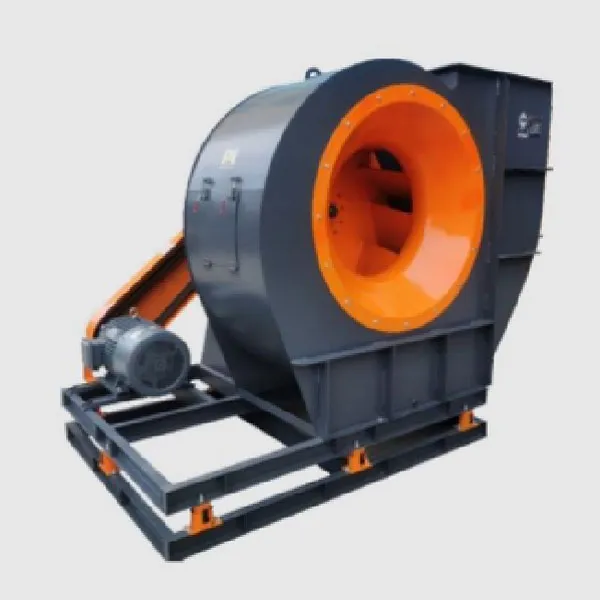
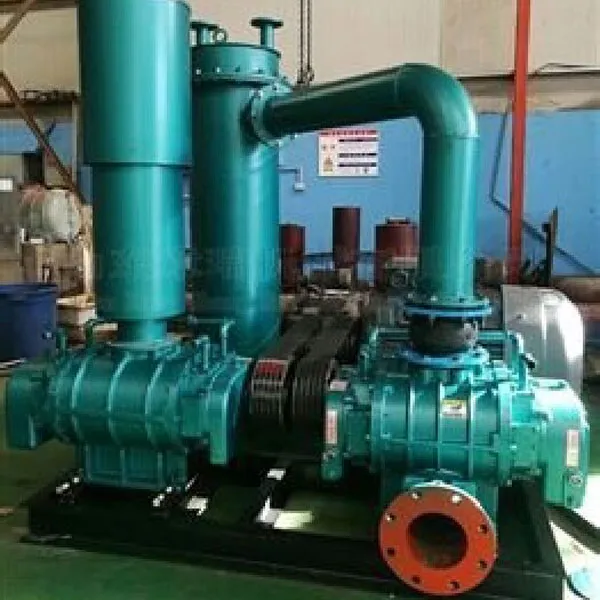
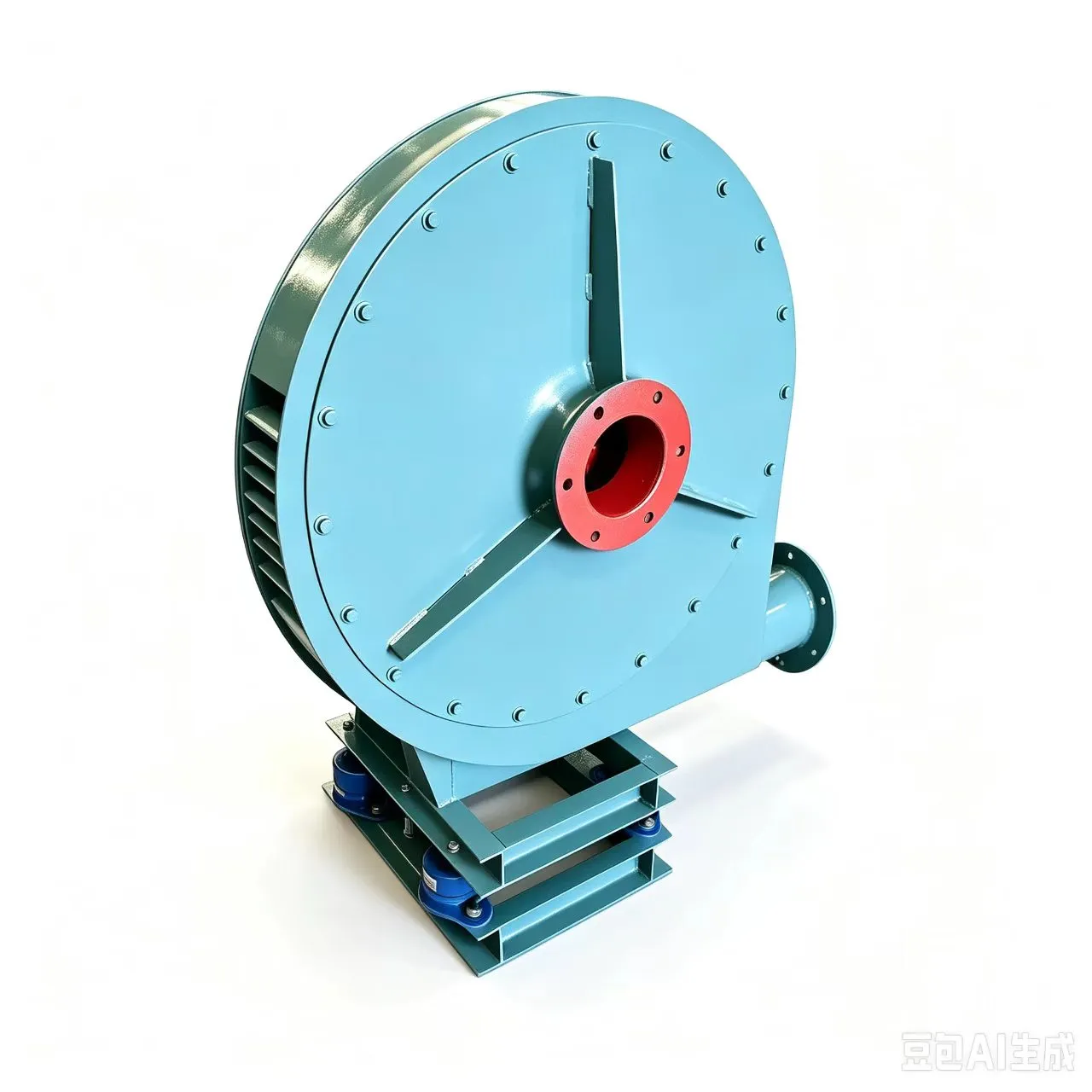
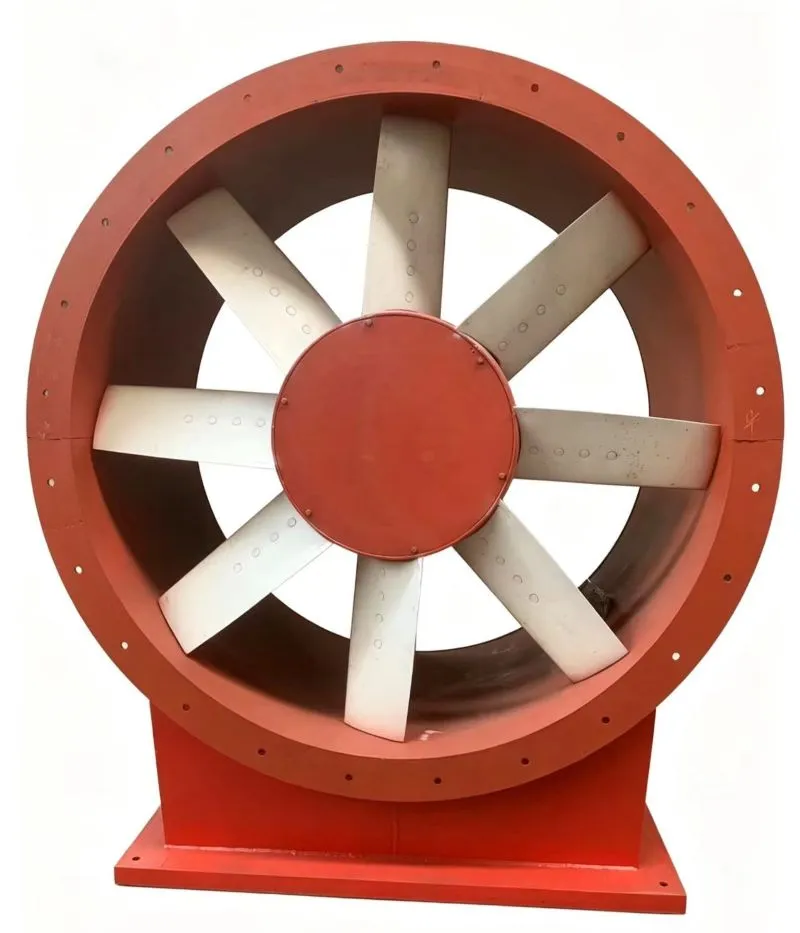
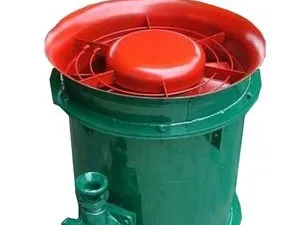
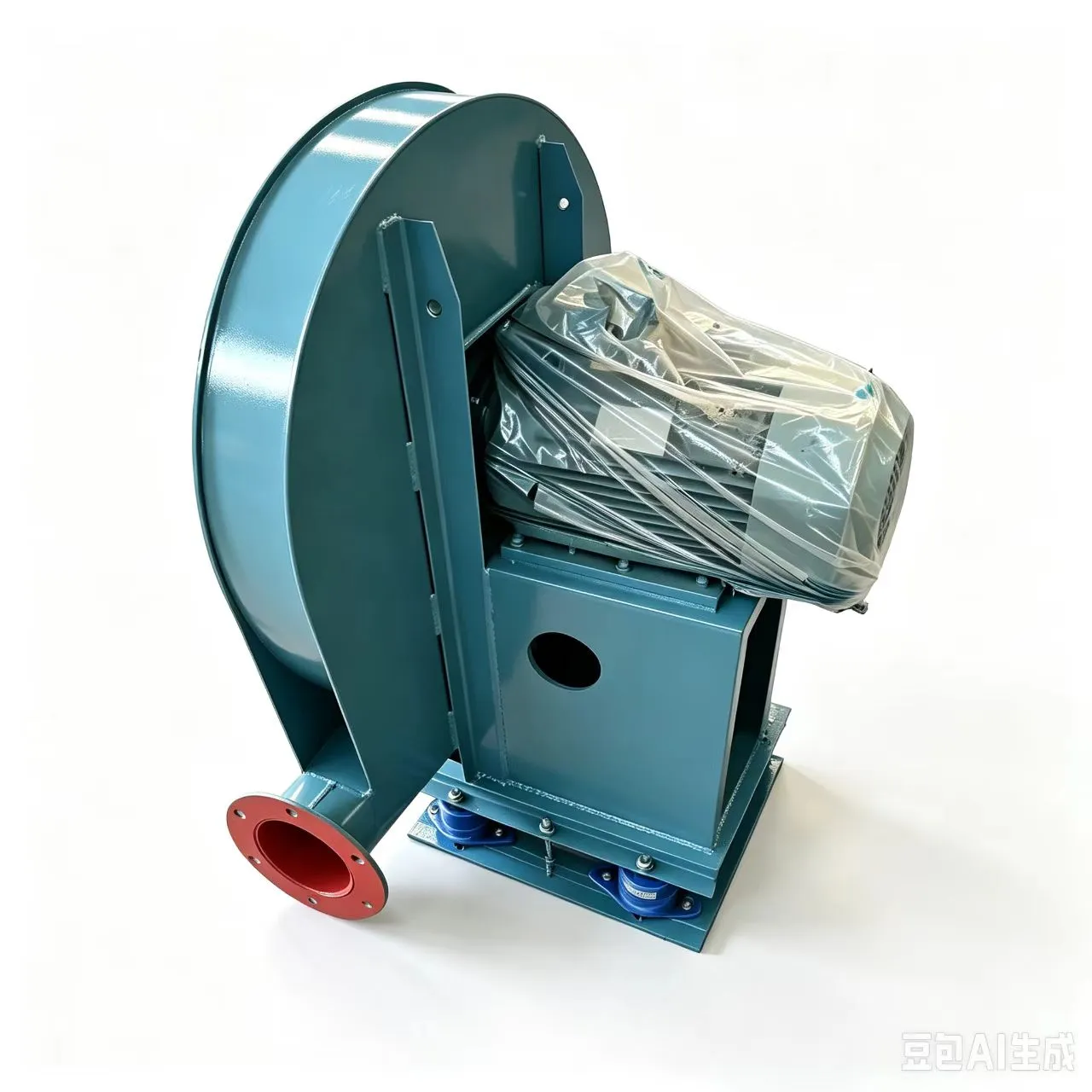
A high-temperature resistant fan is a specialized industrial ventilation unit engineered to operate continuously in environments exceeding 200°C (392°F), with certain models capable of withstanding temperatures up to 800°C (1472°F). Unlike standard centrifugal or axial fans, these units utilize heat-resistant alloys, specialized bearing cooling systems, and thermal expansion compensation designs to prevent mechanical failure. For B2B procurement, selecting the right manufacturer involves verifying material certifications, understanding impeller dynamics under thermal stress, and ensuring OEM customization capabilities for specific kiln, boiler, or metallurgical applications.
What Is a High-Temperature Resistant Fan?
In heavy industry, standard ventilation equipment fails rapidly when exposed to extreme heat. A high-temperature resistant fan is not merely a “stronger” fan; it is a fundamentally re-engineered system designed to manage thermodynamic stress. These fans are critical components in processes where hot air, flue gas, or combustion byproducts must be moved efficiently without compromising system integrity.
The core distinction lies in the materials and structural design. While a standard fan might use cold-rolled steel and standard grease-lubricated bearings, a high-temperature variant employs stainless steel (such as SS304 or SS316), heat-resistant cast iron, or specialized nickel-based alloys. The motor is often mounted externally or protected by a water-cooling jacket to ensure it operates within safe temperature limits, even when the airflow passing through the impeller is scorching hot.
Key Operating Temperature Ranges
Understanding the temperature classification is the first step in proper selection. Industrial applications vary widely, and manufacturers typically categorize these fans into three tiers:
- Medium Temperature (80°C – 250°C): Common in drying ovens, paint curing lines, and basic HVAC exhaust systems. Standard bearings with heat shields are often sufficient.
- High Temperature (250°C – 450°C): Typical for boiler induced draft, chemical processing, and textile manufacturing. Requires specialized high-temperature grease and expanded housing clearances.
- Ultra-High Temperature (450°C – 800°C+): Used in metallurgy, cement kilns, and glass manufacturing. These units often feature water-cooled bearings, air-cooling wheels, and impellers made from heat-resistant cast steel or specialized alloys.
Core Engineering Features of Heat-Resistant Fans
To achieve reliability in harsh thermal environments, several engineering modifications are mandatory. Ignoring any of these elements can lead to premature bearing seizure, impeller deformation, or motor burnout.
1. Specialized Impeller Design and Materials
The impeller is the heart of the fan. At high temperatures, metals expand. If the impeller design does not account for thermal growth, it can rub against the housing, causing catastrophic failure. Manufacturers use finite element analysis (FEA) to predict expansion rates. Materials such as 1Cr18Ni9Ti or 2520 stainless steel are chosen for their ability to retain structural integrity and resist oxidation at elevated temperatures.
2. Advanced Bearing Cooling Systems
Bearings are the most vulnerable component in any rotating machinery. In high-temperature fans, the heat from the airflow travels along the shaft toward the bearings. To counteract this, two primary cooling methods are employed:
- Air-Cooling Wheels: A secondary fan wheel is mounted on the shaft between the main impeller and the bearing box. As it spins, it draws ambient cool air across the bearing housing, dissipating heat before it reaches the lubricant.
- Water-Cooled Bearing Housings: For ultra-high temperatures, the bearing box is equipped with a water jacket. Circulating water absorbs heat directly from the housing, maintaining the bearing temperature below 80°C regardless of the process air temperature.
3. Thermal Expansion Compensation
As the fan casing heats up, it expands. Rigid mounting can cause stress cracks. High-quality designs incorporate sliding feet or flexible connections that allow the casing to expand longitudinally without distorting the alignment of the shaft. This ensures smooth operation and extends the lifespan of the drive components.
Industrial Applications and Use Cases
High-temperature fans are indispensable across various sectors. Their ability to handle corrosive, dusty, and hot gases makes them suitable for some of the most demanding industrial environments.
| Industry |
Application |
Typical Temperature Range |
Key Requirement |
| Metallurgy & Steel |
Blast furnace exhaust, sintering plants |
300°C – 600°C |
High durability, abrasion resistance |
| Cement & Building Materials |
Kiln head cooling, clinker cooling |
250°C – 450°C |
Dust tolerance, thermal stability |
| Chemical Processing |
Exhaust of corrosive hot gases |
150°C – 350°C |
Corrosion resistance (SS316/FRP) |
| Power Generation |
Boiler induced draft (ID) fans |
120°C – 200°C |
High pressure, continuous reliability |
| Textile & Printing |
Drying ovens, heat setting machines |
100°C – 250°C |
Uniform airflow, low vibration |
Zibo Hongcheng Fans: Expertise in High-Temperature Ventilation
Selecting the right partner for high-temperature fan procurement requires a manufacturer with deep technical roots and robust production capabilities. Zibo Hongcheng Fans stands out in this sector, leveraging decades of specialized experience to deliver reliable ventilation solutions.
Located within the Zibo Blower Industrial Park in Shandong Province, a hub for China’s blower manufacturing, Zibo Hongcheng Fans occupies a 9,000-square-meter facility. Although formally established in 2020, the company is built on the foundation of its founders’ 20 years of experience in the blower industry. This historical expertise ensures that every design decision is informed by real-world engineering challenges rather than just theoretical models.
The company employs over 30 skilled staff members and offers an extensive portfolio comprising more than 50 series and over 600 specifications of blowers. While they produce a wide range of ventilation equipment, their core competency lies in mining axial flow fans, centrifugal ventilators, stainless steel fans, and corrosion-resistant fans. These products are rigorously tested to meet national standards, ensuring that technical indicators such as airflow volume, pressure, and efficiency are consistent and reliable.
What sets Zibo Hongcheng Fans apart is its commitment to OEM and customized production. Recognizing that no two industrial processes are identical, the company provides tailored solutions for mines, coal mines, oil fields, chemical plants, kilns, metallurgy, boilers, textiles, and building materials. Their comprehensive supporting equipment and complete production processes allow for strict quality control from raw material selection to final assembly. This end-to-end oversight guarantees that each high-temperature fan can withstand the specific thermal and chemical stresses of its intended application.
How to Choose the Right High-Temperature Fan Manufacturer
When sourcing high-temperature fans for B2B projects, buyers must evaluate potential suppliers against strict criteria. The cost of failure in these applications is high, involving not just replacement costs but also significant downtime.
1. Verify Material Certifications
Do not accept verbal assurances about material quality. Request mill certificates for the steel used in impellers and casings. For temperatures above 400°C, ensure the manufacturer uses verified heat-resistant alloys. Zibo Hongcheng Fans, for instance, adheres to strict quality management systems where all technical indicators meet national standards, providing traceability for materials used in critical components.
2. Assess Customization Capabilities
Standard off-the-shelf fans rarely fit perfectly into complex industrial retrofitting projects. Look for a manufacturer that offers OEM services. Can they modify the inlet angle? Can they adjust the motor position to fit space constraints? Can they apply special coatings for corrosion resistance? A supplier like Zibo Hongcheng Fans, with its focus on personalized demands, can adapt designs to meet unique operational needs, ensuring seamless integration into existing infrastructure.
3. Evaluate Production Capacity and Lead Times
For large-scale projects, such as a new cement plant or a mine ventilation upgrade, lead times are critical. A manufacturer with a dedicated industrial park presence and comprehensive supporting equipment, like Zibo Hongcheng Fans, is better positioned to handle bulk orders and wholesale requirements without compromising on quality or delivery schedules.
Common Mistakes in High-Temperature Fan Selection
Even experienced engineers can overlook critical details when specifying fans for hot environments. Avoid these common pitfalls to ensure long-term system reliability.
- Ignoring Gas Density Changes: Hot air is less dense than cold air. If a fan is selected based on standard air density without correction factors, it will fail to deliver the required mass flow. Always specify the operating temperature and altitude to the manufacturer.
- Underestimating Bearing Heat: Assuming that a standard bearing box is sufficient for 300°C operation is a frequent error. Without active cooling (air or water), the grease will carbonize, leading to bearing seizure within weeks.
- Neglecting Thermal Expansion: Failing to account for the expansion of ductwork and the fan casing can result in excessive vibration and misalignment. Flexible connectors and proper foundation design are essential.
- Overlooking Corrosion: High temperature often accompanies corrosive gases (e.g., sulfur oxides in boiler exhaust). Using standard carbon steel instead of stainless steel or coated materials will lead to rapid degradation.
Maintenance Best Practices for Longevity
Proper maintenance is crucial for maximizing the lifespan of high-temperature fans. Even the best-engineered units require regular attention to perform optimally.
Routine Inspection Checklist
- Bearing Temperature Monitoring: Install thermal sensors on bearing housings. Any sudden rise in temperature indicates lubrication failure or misalignment.
- Vibration Analysis: High temperatures can cause imbalance due to dust buildup on impellers or thermal distortion. Regular vibration checks help detect issues before they cause catastrophic failure.
- Lubrication Management: Use only high-temperature synthetic greases specified by the manufacturer. Replace grease at intervals shorter than those for standard fans, as heat accelerates lubricant degradation.
- Cooling System Checks: For water-cooled bearings, monitor water flow and temperature regularly. Ensure there are no leaks or blockages in the cooling jackets. For air-cooling wheels, check for dust accumulation that might impede airflow.
Frequently Asked Questions (FAQ)
What is the maximum temperature a high-temperature fan can withstand?
Standard high-temperature fans typically operate up to 250°C-300°C. Specialized models using heat-resistant alloys and water-cooled bearings can withstand temperatures up to 800°C or higher. The exact limit depends on the material composition of the impeller and the effectiveness of the bearing cooling system.
Can a high-temperature fan handle corrosive gases?
Yes, but it requires specific material selection. Stainless steel (SS304/SS316) or specialized coatings are necessary to resist corrosion from acidic or alkaline gases often found in chemical plants and boiler exhausts. Zibo Hongcheng Fans offers corrosion-resistant models specifically designed for such harsh environments.
How does altitude affect high-temperature fan performance?
At higher altitudes, air density is lower. Combined with high temperatures, this significantly reduces the mass flow rate. Fans must be sized with correction factors for both temperature and altitude to ensure they deliver the required performance. Manufacturers should be provided with site-specific environmental data.
What is the difference between an axial and a centrifugal high-temperature fan?
Axial fans move air parallel to the shaft and are ideal for high-volume, low-pressure applications, such as tunnel ventilation or large oven exhaust. Centrifugal fans move air perpendicular to the shaft and generate higher pressure, making them suitable for systems with significant resistance, such as boiler induced draft or complex ductwork networks.
Why choose Zibo Hongcheng Fans for OEM projects?
Zibo Hongcheng Fans combines 20 years of founder experience with modern manufacturing capabilities. Located in the Zibo Blower Industrial Park, they offer over 600 specifications and customized solutions. Their strict quality control, adherence to national standards, and ability to tailor products for mining, metallurgy, and chemical industries make them a reliable partner for wholesale and OEM needs.
Conclusion: Securing Reliable Ventilation for Extreme Environments
Investing in a high-quality high-temperature resistant fan is not just about purchasing equipment; it is about securing the continuity of your industrial operations. The right fan ensures efficient heat removal, maintains safe working conditions, and protects downstream equipment from thermal damage.
For businesses in mining, metallurgy, chemical processing, or manufacturing, partnering with an experienced manufacturer is crucial. Zibo Hongcheng Fans offers the technical expertise, production capacity, and customization flexibility needed to meet these demanding requirements. With a diverse range of over 600 models and a commitment to quality standards, they provide solutions that are both robust and tailored to specific operational challenges.
Whether you need a standard high-temperature centrifugal fan or a fully customized OEM solution for a unique application, ensuring that your supplier understands the nuances of thermal dynamics and material science is key. Do not compromise on quality when dealing with extreme heat.
Ready to optimize your industrial ventilation system?
Contact our engineering team today to discuss your specific temperature requirements, airflow needs, and customization options. Let us help you select the perfect fan model for your project.
Explore Our High-Temperature Fan Product Range & Technical Solutions