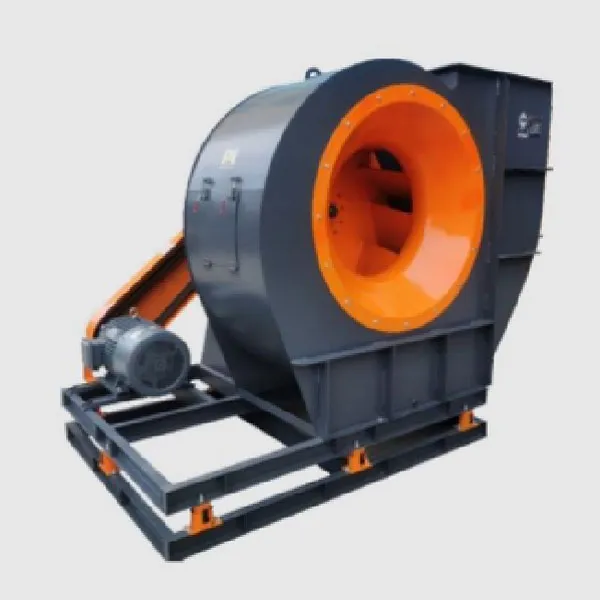
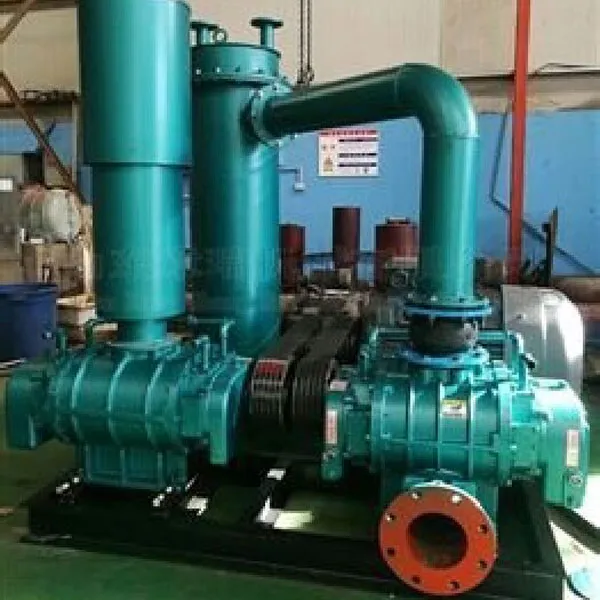
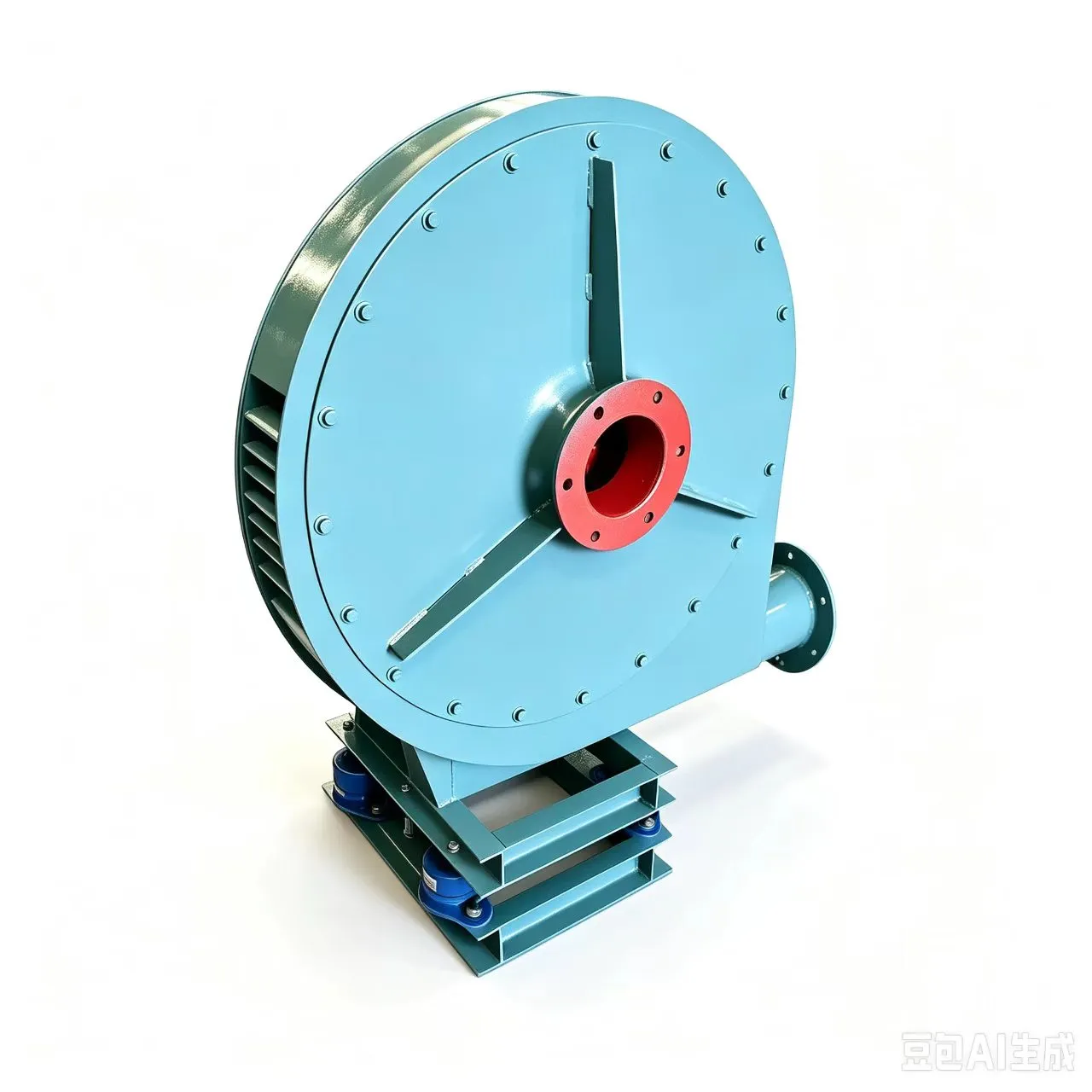
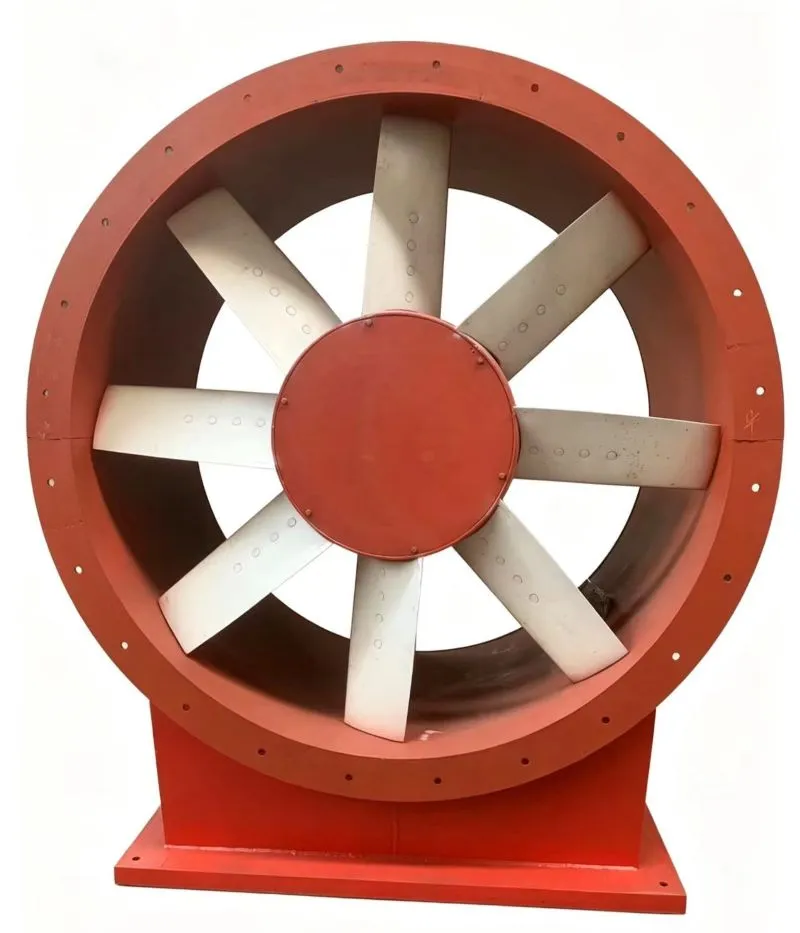
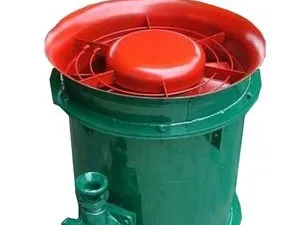
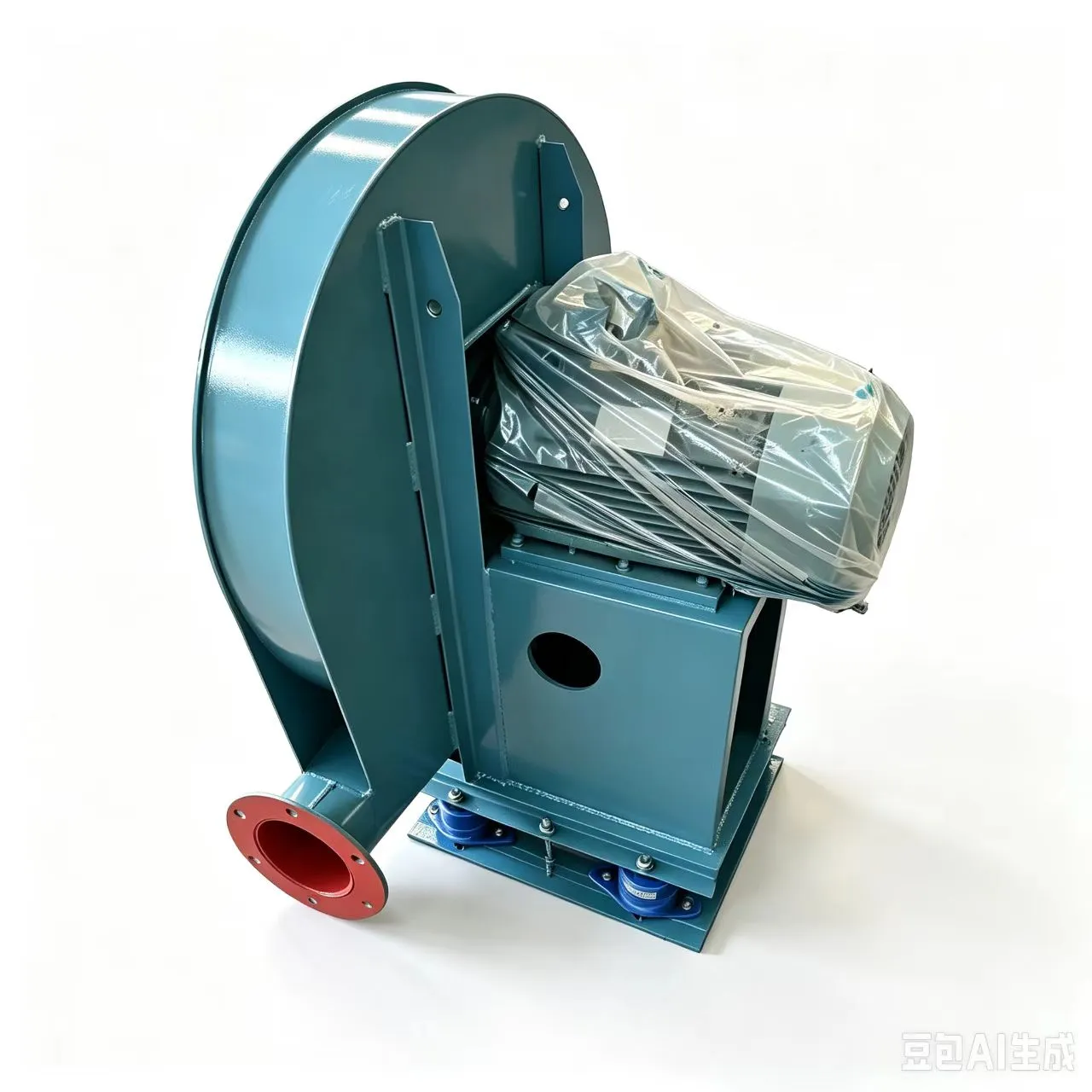
A mine ventilation fan rotor is the rotating assembly within an axial or centrifugal fan that converts mechanical energy into airflow, critical for maintaining safe underground air quality. As the core component determining pressure, volume, and efficiency, its design directly impacts mine safety and operational costs. High-quality rotors feature precision-balanced blades, corrosion-resistant materials, and robust hub construction to withstand harsh mining environments. Sourcing from specialized OEM manufacturers ensures compliance with international safety standards, optimal aerodynamic performance, and customized solutions for specific mine geometries.
What Is a Mine Ventilation Fan Rotor and Why Does It Matter?
The mine ventilation fan rotor is not merely a spinning part; it is the heart of the entire underground ventilation system. In deep mining operations, adequate airflow is non-negotiable for removing hazardous gases like methane and carbon monoxide, controlling dust levels, and regulating temperature. The rotor’s primary function is to generate the necessary static pressure and air volume to overcome the resistance of long ventilation shafts and tunnels.
Failure in rotor integrity can lead to catastrophic ventilation stoppages, posing immediate risks to worker safety and resulting in costly production downtime. Therefore, understanding the engineering behind these components is essential for procurement managers, mine engineers, and safety officers. A well-engineered rotor ensures consistent performance, reduced vibration, and extended service life, which are pivotal for continuous mining operations.
Core Functions of the Rotor Assembly
- Airflow Generation: The blade angle and shape determine the volume of air moved per minute (CFM or m³/s).
- Pressure Creation: The rotor design dictates the static pressure capability, crucial for pushing air through narrow or lengthy ducts.
- Energy Efficiency: Aerodynamically optimized rotors reduce power consumption, lowering the overall operational expenditure (OPEX) of the mine.
- Vibration Control: Precision balancing minimizes vibration, protecting bearings and the motor from premature wear.
Key Components and Engineering Design
A high-performance mine ventilation fan rotor consists of several integrated components, each engineered for durability and efficiency. The design process involves complex computational fluid dynamics (CFD) simulations to optimize blade geometry for specific airflow requirements.
1. Impeller Blades
The blades are the most critical element. In mining applications, they are typically made from high-strength steel, aluminum alloys, or composite materials depending on the corrosiveness of the environment. Blade profiles can be adjustable or fixed. Adjustable pitch blades allow operators to fine-tune airflow without changing the motor speed, offering flexibility as mine depths increase.
2. Hub Assembly
The hub connects the blades to the main shaft. It must withstand significant centrifugal forces. In heavy-duty mining fans, hubs are often cast from high-grade iron or steel to ensure structural integrity. The connection between the blade and hub is reinforced to prevent fatigue failure under continuous high-speed rotation.
3. Main Shaft
The shaft transmits torque from the motor to the rotor. For large mine fans, the shaft is manufactured from forged alloy steel, machined to precise tolerances. It is designed to resist bending moments and torsional stress, ensuring stable rotation even under uneven load conditions.
4. Balancing Weights and Dynamic Balance
Every rotor undergoes strict dynamic balancing. Imbalance causes vibration, which leads to bearing failure and structural damage. High-quality manufacturers perform multi-plane balancing to ISO 1940 standards, ensuring smooth operation at high RPMs.
Material Selection for Harsh Mining Environments
Mines present some of the harshest industrial environments, characterized by high humidity, corrosive gases, dust abrasion, and potential explosive atmospheres. Material selection for the rotor is therefore a critical decision factor.
| Material Type |
Characteristics |
Best Application |
| Carbon Steel |
High strength, cost-effective, requires coating |
General coal mines with low corrosion risk |
| Stainless Steel (304/316) |
Excellent corrosion resistance, higher cost |
Chemical mines, high-humidity environments |
| Aluminum Alloy |
Lightweight, good corrosion resistance, lower strength |
Smaller fans, where weight reduction is key |
| Composite Materials |
Non-corrosive, lightweight, spark-resistant |
Explosive gas environments, highly acidic conditions |
At Zibo Hongcheng Fans, material selection is tailored to the specific chemical composition of the mine atmosphere. For instance, in sulfur-rich environments, stainless steel or specialized epoxy-coated carbon steel rotors are recommended to prevent rapid degradation. This customization capability stems from the company’s founders’ 20 years of experience in the blower industry, ensuring that every rotor meets the distinct challenges of its operating environment.
Manufacturing Process and Quality Control
The manufacturing of a mine ventilation fan rotor requires precision engineering and rigorous quality control. Substandard manufacturing can lead to imbalance, noise, and eventual failure. The production process typically involves several key stages:
Precision Casting and Machining
The hub and blades are either cast or stamped depending on the design. CNC machining is used to ensure that mounting points and shaft interfaces meet tight tolerances. This precision is vital for maintaining the geometric accuracy of the blade angles, which directly influences aerodynamic efficiency.
Welding and Assembly
For steel rotors, automated welding processes are employed to ensure consistent weld quality. Welds are inspected using non-destructive testing (NDT) methods such as ultrasonic or X-ray inspection to detect any internal defects that could compromise structural integrity under stress.
Dynamic Balancing
After assembly, the rotor is mounted on a balancing machine. Mass is added or removed at specific points to eliminate imbalance. This step is crucial for minimizing vibration levels, which extends the life of the fan’s bearings and motor. Zibo Hongcheng Fans utilizes comprehensive supporting equipment to perform these tests, ensuring all technical indicators meet national and international standards.
Surface Treatment
To combat corrosion and abrasion, rotors undergo surface treatments such as galvanizing, powder coating, or specialized anti-corrosion painting. In highly aggressive environments, additional protective layers may be applied to shield the metal from chemical attack.
OEM Manufacturing vs. Off-the-Shelf Solutions
When procuring mine ventilation fan rotors, buyers often face the choice between standard off-the-shelf products and OEM (Original Equipment Manufacturer) customized solutions. While standard parts may offer quicker delivery, they rarely optimize performance for specific mine conditions.
Advantages of OEM Customization
- Tailored Aerodynamics: OEM manufacturers can adjust blade angles and profiles to match the specific resistance curve of your mine shaft, maximizing efficiency.
- Material Customization: Choose materials based on your mine’s specific corrosive elements, rather than settling for generic options.
- Exact Fit: Custom rotors are engineered to fit existing housings and shafts perfectly, reducing installation time and modification costs.
- Compliance Assurance: Reputable OEMs like Zibo Hongcheng Fans ensure that custom designs still adhere to strict safety regulations and quality management systems.
Zibo Hongcheng Fans, located in the Zibo Blower Industrial Park, specializes in this customized approach. With over 50 series and 600 specifications, the company leverages its 9,000-square-meter facility and experienced team to produce rotors that meet personalized demands. This flexibility is particularly valuable for older mines undergoing retrofitting or new projects with unique geological constraints.
Common Issues and Maintenance Strategies
Even the highest quality rotors require regular maintenance to ensure longevity and safety. Understanding common failure modes helps in implementing effective preventive maintenance programs.
1. Corrosion and Erosion
Exposure to moist, chemically active air can cause pitting and thinning of blade material. Regular inspections should check for surface degradation. If detected, cleaning and recoating or blade replacement may be necessary.
2. Imbalance Due to Dust Buildup
Dust accumulation on blades can cause significant imbalance, leading to increased vibration. Scheduled cleaning of the rotor blades is essential, especially in coal mines where dust levels are high.
3. Fatigue Cracks
Continuous cyclic loading can lead to fatigue cracks, particularly at the blade-hub junction. Non-destructive testing should be performed periodically to detect early signs of cracking before catastrophic failure occurs.
4. Bearing Wear
While not part of the rotor itself, bearing wear affects rotor stability. Vibrations from worn bearings can damage the rotor shaft. Monitoring vibration levels provides early warning of bearing issues.
How to Choose the Right Mine Ventilation Fan Rotor
Selecting the appropriate rotor involves analyzing several technical parameters. Procurement decisions should be data-driven, considering both immediate needs and long-term operational goals.
Step-by-Step Selection Guide
- Determine Airflow Requirements: Calculate the required air volume (m³/s) based on mine depth, workforce size, and equipment heat generation.
- Assess Pressure Needs: Evaluate the total static pressure required to overcome duct resistance and shaft friction.
- Analyze Environmental Conditions: Identify corrosive gases, humidity levels, and temperature ranges to select suitable materials.
- Check Compatibility: Ensure the rotor dimensions and shaft interface match the existing fan housing and motor.
- Verify Certifications: Confirm that the manufacturer adheres to relevant safety and quality standards, such as ISO certifications and national mining safety regulations.
For complex projects, consulting with an experienced manufacturer is advisable. Zibo Hongcheng Fans offers technical support to help clients analyze their ventilation needs and recommend the optimal rotor configuration. This expertise, backed by two decades of industry knowledge, ensures that clients receive solutions that are not only compliant but also cost-effective.
Why Partner with Zibo Hongcheng Fans?
In the competitive landscape of industrial ventilation, choosing the right manufacturing partner is as important as selecting the right product. Zibo Hongcheng Fans stands out due to its combination of technical expertise, manufacturing capability, and customer-centric approach.
Established in 2020 by founders with 20 years of experience, the company has rapidly grown to employ over 30 skilled staff members. Its location in the Zibo Blower Industrial Park provides access to a robust supply chain and specialized infrastructure. The facility covers 9,000 square meters and is equipped with comprehensive supporting equipment for complete production processes.
The company’s focus on quality is evident in its sound quality management system. Every product, from mining axial flow fans to corrosion-resistant centrifugal ventilators, undergoes strict quality control. All technical indicators meet national standards, ensuring reliability and safety. Furthermore, the ability to offer customized production allows Zibo Hongcheng Fans to serve a diverse range of industries, including coal mines, oil fields, chemical plants, and metallurgy.
With over 50 series and 600 models, the company provides versatile solutions for various ventilation challenges. Whether you need a standard replacement rotor or a fully customized assembly for a unique application, Zibo Hongcheng Fans delivers factory-direct value without compromising on quality.
Frequently Asked Questions (FAQ)
What is the typical lifespan of a mine ventilation fan rotor?
The lifespan varies based on material, operating conditions, and maintenance. Generally, well-maintained steel rotors can last 10-15 years, while those in highly corrosive environments may require replacement or refurbishment sooner. Regular inspection and cleaning significantly extend service life.
Can I upgrade my existing fan with a more efficient rotor?
Yes, retrofitting with a modern, aerodynamically optimized rotor can improve efficiency and airflow. However, it requires careful engineering to ensure compatibility with the existing motor and housing. Consulting with an OEM manufacturer is recommended for such upgrades.
How often should the rotor be balanced?
Dynamic balancing should be checked annually or whenever significant vibration is detected. After any major repair or blade replacement, re-balancing is mandatory to ensure safe operation.
What certifications should I look for in a mine fan rotor manufacturer?
Look for ISO 9001 quality management certification and compliance with local mining safety regulations. In China, manufacturers should meet national standards for mining equipment. Zibo Hongcheng Fans adheres to these strict quality and safety protocols.
Does Zibo Hongcheng Fans provide after-sales support?
Yes, the company offers comprehensive after-sales support, including technical consultation, spare parts supply, and maintenance guidance. Their experienced team is available to assist with installation and troubleshooting issues.
Conclusion: Ensuring Safety and Efficiency Through Quality Rotors
The mine ventilation fan rotor is a critical component that directly influences underground safety and operational efficiency. Choosing a high-quality, appropriately specified rotor is not just a procurement decision but a safety imperative. By prioritizing materials, precision engineering, and regular maintenance, mining operations can ensure reliable ventilation and reduced downtime.
For businesses seeking reliable, customized, and cost-effective solutions, partnering with an experienced OEM manufacturer is the best strategy. Zibo Hongcheng Fans combines decades of industry expertise with modern manufacturing capabilities to deliver superior ventilation products. Whether you are upgrading an existing system or equipping a new mine, their tailored approach ensures that your ventilation needs are met with precision and reliability.
To explore our range of mining axial flow fans, centrifugal ventilators, and custom rotor solutions, or to request a technical consultation, please contact our team today. Let us help you optimize your ventilation system for safety and efficiency.
View Our Full Product Range and Technical Specifications