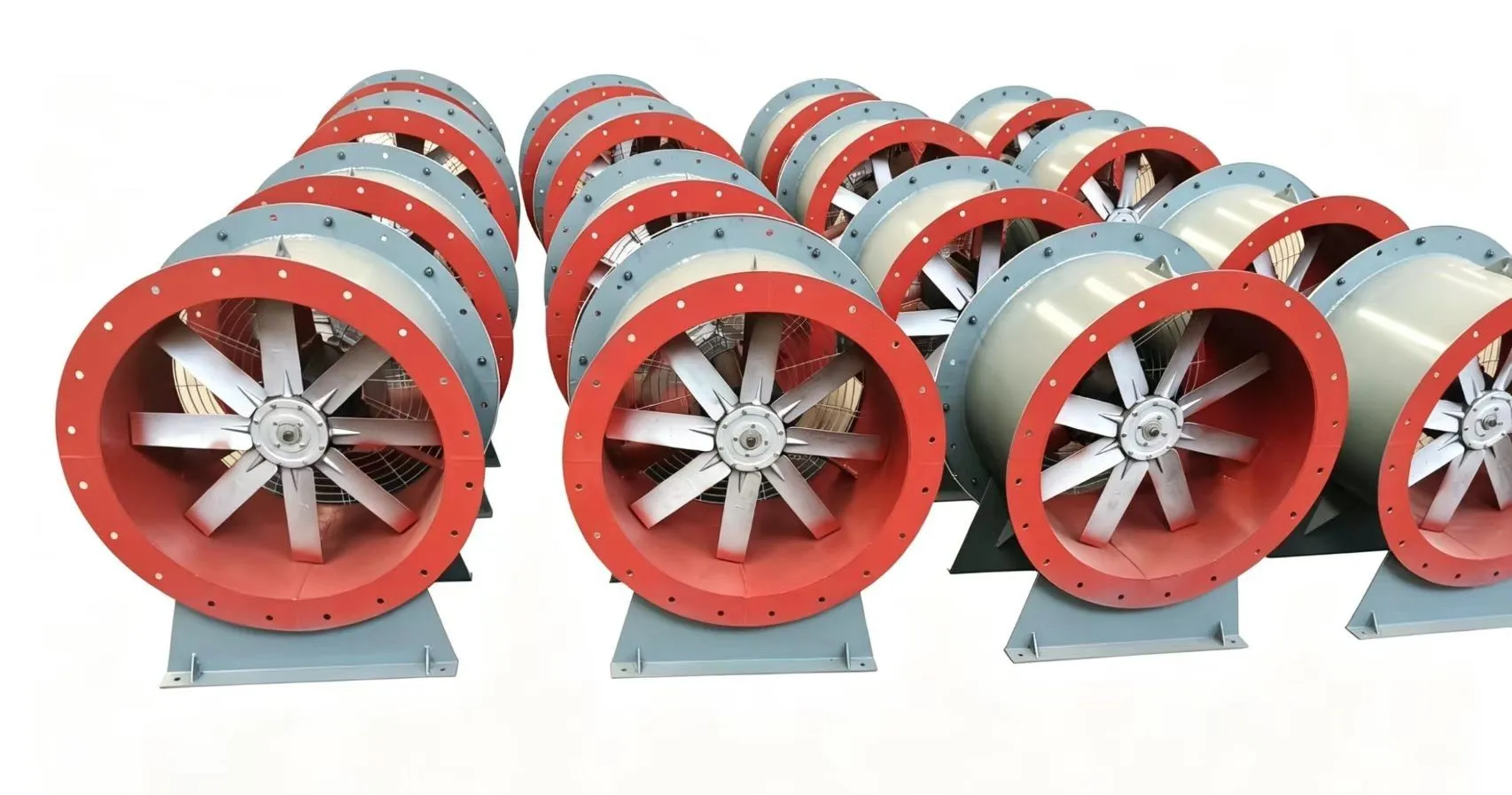
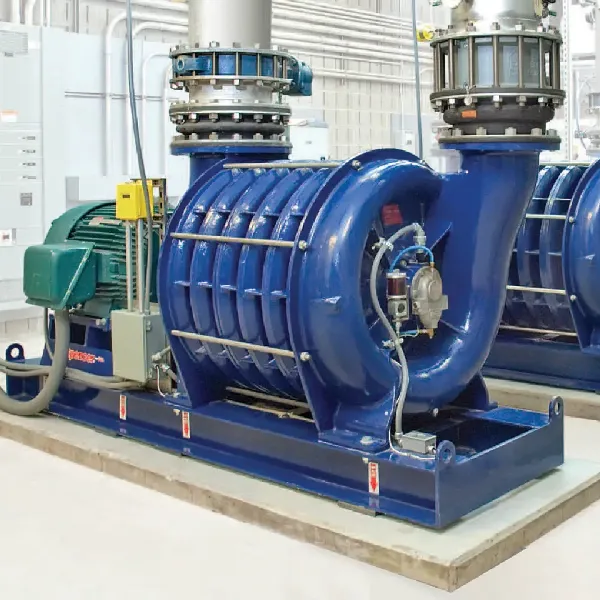
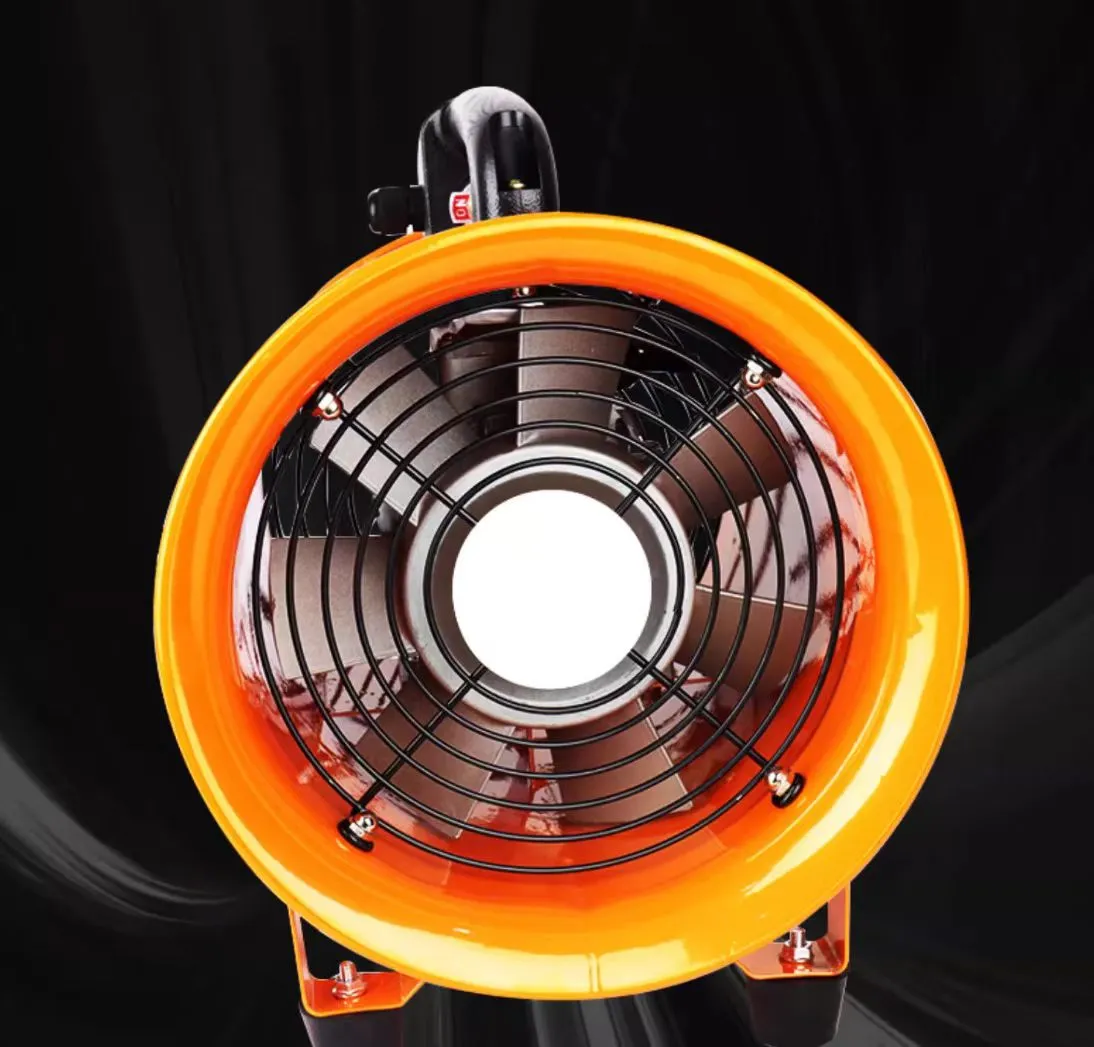
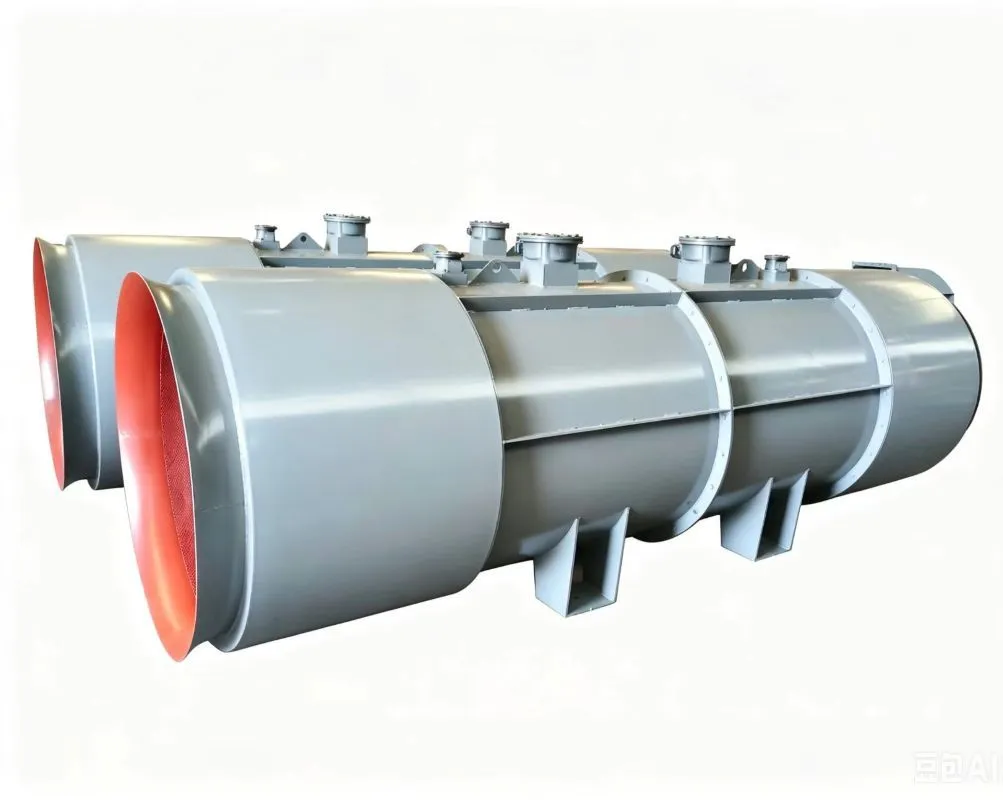
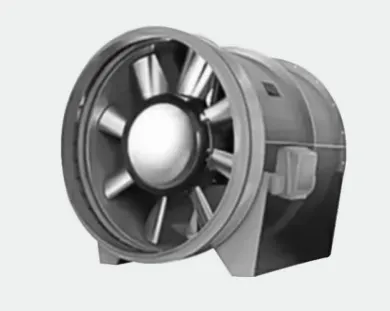
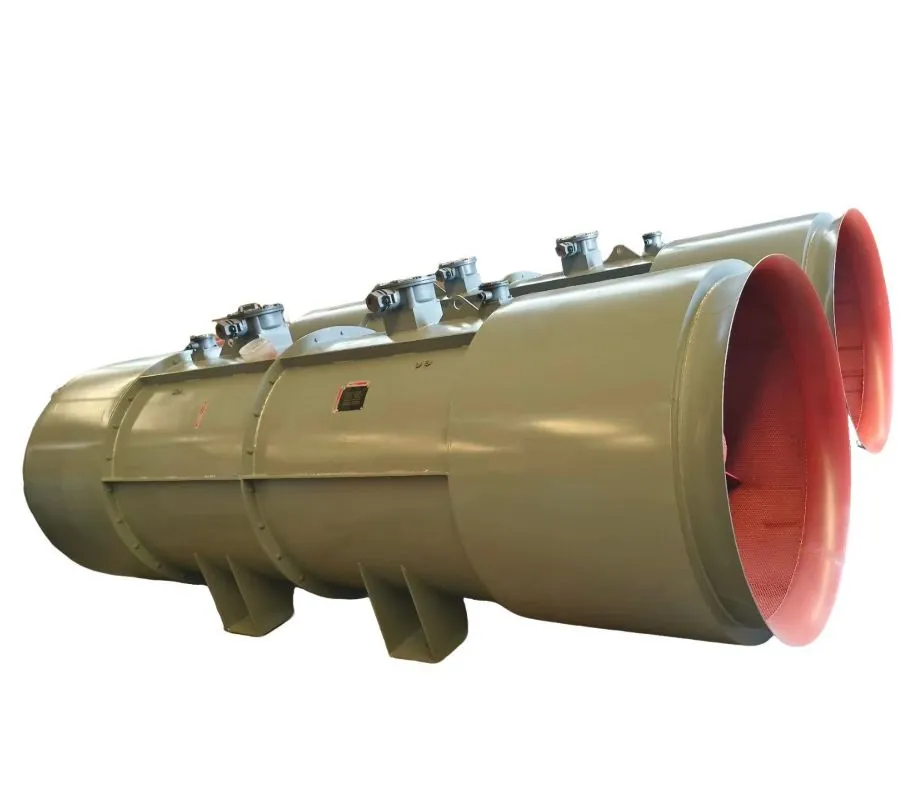
Looking for a reliable mine tunnel fan manufacturer offering factory direct prices in 2026? Our facility specializes in high-performance ventilation solutions designed specifically for underground mining environments. We deliver robust axial and centrifugal fans that ensure optimal airflow, gas dilution, and temperature control while adhering to strict safety standards. By sourcing directly from our production line, mining operators eliminate intermediary markups and secure customized engineering support tailored to their specific tunnel geometries and operational depths.
What Defines a High-Performance Mine Tunnel Fan?
A mine tunnel fan is not merely an industrial blower; it is a critical life-support system engineered to operate in hazardous, confined, and often explosive atmospheres. These units are responsible for maintaining breathable air quality by diluting harmful gases such as methane and carbon monoxide while removing dust and regulating ambient temperatures deep underground.
The defining characteristic of a premium unit lies in its ability to sustain continuous operation under extreme static pressure conditions. Unlike standard commercial fans, these systems feature reinforced casings, spark-resistant impellers, and motors certified for hazardous locations. The aerodynamic design ensures maximum efficiency even when air density fluctuates due to depth or temperature changes.
In the current mining landscape, the demand for energy-efficient ventilation has surged. Modern designs prioritize reducing power consumption without compromising airflow volume. This balance is achieved through advanced computational fluid dynamics (CFD) during the prototyping phase, ensuring that every blade angle contributes to optimal performance.
Core Technical Requirements for Underground Ventilation
To qualify as a viable solution for deep-level mining, a fan must meet rigorous technical criteria. These requirements are dictated by international safety regulations and the physical realities of subterranean environments.
- Explosion Proof Certification: Motors and electrical components must carry certifications like ATEX or IECEx to prevent ignition of flammable gases.
- High Static Pressure Capability: The system must overcome significant resistance caused by long duct runs, bends, and obstructions within the tunnel network.
- Corrosion Resistance: Materials must withstand humid, acidic, or saline conditions often found in older or deep mines.
- Redundancy Features: Critical installations often require dual-drive systems or backup power integration to ensure uninterrupted airflow during emergencies.
- Noise Control: Acoustic dampening is essential to protect worker hearing and facilitate clear communication in narrow passages.
Failure to meet any of these core requirements can lead to catastrophic safety failures or excessive operational costs. Therefore, selecting a manufacturer with a proven track record in engineering these specific features is paramount for project success.
Factory Direct Pricing Advantages in 2026
Sourcing a mine tunnel fan directly from the manufacturer offers substantial financial and operational benefits compared to purchasing through distributors or third-party agents. In 2026, supply chain transparency has become a key differentiator for mining companies aiming to optimize capital expenditure.
When you engage directly with the factory, you eliminate the layered markups typically added by intermediaries. This direct relationship allows for more competitive pricing on both the initial equipment purchase and long-term spare parts procurement. Furthermore, direct communication channels accelerate the customization process.
Customization is rarely optional in mining ventilation. Every tunnel has unique dimensions, geological constraints, and airflow requirements. Factory-direct engagement enables engineers to modify impeller diameters, motor ratings, and housing configurations without the delays inherent in relayed communication chains.
Cost Efficiency and Lead Time Reduction
Beyond the sticker price, the total cost of ownership is significantly reduced through direct manufacturing partnerships. Faster lead times mean projects can commence ventilation operations sooner, reducing idle time for heavy machinery and personnel.
- Elimination of Middleman Margins: Direct pricing removes the 15-30% markup often associated with regional distributors.
- Bespoke Engineering: Modifications are handled internally, reducing design iteration time and associated costs.
- Priority Production Scheduling: Direct clients often receive priority status during peak manufacturing seasons.
- Transparent Spare Parts Supply: Long-term access to original components ensures consistent performance and avoids compatibility issues.
- Direct Technical Support: Issues are resolved by the engineers who built the unit, leading to faster troubleshooting and resolution.
This model fosters a partnership rather than a transactional relationship. As mining operations evolve and expand, the manufacturer can scale production and provide upgrades seamlessly, ensuring the ventilation infrastructure grows alongside the mine itself.
About Zibo Hongcheng Fans: Your Specialized Manufacturing Partner
At the heart of this factory-direct advantage is Zibo Hongcheng Fans, a premier manufacturer located within the Zibo Blower Industrial Park in Shandong Province, China. Established in 2020 by founders boasting over two decades of industry expertise, our 9,000-square-meter facility combines deep technical heritage with modern production capabilities. With a dedicated team of over 30 specialists, we have developed more than 50 series and 600 specifications of blowers, specifically targeting the rigorous demands of the mining sector.
Our product portfolio is extensive, featuring specialized mining axial flow fans, high-pressure centrifugal ventilators, and durable stainless steel and corrosion-resistant fans. While our solutions serve diverse industries ranging from oil fields and chemical plants to metallurgy and textiles, our primary focus remains on delivering life-critical ventilation for coal mines and hard rock operations. Equipped with comprehensive supporting equipment and a complete production process, we adhere to a sound quality management system where every technical indicator strictly meets national standards. Whether you require a standard model or a fully customized solution to meet personalized site demands, our engineering team is ready to deliver precision-manufactured products directly from our production line to your mine site.
Axial vs. Centrifugal: Selecting the Right Technology
Choosing between axial and centrifugal technologies is one of the most critical decisions in mine ventilation planning. Each type offers distinct advantages depending on the specific resistance characteristics and airflow volume requirements of the tunnel network.
Axial fans are generally preferred for applications requiring high volumes of air at relatively low to medium pressures. They are compact, making them ideal for installation in restricted spaces typical of modern narrow-vein mining operations. Their straight-through airflow design minimizes turbulence and energy loss in simple duct layouts.
Conversely, centrifugal fans excel in scenarios demanding high static pressure. If a tunnel network involves long distances, multiple bends, or heavy filtration systems, centrifugal models provide the necessary force to push air effectively. They are inherently more stable against system surges and offer broader operating ranges.
Comparative Analysis of Fan Technologies
The following table outlines the key differences to assist in selecting the appropriate technology for your specific mining environment.
| Feature |
Axial Flow Fans |
Centrifugal Fans |
| Primary Application |
High volume, low-to-medium pressure |
Medium volume, high pressure |
| Space Requirement |
Compact, inline installation |
Larger footprint, requires curved ducting |
| Efficiency Curve |
Steep; sensitive to system changes |
Flat; stable across varying resistances |
| Noise Levels |
Generally higher frequency noise |
Lower frequency, often easier to dampen |
| Maintenance Access |
Motor and impeller often integrated |
Easy access to bearings and drive components |
| Ideal Scenario |
Main shafts, short booster stations |
Long-distance tunnels, complex networks |
Understanding these distinctions ensures that the selected mine tunnel fan operates within its peak efficiency range. Misapplication can lead to premature wear, excessive energy consumption, or insufficient airflow, jeopardizing both safety and productivity.
Key Features of Our 2026 Mining Ventilation Series
Our latest product series, launched for the 2026 market, incorporates years of field data and engineering advancements. These units are designed to address the increasing depth and complexity of modern mining operations while meeting stringent global safety protocols.
The hallmark of this series is its modular design philosophy. Components are engineered for rapid replacement and upgrade, minimizing downtime during maintenance windows. Advanced materials science has been applied to impeller construction, resulting in blades that resist erosion from abrasive dust particles common in coal and hard rock mining.
Integration with smart monitoring systems is now standard. Built-in sensors track vibration, temperature, and airflow in real-time, transmitting data to surface control rooms. This predictive maintenance capability allows operators to address potential issues before they result in unplanned stoppages.
Advanced Safety and Durability Enhancements
Safety remains the non-negotiable priority in underground ventilation. Our 2026 lineup includes several proprietary enhancements designed to mitigate risk in the most challenging environments.
- Spark-Resistant Construction: Impellers and housings utilize non-ferrous alloys or specialized coatings to prevent spark generation upon impact.
- Thermal Overload Protection: Intelligent motor controllers automatically shut down the unit if temperature thresholds are exceeded, preventing fire hazards.
- Sealed Bearing Assemblies: Double-lip seals and grease purging systems keep contaminants out, extending bearing life in dusty conditions.
- Vibration Damping Mounts: Integrated isolation mounts reduce structural transmission of vibration, protecting tunnel integrity and reducing noise.
- Emergency Brake Systems: Optional mechanical braking prevents reverse rotation in case of power failure, crucial for maintaining airflow directionality.
These features collectively ensure that the ventilation system remains a reliable asset throughout the lifecycle of the mine. The focus on durability reduces the frequency of replacements, offering a better return on investment over time.
Installation and Optimization Guidelines
Proper installation is just as critical as the quality of the fan itself. Even the most advanced mine tunnel fan will underperform if installed incorrectly or operated outside its design parameters. Following a structured approach ensures optimal airflow delivery and system longevity.
The first step involves a comprehensive site survey. Engineers must measure tunnel dimensions, identify potential obstructions, and calculate the expected resistance curve. This data informs the final selection of the fan model and the configuration of the ductwork.
During installation, alignment is paramount. Misalignment between the motor and the impeller shaft can cause excessive vibration, leading to premature bearing failure. Laser alignment tools should be used to ensure precision within tolerance limits specified by the manufacturer.
Step-by-Step Commissioning Process
To guarantee safe and efficient operation, adhere to the following commissioning protocol before placing the unit into full service.
- Step 1: Pre-Installation Inspection: Verify that all components arrived undamaged and match the shipping manifest. Check for loose bolts or debris inside the casing.
- Step 2: Foundation Preparation: Ensure the mounting base is level, rigid, and capable of supporting the unit’s weight plus dynamic loads during operation.
- Step 3: Mechanical Assembly: Install the fan section, motor, and coupling. Perform precise shaft alignment and secure all fasteners to the recommended torque settings.
- Step 4: Electrical Connection: Connect power supplies according to the wiring diagram, ensuring proper grounding and installation of overload protection devices.
- Step 5: Rotation Check: Perform a brief “bump” test to confirm the motor rotates in the correct direction. Reverse rotation can damage the impeller and reduce airflow drastically.
- Step 6: Gradual Ramp-Up: Start the fan at low speed (if VFD equipped) or use a damper to restrict initial airflow. Gradually open dampers while monitoring amperage and vibration levels.
- Step 7: Performance Verification: Measure actual airflow and pressure against design specifications. Adjust blade angles or damper positions if necessary to achieve the target operating point.
Documenting each step creates a valuable baseline for future maintenance activities. Regular comparison of current performance data against these initial commissioning records can reveal gradual degradation trends early.
Maintenance Strategies for Long-Term Reliability
In the harsh environment of an underground mine, proactive maintenance is the key to avoiding costly disruptions. A well-maintained mine tunnel fan can operate efficiently for decades, whereas neglect can lead to catastrophic failure within months.
Maintenance schedules should be dictated by operating hours and environmental severity rather than a fixed calendar date. Mines with high dust loads or corrosive gases may require more frequent inspections than cleaner operations. The goal is to detect wear before it impacts performance or safety.
Lubrication is a critical aspect of care. Using the wrong grade of grease or over-lubricating bearings can be as damaging as under-lubrication. Always refer to the manufacturer’s specifications for lubricant types and intervals, adjusting for ambient temperature variations.
Routine Inspection Checklist
Implementing a standardized inspection routine helps maintenance teams identify issues systematically. The following checklist covers the essential components that require regular attention.
- Impeller Condition: Inspect for buildup of dust, corrosion, or erosion. Imbalance caused by uneven buildup can lead to severe vibration.
- Bearing Temperature: Use infrared thermometers to check bearing housing temperatures. Elevated readings often indicate lubrication failure or misalignment.
- Vibration Analysis: Conduct periodic vibration measurements to detect early signs of bearing wear, looseness, or resonance issues.
- Belt Tension (if applicable): Check belt tension and condition. Worn or loose belts slip, reducing efficiency and generating heat.
- Electrical Connections: Tighten terminal connections and inspect for signs of arcing or overheating, especially in high-humidity environments.
- Structural Integrity: Examine the fan casing and supports for cracks or corrosion that could compromise structural stability.
Adopting a predictive maintenance approach, utilizing the data from onboard sensors, allows teams to schedule repairs during planned shutdowns. This strategy minimizes unexpected downtime and extends the overall service life of the equipment.
Applications Across Different Mining Sectors
The versatility of modern ventilation fans allows them to serve diverse sectors within the mining industry. From deep gold mines to expansive coal seams, the fundamental need for clean, cool air remains constant, though the specific challenges vary.
In coal mining, the primary concern is methane dilution. Fans must provide sufficient airflow to keep gas concentrations below explosive limits. The equipment often requires stringent explosion-proof ratings and anti-static properties to mitigate ignition risks.
Hard rock mining, such as copper or gold extraction, often deals with extreme heat at depth. Here, the focus shifts to cooling capacity and moving large volumes of air to dissipate geothermal heat. High-pressure fans are frequently used to push air through extensive decline ramps.
Tailored Solutions for Specific Environments
Different mining methods dictate unique ventilation architectures. Understanding these nuances ensures the selected fan integrates seamlessly into the broader mine plan.
- Shaft Sinking Operations: Temporary but critical ventilation is required during shaft construction. Portable, high-headroom axial fans are often deployed here for their mobility and ease of setup.
- Longwall Mining: As the face advances, ventilation circuits change dynamically. Booster fans with variable frequency drives (VFD) allow operators to adjust airflow instantly to match the changing layout.
- Block Caving: These massive underground operations require complex multi-level ventilation networks. Large centrifugal fans stationed on the surface or in dedicated chambers provide the main airflow backbone.
- Tunnel Boring Machines (TBM): Mechanized tunneling generates significant heat and dust. Forced ventilation systems using rigid ducting and high-velocity axial fans are essential to maintain visibility and operator comfort.
By matching the fan technology to the specific mining method, operators can achieve optimal energy efficiency and safety compliance. Our engineering team works closely with clients to analyze these specific scenarios and recommend the most effective configuration.
Frequently Asked Questions (FAQ)
Addressing common queries helps clarify the capabilities and limitations of our ventilation solutions. Below are answers to frequent questions regarding our mine tunnel fan products and services.
What certifications do your fans hold for hazardous areas?
Our standard production lines are designed to meet ATEX (Europe) and IECEx (International) certification requirements for Zone 1 and Zone 2 hazardous areas. Custom certifications for specific regional standards, such as MSHA in the United States, can be arranged upon request during the ordering phase.
Can the fans operate in reversible airflow modes?
Yes, many of our axial flow models are designed with reversible pitch blades or reversible motor drives. This feature is crucial for emergency scenarios where smoke evacuation requires reversing the airflow direction without physically turning the fan around.
What is the typical lead time for a custom-order fan?
Standard models are often available for immediate shipment from stock. Custom-engineered units, which involve specific modifications to size, material, or motor rating, typically require a lead time of 8 to 12 weeks. This timeline includes design validation, manufacturing, and rigorous testing.
Do you provide remote monitoring integration?
Absolutely. Our 2026 series comes equipped with IoT-ready sensors that can integrate with most major mine SCADA systems. This allows for real-time monitoring of performance metrics and remote diagnostics from your surface control center.
How do you handle after-sales support in remote locations?
We maintain a global network of service partners and can deploy field engineers to remote sites when necessary. Additionally, we offer comprehensive training programs for local maintenance teams to ensure they can handle routine inspections and minor repairs independently.
Conclusion and Next Steps
Selecting the right mine tunnel fan is a strategic decision that impacts safety, operational efficiency, and profitability. By partnering directly with a specialized manufacturer like Zibo Hongcheng Fans, mining companies gain access to cutting-edge technology, customized engineering, and competitive factory-direct pricing. The 2026 market demands solutions that are not only powerful but also intelligent, efficient, and adaptable to the evolving challenges of deep-earth extraction.
This guide has outlined the critical factors influencing fan selection, from technical specifications and safety certifications to installation best practices and maintenance strategies. Whether you are outfitting a new shaft or upgrading an existing ventilation network, understanding these elements ensures a robust and reliable airflow system.
Who is this solution for? These high-performance fans are ideal for mining engineers, project managers, and procurement officers responsible for underground ventilation infrastructure in coal, metal, and hard rock mining operations.
To proceed, evaluate your specific tunnel geometry and airflow requirements. Contact our engineering team to discuss your project details. We provide free preliminary consultations to help you determine the optimal configuration, ensuring you receive a tailored solution that delivers maximum value and safety for your operation.