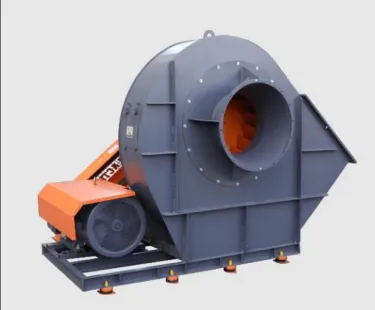
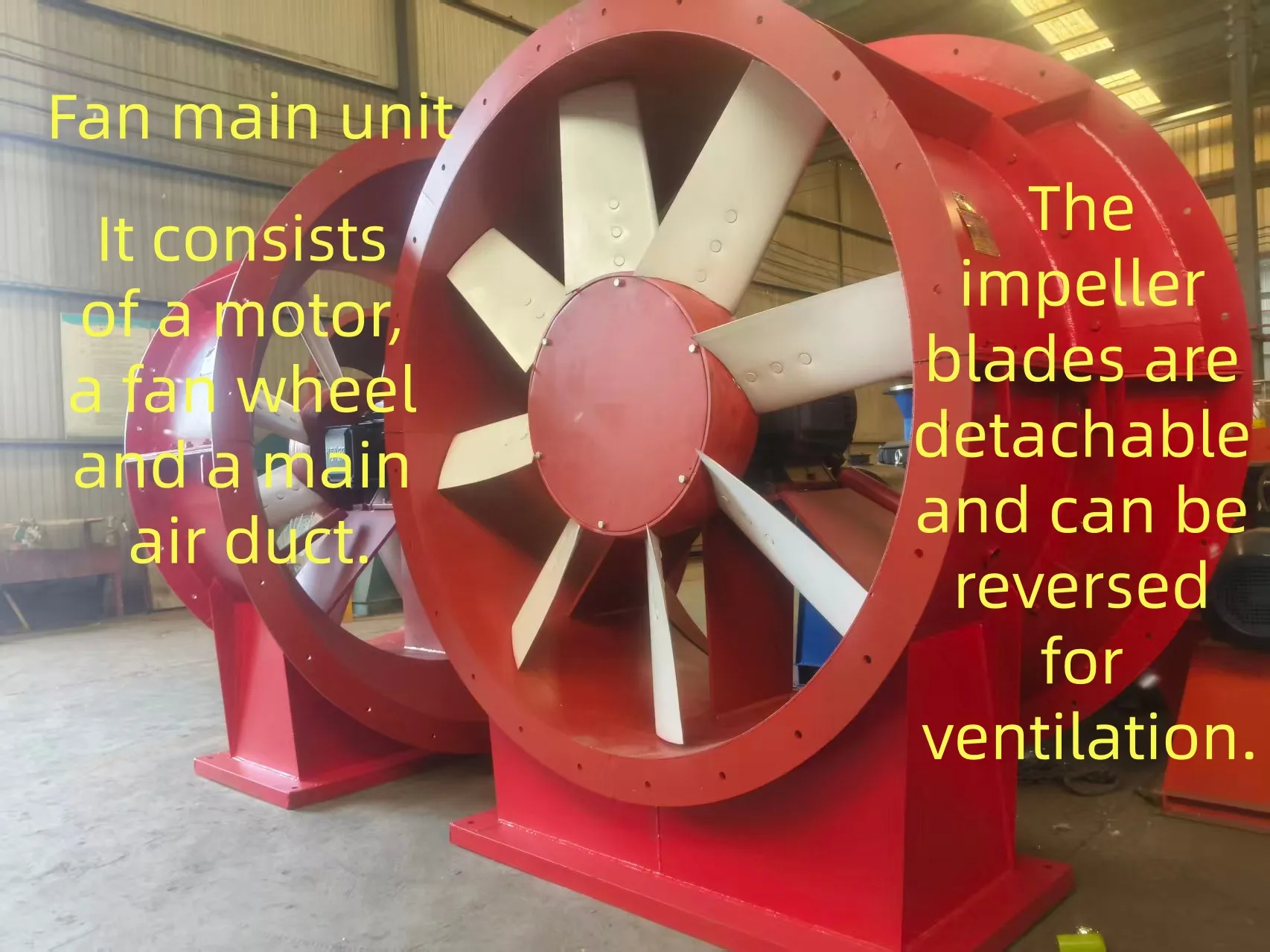
As a leading steel mill fan manufacturer, we deliver factory-direct pricing for 2026, providing high-performance industrial ventilation solutions designed specifically for extreme metallurgical environments. Our fans ensure optimal airflow, temperature control, and pollutant extraction in steel production facilities. By eliminating intermediaries, we offer cost-effective, durable, and customized systems that meet rigorous industry standards for safety and efficiency.
What Defines a High-Performance Steel Mill Fan?
A steel mill fan is not merely an air mover; it is a critical component engineered to withstand the harshest conditions found in metallurgical plants. These environments involve extreme temperatures, abrasive particulates, corrosive gases, and continuous heavy-duty operation. The defining characteristic of a superior unit lies in its ability to maintain consistent performance despite these stressors.
Industry experts recognize that standard commercial fans fail rapidly in steel mills due to material fatigue and thermal deformation. Therefore, a true industrial-grade solution utilizes specialized alloys and advanced aerodynamic designs. The core function extends beyond simple ventilation to include process cooling, fume extraction, and combustion air supply.
Reliability is paramount. In a steel mill, unexpected fan failure can halt production lines, leading to significant financial losses and safety hazards. Consequently, the design philosophy prioritizes robustness, ease of maintenance, and long-term operational stability over initial low-cost compromises.
Core Engineering Principles
The engineering behind these fans focuses on three pillars: structural integrity, thermal resistance, and aerodynamic efficiency. Manufacturers employ finite element analysis (FEA) to predict stress points and optimize blade geometry. This ensures that the fan operates smoothly even when handling dense, hot gases laden with dust.
- Material Selection: Use of heat-resistant steels and wear-resistant coatings to combat erosion and corrosion.
- Thermal Management: Integration of cooling systems for bearings and shafts to prevent overheating during continuous high-temperature exposure.
- Dynamic Balancing: Precision balancing to minimize vibration, which is crucial for extending the lifespan of motor and bearing assemblies.
Why Choose Factory-Direct Pricing in 2026?
The landscape of industrial procurement is shifting towards direct manufacturer engagement. For 2026, securing a steel mill fan directly from the factory offers distinct advantages regarding cost, customization, and after-sales support. This model removes the markup layers typically added by distributors and agents.
Direct engagement allows for transparent communication between the engineering team and the client. This is vital for complex projects where specific site conditions dictate unique design requirements. Clients can discuss technical specifications openly without the filter of a third-party sales representative.
Furthermore, factory-direct relationships often result in faster lead times. Without the logistical delays of moving stock through multiple warehouses, manufacturers can prioritize production schedules based on actual project timelines. This agility is essential for maintaining construction or retrofit schedules in large-scale steel plants.
Cost Efficiency and Value Retention
While the initial purchase price is lower due to the absence of middleman margins, the long-term value is even more significant. Direct manufacturers typically provide better warranty terms and more responsive technical support. This reduces the total cost of ownership over the equipment’s lifecycle.
Investing in direct sourcing also ensures access to genuine spare parts. Counterfeit or incompatible parts from unauthorized dealers can compromise system integrity. A direct line to the factory guarantees that all components meet the original design specifications.
- Transparent Pricing: Clear breakdowns of material, labor, and technology costs without hidden fees.
- Customization Flexibility: Ability to modify dimensions, materials, and drive configurations to fit existing infrastructure perfectly.
- Lifecycle Support: Direct access to engineering consultants for troubleshooting and optimization throughout the fan’s operational life.
About Zibo Hongcheng Fans: Decades of Expertise in Extreme Environments
Exemplifying this factory-direct advantage is Zibo Hongcheng Fans, a premier manufacturer located in the heart of China’s Zibo Blower Industrial Park in Shandong Province. Established in 2020 by founders boasting over two decades of specialized experience in the blower industry, the company has rapidly grown into a trusted partner for heavy industries. Spanning a 9,000-square-meter facility with a dedicated team of more than 30 professionals, Zibo Hongcheng combines deep historical expertise with modern manufacturing agility.
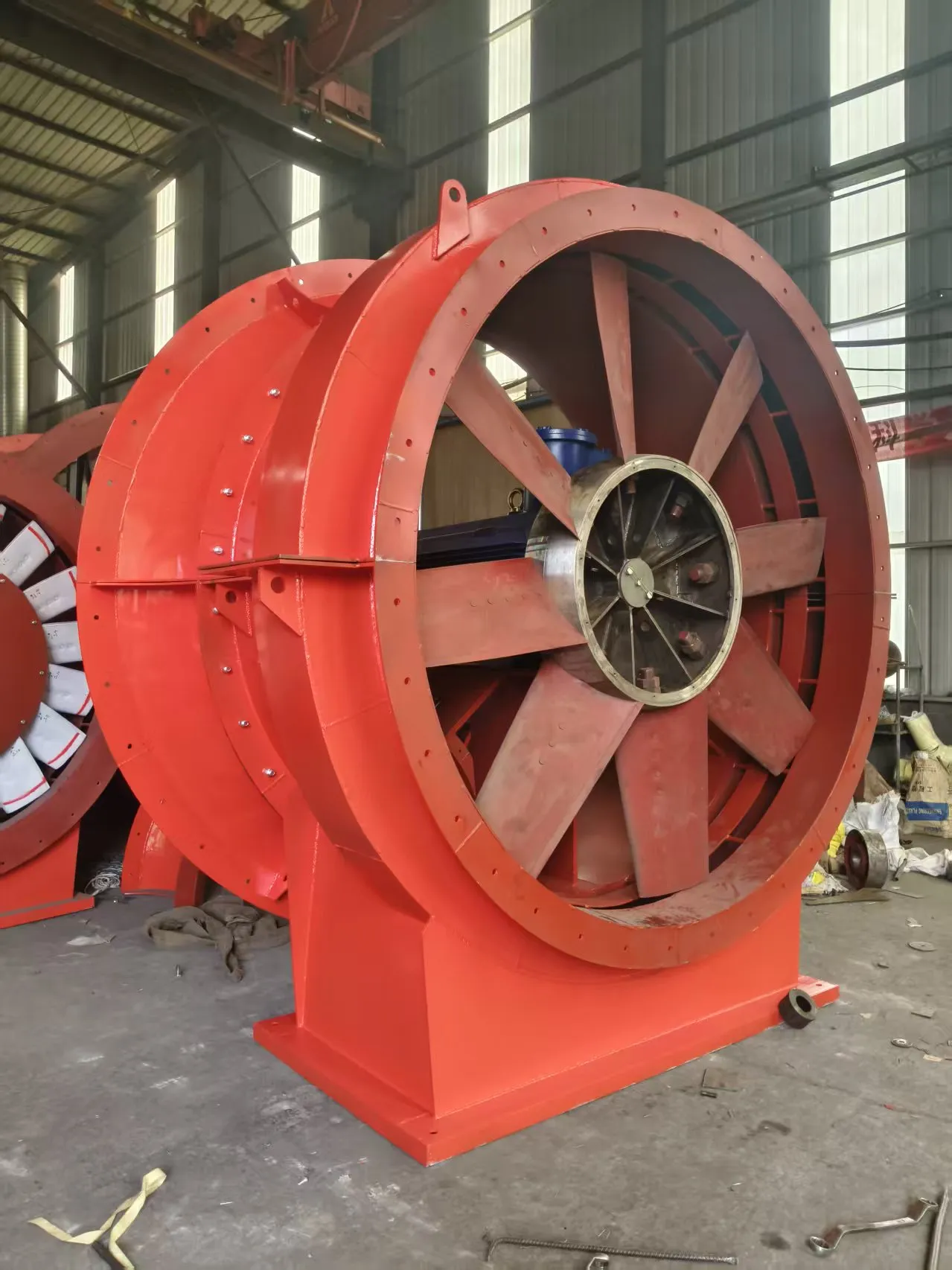
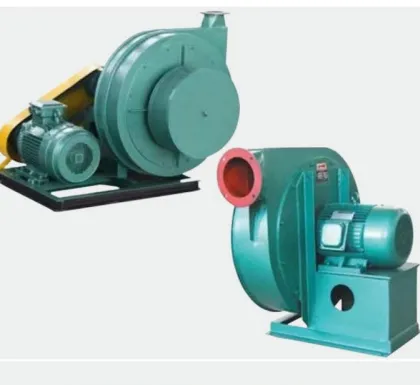
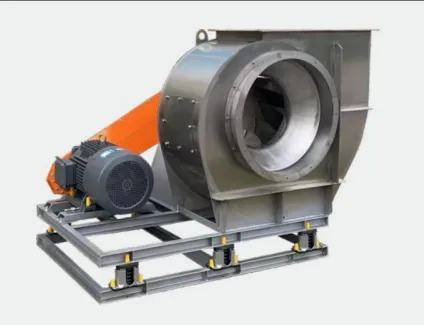
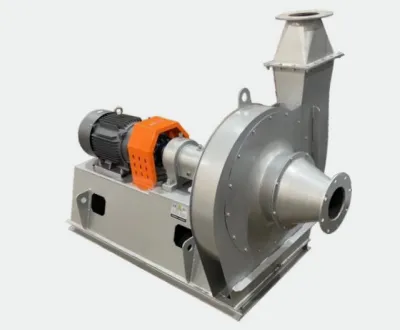
The company’s portfolio is extensive, offering more than 50 series and over 600 specifications tailored to diverse industrial needs. While their product range includes mining axial flow fans, centrifugal ventilators, and textile applications, their core competency lies in producing stainless steel and corrosion-resistant fans specifically engineered for the harsh demands of metallurgy, chemical plants, kilns, and boilers. This focused expertise ensures that every unit delivered is capable of withstanding the corrosive gases and abrasive particulates typical of steel mill operations.
At Zibo Hongcheng Fans, quality is not an afterthought but a foundational principle. The facility is equipped with comprehensive supporting equipment and complete production processes, underpinned by a sound quality management system. Every product undergoes strict quality control to ensure all technical indicators meet or exceed national standards. Moreover, recognizing that no two steel mills are identical, the company specializes in customized production, working closely with clients to engineer personalized solutions that fit unique spatial constraints and process requirements.
Critical Applications in Steel Production
The versatility of a modern steel mill fan allows it to serve multiple critical functions across the steelmaking process. From raw material handling to final finishing, proper airflow management is indispensable for both product quality and worker safety.
In the sintering process, fans must handle extremely hot and dusty gases. Failure here can disrupt the entire feed chain for blast furnaces. Similarly, in basic oxygen furnace (BOF) operations, extraction fans are responsible for removing toxic fumes generated during the refining stage.
Electric arc furnaces (EAF) present another challenging environment characterized by rapid temperature fluctuations and high noise levels. Specialized fans are required to manage the off-gas systems effectively, ensuring compliance with environmental regulations while maintaining furnace efficiency.
Sintering Plant Ventilation
Sintering plants require massive volumes of air to facilitate the agglomeration of iron ore fines. The main exhaust fans in these facilities operate under severe thermal loads and handle abrasive dust particles. Durability and erosion resistance are the primary selection criteria for these applications.
Modern designs incorporate wear-resistant linings and optimized inlet boxes to reduce turbulence and particle impact on the impeller. This approach significantly extends the service interval and maintains high efficiency over time.
Blast Furnace Gas Circulation
Blast furnaces rely on precise air delivery for combustion. The turbo-blowers and circulation fans must deliver consistent pressure and flow rates. Any deviation can affect the chemical reactions inside the furnace, impacting the quality of the molten iron produced.
These fans often operate in conjunction with gas cleaning systems. They must be capable of handling cleaned blast furnace gas, which may still contain trace amounts of moisture and particulates. Corrosion protection is therefore a key design feature.
Fume Extraction in Melting Shops
Melting shops generate intense heat and hazardous fumes. Effective fume extraction systems are mandatory to protect workers and equipment. High-temperature fans are installed to capture and transport these gases to filtration units.
The design of these fans often includes water-cooled shafts and bearings to survive the radiant heat near the furnace. Quick-response capabilities are also necessary to handle sudden surges in gas volume during charging or tapping operations.
Comparative Analysis: Standard vs. Specialized Steel Mill Fans
Understanding the difference between generic industrial fans and those specifically engineered for steel mills is crucial for making informed procurement decisions. While they may appear similar externally, their internal construction and performance capabilities differ vastly.
Generic fans are typically designed for HVAC or light industrial use. They lack the reinforcement needed to handle the density and temperature of steel mill gases. Using them in such environments leads to premature failure and increased operational risks.
Specialized fans, conversely, are built with a “heavy-duty” mindset. Every component, from the housing thickness to the bearing selection, is upgraded to meet the demands of metallurgical processes. The following table highlights these critical differences.
| Feature |
Standard Industrial Fan |
Specialized Steel Mill Fan |
| Operating Temperature |
Up to 80°C (176°F) |
Up to 450°C+ (842°F+) |
| Impeller Material |
Mild Steel or Aluminum |
High-Strength Alloy Steel with Wear Coatings |
| Bearing Cooling |
Air Cooled Only |
Water Cooled or Forced Oil Circulation |
| Housing Construction |
Light Gauge Sheet Metal |
Heavy Plate Steel with Reinforcement Ribs |
| Dust Handling |
Low Dust Tolerance |
Designed for High Abrasive Dust Loads |
| Maintenance Interval |
Quarterly |
Annual or Bi-Annual (depending on duty) |
The data above illustrates why investing in specialized equipment is a strategic necessity. The higher upfront cost of a steel mill-specific fan is quickly offset by reduced downtime, lower energy consumption, and extended replacement cycles.
Key Technical Features for Extreme Environments
To survive the rigors of a steel mill, a fan must incorporate several advanced technical features. These are not optional extras but fundamental requirements for reliable operation. Manufacturers integrate these features during the design and fabrication stages.
Wear Resistance is perhaps the most critical attribute. The constant bombardment of dust particles can erode impeller blades, causing imbalance and vibration. Solutions include tungsten carbide tiles, ceramic linings, and hardened steel overlays applied to high-wear areas.
Thermal Expansion Accommodation is another vital consideration. As components heat up, they expand. If not properly accounted for, this expansion can cause seizing or misalignment. Designs often include sliding feet, expansion joints, and flexible couplings to absorb these movements.
Advanced Bearing Systems
Bearings are the heart of any rotating machine. In steel mill applications, they are subjected to high radial and axial loads combined with elevated temperatures. Standard grease-lubricated bearings are insufficient for these conditions.
Instead, forced oil lubrication systems are commonly employed. These systems circulate cooled oil to the bearing housings, removing heat and providing a continuous film of lubrication. Some designs also utilize water-cooled bearing pedestals to further reduce thermal stress.
- Oil Station Integration: Dedicated lube oil stations with filtration and cooling capabilities.
- Temperature Monitoring: Embedded sensors to track bearing temperatures in real-time.
- Vibration Sensors: Early warning systems to detect imbalance or misalignment before catastrophic failure.
Aerodynamic Optimization
Efficiency is not just about saving energy; it is about achieving the required flow and pressure within the constraints of the motor power. Advanced computational fluid dynamics (CFD) simulations are used to optimize blade profiles and housing shapes.
This optimization reduces turbulence and noise while maximizing static efficiency. A well-designed impeller can achieve efficiencies exceeding 85%, significantly lowering electricity costs over the fan’s lifetime. Noise reduction is also a byproduct of smoother airflow.
Selection Guide: How to Choose the Right Fan
Selecting the appropriate steel mill fan requires a detailed understanding of the specific application parameters. A one-size-fits-all approach is ineffective and potentially dangerous. Engineers must evaluate several key factors before specifying a unit.
First, define the gas characteristics. What is the temperature range? What is the dust concentration and particle size? Is the gas corrosive? These factors dictate the material selection and protective measures required.
Second, determine the performance requirements. Calculate the required volumetric flow rate (m³/h or CFM) and static pressure (Pa or inches of water gauge). It is advisable to include a safety margin to account for system changes or future capacity expansions.
Step-by-Step Selection Process
Following a structured selection process ensures that the chosen fan meets all operational needs. This method minimizes the risk of under-sizing or over-sizing the equipment.
- Step 1: Data Collection: Gather all process data including temperature, gas composition, altitude, and required flow/pressure points.
- Step 2: Preliminary Sizing: Use selection software to identify potential fan sizes and speeds that meet the duty point efficiently.
- Step 3: Material Specification: Choose appropriate materials for the impeller, housing, and shaft based on the gas properties identified in Step 1.
- Step 4: Drive Configuration: Decide between direct drive or belt drive based on speed requirements and maintenance preferences.
- Step 5: Accessory Definition: Specify necessary accessories such as dampers, expansion joints, vibration isolators, and instrumentation.
- Step 6: Review and Validation: Have the selection reviewed by senior engineers to confirm suitability and compliance with safety standards.
Common Pitfalls to Avoid
One common mistake is ignoring the effect of gas density on fan performance. Fans rated for standard air will perform differently when handling hot, less dense gases. Failure to correct for density can result in insufficient pressure generation.
Another error is neglecting maintenance accessibility. Steel mill fans require regular inspection and cleaning. Designs that make it difficult to access the impeller or bearings will inevitably suffer from neglected maintenance, leading to shorter lifespans.
Maintenance Strategies for Longevity
Even the most robust steel mill fan requires a disciplined maintenance program to ensure longevity. Proactive maintenance is far more cost-effective than reactive repairs. It prevents unplanned shutdowns and maintains peak efficiency.
A comprehensive maintenance plan should include regular vibration analysis, oil sampling, and visual inspections. These activities help detect early signs of wear, imbalance, or lubrication issues before they escalate into major failures.
Cleaning is also critical, especially in dusty environments. Accumulation of dust on the impeller can cause severe imbalance. Scheduled cleaning intervals should be established based on the observed rate of dust buildup.
Predictive Maintenance Technologies
Modern steel mills are increasingly adopting predictive maintenance technologies. IoT sensors connected to the fan system can transmit real-time data to a central monitoring station. This allows engineers to track trends and predict failures with high accuracy.
Key parameters monitored include vibration spectra, bearing temperature, oil viscosity, and motor current. Anomalies in these parameters trigger alerts, enabling maintenance teams to intervene at the optimal time.
- Vibration Analysis: Detects imbalance, misalignment, and bearing defects.
- Thermography: Identifies hot spots in electrical connections and bearing housings.
- Oil Analysis: Reveals contamination levels and wear metals indicating internal degradation.
Environmental Compliance and Energy Efficiency
In 2026, environmental regulations are stricter than ever. Steel mills face immense pressure to reduce emissions and energy consumption. The choice of ventilation equipment plays a significant role in meeting these regulatory requirements.
High-efficiency fans contribute directly to energy savings. By reducing the power required to move air, mills can lower their carbon footprint and operational costs. Many regions now offer incentives for upgrading to high-efficiency industrial equipment.
Furthermore, effective fume extraction systems are essential for controlling particulate matter emissions. A well-designed fan ensures that capture hoods operate at the correct negative pressure, preventing fugitive emissions from escaping into the atmosphere.
Meeting Global Standards
Leading manufacturers design their products to comply with international standards such as ISO, AMCA, and local environmental directives. Compliance ensures that the equipment meets minimum safety and performance benchmarks.
Documentation and certification are crucial aspects of compliance. Buyers should request test certificates and performance curves verified by independent laboratories. This provides assurance that the fan will perform as advertised.
Frequently Asked Questions (FAQ)
What is the typical lifespan of a steel mill fan?
With proper maintenance and correct selection, a high-quality steel mill fan can operate reliably for 15 to 20 years or more. However, components like bearings and seals may require replacement every 2 to 5 years depending on the severity of the operating conditions.
Can existing fans be retrofitted for better efficiency?
Yes, many older fans can be retrofitted with new high-efficiency impellers, upgraded seals, and modern drive systems. This is often a cost-effective way to improve performance without replacing the entire unit. Consulting with the manufacturer is recommended to assess feasibility.
How do you handle custom sizing for restricted spaces?
Factory-direct manufacturers specialize in custom engineering. We can design compact or uniquely shaped fans to fit into existing footprints where space is limited. This involves modifying the housing geometry while maintaining aerodynamic performance.
What warranties are offered for factory-direct purchases?
Warranties vary by project scope and component but typically cover manufacturing defects for 12 to 24 months. Extended warranty packages and service level agreements (SLAs) are often available for critical applications.
Is it possible to upgrade the control system of an old fan?
Absolutely. Integrating Variable Frequency Drives (VFDs) and modern PLC controls can significantly enhance the controllability and efficiency of older fan systems. This allows for precise airflow modulation based on real-time process needs.
Future Trends in Steel Mill Ventilation
The future of steel mill fan technology is driven by digitalization and sustainability. Smart fans equipped with embedded sensors and AI-driven analytics are becoming the norm. These systems can self-optimize their operation to match changing process conditions.
Material science is also advancing. New super-alloys and composite materials promise even greater resistance to wear and corrosion. This will further extend service intervals and reduce the frequency of part replacements.
Noise control remains a focus area. As workplace safety standards tighten, manufacturers are developing quieter fan designs through improved blade aerodynamics and acoustic enclosures. This contributes to a safer and more comfortable working environment.
Conclusion and Next Steps
Selecting the right steel mill fan is a strategic decision that impacts safety, productivity, and profitability. By choosing a dedicated manufacturer like Zibo Hongcheng Fans, which offers factory-direct pricing and decades of specialized expertise in 2026, steel producers gain access to superior engineering, customized solutions, and long-term value.
This approach is ideal for plant managers, project engineers, and procurement specialists looking to upgrade existing infrastructure or equip new facilities. It suits those who prioritize reliability and total cost of ownership over the lowest initial bid.
To proceed, evaluate your specific process requirements and engage directly with engineering experts. Request detailed performance curves, material specifications, and case studies relevant to your application. Taking this proactive step ensures your ventilation system is ready to meet the challenges of modern steel production.