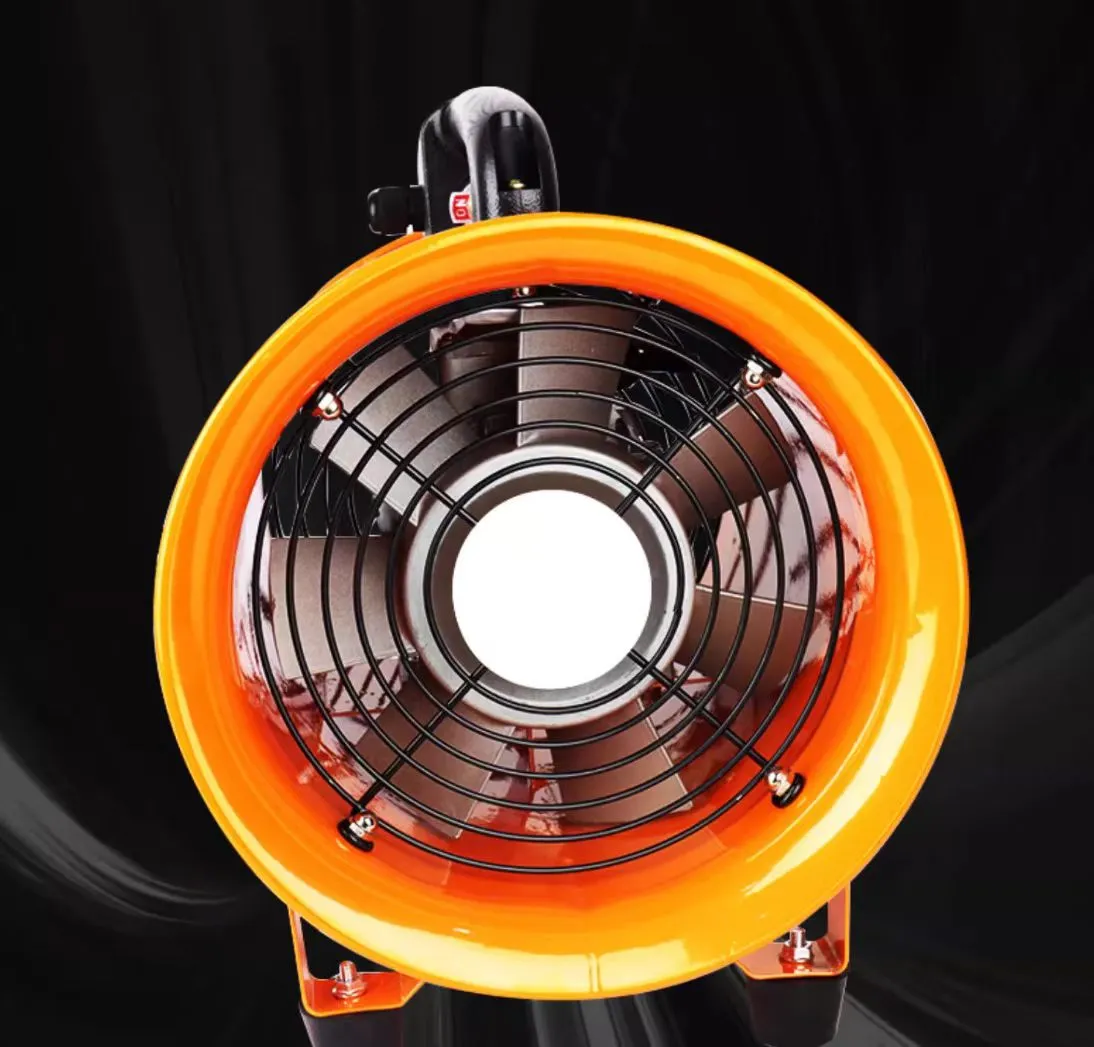
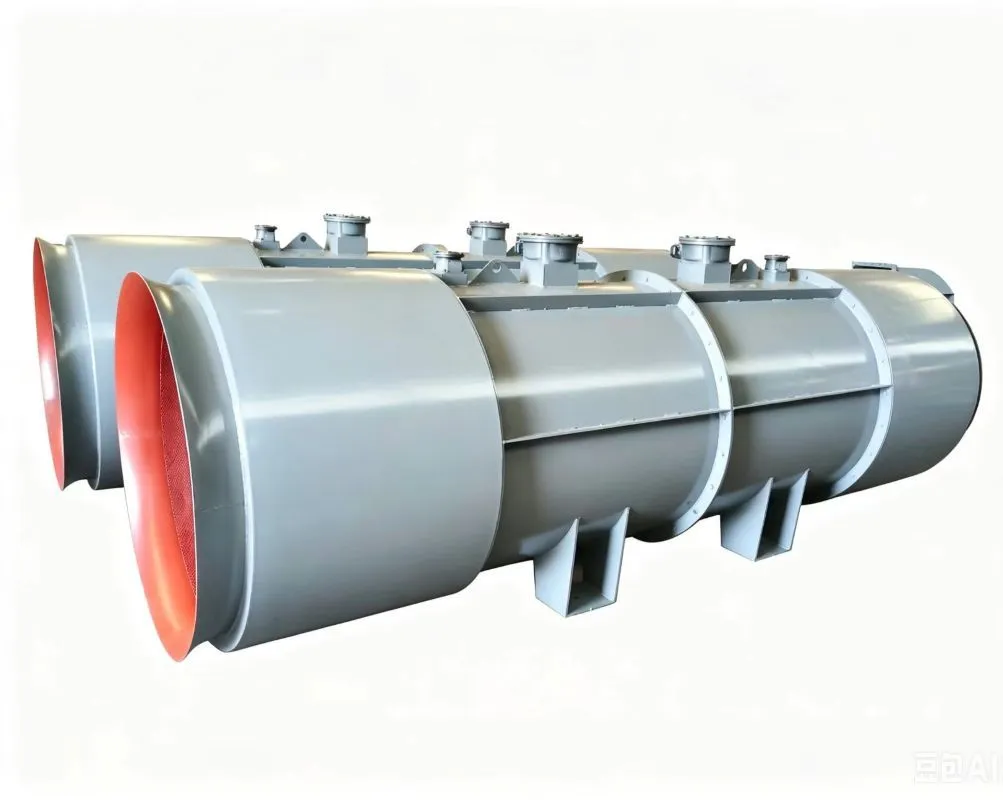
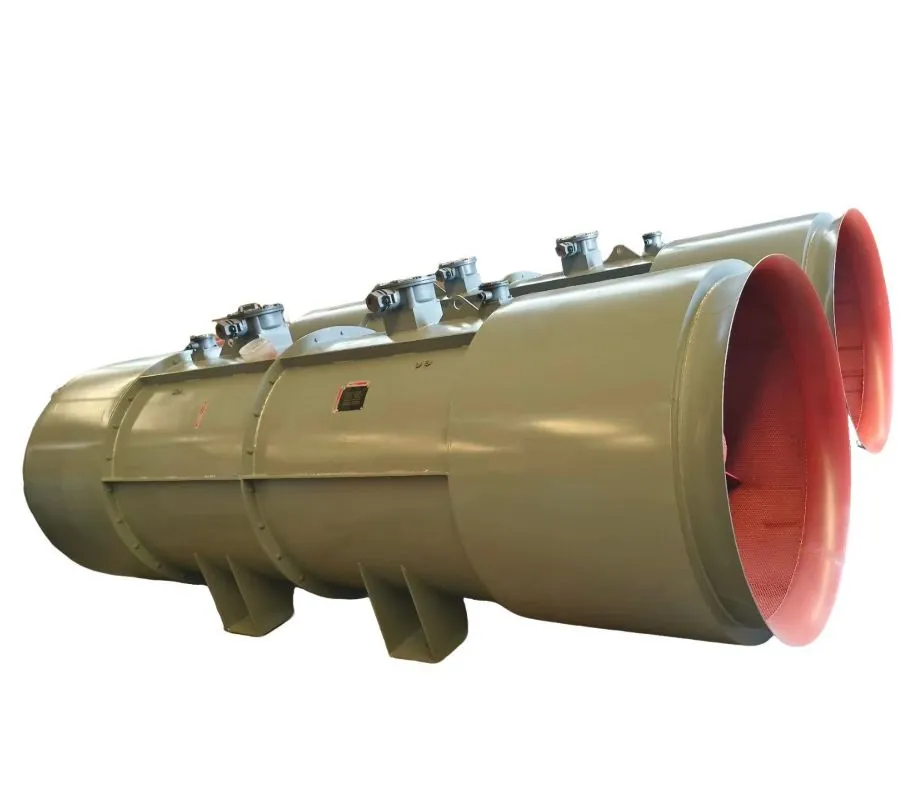
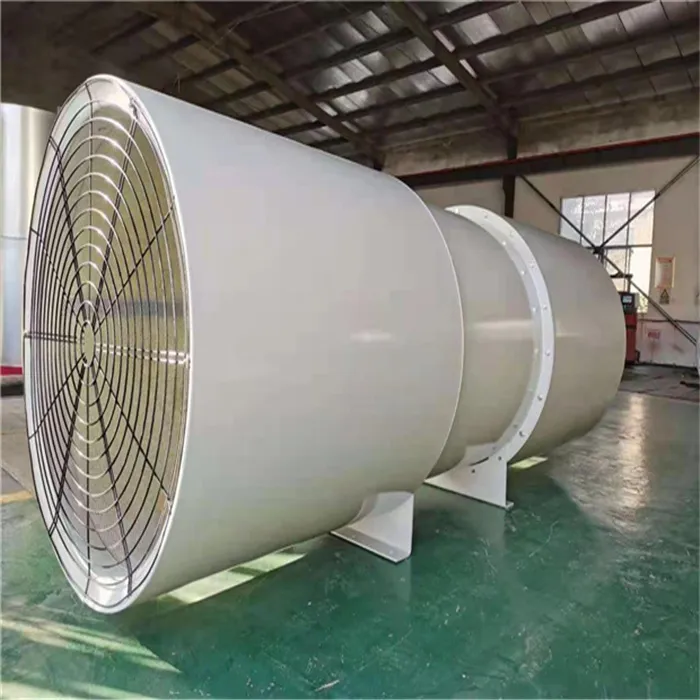
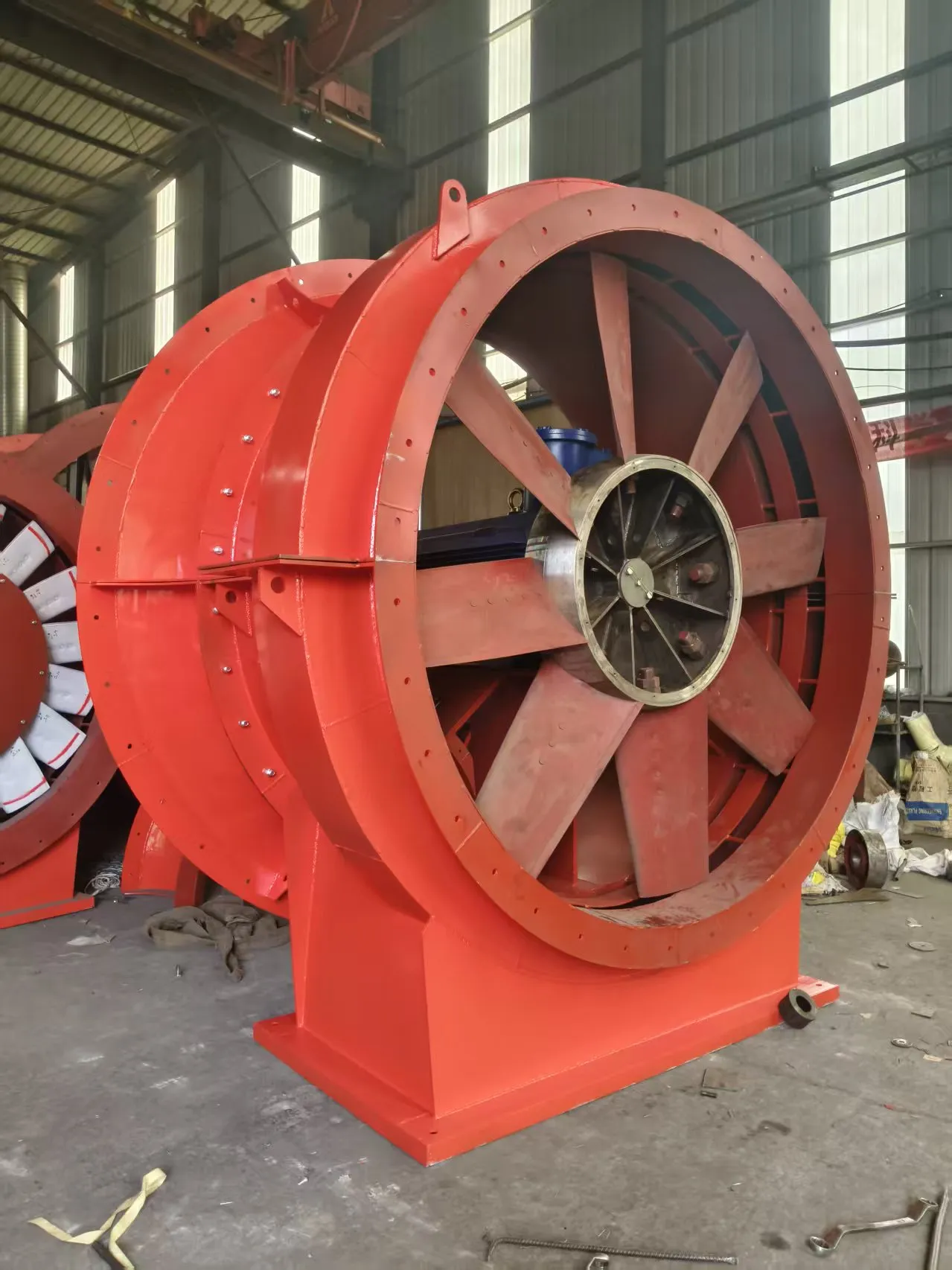
Looking for a reliable centrifugal titanium fan at factory direct prices? As a leading manufacturer, we specialize in designing and producing high-performance titanium blowers engineered for extreme corrosive environments. Our facility offers end-to-end customization, ensuring every unit meets strict industrial standards while eliminating middleman markups. This guide explores the technical advantages, manufacturing processes, and application scenarios of our premium titanium ventilation solutions.
What Defines a High-Performance Centrifugal Titanium Fan?
A centrifugal titanium fan is an industrial air movement device constructed primarily from titanium alloys to withstand aggressive chemical exposure. Unlike standard steel or aluminum fans, these units utilize the exceptional strength-to-weight ratio and corrosion resistance of titanium. They are essential in industries where acidic gases, saltwater mist, or high-temperature oxidizing agents would rapidly degrade conventional materials.
The core function involves drawing air into the center of a rotating impeller and expelling it radially through centrifugal force. When built with titanium, this mechanism maintains structural integrity even when handling chlorine, hydrochloric acid vapors, or seawater aerosols. The result is a prolonged service life and reduced maintenance frequency in harsh operating conditions.
Key Material Advantages of Titanium Alloys
Titanium is not just a marketing buzzword; it is a critical engineering choice for specific environmental challenges. The material forms a passive oxide layer that self-heals upon exposure to oxygen, providing unparalleled protection against pitting and crevice corrosion.
- Corrosion Resistance: Withstands chlorides, acids, and alkalis that destroy stainless steel.
- High Strength: Offers superior mechanical properties even at elevated temperatures.
- Lightweight Design: Reduces load on motor bearings and support structures compared to nickel alloys.
- Non-magnetic Properties: Ideal for specialized environments requiring magnetic neutrality.
Industry professionals recognize that while the initial investment in a centrifugal titanium fan is higher than carbon steel options, the total cost of ownership is significantly lower due to extended lifespan and minimal downtime.
Factory Direct Pricing: Eliminating the Middleman
Sourcing directly from a centrifugal titanium fan manufacturer provides substantial economic and technical benefits. Traditional supply chains often involve distributors, trading companies, and third-party agents, each adding a markup to the final price. By engaging directly with the factory, buyers secure competitive pricing without compromising on quality assurance.
Direct engagement also facilitates clearer communication regarding technical specifications. Engineers can discuss custom requirements, such as specific alloy grades (e.g., Grade 2 or Grade 5 titanium), impeller geometries, and sealing mechanisms without information loss. This transparency ensures the final product aligns perfectly with the operational demands of your facility.
Cost Efficiency Through Custom Manufacturing
Factory-direct models allow for flexible production runs tailored to project needs. Whether you require a single replacement unit for a critical repair or a bulk order for a new plant installation, the manufacturing process adapts to your timeline.
- No Inventory Markups: Units are built to order, reducing storage costs passed to consumers.
- Transparent Quoting: Detailed breakdowns of material, labor, and testing costs.
- Rapid Prototyping: Faster iteration on design changes before full-scale production.
- Direct Quality Control: Immediate access to inspection reports and material certificates.
This model supports businesses aiming to optimize capital expenditure while maintaining high reliability standards in their ventilation systems.
Engineering Principles and Design Logic
The design of a centrifugal titanium fan requires precise aerodynamic calculations and metallurgical expertise. The impeller, the heart of the fan, must be balanced dynamically to prevent vibration at high rotational speeds. Titanium’s density differs from steel, necessitating unique balancing protocols during the manufacturing phase.
Airflow dynamics are optimized using computational fluid dynamics (CFD) simulations. These simulations help determine the optimal blade angle, curvature, and number of blades to maximize efficiency while minimizing turbulence and noise. The housing, or scroll, is designed to convert kinetic energy into static pressure efficiently.
Impeller Configurations for Specific Applications
Different industrial processes require distinct airflow characteristics. Manufacturers typically offer three primary impeller types, each suited for specific pressure and volume requirements.
- Forward-Curved Blades: Best for low-pressure, high-volume applications with clean air.
- Backward-Curved Blades: Ideal for high-efficiency operations with moderate dust loads.
- Radial Blade Wheels: Designed for heavy-duty tasks involving particulate matter or sticky substances.
When constructing these with titanium, the welding techniques become critical. Tungsten Inert Gas (TIG) welding in an argon-shielded environment is standard to prevent contamination and ensure weld joints retain the base metal’s corrosion resistance.
Comparative Analysis: Titanium vs. Standard Materials
Selecting the right material for industrial fans is a decision that impacts long-term operational stability. While stainless steel and fiberglass-reinforced plastic (FRP) are common alternatives, they often fall short in extreme environments where titanium excels.
The following table outlines the performance differences between titanium and other common fan construction materials under harsh conditions.
| Feature |
Titanium Alloy |
Stainless Steel (316L) |
FRP (Fiberglass) |
Carbon Steel |
| Corrosion Resistance |
Excellent (Chlorides/Acids) |
Moderate (Prone to pitting) |
Good (Resin dependent) |
Poor (Requires coating) |
| Temperature Limit |
Up to 600°C+ |
Up to 400°C |
Limited (~120°C) |
High (but corrodes) |
| Mechanical Strength |
Very High |
High |
Moderate |
High |
| Lifespan in Acid |
15+ Years |
2-5 Years |
3-7 Years |
<1 Year |
| Maintenance Frequency |
Low |
Medium |
Medium |
Very High |
This comparison highlights why a centrifugal titanium fan is the preferred choice for chemical processing, desalination plants, and offshore platforms. The upfront cost is justified by the dramatic reduction in replacement cycles and unplanned shutdowns.
Step-by-Step Guide to Selecting the Right Unit
Choosing the correct centrifugal titanium fan involves a systematic evaluation of your process requirements. Skipping steps in this selection process can lead to inefficient operation or premature failure. Follow this logical framework to ensure optimal performance.
Selection Protocol for Industrial Buyers
The selection process begins with defining the operating environment and concludes with verifying compliance certifications. Each step builds upon the previous one to narrow down the ideal configuration.
- Step 1: Define Gas Composition: Identify all chemical components, concentrations, and temperature ranges the fan will handle.
- Step 2: Calculate Airflow Requirements: Determine the required cubic meters per hour (CMH) and static pressure needed for the system.
- Step 3: Choose Alloy Grade: Select between commercially pure titanium (Grade 2) or high-strength alloys (Grade 5) based on stress and corrosion needs.
- Step 4: Specify Drive Configuration: Decide between direct drive for efficiency or belt drive for flexibility in speed adjustment.
- Step 5: Review Sealing Options: Select appropriate shaft seals (mechanical seals or labyrinth seals) to prevent gas leakage.
- Step 6: Verify Certifications: Ensure the manufacturer provides material test reports (MTR) and complies with relevant safety standards.
Adhering to this protocol ensures that the purchased centrifugal titanium fan integrates seamlessly into your existing infrastructure while delivering expected performance metrics.
Critical Applications Across Industries
The versatility of titanium allows these fans to serve diverse sectors where air quality and material durability are paramount. From waste treatment to aerospace manufacturing, the demand for corrosion-resistant airflow solutions continues to grow.
Chemical Processing and Petrochemical Plants
In chemical synthesis, reactors often emit corrosive byproducts. A centrifugal titanium fan manages exhaust gases containing chlorine, bromine, or sulfur compounds. Standard steel fans would corrode within months, risking catastrophic failure and hazardous leaks. Titanium units operate reliably for years, ensuring continuous process safety.
Desalination and Marine Environments
Seawater contains high concentrations of chloride ions, which aggressively attack most metals. Desalination facilities use titanium fans for ventilation in pump rooms and evaporation chambers. The material’s immunity to saltwater corrosion makes it the only viable long-term solution for coastal and offshore installations.
Pharmaceutical and Fine Chemical Manufacturing
Purity is critical in pharmaceutical production. Titanium does not shed particles or react with process streams, preventing product contamination. These fans are used in drying ovens, fume hoods, and solvent recovery systems where hygiene and chemical inertness are non-negotiable.
Pulp and Paper Industry
The bleaching stages in paper production involve chlorine dioxide and other oxidizing agents. Exhaust systems in these areas face extreme corrosive stress. Installing a centrifugal titanium fan in the bleach plant ventilation system significantly reduces maintenance costs and improves worker safety by ensuring consistent fume extraction.
Manufacturing Quality and Testing Standards
Producing a high-quality centrifugal titanium fan requires rigorous adherence to international standards. Reputable manufacturers implement multi-stage quality control processes to verify every component before assembly.
Material verification is the first line of defense. Every batch of titanium plate or casting undergoes spectrographic analysis to confirm alloy composition. This ensures the material meets ASTM or ISO specifications for grade purity.
Essential Testing Procedures
Before shipment, each fan unit must pass a series of performance and integrity tests. These procedures validate the design assumptions and ensure safe operation under rated conditions.
- Dynamic Balancing: Impellers are balanced to ISO 1940 G2.5 or better to minimize vibration and bearing wear.
- Weld Inspection: All titanium welds undergo dye penetrant testing (PT) or X-ray examination to detect cracks or porosity.
- Performance Testing: Fans are run on test rigs to measure airflow, pressure, power consumption, and efficiency curves.
- Noise Level Measurement: Sound pressure levels are recorded to ensure compliance with occupational health regulations.
- Run-in Test: Extended operation at full speed to verify thermal stability and mechanical integrity.
Documentation of these tests is provided to the client, offering transparency and building trust in the product’s reliability. This level of scrutiny distinguishes professional manufacturing from inferior assembly operations.
About Zibo Hongcheng Fans: Your Trusted Manufacturing Partner
The complexity of fabricating titanium requires specialized equipment and skilled welders. Not all fan manufacturers possess the capability to work effectively with this material. This is where Zibo Hongcheng Fans stands apart. Located within the Zibo Blower Industrial Park in Shandong Province, China, our 9,000-square-meter facility is dedicated to precision engineering and robust production.
Founded in 2020 by industry veterans with over 20 years of experience in the blower sector, Zibo Hongcheng Fans has rapidly grown into a comprehensive solution provider. Our team of over 30 dedicated staff members leverages deep technical expertise to deliver more than 50 series and 600 specifications of blowers. While we offer a wide range of products including mining axial flow fans and centrifugal ventilators, our core specialization lies in stainless steel and corrosion-resistant fans, making us an ideal partner for your titanium ventilation needs.
Our commitment to quality is embedded in our complete production processes and sound quality management system. We serve a diverse global clientele across mines, coal fields, oil refineries, chemical plants, kilns, metallurgy, textiles, and building materials sectors. Whether you need a standard unit or a highly customized solution, our factory is equipped to handle personalized demands while ensuring all technical indicators meet or exceed national standards.
Maintenance Strategies for Longevity
While centrifugal titanium fans are designed for durability, proactive maintenance extends their service life even further. Unlike steel fans that require frequent painting or part replacement due to rust, titanium units need less intensive care but still benefit from regular inspections.
The primary focus should be on mechanical components rather than the titanium structure itself. Bearings, seals, and drive belts are the typical wear items. Monitoring vibration levels and temperature trends can predict bearing failures before they occur.
Routine Inspection Checklist
Implementing a scheduled maintenance plan helps avoid unexpected downtime. Facility managers should incorporate the following checks into their operational routines.
- Vibration Analysis: Check for unusual oscillations indicating imbalance or misalignment.
- Bearing Lubrication: Verify oil levels or grease intervals according to manufacturer guidelines.
- Seal Integrity: Inspect shaft seals for signs of leakage or wear.
- Impeller Clearance: Ensure the gap between the impeller and housing remains within specification.
- Fastener Tightness: Periodically check bolts and mounting hardware for loosening due to vibration.
By addressing these mechanical aspects promptly, the inherent durability of the titanium components can be fully leveraged, maximizing the return on investment.
Frequently Asked Questions (FAQ)
Buyers often have specific technical queries when considering a switch to titanium ventilation solutions. Below are answers to common questions regarding performance, cost, and customization.
Is titanium worth the extra cost compared to stainless steel?
Yes, for corrosive environments. While the initial purchase price of a centrifugal titanium fan is higher, the lifecycle cost is lower. Stainless steel may require replacement every few years in acidic conditions, whereas titanium can last decades. The savings in downtime, labor, and replacement parts quickly offset the initial premium.
Can you customize the fan size and connection flanges?
Absolutely. At Zibo Hongcheng Fans, we specialize in custom engineering. We can modify inlet and outlet flange dimensions, rotation directions, and motor mounts to fit your existing ductwork. Custom impeller diameters are also available to meet specific airflow and pressure targets.
What grades of titanium do you use?
We primarily utilize Grade 2 (commercially pure) for general corrosion resistance and Grade 5 (Ti-6Al-4V) for applications requiring higher strength and temperature resistance. The choice depends on your specific gas composition and operational stress factors.
Do you provide explosion-proof motors?
Yes, we can equip our centrifugal titanium fans with explosion-proof motors certified for hazardous locations (e.g., ATEX, IECEx). This is crucial for industries handling flammable solvents or combustible dust.
How long is the lead time for a custom order?
Lead times vary based on complexity and current production schedules. Standard configurations may ship within a few weeks, while highly customized large-scale units may take longer. We prioritize clear communication to provide accurate timelines for your project planning.
Why Partner with a Specialized Manufacturer?
The complexity of fabricating titanium requires specialized equipment and skilled welders. Not all fan manufacturers possess the capability to work effectively with this material. Partnering with a dedicated centrifugal titanium fan producer ensures access to deep technical knowledge and proven fabrication methods.
Specialized manufacturers understand the nuances of titanium behavior, such as its tendency to gall during threading or its sensitivity to contamination during welding. This expertise translates into products that perform reliably under the most demanding conditions.
Commitment to Technical Support
Beyond selling a product, a true partner offers ongoing technical support. From initial system design consultation to post-installation troubleshooting, the relationship fosters operational success. Access to engineers who understand both fluid dynamics and metallurgy is invaluable when optimizing complex ventilation networks.
Our approach focuses on delivering solutions that solve real-world problems. We do not just sell fans; we provide assurance that your critical processes will remain uninterrupted by equipment failure.
Conclusion and Next Steps
Investing in a centrifugal titanium fan is a strategic decision for any industry facing corrosive challenges. The combination of superior material properties, precise engineering, and factory-direct pricing creates a compelling value proposition. By eliminating intermediaries, you gain cost efficiency and direct access to manufacturing expertise.
This solution is ideally suited for chemical processors, marine facilities, pharmaceutical producers, and any operation where equipment failure is not an option. The longevity and reliability of titanium ensure that your ventilation system remains a stable asset rather than a recurring liability.
Ready to upgrade your industrial ventilation? Evaluate your current environmental conditions and consider the long-term savings of titanium. Contact Zibo Hongcheng Fans today to discuss your specific requirements, request a custom quote, or schedule a technical consultation. With our 20 years of collective experience and state-of-the-art facility in Zibo, we are ready to secure a ventilation solution built to last with factory-direct precision and quality.