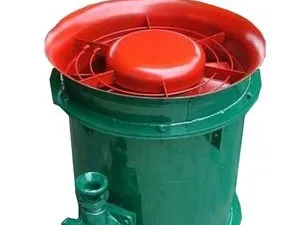
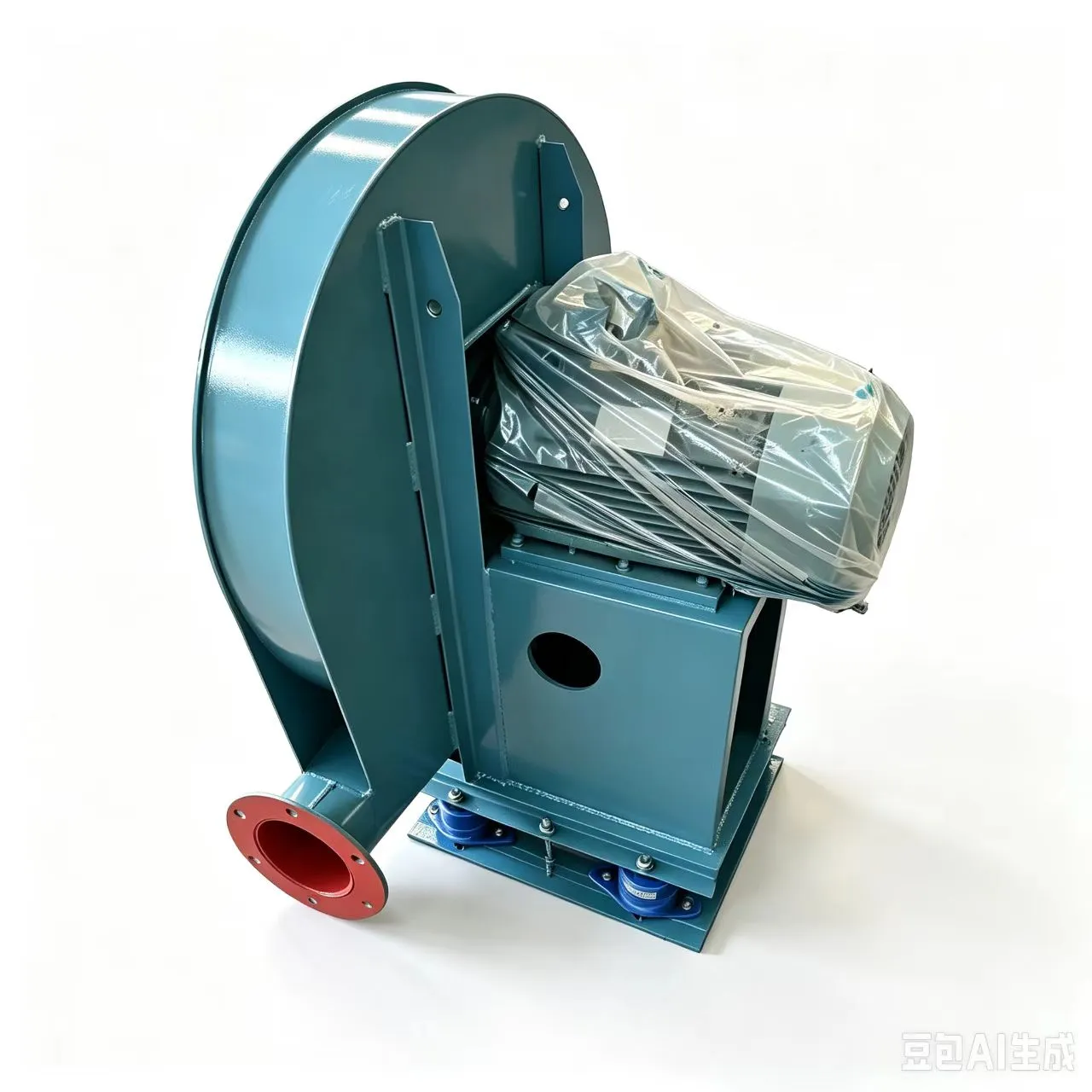
An Buandizy - tetee i le Centrifugal Fan is a specialized industrial ventilation unit engineered to withstand high-velocity particulate matter, such as dust, ash, and metal fragments. Unlike standard fans, these units utilize reinforced impellers, wear-resistant liners, and optimized aerodynamic designs to prevent erosion and maintain efficiency in harsh environments. For B2B buyers, selecting the right manufacturer involves evaluating material hardness, dynamic balancing precision, and customization capabilities for OEM requirements.
What Is an Abrasion-Resistant Centrifugal Fan?
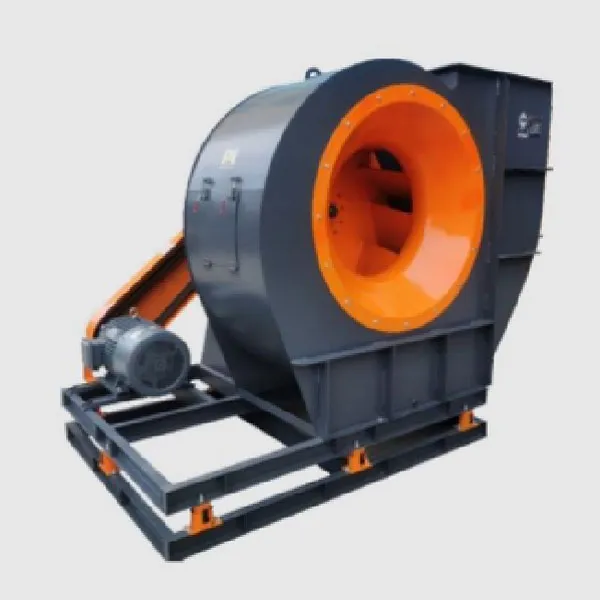
In heavy industries like mining, cement production, and metallurgy, air streams are rarely clean. They carry abrasive particles that act like sandpaper on standard fan components. An abrasion-resistant centrifugal fan is designed specifically to mitigate this wear. The core difference lies in the construction materials and the geometric design of the impeller and housing.
Standard carbon steel fans may degrade within months when exposed to high concentrations of fly ash or silica dust. In contrast, abrasion-resistant models use high-chromium cast iron, manganese steel, or specialized ceramic coatings. These materials significantly extend the service life of the equipment, reducing downtime and maintenance costs.
Key Components Designed for Durability
- Reinforced Impeller: The rotating element is often thickened at critical stress points and coated with wear-resistant alloys. Some designs feature replaceable wear plates on the blade tips.
- Protected Housing (Casing): The volute casing includes internal liners made from hard-facing materials. These liners absorb the impact of particles before they can erode the structural steel.
- Heavy-Duty Bearings and Shaft: To handle the vibration caused by uneven particle distribution, these fans use oversized shafts and premium bearings with enhanced sealing systems to prevent dust ingress.
- Optimized Inlet Cone: The inlet is designed to streamline airflow, reducing turbulence and preventing particle accumulation that leads to imbalance.
Why Industrial Facilities Need Specialized Wear-Resistant Fans
The decision to upgrade to an abrasion-resistant centrifugal fan is usually driven by operational reliability and total cost of ownership (TCO). In sectors such as coal-fired power plants or mineral processing, fan failure can halt entire production lines.
When particulate matter strikes fan blades at high speeds, it removes material through micro-cutting and fatigue. This process changes the aerodynamic profile of the blades, leading to a drop in pressure and flow rate. More critically, it causes imbalance. An unbalanced impeller generates excessive vibration, which can destroy bearings and damage the motor drive system.
The Cost of Equipment Failure
Using a standard fan in an abrasive environment often results in:
- Frequent Maintenance: Regular shutdowns for cleaning, balancing, or replacing worn parts.
- Energy Inefficiency: As blade profiles erode, the fan must work harder to move the same volume of air, increasing energy consumption.
- Safety Risks: Catastrophic failure of a high-speed rotating component poses significant safety hazards to personnel and infrastructure.
By investing in a purpose-built abrasion-resistant solution, facilities can achieve consistent airflow performance and predictable maintenance schedules.
How Abrasion-Resistant Fans Work: Engineering Principles
The effectiveness of these fans relies on two main engineering principles: material hardness and aerodynamic optimization. Understanding these helps buyers evaluate technical specifications from manufacturers.
Material Science: Hardness vs. Toughness
Resistance to abrasion is primarily a function of material hardness. However, hardness alone is insufficient. The material must also possess enough toughness to withstand impact without cracking. Common materials include:
- NM400/NM500 Steel: High-hardness wear-resistant steel plates used for casings and liners.
- High-Chromium Cast Iron: Used for impellers, offering excellent resistance to sliding abrasion.
- Ceramic Liners: Applied in extreme conditions, providing superior hardness but requiring careful installation to avoid brittleness issues.
Aerodynamic Design to Minimize Impact
Beyond materials, the shape of the fan matters. Engineers design the blade curvature and housing geometry to minimize the angle of impact for particles. By guiding particles along the streamlines rather than allowing them to strike surfaces perpendicularly, the kinetic energy transfer is reduced, thereby lowering wear rates.
Additionally, some designs incorporate “self-cleaning” features where the airflow helps push particles out of the system rather than allowing them to settle and build up on the blades.
Applications Across Heavy Industries
Abrasion-resistant centrifugal fans are critical in any process involving bulk material handling, combustion, or grinding. Below are the primary sectors relying on this technology.
Mining and Mineral Processing
In mining operations, fans are used for ventilation and dust extraction. The air contains rock dust, silica, and other hard minerals. Zibo Hongcheng Fans, for instance, specializes in mining axial flow fans and centrifugal ventilators that meet the rigorous demands of underground and surface mining operations. Their products are designed to handle the high dust loads typical in coal mines and metal ore processing.
Cement and Building Materials
Cement production involves crushing, grinding, and kiln operations that generate massive amounts of abrasive dust. Fans in preheater towers, clinker coolers, and raw mill exhaust systems must withstand continuous exposure to limestone and cement clinker particles. Corrosion-resistant and abrasion-resistant features are often combined here due to the chemical nature of the gases.
Power Generation (Coal and Biomass)
Boiler induced draft (ID) fans and primary air fans in power plants handle flue gas containing fly ash. Fly ash is highly abrasive and can quickly erode standard fan blades. Stainless steel fans and specialized alloy constructions are essential to ensure long-term reliability in these high-temperature, high-particulate environments.
Metallurgy and Steel Manufacturing
Steel mills use large volumes of air for combustion and cooling. The exhaust air often carries iron oxide dust and scale. These particles are dense and abrasive. Customized blowers with heavy-duty wear plates are standard in sintering plants and blast furnace operations.
Zibo Hongcheng Fans: Expertise in Durable Ventilation Solutions
Selecting the right partner for industrial ventilation is as important as choosing the right equipment. Zibo Hongcheng Fans has established itself as a reliable manufacturer in the blower industry, leveraging deep technical expertise to deliver high-performance solutions.
Located within the Zibo Blower Industrial Park in Shandong Province, China, the company operates from a 9,000-square-meter facility. While established in 2020, the founding team brings over 20 years of hands-on experience in blower design and manufacturing. This blend of modern facility capabilities and veteran industry knowledge allows for precise engineering and robust quality control.
Comprehensive Product Range
Zibo Hongcheng Fans offers more than 50 series and over 600 specifications of blowers. Their portfolio includes:
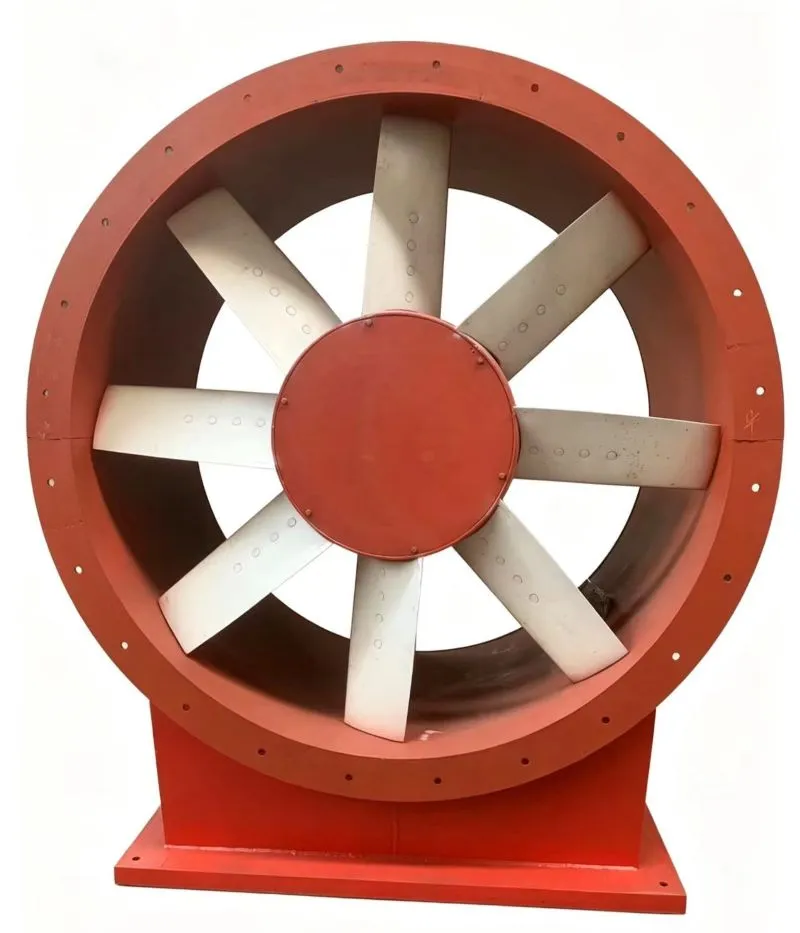
- Mining Axial Flow Fans: Designed for high-volume ventilation in hazardous mining environments.
- Centrifugal Ventilators: Including high-pressure and high-temperature models for industrial processes.
- Stainless Steel and Corrosion-Resistant Fans: Ideal for chemical plants and oil fields where both corrosion and abrasion are concerns.
The company’s products are widely deployed in mines, coal mines, oil fields, chemical plants, kilns, metallurgy, boilers, textiles, and building materials sectors. This diverse application history demonstrates their ability to adapt to various operational challenges.
Quality Control and Customization
Equipped with comprehensive supporting equipment and complete production processes, Zibo Hongcheng Fans maintains a sound quality management system. All technical indicators strictly meet national standards. Recognizing that no two industrial applications are identical, the company provides customized production services. Whether it is adjusting material thickness for higher abrasion resistance or modifying dimensions for specific spatial constraints, they tailor solutions to meet personalized customer demands.
Selection Guide: How to Choose the Right Fan
Choosing an abrasion-resistant centrifugal fan requires a detailed analysis of operating conditions. Buyers should provide manufacturers with specific data to ensure optimal performance.
1. Analyze the Particulate Matter
Understand the nature of the dust or particles in the airflow:
- Particle Size: Larger particles cause more impact damage.
- Hardness: Silica and metal ores are harder than coal dust or wood chips.
- Concentration: Measured in mg/m³, higher concentrations accelerate wear.
2. Define Operational Parameters
Clear specifications help in selecting the right model:
- Air Volume (Flow Rate): Required cubic meters per hour (m³/h).
- Static Pressure: The resistance the fan must overcome.
- Temperature: High temperatures may require heat-resistant alloys in addition to abrasion resistance.
3. Evaluate Material Options
Discuss material options with the manufacturer. For moderate abrasion, hardened steel liners may suffice. For severe conditions, high-chromium cast iron impellers or ceramic-coated components might be necessary. Zibo Hongcheng Fans, for example, can customize materials based on these specific needs.
Comparison: Standard vs. Abrasion-Resistant Fans
The following table highlights the key differences between standard industrial fans and those engineered for abrasion resistance.
| Feature | Standard Centrifugal Fan | Abrasion-Resistant Centrifugal Fan |
| Impeller Material | Standard Carbon Steel (Q235) | High-Chromium Cast Iron, Manganese Steel, or Coated Alloy |
| Casing Protection | None or Thin Paint | Replaceable Wear Liners (NM400/NM500) |
| Blade Design | Standard Aerodynamic Profile | Reinforced Tips, Optimized Impact Angles |
| Service Life (Abrasive Env.) | 6–12 Months | 3–5+ Years |
| Maintenance Frequency | High (Monthly/Quarterly) | Low (Annual/Semi-Annual) |
| Initial Cost | Lower | Higher (But Lower TCO) |
Maintenance Best Practices for Longevity
Even the most durable fans require proper maintenance to maximize their lifespan. Implementing a proactive maintenance strategy can prevent unexpected failures.
Regular Inspection Schedule
- Vibration Monitoring: Use vibration sensors to detect early signs of imbalance caused by uneven wear or dust buildup.
- Visual Inspections: Check wear plates and liners during scheduled shutdowns. Replace them before they wear through to the structural casing.
- Bearing Lubrication: Ensure bearings are properly lubricated and seals are intact to prevent dust contamination.
Cleaning Procedures
Accumulated dust on impeller blades can cause severe imbalance. Regular cleaning, either through automated air cannons or manual methods during shutdowns, is essential. Avoid using water for cleaning unless the fan is specifically designed for wet conditions, as this can lead to corrosion.
Frequently Asked Questions (FAQ)
What is the expected lifespan of an abrasion-resistant fan?
The lifespan varies based on the severity of the abrasive environment. In moderate conditions, these fans can last 5 to 10 years. In extreme conditions with high concentrations of hard particles, a lifespan of 3 to 5 years is common, which is significantly longer than standard fans.
Can existing fans be retrofitted with wear-resistant liners?
In some cases, yes. Retrofitting involves welding or bolting wear plates to the existing casing and potentially replacing the impeller. However, a complete replacement is often more cost-effective in the long run due to improved aerodynamic efficiency and balanced design.
How does particle size affect fan selection?
Larger particles carry more kinetic energy and cause more impact damage. For large particles, thicker wear plates and robust impeller structures are required. For fine particles, surface hardness and smooth coatings are more critical to prevent sliding abrasion.
Does Zibo Hongcheng Fans offer OEM services?
Yes, Zibo Hongcheng Fans provides OEM and wholesale services. They can customize fan dimensions, materials, and performance parameters to meet specific project requirements, leveraging their 20 years of industry experience and comprehensive production capabilities.
What industries benefit most from these fans?
Industries with high particulate loads, such as mining, cement production, power generation (coal/biomass), metallurgy, and chemical processing, benefit the most. Any application involving dust extraction or material transport via air is a candidate for abrasion-resistant fans.
Conclusion: Investing in Reliability
An abrasion-resistant centrifugal fan is not just a piece of equipment; it is a strategic investment in operational continuity. By mitigating the effects of wear and tear, these fans ensure consistent airflow, reduce energy waste, and minimize costly downtime. For industries dealing with harsh, particulate-laden environments, the choice of material and design is paramount.
When sourcing these critical components, partnering with an experienced manufacturer like Zibo Hongcheng Fans ensures access to high-quality, customized solutions. With a strong foundation in the Zibo Blower Industrial Park and a commitment to national quality standards, they provide the expertise needed to tackle complex ventilation challenges.
Whether you need a standard model or a fully customized OEM solution, understanding your specific operational needs is the first step. Evaluate your particulate load, temperature, and pressure requirements carefully.
Ready to optimize your industrial ventilation system? Contact our engineering team to discuss your specific application needs and discover how our abrasion-resistant solutions can enhance your operational efficiency.
Explore Our Full Range of Centrifugal Fans and Technical Solutions