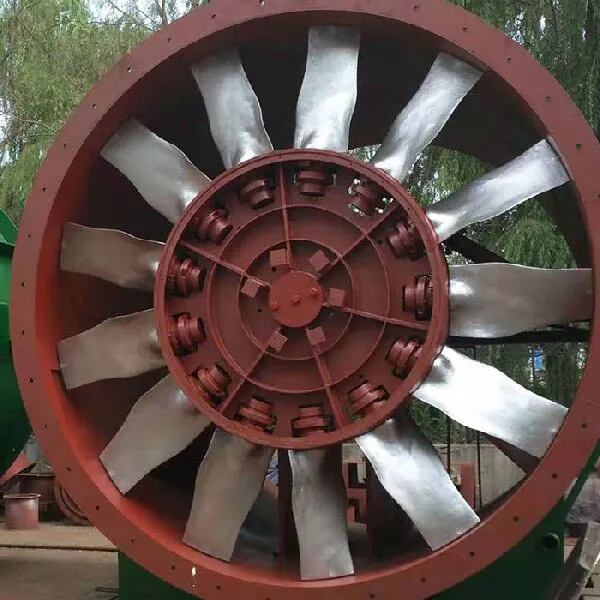
Mine ventilation fan selection isn’t a procurement checklist—it’s a safety-critical engineering decision. One wrong choice can mean elevated methane concentrations, heat stress, respirable dust accumulation, or even catastrophic ignition in explosive atmospheres. We’ve seen it: a mine in Inner Mongolia replaced its aging axial fan with a non-certified unit to cut costs—within three months, CO levels spiked during shift change. Another site in Shanxi installed an undersized centrifugal booster without accounting for duct friction loss; airflow dropped 38% at the face. These weren’t equipment failures. They were specification mismatches.
Match Fan Type to Ventilation Duty—Not Just Air Volume
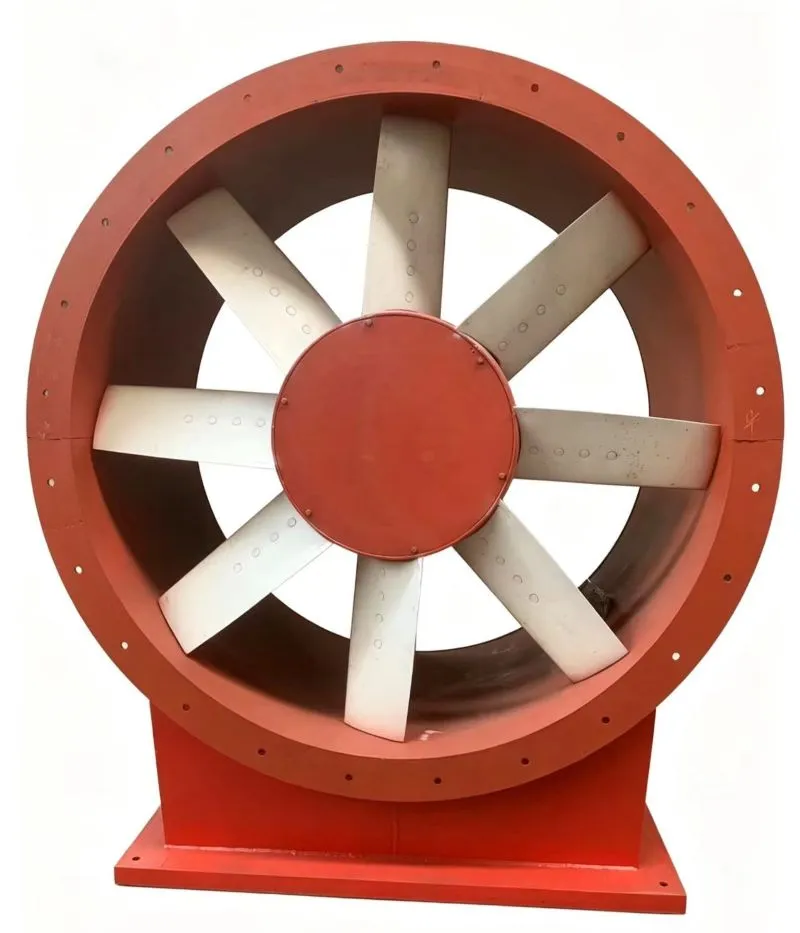
Axial flow fans dominate local ventilation—especially near working faces—because they deliver high airflow at low static pressure. But “high airflow” means nothing without context. The FBD series (dⅠ) explosion-proof counter-rotating axial flow fan, for example, achieves 20–45 m³/s at 3,000–6,500 Pa static pressure, with dual impellers rotating in opposite directions. That design cancels rotational turbulence, boosts efficiency by up to 12%, and eliminates the need for straightening vanes in tight tunnel sections. In contrast, a standard single-stage axial fan of similar size may stall when static pressure exceeds 2,200 Pa—common in long, bent, or partially blocked airways.
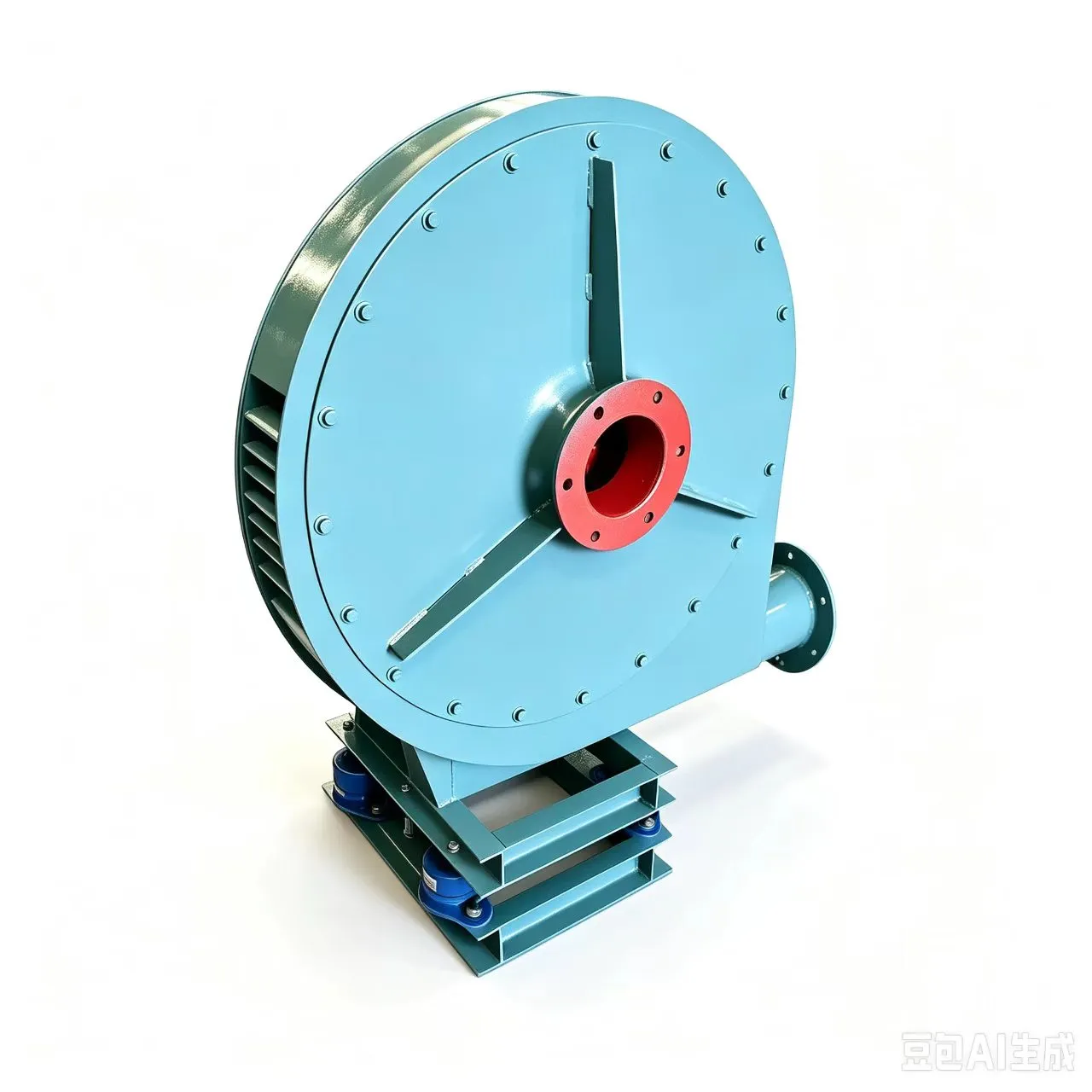
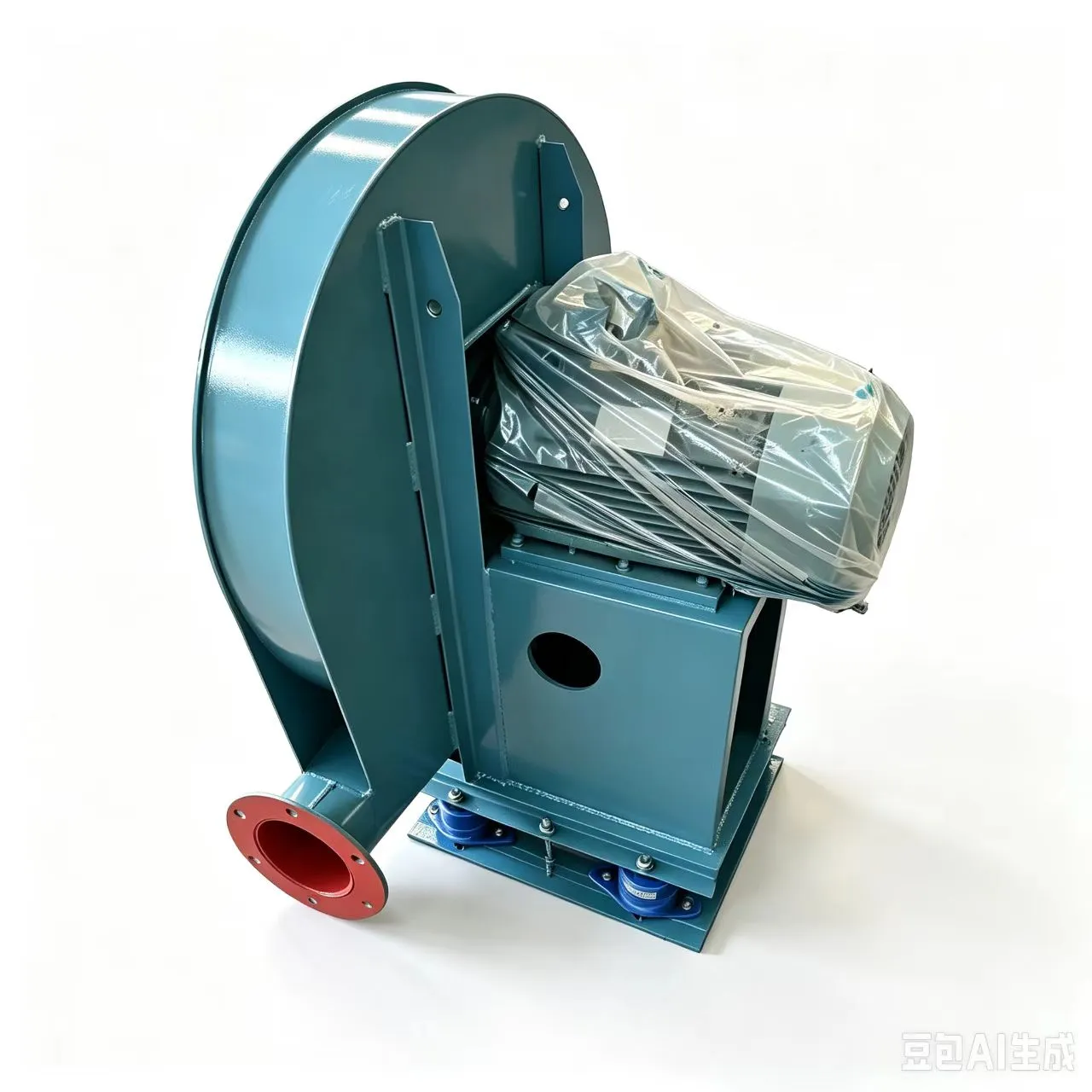
Centrifugal fans enter where pressure matters more than volume: main intake shafts, booster stations, or desulfurization ducts. The 9-19 high-pressure centrifugal blower handles 1,200–12,000 m³/h at up to 15,000 Pa—ideal for overcoming resistance from scrubbers, filters, or vertical lift. Its backward-curved impeller runs cooler, resists dust buildup, and maintains stable performance across variable load conditions. Roots blowers? Only for precise, pulse-free gas transfer—like coal gas recirculation—not general ventilation.
Explosion-Proof Isn’t Optional—It’s Non-Negotiable in Gassy Mines
Some operators treat explosion-proof certification as a paperwork hurdle. It’s not. It’s a physical containment strategy. A certified coal mine explosion-proof axial flow fan must meet GB 3836.1–2021 standards: housing tested to withstand internal explosion without flame transmission, surface temperatures kept below T4 (135°C), and clearances between rotating and stationary parts held to micrometer tolerances. We’ve measured surface temps on uncertified units hitting 172°C during 4-hour continuous duty—well above safe limits for methane-air mixtures.
Real-world verification matters. Every FBD(dⅠ) unit undergoes mandatory 72-hour burn-in testing under simulated methane-rich load, followed by thermal imaging and spark-gap clearance validation. No certificate is issued until the fan passes both mechanical integrity and thermal stability checks.
Forget “One Size Fits All”—Customization Solves Real Field Problems
Standard specs fail underground. Duct diameter changes mid-run? Add tapered inlet cones. Corrosive H₂S-laden air in deep coal seams? Specify titanium impellers and acid-resistant epoxy coating—not just stainless steel. High ambient temps above 50°C? Upgrade motor insulation to Class H and add external cooling fins. We once redesigned a tunnel fan’s bearing housing for a Yunnan hydropower project after vibration analysis revealed resonance at 2,350 RPM—caused by harmonic coupling with the adjacent conveyor drive. The fix? Shifted natural frequency by 18% via wall thickness adjustment and damping inserts. Delivered in 11 days.
Zibo Hongcheng Fan Co., Ltd. builds this agility into its process. Engineers don’t hand off drawings to production—they co-develop with machinists, balance technicians, and test lab staff. Custom requests—whether IP68 sealing, ATEX Zone 1 compliance, or integration with SCADA via Modbus RTU—trigger cross-functional review before quoting. Lead time stays predictable because customization happens within the same 9,000 m² facility where raw material enters and tested units ship.
Look Beyond the Nameplate—Inspect the Process Behind the Product
A fan rated for 5,000 Pa doesn’t guarantee 5,000 Pa at your site. Performance degrades with blade erosion, bearing wear, voltage fluctuation, or inlet distortion. That’s why Zibo Hongcheng tests every unit under real-world conditions: airflow verified with calibrated pitot arrays, pressure validated with digital manometers traceable to NIM, efficiency calculated using ISO 5801-compliant methods. Each report includes actual power draw—not just motor rating—and noise level measured at 1 meter per ISO 3744.
This discipline matters most where lives depend on consistency. When a metallurgical mine in Gansu needed replacement fans for its sintering plant exhaust system, we didn’t just match airflow. We mapped temperature gradients across the ductwork, modeled particulate abrasion rates, and selected a dual-inlet centrifugal fan with ceramic-coated impeller tips and water-cooled bearings. It’s now running 22,000 hours without maintenance—exceeding OEM expectations by 40%.Mine Ventilation Fan
Selecting the right O Aʻu o le Ventilation Fan starts with asking hard questions—not about price or delivery, but about failure modes, environmental extremes, and verification depth. It means choosing partners who test under load, engineer for degradation, and treat certification as physics—not paperwork. Because in underground operations, airflow isn’t abstract. It’s oxygen. It’s dilution. It’s the margin between routine shift and incident report.Mine Ventilation Fan