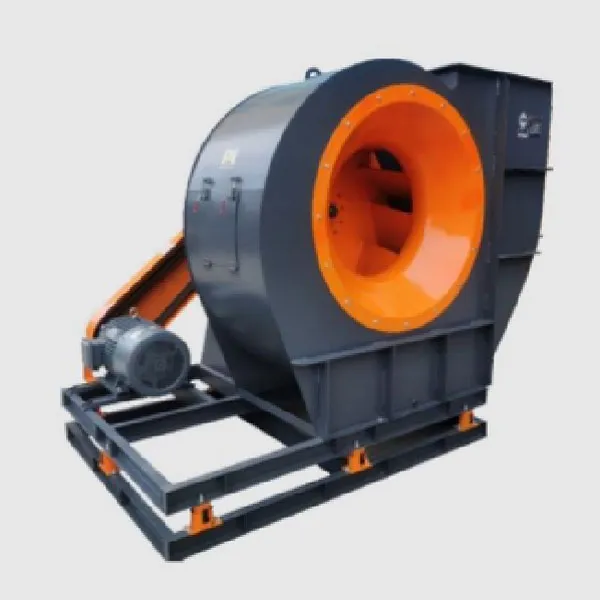
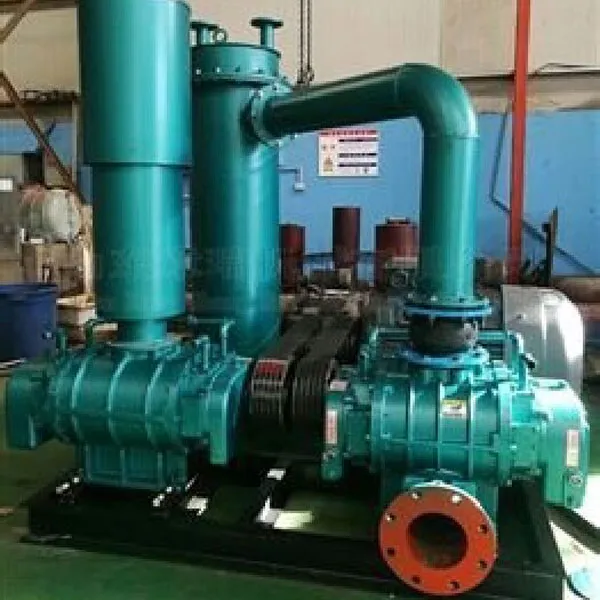
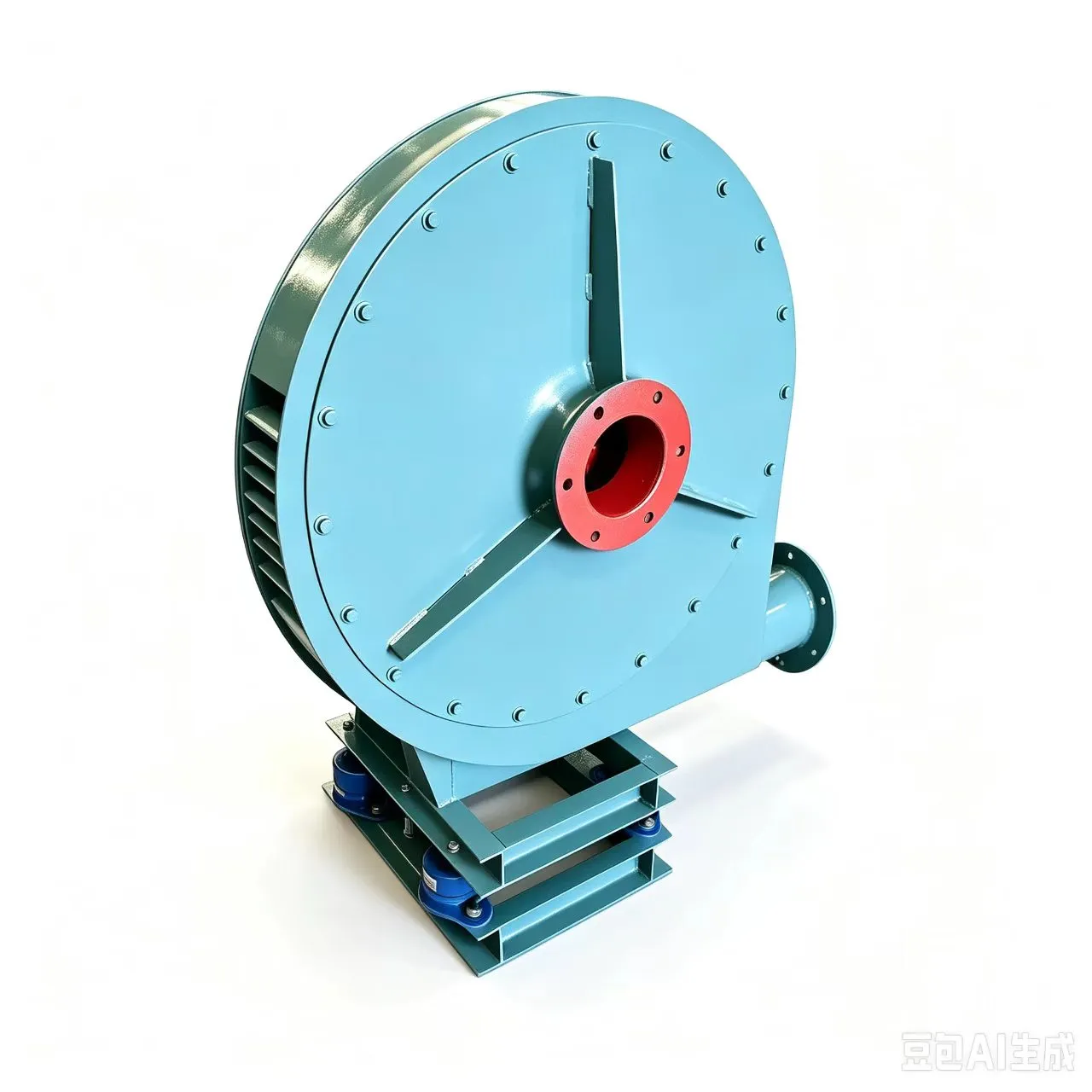
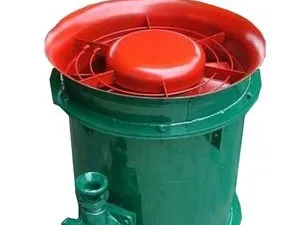
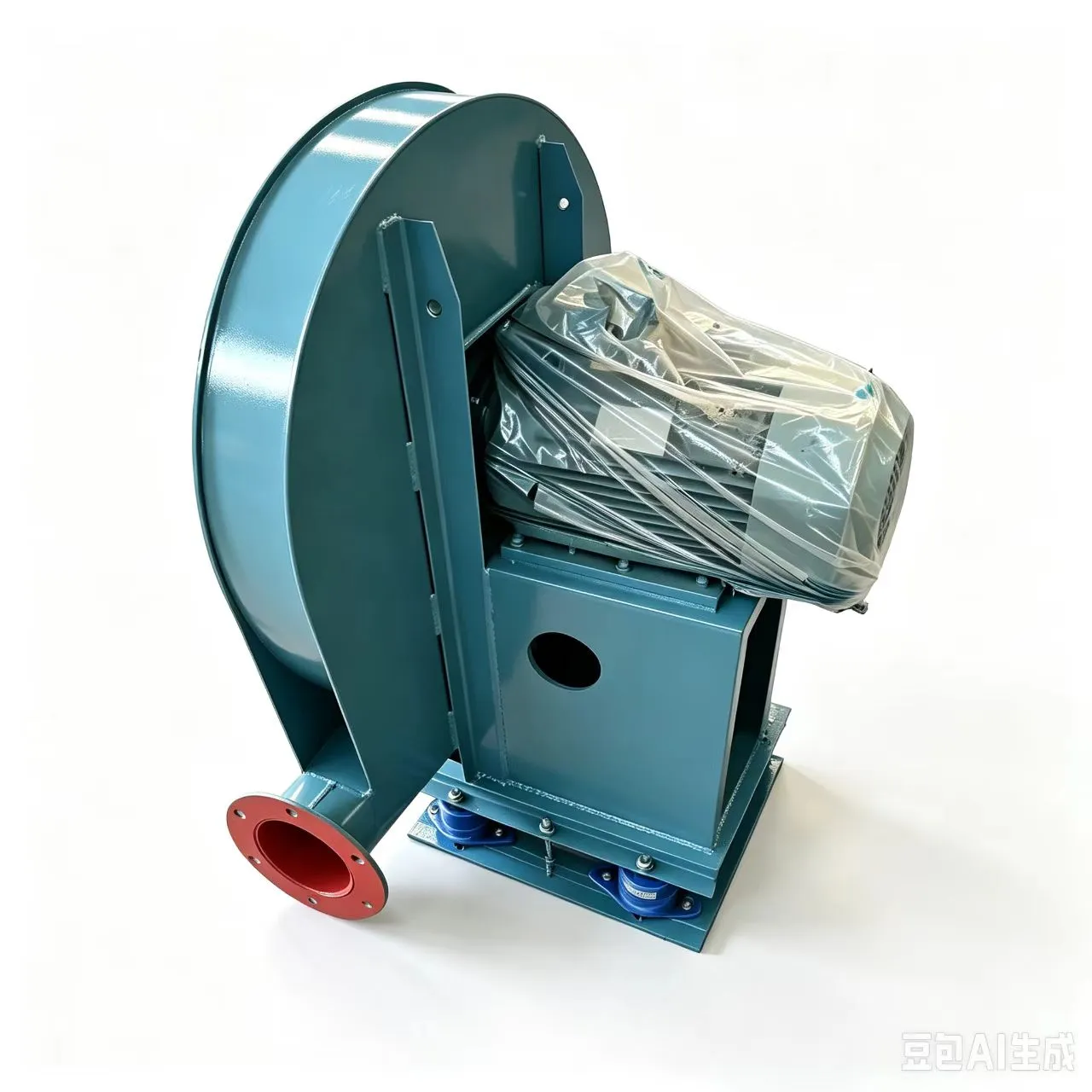
A Boiler fliu kesi kesi is a critical industrial component designed to extract combustion byproducts from boiler systems, ensuring safe operation and optimal thermal efficiency. Also known as an induced draft (ID) fan, it creates negative pressure within the furnace to pull hot flue gases through heat exchange surfaces before exhausting them into the atmosphere. Selecting the right fan involves balancing airflow capacity, static pressure requirements, and material resistance to high temperatures and corrosion. For industrial buyers, partnering with a specialized manufacturer like Zibo Hongcheng Fans ensures access to customized, high-durability solutions that meet strict national standards and specific operational demands.
What Is a Boiler Flue Gas Fan and How Does It Work?
In industrial boiler systems, the management of exhaust gases is not merely a ventilation task; it is a fundamental aspect of combustion control. A boiler flue gas fan, primarily functioning as an Induced Draft (ID) fan, is installed at the outlet of the boiler system. Its primary role is to overcome the resistance caused by various components such as economizers, air preheaters, dust collectors, and desulfurization units.
The working principle relies on creating a slight negative pressure inside the furnace. This negative pressure ensures that flames and hot gases are drawn through the boiler tubes effectively. Without this controlled suction, combustion could become unstable, leading to incomplete fuel burn, reduced efficiency, or even dangerous backdrafts where smoke escapes into the boiler room.
Key Functions in Industrial Boilers
- Pressure Regulation: Maintains the correct furnace pressure to prevent positive pressure leakage, which can damage boiler structures and endanger personnel.
- Gas Extraction: Efficiently removes combustion byproducts, including carbon dioxide, sulfur oxides, and particulate matter.
- Heat Recovery Support: Ensures gases flow through heat recovery systems (like economizers) at the required velocity to maximize thermal energy capture.
- Emission Compliance: Works in tandem with pollution control devices to ensure exhaust meets environmental regulations.
Types of Boiler Flue Gas Fans: Centrifugal vs. Axial
Choosing between centrifugal and axial designs is the first major decision in selecting a flue gas fan. Each type offers distinct advantages depending on the boiler size, pressure requirements, and installation space.
Centrifugal Induced Draft Fans
Centrifugal fans are the most common choice for medium to large industrial boilers. They operate by drawing gas into the center of a rotating impeller and accelerating it outward using centrifugal force. This design generates higher static pressure, making it ideal for systems with significant resistance from filtration and scrubbing equipment.
Advantages:
- High pressure capability suitable for complex ductwork.
- Robust construction handles high-temperature gases effectively.
- Stable performance across varying load conditions.
Axial Flow Fans
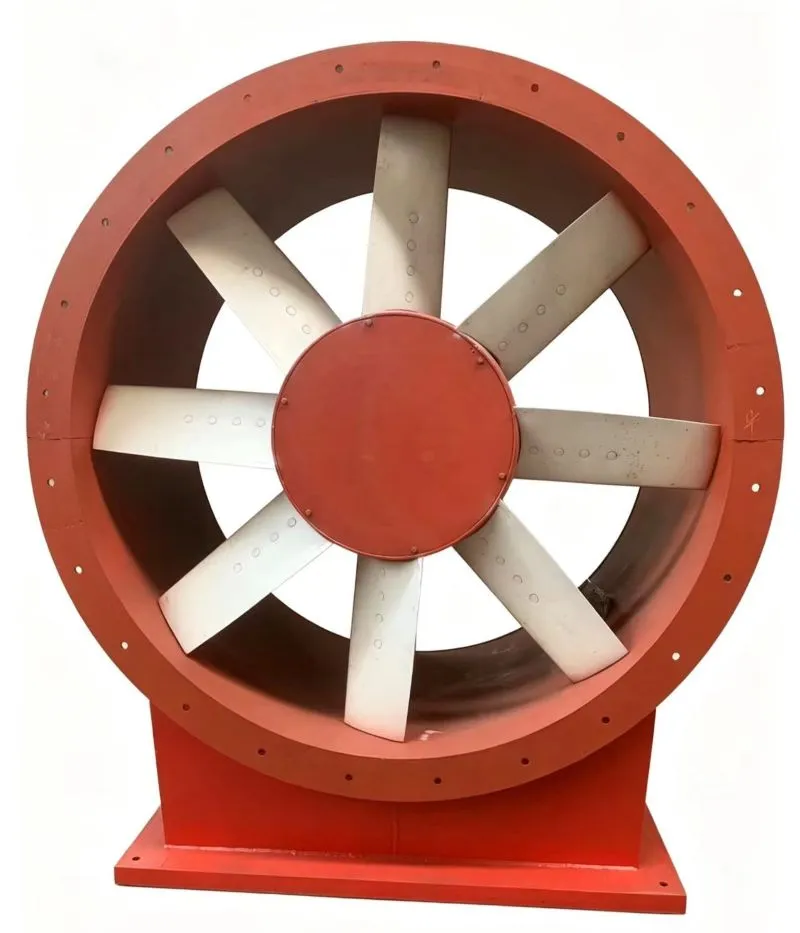
Axial fans move gas parallel to the shaft axis. They are typically used in smaller boiler applications or where space is constrained and pressure requirements are lower. While they offer higher volume flow rates at lower pressures, they are less effective in high-resistance systems compared to their centrifugal counterparts.
| Feature | Centrifugal ID Fan | Axial Flow Fan |
| Pressure Capability | High (Suitable for high resistance) | Low to Medium |
| Flow Volume | Moderate to High | Very High |
| Efficiency | High at designed operating point | Good, but drops sharply off-design |
| Space Requirement | Larger footprint | Compact, inline installation |
| Typical Application | Large industrial boilers, power plants | Small package boilers, HVAC integration |
Critical Technical Parameters for Selection
Selecting the correct boiler flue gas fan requires precise data regarding the operating environment. Incorrect sizing can lead to excessive energy consumption, premature failure, or inadequate combustion control. Engineers must evaluate several key parameters.
1. Airflow Capacity (Q)
Measured in cubic meters per hour (m³/h) or cubic feet per minute (CFM), airflow capacity must exceed the maximum expected flue gas volume. This includes a safety margin to account for fuel variability and potential air leakage into the system. Typically, a 10-15% reserve capacity is recommended.
2. Static Pressure (P)
The fan must generate enough pressure to overcome the total system resistance. This includes friction losses in ducts, resistance from the boiler bank, economizer, air preheater, baghouse filters, and wet scrubbers. Calculating the total static pressure accurately is vital to ensure the fan can maintain the required draft under full load.
3. Operating Temperature
Flue gas temperatures can range from 150°C to over 400°C depending on the boiler type and heat recovery setup. The fan’s material and bearing design must withstand these temperatures. High-temperature applications often require water-cooled bearings or special heat-resistant steel alloys to prevent structural deformation.
4. Gas Composition and Corrosion
Burning coal, oil, or biomass produces different corrosive elements. Sulfur content in fuel leads to sulfur dioxide (SO₂) formation, which can condense into sulfuric acid if gas temperatures drop below the dew point. This necessitates the use of corrosion-resistant materials such as stainless steel (e.g., 304, 316L) or specialized coatings.
Material Selection and Durability Challenges
The longevity of a boiler flue gas fan is directly linked to its material composition. Industrial environments are harsh, and standard carbon steel may degrade rapidly without proper protection.
Corrosion Resistance Strategies
In chemical plants or facilities burning high-sulfur fuels, corrosion is the primary enemy. Zibo Hongcheng Fans specializes in producing stainless steel and corrosion-resistant fans tailored for these aggressive environments. Using grades like 316L stainless steel provides superior resistance to chlorides and acids. For less severe conditions, carbon steel with epoxy or fluorocarbon coatings offers a cost-effective solution.
Wear Resistance for Particulate Matter
Boilers burning solid fuels like coal or biomass generate fly ash. These abrasive particles can erode fan blades and housings over time. To combat this, impellers can be reinforced with wear-resistant liners or hardened alloys. The design of the blade profile also plays a role; backward-curved blades tend to handle particulate-laden gases better than forward-curved designs, reducing buildup and erosion.
Zibo Hongcheng Fans: Expertise in Industrial Blower Solutions
When sourcing industrial ventilation equipment, the manufacturer’s background significantly impacts product reliability. Zibo Hongcheng Fans, established in 2020, brings deep industry expertise to the table. Located in the Zibo Blower Industrial Park in Shandong Province, the company leverages the region’s robust manufacturing ecosystem.
Although formally established in 2020, the founding team possesses over 20 years of hands-on experience in the blower industry. This extensive practical knowledge allows the company to address complex engineering challenges that newer entrants might overlook. With a facility covering 9,000 square meters and a dedicated team of over 30 staff members, Zibo Hongcheng Fans has scaled its operations to meet diverse international demands.
The company’s product portfolio is extensive, featuring more than 50 series and over 600 specifications. While they serve various sectors including mining, metallurgy, and textiles, their expertise in boiler flue gas fans stands out. They offer both standard centrifugal ventilators and highly customized stainless steel or corrosion-resistant models. Every unit undergoes strict quality control, ensuring all technical indicators meet national standards. This commitment to quality makes them a reliable partner for projects requiring personalized production and specific operational adaptations.
Common Operational Issues and Maintenance Best Practices
Even the highest quality fans require regular maintenance to ensure uninterrupted boiler operation. Understanding common failure modes helps plant managers implement proactive maintenance schedules.
Vibration and Imbalance
Excessive vibration is the most common indicator of fan issues. It often results from ash buildup on impeller blades, causing imbalance. Regular cleaning of the impeller is essential. If vibration persists, it may indicate bearing wear or misalignment of the coupling. Installing vibration sensors can provide early warnings before catastrophic failure occurs.
Bearing Overheating
High temperatures in the flue gas stream can transfer heat to the bearings. Ensuring proper lubrication and checking cooling systems (if equipped) is critical. Using high-temperature grease and verifying that oil levels are maintained prevents premature bearing seizure.
Corrosion and Erosion
Regular inspections of the housing and impeller for signs of thinning or pitting are necessary. In high-corrosion environments, replacing sacrificial liners or reapplying protective coatings during scheduled shutdowns extends the fan’s service life.
Step-by-Step Guide to Selecting the Right Fan
To ensure you select the optimal boiler flue gas fan for your application, follow this structured approach:
- Define Operating Conditions: Determine the maximum flue gas temperature, volume, and composition. Identify the fuel type (coal, gas, oil, biomass) to assess corrosion risks.
- Calculate System Resistance: Map out the entire exhaust path. Sum up the pressure drops across the boiler, ducts, filters, and scrubbers. Add a 10-15% safety margin.
- Choose Fan Type: Select centrifugal for high-pressure needs or axial for high-volume, low-pressure scenarios. Consider space constraints.
- Select Materials: Choose stainless steel for corrosive environments or coated carbon steel for standard applications. Consider wear-resistant alloys for high-ash fuels.
- Verify Motor Power: Ensure the motor has sufficient power to handle the fan’s load at maximum density and temperature, including a service factor for startup torque.
- Consult Manufacturers: Engage with experienced suppliers like Zibo Hongcheng Fans to review your specifications. Customized solutions often yield better efficiency and longevity than off-the-shelf units.
Frequently Asked Questions (FAQ)
What is the difference between FD and ID fans in a boiler?
Forced Draft (FD) fans push ambient air into the furnace for combustion, operating under positive pressure. Induced Draft (ID) fans, or flue gas fans, pull exhaust gases out of the boiler, operating under negative pressure. Both are essential for balanced draft systems.
How does temperature affect flue gas fan performance?
Higher temperatures reduce gas density, which can lower the mass flow rate for a given volume. However, high temperatures impose greater thermal stress on materials. Fans must be derated or specifically designed with heat-resistant materials to handle temperatures above 200°C safely.
Can a boiler flue gas fan handle wet flue gases?
Yes, but it requires specific design considerations. Wet gases from wet scrubbers are highly corrosive. Fans handling these conditions must be constructed from high-grade stainless steel (e.g., 316L, 2205 Duplex) or lined with防腐 materials. Drainage holes in the housing are also necessary to prevent water accumulation.
Why is customization important for industrial fans?
Every boiler system has unique duct layouts, resistance profiles, and space constraints. Customized fans ensure optimal aerodynamic efficiency, reduced energy consumption, and better integration with existing infrastructure. Zibo Hongcheng Fans offers customized production to meet these personalized demands.
What certifications should I look for in a fan manufacturer?
Look for manufacturers with ISO 9001 quality management certification and compliance with national safety standards. Zibo Hongcheng Fans adheres to strict quality controls, ensuring all products meet relevant national standards for performance and safety.
Conclusion: Enhancing Boiler Efficiency with Reliable Flue Gas Fans
The boiler flue gas fan is more than just an exhaust mechanism; it is a pivotal element in maintaining boiler efficiency, safety, and environmental compliance. A well-selected fan ensures stable combustion, maximizes heat recovery, and minimizes maintenance downtime. Whether you are upgrading an existing system or designing a new industrial plant, understanding the technical nuances of airflow, pressure, and material compatibility is essential.
For industries ranging from chemical processing to power generation, the durability and performance of the ID fan directly impact operational costs. Partnering with a manufacturer that combines deep industry experience with modern production capabilities is crucial. Zibo Hongcheng Fans, with its 20 years of foundational expertise and comprehensive product range, offers tailored solutions that address the specific challenges of high-temperature and corrosive environments.
If you are looking for a reliable supplier that balances factory-direct pricing with engineered quality, consider reaching out to discuss your specific project requirements. Customized engineering support can help you identify the most efficient model for your application.
→ Explore our full range of industrial fans and request a technical consultation today.