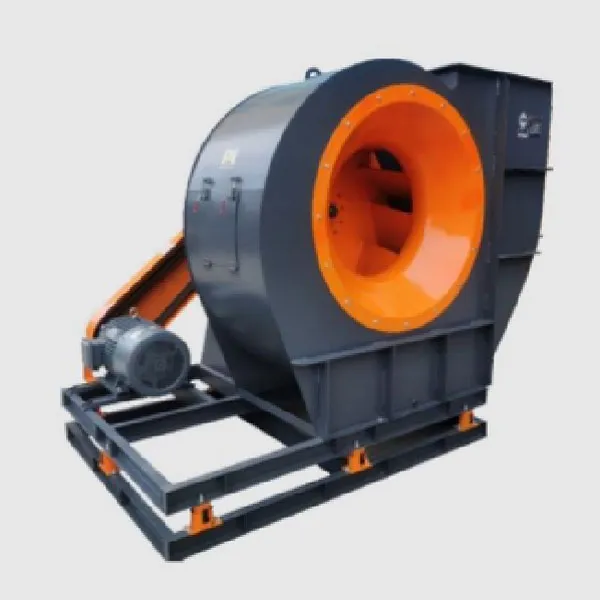
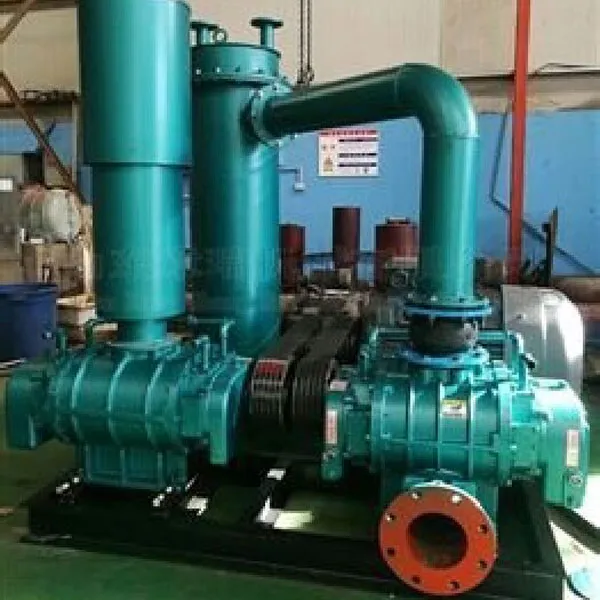
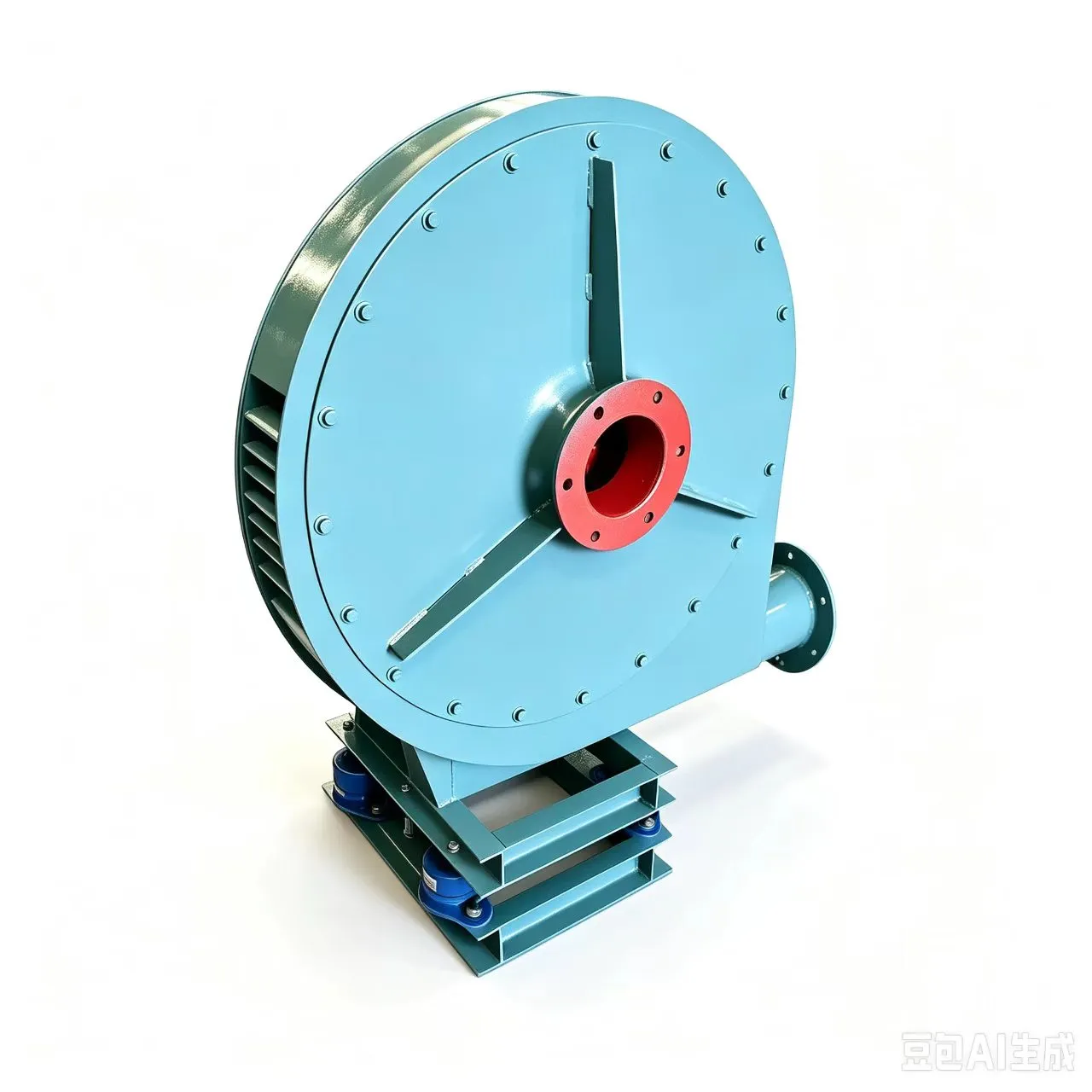
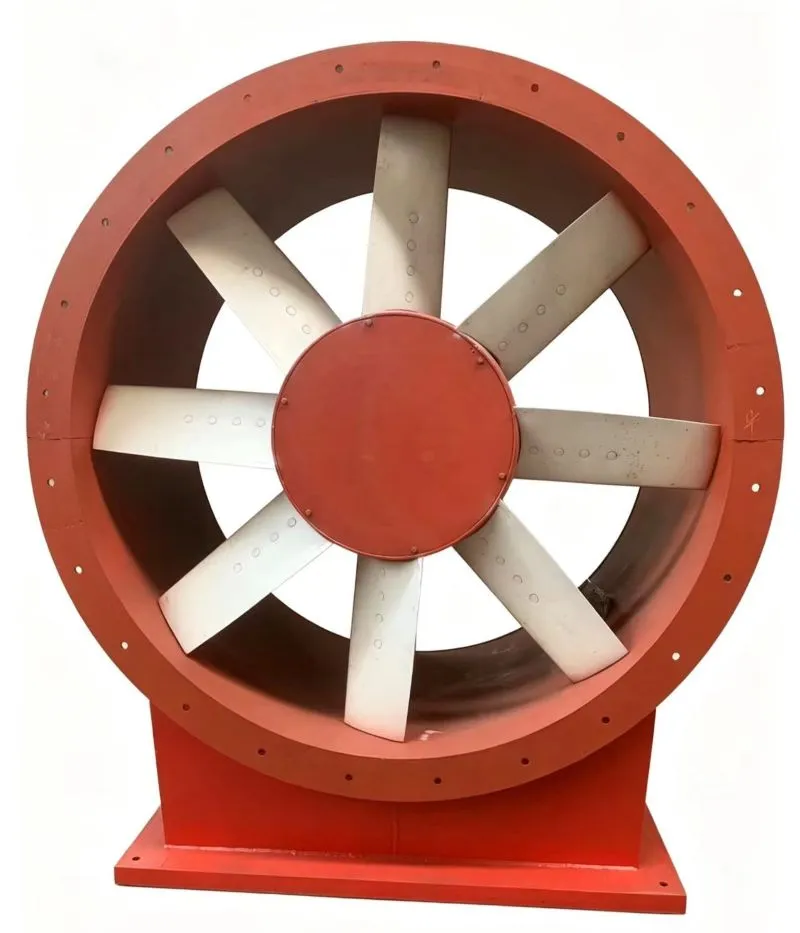
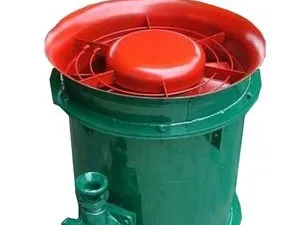
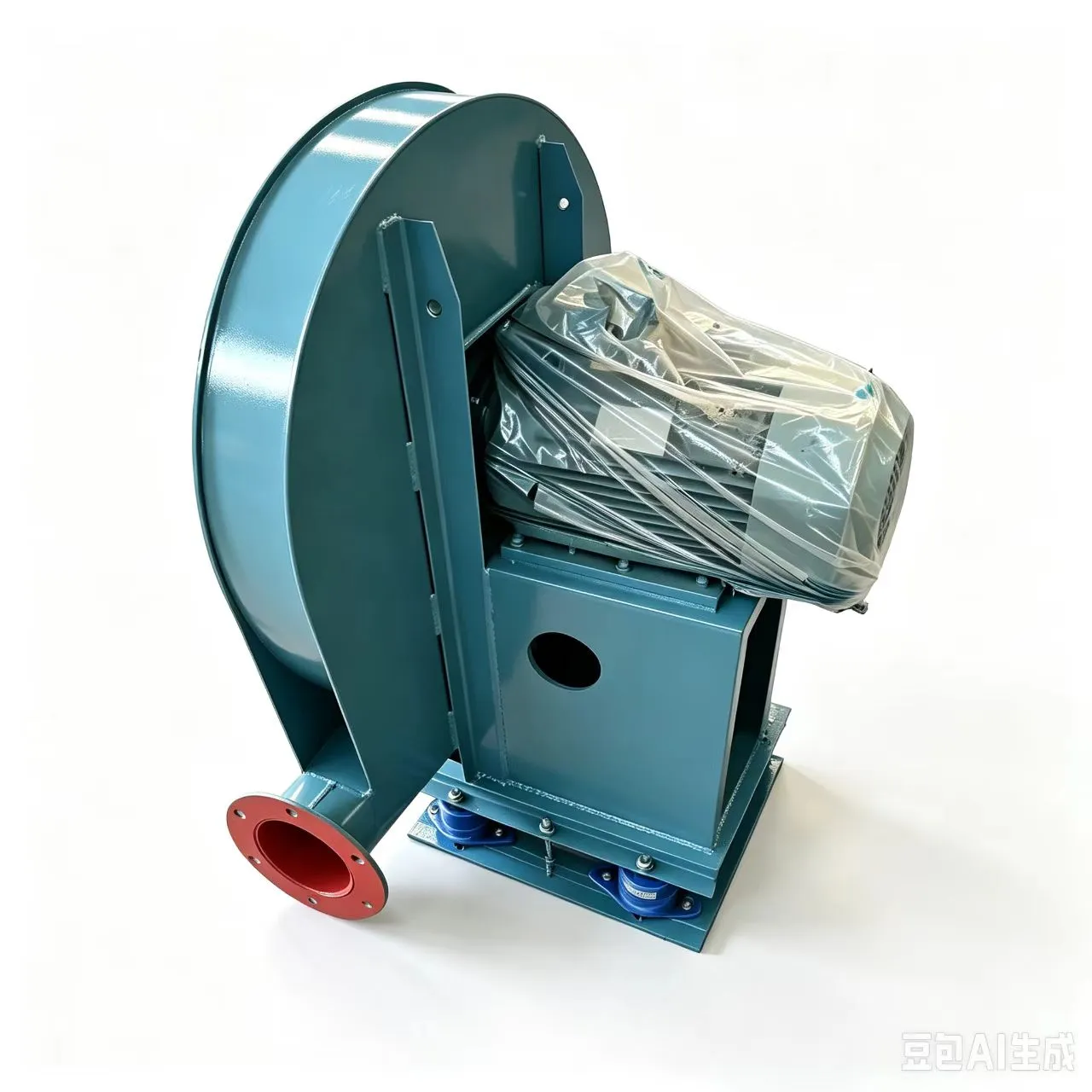
An inclined chute centrifugal fan is a specialized industrial ventilation unit designed with an angled discharge outlet, typically ranging from 15 to 90 degrees. This unique geometric configuration allows for direct integration into ductwork systems requiring directional airflow changes without the need for additional elbows or transition pieces. By minimizing turbulence and pressure loss at the discharge point, these fans offer superior energy efficiency and reduced noise levels compared to standard radial outlets. For B2B procurement, selecting a manufacturer capable of precise OEM customization ensures optimal performance in complex HVAC, mining, and material handling applications.
What Is an Inclined Chute Centrifugal Fan?
The term “inclined chute” refers to the specific shape of the fan’s volute casing exit. Unlike traditional centrifugal fans that expel air radially (perpendicular to the shaft) or axially, an inclined chute fan directs the airstream at a predetermined angle. This design is not merely aesthetic; it is an engineering solution to spatial constraints and aerodynamic efficiency requirements in industrial plants.
In standard centrifugal operations, air enters the impeller eye, accelerates due to centrifugal force, and exits the impeller blades at high velocity. In a conventional housing, this air hits the cutoff point and is directed out. However, in an inclined chute centrifugal fan, the housing is engineered to guide this high-velocity air smoothly into a sloped discharge channel. This reduces the abrupt change in airflow direction, thereby lowering static pressure resistance and improving the overall fan efficiency curve.
Key Structural Components
- Impeller: The rotating component that imparts kinetic energy to the air. Materials vary from carbon steel to stainless steel depending on corrosion resistance needs.
- Volute Casing: The spiral-shaped housing that converts kinetic energy into static pressure. The “chute” is an integrated part of this casing.
- Drive Assembly: Typically includes a motor, belt drive, or direct coupling, mounted on a rigid base frame to minimize vibration.
- Inlet Cone: Guides air smoothly into the impeller eye, reducing entry losses.
How Does an Inclined Chute Centrifugal Fan Work?
Understanding the working principle is crucial for proper application and maintenance. The operation follows fundamental fluid dynamics principles but with specific attention to the discharge geometry.
- Air Intake: Air is drawn into the center of the impeller through the inlet cone. The design of the inlet ensures laminar flow entry, preventing pre-swirl that could destabilize the impeller.
- Acceleration: As the impeller rotates, centrifugal force throws the air outward toward the tips of the blades. The air gains both velocity (kinetic energy) and pressure.
- Diffusion: The air moves into the volute casing. The expanding area of the volute slows down the air slightly, converting velocity pressure into static pressure.
- Directional Discharge: Instead of hitting a flat cutoff plate, the air flows into the inclined chute. The angle of the chute aligns with the natural trajectory of the exiting air stream. This alignment minimizes shock losses and turbulence.
- System Integration: The angled output connects directly to downstream ducting, allowing for compact installation in tight spaces where vertical or horizontal clearance is limited.
Advantages of Inclined Chute Design in Industrial Applications
Why choose an inclined chute design over a standard radial discharge? The benefits are primarily aerodynamic and spatial, leading to long-term operational savings.
1. Reduced Pressure Loss and Energy Consumption
Standard elbows added to radial discharge fans create significant turbulence. Each elbow can introduce a pressure drop equivalent to several meters of straight duct. An inclined chute fan eliminates the need for these external fittings. By integrating the turn into the fan housing, the system maintains higher static efficiency. For large-scale industrial operations running 24/7, even a 5% improvement in efficiency translates to substantial electricity cost reductions.
2. Compact Footprint and Space Optimization
In facilities such as underground mines, chemical plants, or retrofitting projects in older buildings, space is at a premium. The inclined discharge allows the fan to be positioned closer to walls or ceilings. It simplifies the ductwork layout, reducing the overall volume required for the ventilation system. This is particularly valuable in mining axial flow and centrifugal hybrid systems where tunnel dimensions are restrictive.
3. Lower Noise Levels
Turbulence is a primary source of aerodynamic noise. By smoothing the airflow transition from the impeller to the duct, the inclined chute design reduces broadband noise generation. This makes these fans suitable for environments with strict occupational health and safety regulations regarding noise exposure, such as textile mills and indoor manufacturing units.
4. Enhanced Structural Stability
The continuous welding and structural reinforcement required for the inclined chute often result in a more rigid casing. This rigidity helps dampen vibrations transmitted from the impeller, extending the lifespan of bearings and seals. At Zibo Hongcheng Fans, our production process emphasizes rigorous welding standards to ensure this structural integrity meets national quality benchmarks.
Technical Specifications and Performance Parameters
When sourcing an inclined chute centrifugal fan, engineers and procurement managers must evaluate specific technical parameters. These metrics determine whether the fan will meet the system’s airflow and pressure requirements.
| Parameter | Faʻamatalaga | Typical Range/Notes |
| Air Volume (Q) | The amount of air moved per unit of time. | Measured in m³/h or CFM. Ranges from small units (1,000 m³/h) to large industrial models (100,000+ m³/h). |
| Total Pressure (P) | The energy added to the air stream. | Measured in Pa or mmWG. Critical for overcoming system resistance. |
| Discharge Angle | The angle of the chute relative to the horizontal plane. | Common angles: 15°, 30°, 45°, 60°, 75°, 90°. Custom angles available via OEM. |
| Impeller Diameter | The size of the rotating wheel. | Determines the tip speed and capacity. Larger diameters generally offer higher efficiency at lower RPMs. |
| Motor Power | The electrical power required to drive the fan. | Must be selected with a safety factor (usually 1.1-1.2) to prevent overload during startup or peak load. |
| Efficiency (%) | The ratio of useful power output to electrical input. | High-efficiency models exceed 85%. Inclined designs often improve system efficiency by 3-5%. |
Material Selection and Corrosion Resistance
The operating environment dictates the material construction of the fan. Using the wrong material can lead to premature failure, especially in corrosive or high-temperature settings.
Carbon Steel (Q235/Q345)
Standard choice for general ventilation, HVAC, and clean air applications. It offers good structural strength and cost-effectiveness. Surface treatment such as painting or galvanizing is recommended for moderate humidity environments.
Stainless Steel (304/316L)
Essential for chemical plants, food processing, and marine environments. Stainless steel fans resist oxidation and chemical attack. Grade 316L is preferred for highly corrosive environments involving chlorides or acids. Zibo Hongcheng Fans specializes in fabricating these units with precise welding techniques to maintain the passive layer of the stainless steel.
FRP (Fiberglass Reinforced Plastic)
Ideal for extreme corrosion resistance in acid mist extraction or wastewater treatment. FRP is lightweight and non-conductive but has lower temperature limits compared to metal fans.
High-Temperature Alloys
For kilns, boilers, and metallurgy applications, fans may require heat-resistant steel or special coatings to withstand temperatures exceeding 200°C. The structural integrity of the inclined chute must be maintained under thermal expansion stresses.
Application Scenarios for Inclined Chute Fans
The versatility of the inclined chute design makes it suitable for a wide array of industries. Below are common use cases where this specific configuration provides distinct advantages.
Mining and Underground Ventilation
In coal mines and metallic ore extraction, ventilation systems must navigate narrow tunnels and sharp turns. Inclined chute fans can be mounted directly into angled duct sections, saving valuable space. They are often used in conjunction with mining axial flow fans to manage local airflow distribution. The robust construction handles dust-laden air effectively when equipped with appropriate impeller designs.
Chemical and Petrochemical Industries
Chemical plants require reliable exhaust systems for fume removal. The smooth airflow of inclined chute fans reduces the accumulation of particulate matter on the casing walls. When constructed from stainless steel or FRP, these fans resist the corrosive gases common in chemical processing, ensuring long-term reliability and safety compliance.
HVAC in Commercial and Industrial Buildings
In large commercial complexes, mechanical rooms are often cramped. The compact nature of inclined discharge fans allows for easier installation in tight plenums. Their lower noise profile contributes to a quieter building environment, meeting stringent acoustic standards for offices and hospitals.
Material Handling and Pneumatic Conveying
While primarily for air movement, these fans can be adapted for low-density pneumatic conveying systems. The angled discharge helps maintain the momentum of the air-material mixture, reducing the risk of blockages in the initial section of the conveyance line.
Manufacturer Spotlight: Zibo Hongcheng Fans
Selecting the right manufacturer is as critical as choosing the right fan specification. Zibo Hongcheng Fans stands out in the global market for its commitment to quality, customization, and engineering expertise.
Located within the Zibo Blower Industrial Park in Shandong Province, China, our facility spans 9,000 square meters. Established in 2020 by founders with over 20 years of deep industry experience, we have rapidly grown to employ more than 30 skilled staff members. Our focus is not just on mass production but on delivering precision-engineered solutions.
We offer more than 50 series and over 600 specifications of blowers. While our portfolio includes mining axial flow fans and standard centrifugal ventilators, our capability in producing customized inclined chute centrifugal fans is a key strength. We understand that off-the-shelf solutions rarely fit complex industrial needs perfectly. Therefore, we provide comprehensive OEM and wholesale services, tailoring each unit to the client’s specific pressure, volume, and dimensional requirements.
Our production process is supported by comprehensive equipment and a sound quality management system. Every fan undergoes strict testing to ensure all technical indicators meet national standards. Whether you need corrosion-resistant stainless steel models for a chemical plant or heavy-duty units for metallurgy, Zibo Hongcheng Fans delivers products that balance performance with durability.
How to Choose the Right Inclined Chute Centrifugal Fan
Procurement decisions should be based on a systematic evaluation of your system’s needs. Follow these steps to ensure optimal selection.
Step 1: Define System Requirements
Determine the required airflow (m³/h) and static pressure (Pa). Calculate the total system resistance, including ducts, filters, and dampers. Do not guess; use accurate calculations to avoid undersizing or oversizing the fan.
Step 2: Assess Environmental Conditions
Identify the temperature, humidity, and chemical composition of the air being handled. Will the fan handle clean air, dust, or corrosive fumes? This determines the material selection (carbon steel vs. stainless steel vs. FRP).
Step 3: Determine Spatial Constraints
Measure the available installation space. What is the required discharge angle to connect to your existing ductwork? An inclined chute fan can be customized to angles like 30°, 45°, or 60° to fit perfectly.
Step 4: Evaluate Drive Options
Choose between direct drive (compact, low maintenance) and belt drive (flexible speed adjustment). For variable operating conditions, a belt-driven system with a variable frequency drive (VFD) compatible motor may offer better control.
Step 5: Verify Manufacturer Capabilities
Ensure the supplier has the engineering capacity to customize the fan. Check for quality certifications and experience in your specific industry. Zibo Hongcheng Fans, for instance, leverages two decades of founder experience to provide tailored technical support.
Common Mistakes to Avoid in Fan Selection and Installation
- Ignoring System Effect: Failing to account for the resistance caused by nearby obstructions or poor inlet conditions can drastically reduce fan performance. Always allow sufficient straight duct length before the fan inlet.
- Incorrect Discharge Angle: Ordering a standard angle without verifying the ductwork alignment leads to costly field modifications. Always provide detailed CAD drawings to the manufacturer.
- Undersizing the Motor: Selecting a motor based solely on rated power without considering startup torque or potential system variations can lead to motor burnout. Include a safety margin.
- Neglecting Maintenance Access: Installing the fan in a way that blocks access to bearings and inspection doors makes routine maintenance difficult. Plan for serviceability during installation.
Maintenance Best Practices for Longevity
Proper maintenance ensures that your inclined chute centrifugal fan operates efficiently throughout its lifecycle.
Regular Inspection
Check for unusual vibrations or noises weekly. Vibrations can indicate imbalance in the impeller, misalignment, or bearing wear. Use vibration analysis tools for predictive maintenance in critical applications.
Bearing Lubrication
Follow the manufacturer’s guidelines for lubrication intervals. Over-lubrication can be as harmful as under-lubrication. Use the correct type of grease specified for the operating temperature.
Impeller Cleaning
Dust buildup on the impeller blades causes imbalance and reduces efficiency. Schedule regular cleaning, especially in dusty environments like mines or cement plants. Ensure the fan is locked out and tagged out before cleaning.
Belt Tension Check
For belt-driven units, check belt tension monthly. Loose belts slip, causing heat and wear. Tight belts put excessive load on bearings. Adjust as necessary to maintain optimal tension.
Frequently Asked Questions (FAQ)
What is the main advantage of an inclined chute centrifugal fan over a standard fan?
The primary advantage is aerodynamic efficiency and space savings. The inclined discharge reduces turbulence and pressure loss by eliminating the need for external elbows, allowing for a more compact and energy-efficient ventilation system.
Can Zibo Hongcheng Fans customize the discharge angle?
Yes. As an OEM manufacturer, Zibo Hongcheng Fans can customize the discharge angle to meet specific project requirements. Common angles include 15°, 30°, 45°, 60°, 75°, and 90°, but other angles can be engineered upon request.
What materials are available for corrosive environments?
For corrosive environments, we recommend stainless steel (304 or 316L) or Fiberglass Reinforced Plastic (FRP). These materials offer excellent resistance to chemicals, moisture, and oxidation, ensuring long-term durability.
How do I determine the right motor power for my fan?
Motor power is determined by the fan’s airflow, pressure, and efficiency at the operating point. It is crucial to add a safety factor (typically 10-20%) to account for system uncertainties. Our engineering team can assist in calculating the exact motor requirement based on your system data.
Do you provide after-sales support and spare parts?
Yes, Zibo Hongcheng Fans provides comprehensive after-sales support, including technical guidance, troubleshooting, and supply of spare parts such as bearings, belts, and impellers. Our goal is to ensure minimal downtime for our clients.
Conclusion: Partnering for Efficient Ventilation Solutions
Le inclined chute centrifugal fan represents a sophisticated solution for modern industrial ventilation challenges. Its ability to combine high efficiency with spatial flexibility makes it an ideal choice for mining, chemical, HVAC, and manufacturing sectors. By reducing energy consumption and noise while enhancing system reliability, this fan type offers a strong return on investment.
However, the performance of any fan is heavily dependent on the quality of its manufacturing and the precision of its customization. Zibo Hongcheng Fans brings together extensive industry experience, advanced production capabilities, and a customer-centric approach to deliver superior blower solutions. With over 600 specifications and a commitment to national quality standards, we are equipped to handle both standard wholesale orders and complex OEM projects.
Whether you are upgrading an existing system or designing a new facility, choosing the right partner is essential. We invite engineers, procurement managers, and business owners to contact us for detailed technical consultations, custom quotations, and sample evaluations.
Explore our full range of centrifugal and axial fans to find the perfect match for your industrial needs. Contact Zibo Hongcheng Fans today to discuss your specific requirements and discover how our tailored solutions can optimize your ventilation efficiency.