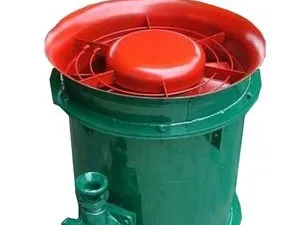
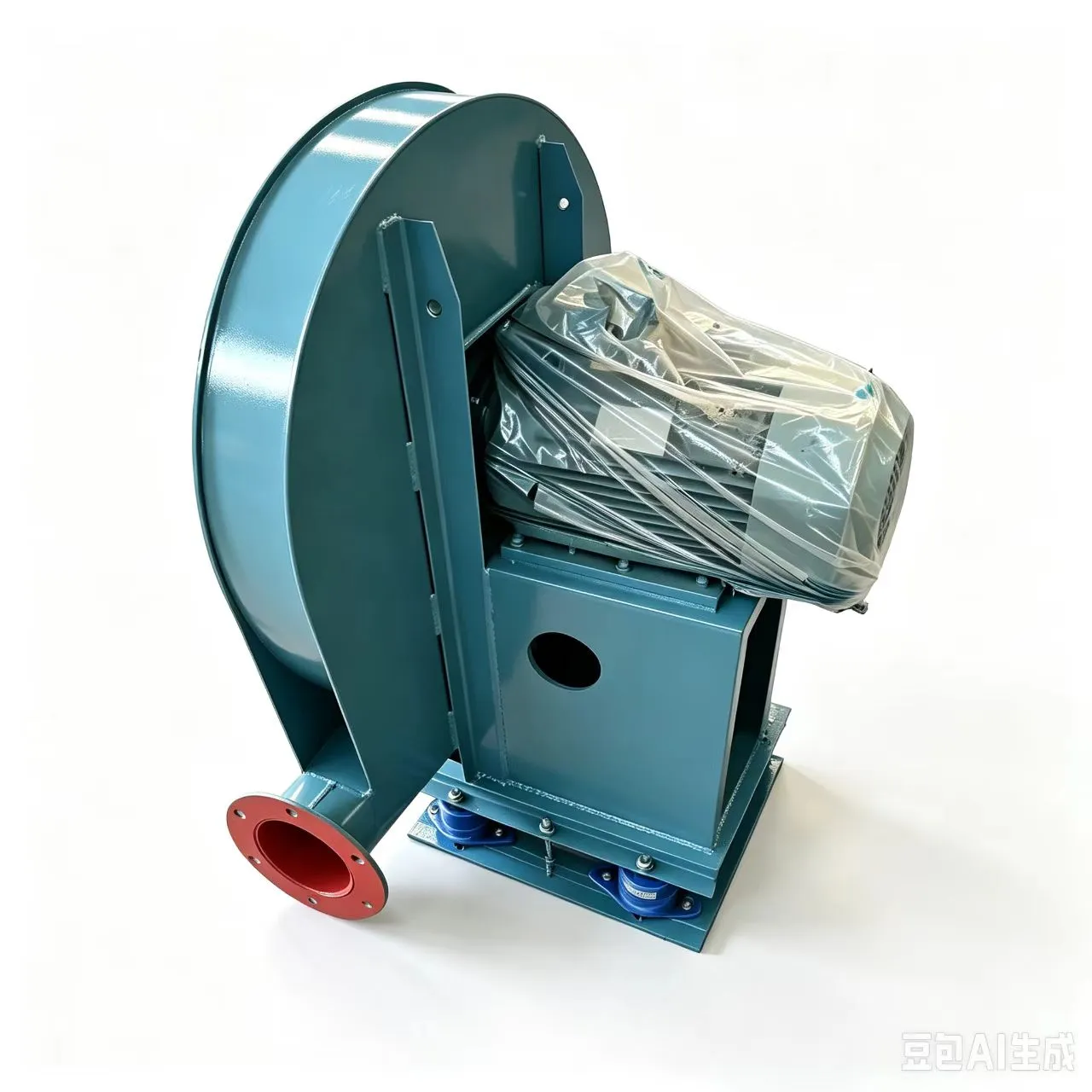
A low-noise dust removal fan is a specialized industrial ventilation system engineered to capture airborne particulates while minimizing acoustic pollution. By integrating advanced aerodynamic blade designs, sound-absorbing casing materials, and precision-balanced motors, these fans achieve high-efficiency filtration without the disruptive decibel levels typical of standard industrial blowers. This solution is critical for maintaining regulatory compliance in noise-sensitive environments such as urban manufacturing zones, indoor workshops, and facilities with strict occupational health standards.
Understanding Low-Noise Dust Removal Fans
Industrial dust collection is essential for safety and product quality, but traditional systems often generate excessive noise, leading to worker fatigue and regulatory violations. A low-noise dust removal fan addresses this dual challenge by optimizing airflow dynamics to reduce turbulence—the primary source of aerodynamic noise.
Unlike conventional fans that prioritize raw airflow volume at the expense of sound, low-noise variants utilize computational fluid dynamics (CFD) to smooth air entry and exit paths. This results in a quieter operation profile, typically reducing sound pressure levels by 10–15 dB(A) compared to standard models of similar capacity. For facility managers, this means achieving necessary air changes per hour (ACH) without compromising the workplace environment.
Core Components Influencing Noise Levels
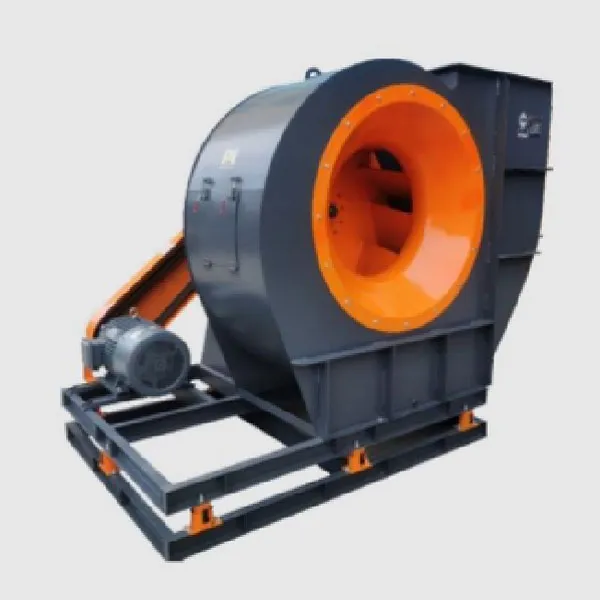
The acoustic performance of a dust removal fan depends on several engineering factors:
- Impeller Design: Backward-curved or airfoil blades reduce vortex shedding, a major noise generator.
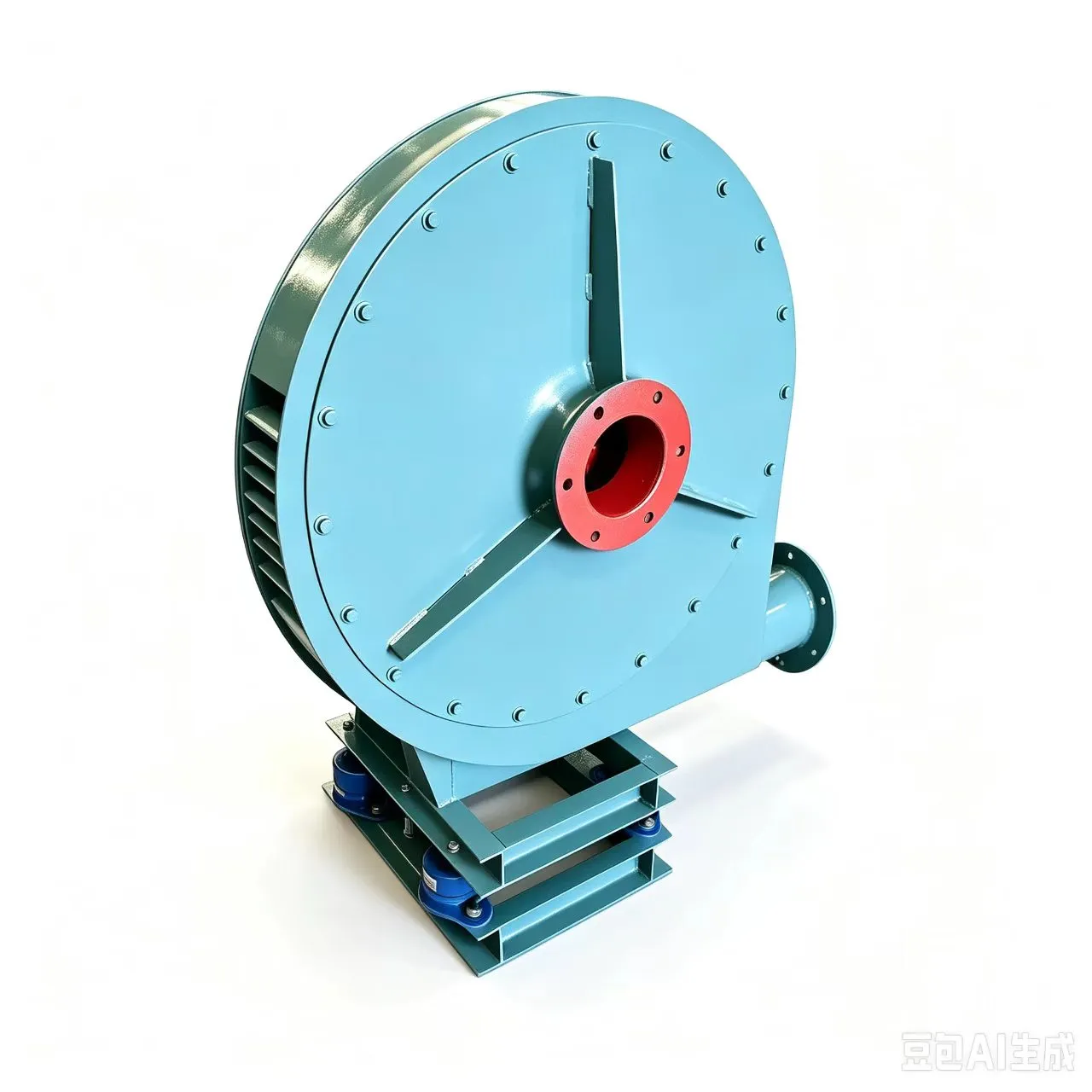
- Casing Construction: Double-skin casings with internal sound-dampening insulation absorb mechanical vibrations.
- Motor Mounting: Flexible couplings and isolated motor mounts prevent vibration transmission to the structure.
- Inlet/Outlet Geometry: Optimized cone shapes minimize airflow separation and turbulent noise.
Why Noise Control Matters in Industrial Dust Extraction
Noise pollution is not merely an annoyance; it is a significant occupational health hazard and a legal liability. Understanding the impact of noise helps justify the investment in specialized low-noise equipment.
Regulatory Compliance and Workplace Safety
Global occupational health standards, such as OSHA in the United States and similar directives in the EU and China, strictly limit employee exposure to high noise levels. Prolonged exposure to noise above 85 dB(A) can cause permanent hearing loss. Standard industrial dust collectors often operate between 90–100 dB(A), necessitating expensive personal protective equipment (PPE) and administrative controls. Low-noise fans, operating below 80–85 dB(A), help facilities remain compliant naturally, reducing the burden on safety protocols.
Operational Efficiency and Employee Productivity
High noise levels contribute to cognitive fatigue, reduced concentration, and increased error rates in precision manufacturing. By lowering ambient noise, low-noise dust removal fans create a calmer work environment. This leads to:
- Improved communication among staff.
- Higher retention rates due to better working conditions.
- Reduced absenteeism related to stress and fatigue.
Technical Mechanisms: How Low-Noise Fans Work
Achieving silence in high-volume air movement requires a holistic engineering approach. It is not about muffling the sound after it is created, but preventing its generation at the source.
Aerodynamic Optimization
Turbulence is the enemy of quiet operation. When air hits a blade at an incorrect angle or separates from the surface, it creates eddies and vortices that manifest as noise. Low-noise fans use blades with specific curvature profiles designed to maintain laminar flow. The number of blades is also optimized; increasing the blade count can sometimes raise the frequency of the noise to a less intrusive range, even if the total energy remains similar.
Vibration Damping and Structural Integrity
Mechanical noise arises from imbalances in the rotating assembly. High-precision dynamic balancing of the impeller ensures smooth rotation even at high RPMs. Furthermore, the fan casing acts as a resonance chamber if not properly dampened. Manufacturers use constrained layer damping (CLD) techniques, where viscoelastic materials are sandwiched between metal layers, to dissipate vibrational energy as heat rather than sound.
Key Features of High-Performance Low-Noise Dust Fans
When evaluating solutions for your facility, look for these definitive features that distinguish premium low-noise models from standard units.
| Feature | Standard Dust Fan | Low-Noise Dust Removal Fan |
| Blade Profile | Flat or simple curved | Airfoil or backward-inclined with CFD optimization |
| Casing Material | Single-layer steel | Double-layer with acoustic insulation foam |
| Motor Connection | Direct rigid coupling | Flexible coupling or belt drive with isolation |
| Noise Level | 90–100+ dB(A) | 75–85 dB(A) (depending on size/speed) |
| Balance Grade | G6.3 or lower | G2.5 or higher (ISO 1940 standard) |
Applications Across Industries
Low-noise dust removal fans are versatile and serve critical roles in sectors where both air quality and acoustic comfort are priorities.
Woodworking and Furniture Manufacturing
Sawdust and fine wood particles require efficient extraction to prevent fire hazards and respiratory issues. However, woodworking shops often operate in mixed-use industrial parks where noise complaints are common. Low-noise fans allow these facilities to run high-capacity dust collection systems during extended shifts without disturbing neighboring businesses.
Pharmaceutical and Food Processing
In these industries, hygiene and precision are paramount. Stainless steel low-noise fans are used to handle powder ingredients while maintaining strict cleanliness standards. The quiet operation is crucial in laboratories and packaging areas where worker concentration affects quality control.
Textile and Garment Production
Textile mills generate significant lint and fiber dust. Traditional extraction systems are notoriously loud, contributing to a harsh work environment. Upgrading to low-noise centrifugal ventilators improves the ambient conditions for seamstresses and machine operators, enhancing overall productivity.
Mining and Metallurgy
While mining environments are inherently noisy, controlling dust extraction noise is vital for underground ventilation systems and surface processing plants located near residential areas. Corrosion-resistant and robust low-noise fans ensure long-term reliability in harsh conditions.
Zibo Hongcheng Fans: Engineering Quiet Efficiency
Selecting the right manufacturer is as critical as choosing the right technology. Zibo Hongcheng Fans stands out as a specialized provider of high-performance industrial ventilation solutions. Located within the Zibo Blower Industrial Park in Zibo City, Shandong Province, China, the company leverages its strategic position in a major manufacturing hub to deliver superior engineering.
Established in 2020 by founders with over 20 years of deep experience in the blower industry, Zibo Hongcheng Fans combines decades of practical knowledge with modern manufacturing capabilities. The facility covers 9,000 square meters and employs over 30 skilled staff members dedicated to precision production. Unlike generic suppliers, Zibo Hongcheng focuses on specialized applications, offering more than 50 series and over 600 specifications and models of blowers.
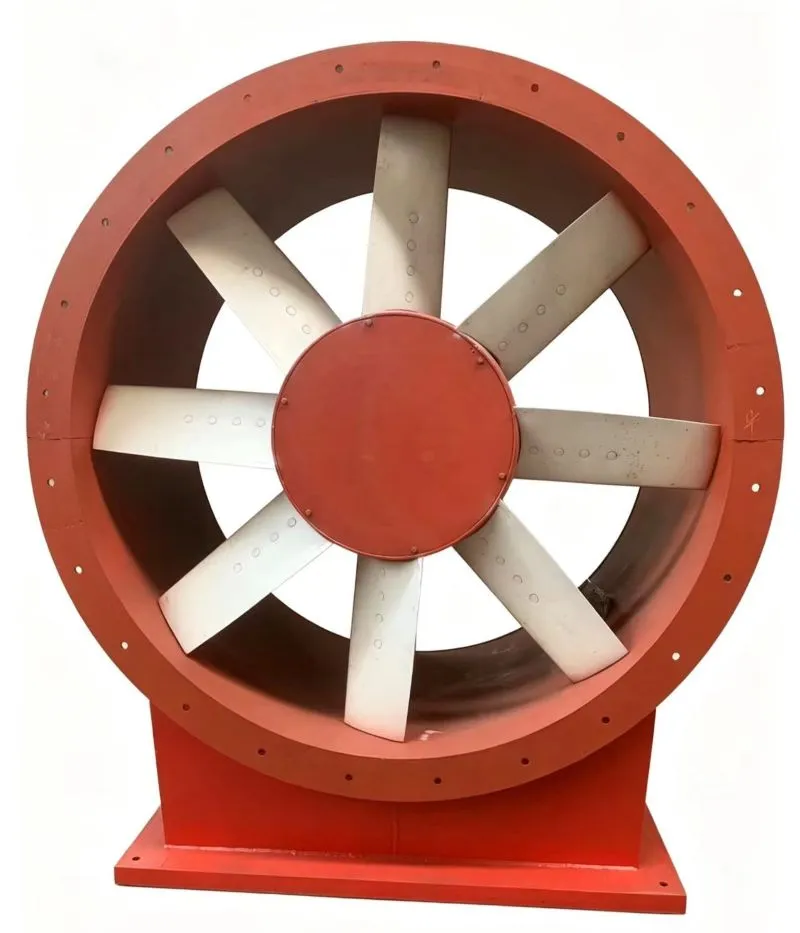
Their product lineup includes mining axial flow fans, centrifugal ventilators, stainless steel fans, and corrosion-resistant fans—all of which can be engineered for low-noise performance. These products are widely deployed in mines, coal mines, oil fields, chemical plants, kilns, metallurgy, boilers, textiles, and building materials sectors. The company’s commitment to quality is evident in its comprehensive supporting equipment and complete production processes. With a sound quality management system, every product undergoes strict control to ensure all technical indicators meet national standards. Furthermore, Zibo Hongcheng Fans offers customized production, allowing clients to tailor fan specifications to their unique spatial and acoustic constraints.
How to Choose the Right Low-Noise Dust Removal Fan
Selecting the optimal fan requires balancing airflow requirements, static pressure, and noise limits. Follow this structured approach to make an informed decision.
Step 1: Determine Airflow and Pressure Requirements
Calculate the required Cubic Meters per Hour (CMH) or Cubic Feet per Minute (CFM) based on the volume of the space and the number of air changes needed. Simultaneously, assess the static pressure required to overcome resistance from ducts, filters, and hoods. Undersizing the fan will lead to inefficiency, while oversizing can increase noise unnecessarily.
Step 2: Identify Noise Constraints
Define the maximum allowable noise level at the operator’s position. Consider the background noise of the facility. If the existing ambient noise is 75 dB(A), a fan emitting 80 dB(A) may be acceptable. However, in a quiet office-adjacent workshop, you may need a unit operating below 70 dB(A).
Step 3: Evaluate Material Compatibility
The nature of the dust determines the material choice. For corrosive chemicals, stainless steel or FRP (Fiberglass Reinforced Plastic) is essential. For abrasive materials like sand or metal grit, wear-resistant coatings are necessary. Zibo Hongcheng Fans provides corrosion-resistant and stainless steel options specifically designed for these challenging environments.
Step 4: Consider Installation and Maintenance
Ensure the selected fan fits within the available space and allows for easy access for maintenance. Belt-driven fans offer flexibility in speed adjustment but require more maintenance than direct-drive units. Check if the manufacturer provides custom mounting solutions.
Common Mistakes in Dust Collection System Design
Even the best fan can perform poorly if integrated incorrectly. Avoid these common pitfalls:
- Ignoring Duct Design: Poorly designed ductwork with sharp turns increases static pressure and turbulence, forcing the fan to work harder and louder.
- Neglecting Filter Maintenance: Clogged filters increase resistance, causing the fan to operate off its best efficiency point (BEP), leading to increased noise and energy consumption.
- Incorrect Fan Sizing: Choosing a fan based solely on price rather than performance curves often results in inadequate suction or excessive noise.
- Lack of Vibration Isolation: Failing to install vibration dampers between the fan and the building structure can transmit noise through walls and floors.
Maintenance Tips for Sustained Low-Noise Performance
To ensure your low-noise dust removal fan continues to operate quietly and efficiently, regular maintenance is essential.
- Regular Cleaning: Accumulated dust on impeller blades causes imbalance, leading to vibration and noise. Clean blades according to the manufacturer’s schedule.
- Bearing Inspection: Lubricate bearings regularly and check for signs of wear. Worn bearings are a common source of mechanical whine.
- Belt Tension Check: For belt-driven units, ensure proper tension. Loose belts slip and squeal; overly tight belts strain bearings.
- Insulation Integrity: Periodically inspect the acoustic insulation in the casing to ensure it has not degraded or become dislodged.
Frequently Asked Questions (FAQ)
What is the typical noise reduction achieved by low-noise fans?
Depending on the design and operating conditions, low-noise fans can reduce sound pressure levels by 10–15 dB(A) compared to standard industrial fans. This represents a significant perceived reduction in loudness, as a 10 dB decrease is roughly perceived as halving the noise volume.
Can existing dust collection systems be retrofitted with low-noise fans?
Yes, in many cases. If the existing ductwork and housing are compatible, the fan unit itself can be replaced. However, it is crucial to verify that the new fan’s performance curve matches the system’s resistance. Consulting with a manufacturer like Zibo Hongcheng Fans for a custom assessment is recommended.
Do low-noise fans sacrifice airflow performance?
No. Modern low-noise fans are designed to maintain high efficiency. Through aerodynamic optimization, they achieve the required airflow and pressure with less energy waste, often resulting in lower operational costs alongside reduced noise.
What industries benefit most from low-noise dust removal fans?
Industries operating in urban areas, near residential zones, or within multi-tenant industrial parks benefit most. Additionally, sectors with high precision requirements, such as pharmaceuticals, electronics, and food processing, value the improved workplace environment.
How does Zibo Hongcheng Fans ensure product quality?
Zibo Hongcheng Fans adheres to strict national standards and employs a comprehensive quality management system. With founders possessing 20 years of industry experience, the company utilizes advanced production equipment and rigorous testing protocols to ensure every fan meets specified technical indicators before shipment.
Conclusion: Investing in Quiet, Efficient Air Quality
A low-noise dust removal fan is more than just a piece of equipment; it is a strategic investment in regulatory compliance, employee well-being, and operational efficiency. By reducing acoustic pollution while maintaining high-performance dust extraction, these fans enable industries to operate sustainably and responsibly.
For businesses seeking reliable, high-quality ventilation solutions, partnering with an experienced manufacturer is key. Zibo Hongcheng Fans offers a diverse range of over 600 models, including specialized low-noise, corrosion-resistant, and stainless steel options. With a foundation built on two decades of expertise and a commitment to customized service, they provide tailored solutions for mines, chemical plants, textiles, and more.
Whether you are designing a new facility or upgrading an existing system, ensuring your dust collection system operates quietly and efficiently is essential for long-term success.
Ready to optimize your industrial ventilation? Contact our engineering team to discuss your specific airflow and noise requirements. Explore our full range of customized blower solutions and discover how Zibo Hongcheng Fans can support your operational goals.
View Related Products and Technical Solutions