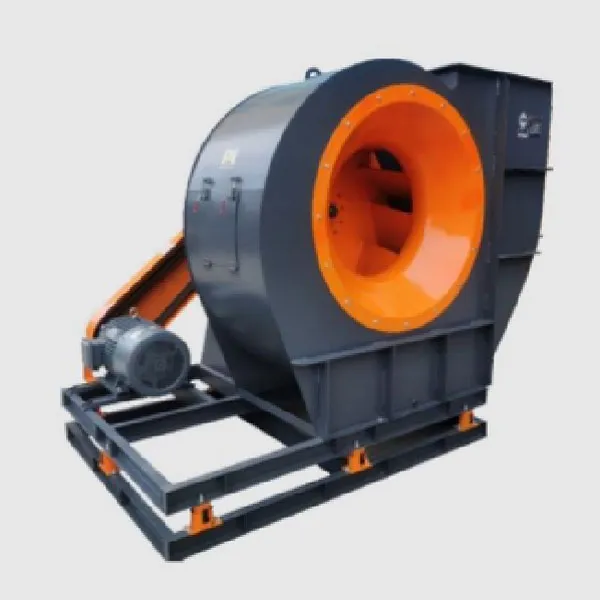
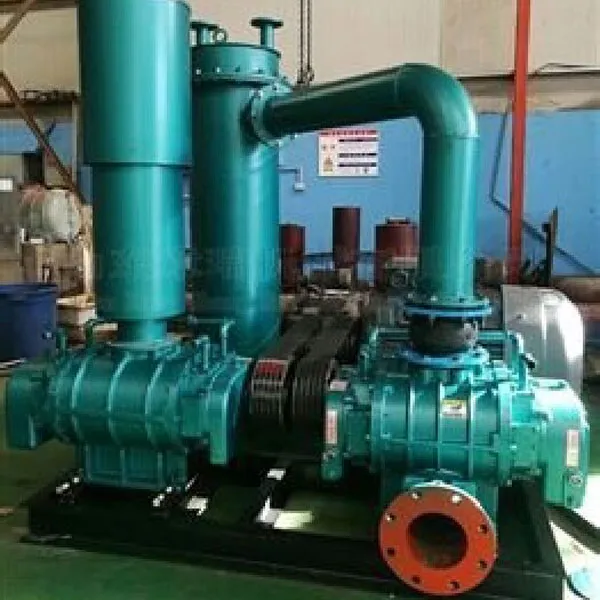
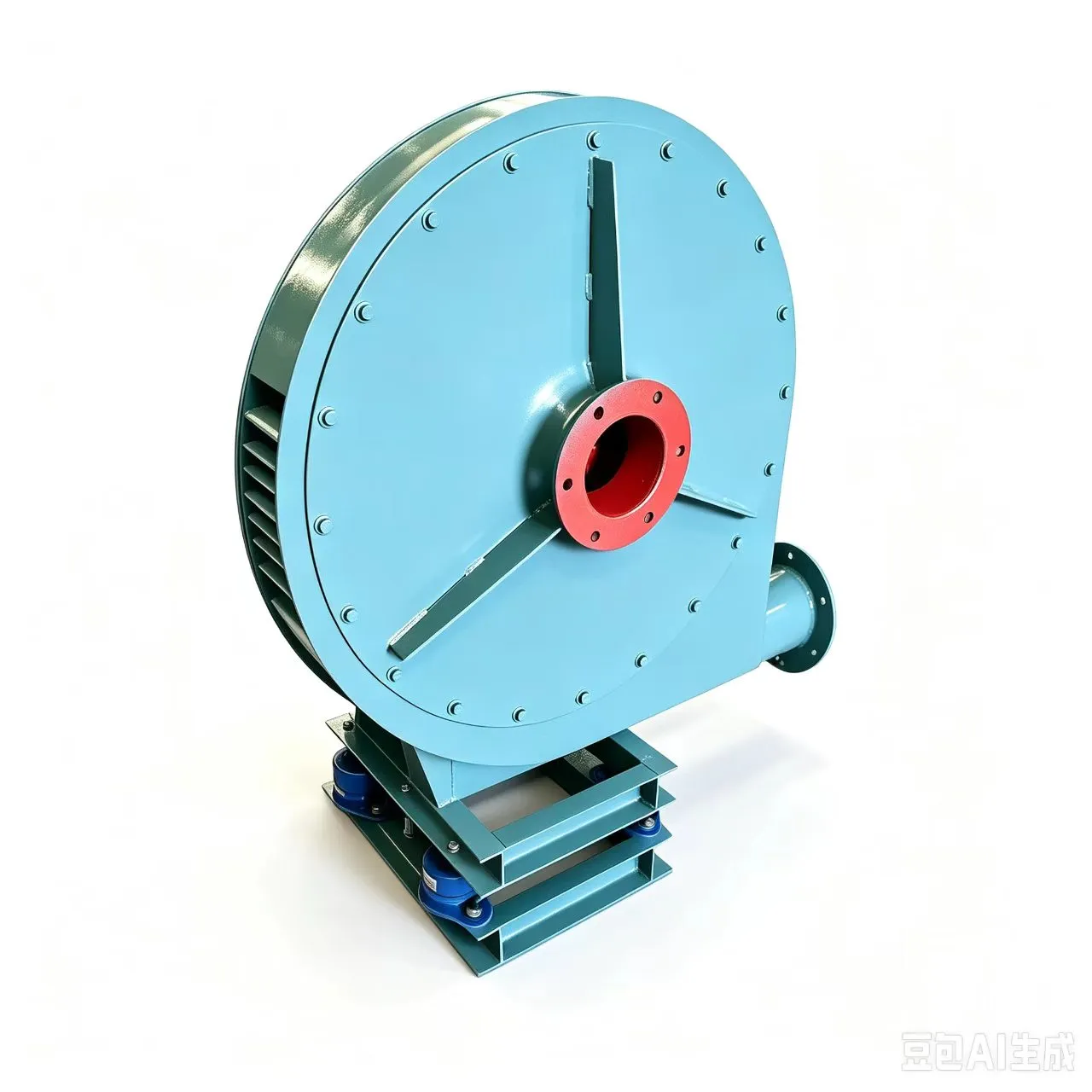
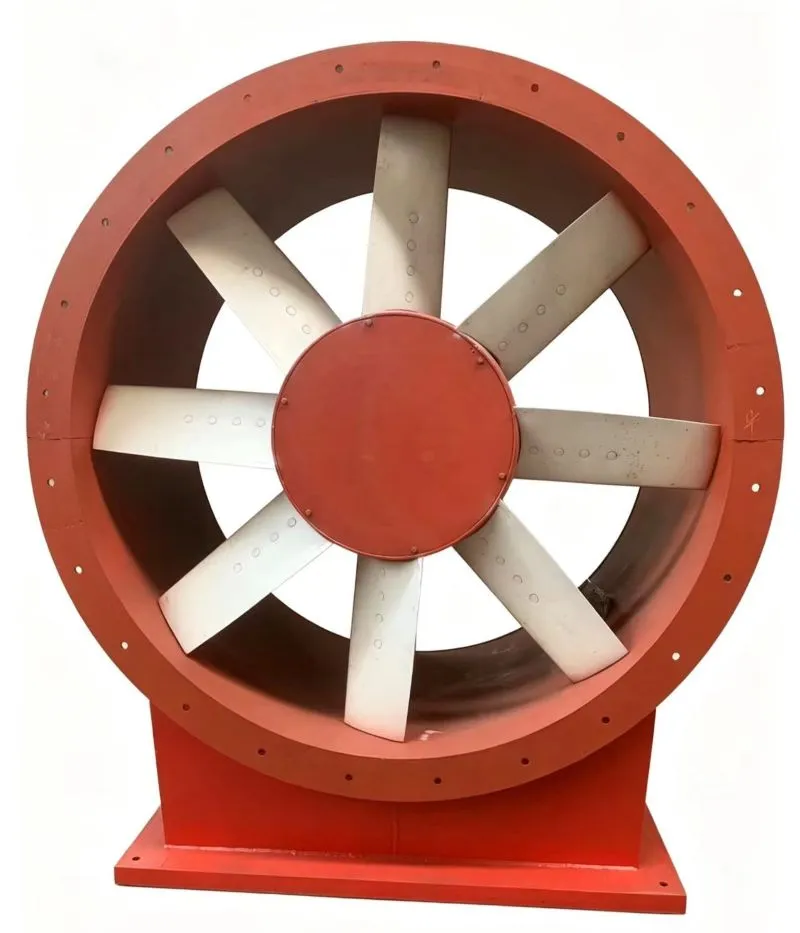
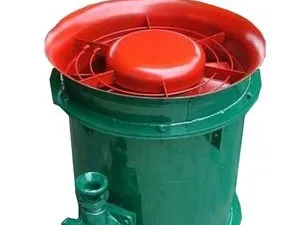
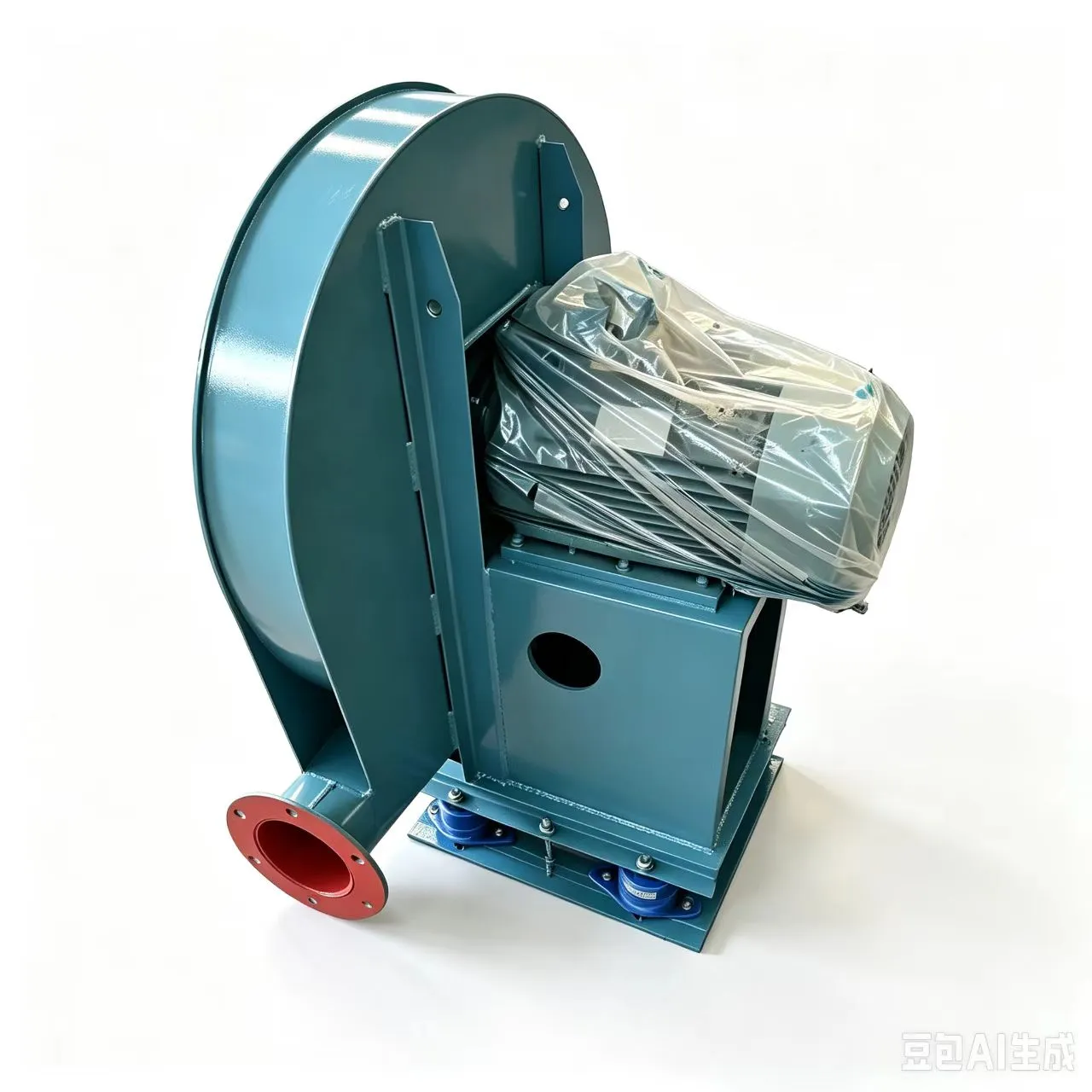
A Tele-tulaga centirifagoul fan is a high-pressure industrial air movement device that utilizes multiple impellers arranged in series to progressively increase static pressure. Unlike single-stage units, these fans achieve significantly higher pressure ratios by accelerating air through sequential rotating wheels, making them essential for applications requiring dense air transport or resistance against high system backpressure. For engineering projects demanding reliability and customized performance, partnering with an experienced manufacturer like Zibo Hongcheng Fans ensures access to precision-engineered solutions tailored to specific operational environments.
What Is a Multi-Stage Centrifugal Fan and How Does It Work?
Understanding the fundamental mechanics of multi-stage centrifugal fans is critical for proper system design. These units are distinct from standard blowers due to their ability to generate substantial static pressure without compromising airflow volume excessively.
The Principle of Series Impeller Compression
In a multi-stage configuration, air enters the first impeller where it gains kinetic energy. Instead of exiting directly into the atmosphere or ductwork, this high-velocity air is directed into a diffuser and then channeled into the inlet of the second impeller. This process repeats across each stage.
- Stage 1: Initial acceleration and moderate pressure rise.
- Intermediate Stages: Further compression and velocity increase.
- Final Stage: Maximum pressure generation before discharge.
This serial arrangement allows the fan to overcome significant resistance in complex duct networks, filtration systems, or pneumatic conveying lines. The cumulative effect of multiple impellers results in a total pressure output that is roughly the sum of the pressure generated by each individual stage, assuming optimal aerodynamic matching.
Key Components Driving Efficiency
The performance of a multi-stage centrifugal fan relies on the precise interaction of several core components. Engineers focus on minimizing energy loss at each transition point.
- Impellers: Typically backward-curved or airfoil-shaped to maximize efficiency and reduce noise. Material selection ranges from carbon steel to stainless steel for corrosion resistance.
- Diffusers: Stationary vanes that convert kinetic energy (velocity) into static pressure. Proper diffuser geometry is vital to prevent flow separation and turbulence.
- Casing: A robust housing that contains the pressure and directs airflow between stages. Leak-proof sealing is essential to maintain volumetric efficiency.
- Shaft and Bearings: High-precision shafts supported by heavy-duty bearings to withstand radial and axial loads generated by high-speed rotation.
Why Choose Multi-Stage Over Single-Stage Fans?
Selecting the right fan architecture depends on the specific pressure and flow requirements of your application. While single-stage fans are suitable for low-resistance environments, multi-stage units offer distinct advantages for demanding industrial processes.
Performance Comparison Table
| Feature | Single-Stage Centrifugal Fan | Multi-Stage Centrifugal Fan |
| Static Pressure Capability | Low to Medium (up to ~5 kPa) | High to Very High (5 kPa to 50+ kPa) |
| Airflow Volume | High | Moderate to High (depending on design) |
| System Resistance Handling | Limited; struggles with clogged filters or long ducts | Excellent; maintains flow under high backpressure |
| Footprint | Compact for low pressure | Longer axial length due to multiple stages |
| Energy Efficiency at High Pressure | Low; requires excessive speed or size | High; optimized aerodynamic staging |
| Typical Applications | HVAC, general ventilation | Pneumatic conveying, combustion air, gas boosting |
Advantages in Industrial Applications
The primary benefit of multi-stage technology is its ability to maintain stable airflow even when system resistance fluctuates. In industries like cement production or chemical processing, filter bags can become loaded with dust, increasing backpressure. A single-stage fan would see a dramatic drop in airflow, potentially halting production. A multi-stage fan, however, compensates for this resistance, ensuring consistent process integrity.
Furthermore, these fans often operate at lower rotational speeds compared to single-stage units attempting to achieve the same pressure. This results in reduced wear on bearings and seals, extending maintenance intervals and overall equipment lifespan.
Core Industries and Application Scenarios
Multi-stage centrifugal fans are versatile workhorses in heavy industry. Their design allows them to handle various gases, including clean air, corrosive fumes, and particulate-laden streams, depending on material construction.
1. Pneumatic Conveying Systems
In power plants and manufacturing facilities, materials such as fly ash, cement, grain, and plastic pellets are transported through pipelines using air. This process requires high static pressure to push or pull materials over long distances and vertical lifts. Multi-stage fans provide the consistent pressure needed to keep materials suspended in the airstream, preventing blockages and ensuring efficient transfer.
2. Combustion Air Supply for Boilers and Kilns
Industrial boilers and rotary kilns require a precise supply of oxygen for efficient combustion. The burners often create significant backpressure. Multi-stage fans deliver high-pressure air directly into the combustion chamber, ensuring complete fuel burn and optimizing thermal efficiency. This is critical in metallurgy and glass manufacturing, where temperature control is paramount.
3. Chemical and Petrochemical Processing
Chemical plants often require the movement of process gases under pressure. When dealing with corrosive substances, manufacturers like Zibo Hongcheng Fans utilize stainless steel or specialized coatings to protect the impellers and casing. The multi-stage design allows for the compression of gases for reaction processes or vapor recovery systems, adhering to strict safety and leak-prevention standards.
4. Mining and Ventilation
Underground mining operations require robust ventilation systems to remove hazardous gases and provide fresh air to workers. The long duct runs and rough terrain create high resistance. Multi-stage axial and centrifugal solutions are deployed to ensure adequate airflow reaches the deepest sections of the mine, maintaining safety compliance.
Technical Selection Guide: Choosing the Right Fan
Selecting a multi-stage centrifugal fan is not a one-size-fits-all process. Incorrect sizing can lead to energy waste, premature failure, or inadequate performance. Engineers must consider several critical parameters.
Key Parameters for Specification
- Required Static Pressure: Determine the maximum resistance the fan must overcome, including duct losses, filter drops, and equipment backpressure. Always include a safety margin of 10-15%.
- Airflow Volume (CFM/m³/h): Calculate the volume of air needed for the process. Ensure the fan curve intersects the system curve at the desired operating point.
- Gas Properties: Consider temperature, density, humidity, and corrosiveness. High temperatures may require heat-resistant alloys or cooling jackets. Corrosive gases demand stainless steel (e.g., 304 or 316L) or FRP materials.
- Altitude and Ambient Conditions: Air density decreases with altitude. Fans installed at high elevations must be derated or upsized to compensate for lower air density.
Common Selection Mistakes to Avoid
One frequent error is oversizing the fan “just to be safe.” An oversized fan operates far from its best efficiency point (BEP), leading to unstable airflow, increased noise, and higher energy consumption. Conversely, undersizing leads to motor overload and inability to meet process requirements.
Another mistake is ignoring the system effect. The inlet and outlet conditions of the fan installation can significantly impact performance. Poorly designed ductwork connections can cause turbulence and pressure loss, negating the fan’s capabilities. Proper engineering support, such as that provided by experienced manufacturers, helps mitigate these risks.
Zibo Hongcheng Fans: Expertise in Custom Blower Solutions
When sourcing high-performance multi-stage centrifugal fans, the manufacturer’s capability and experience are as important as the product specifications. Zibo Hongcheng Fans stands out as a dedicated partner for industrial air movement solutions, combining modern manufacturing with deep industry knowledge.
Established Expertise and Infrastructure
Located in the heart of the Zibo Blower Industrial Park in Shandong Province, China, Zibo Hongcheng Fans leverages a strategic ecosystem of supply chain and technical talent. Established in 2020 by founders with over 20 years of hands-on experience in the blower industry, the company was built on a foundation of practical engineering knowledge rather than just commercial intent.
The facility spans 9,000 square meters and employs a skilled team of over 30 staff members, including engineers, technicians, and quality control specialists. This scale allows for agile production while maintaining rigorous quality standards. The company offers more than 50 series and over 600 specifications and models, ensuring that nearly any industrial airflow challenge can be met with a standardized or customized solution.
Product Range and Quality Assurance
While specializing in multi-stage centrifugal fans, Zibo Hongcheng Fans also produces mining axial flow fans, stainless steel fans, and corrosion-resistant ventilators. This diverse portfolio reflects a comprehensive understanding of harsh industrial environments. Products are widely used in mines, coal mines, oil fields, chemical plants, kilns, metallurgy, boilers, textiles, and building materials sectors.
Quality is non-negotiable. The company is equipped with comprehensive supporting equipment and complete production processes, adhering to a sound quality management system. Every fan undergoes strict testing to ensure all technical indicators meet national standards. From raw material inspection to final dynamic balancing and performance testing, each step is monitored to guarantee reliability.
Customization for Specific Needs
Standard products do not always fit unique industrial constraints. Zibo Hongcheng Fans excels in customized production. Whether you need a fan with specific material coatings for acid resistance, a unique mounting configuration for space-constrained installations, or adjusted performance curves for variable frequency drive (VFD) integration, the engineering team works closely with clients to deliver tailored solutions. This flexibility is a key advantage for B2B buyers seeking OEM partnerships.
Maintenance and Operational Best Practices
To maximize the lifespan and efficiency of multi-stage centrifugal fans, regular maintenance is essential. Preventive care reduces downtime and avoids costly repairs.
Routine Inspection Checklist
- Vibration Monitoring: Excessive vibration indicates imbalance, misalignment, or bearing wear. Use vibration analysis tools to detect early signs of mechanical issues.
- Bearing Lubrication: Follow the manufacturer’s guidelines for lubrication intervals and grease types. Over-lubrication can be as harmful as under-lubrication.
- Impeller Cleaning: Accumulation of dust or debris on impeller blades causes imbalance and reduces efficiency. Schedule regular cleaning based on the cleanliness of the process air.
- Belt and Coupling Inspection: Check belt tension and alignment regularly. For direct-drive units, inspect coupling condition and alignment.
- Seal Integrity: Inspect shaft seals for leaks. Air leaks reduce performance and can allow contaminants into the bearing housing.
Troubleshooting Common Issues
If a fan fails to deliver expected pressure, check for inlet blockages, dirty filters, or reverse rotation. Unusual noise may stem from loose components, rubbing impellers, or bearing failure. Addressing these issues promptly prevents secondary damage and ensures continuous operation.
Frequently Asked Questions (FAQ)
What is the maximum pressure a multi-stage centrifugal fan can generate?
The maximum pressure depends on the number of stages, impeller diameter, and rotational speed. Typically, these fans can generate static pressures ranging from 5 kPa to over 50 kPa. Custom designs can achieve even higher pressures for specialized applications.
Can multi-stage fans handle high-temperature gases?
Yes, but they require specific design modifications. High-temperature applications necessitate heat-resistant materials for impellers and shafts, as well as cooling systems for bearings and seals. It is crucial to specify the operating temperature when requesting a quote.
How does altitude affect fan performance?
At higher altitudes, air density is lower. Since fans are constant volume devices, they will move the same volume of air, but the mass flow rate and pressure generated will decrease. Fans installed at high altitudes must be selected with corrected performance curves to ensure they meet the required mass flow and pressure needs.
Is it possible to adjust the airflow of a multi-stage fan?
Yes, airflow can be adjusted using inlet dampers, outlet dampers, or variable frequency drives (VFDs). VFDs are the most energy-efficient method, as they adjust the motor speed to match the required airflow, reducing power consumption significantly at partial loads.
Why is Zibo Hongcheng Fans a reliable supplier for OEM projects?
With founders possessing 20 years of industry experience, a 9,000 sqm manufacturing facility, and a commitment to national quality standards, Zibo Hongcheng Fans offers both technical expertise and production capacity. Their ability to customize over 600 models for diverse industries like mining, chemical, and metallurgy makes them a trusted partner for global OEM requirements.
Conclusion: Securing Efficient Airflow for Your Industry
Multi-stage centrifugal fans are indispensable for industries requiring high-pressure air movement with reliability and efficiency. Whether for pneumatic conveying, combustion support, or process gas handling, the right fan design ensures operational continuity and energy savings. Understanding the technical nuances—from impeller staging to material selection—is vital for making an informed procurement decision.
For businesses seeking a manufacturer that combines deep engineering experience with flexible customization, Zibo Hongcheng Fans provides a compelling solution. With a robust product range, strict quality control, and a customer-centric approach to OEM services, they are well-equipped to support complex industrial projects. Do not compromise on airflow performance; choose a partner who understands the physics of pressure and the demands of your industry.
Ready to optimize your industrial ventilation system? Contact our engineering team today to discuss your specific pressure and flow requirements. Let us help you select the perfect multi-stage centrifugal fan for your application.