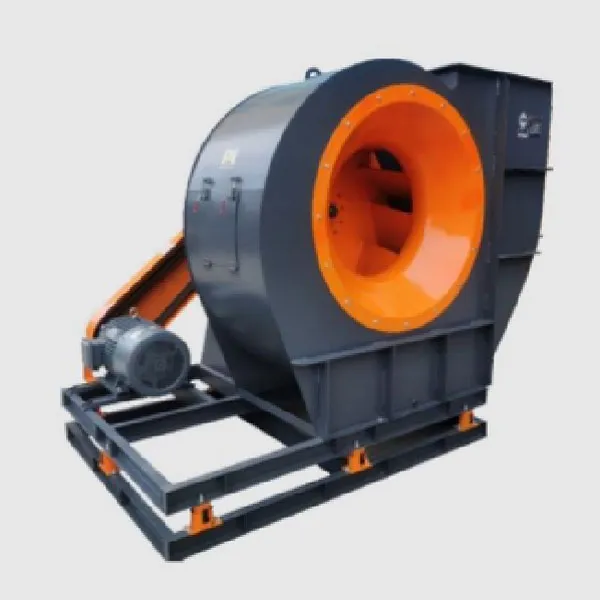
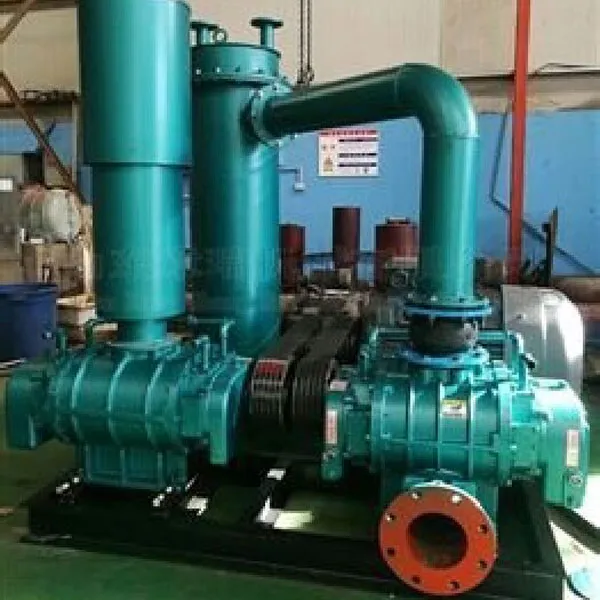
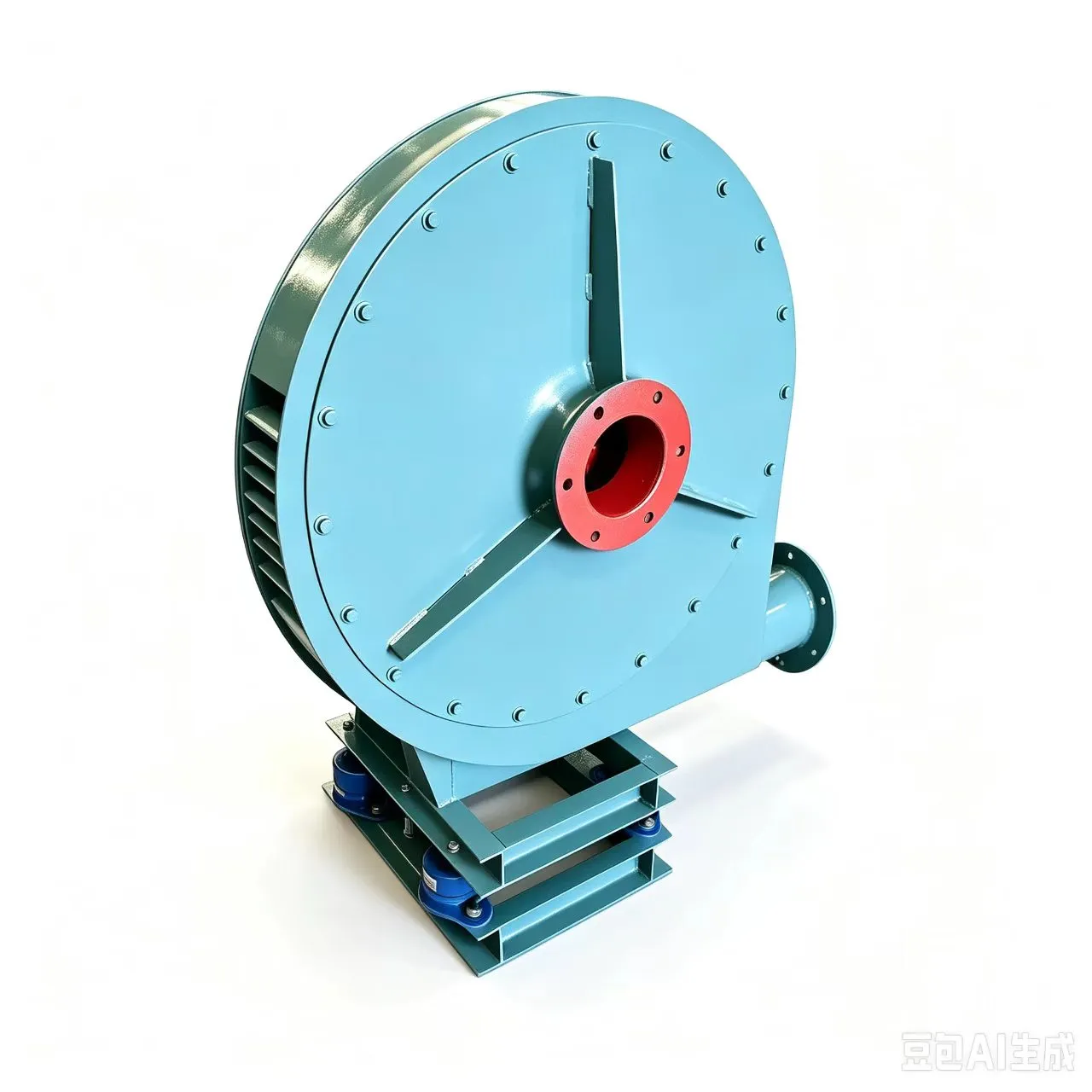
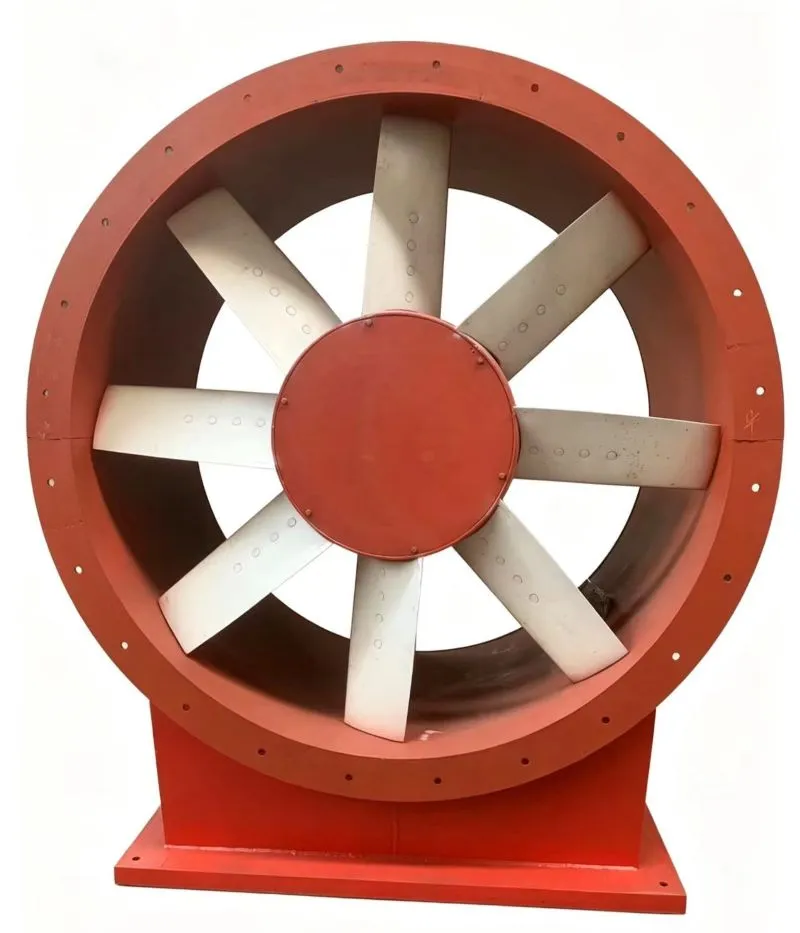
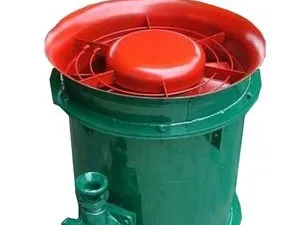
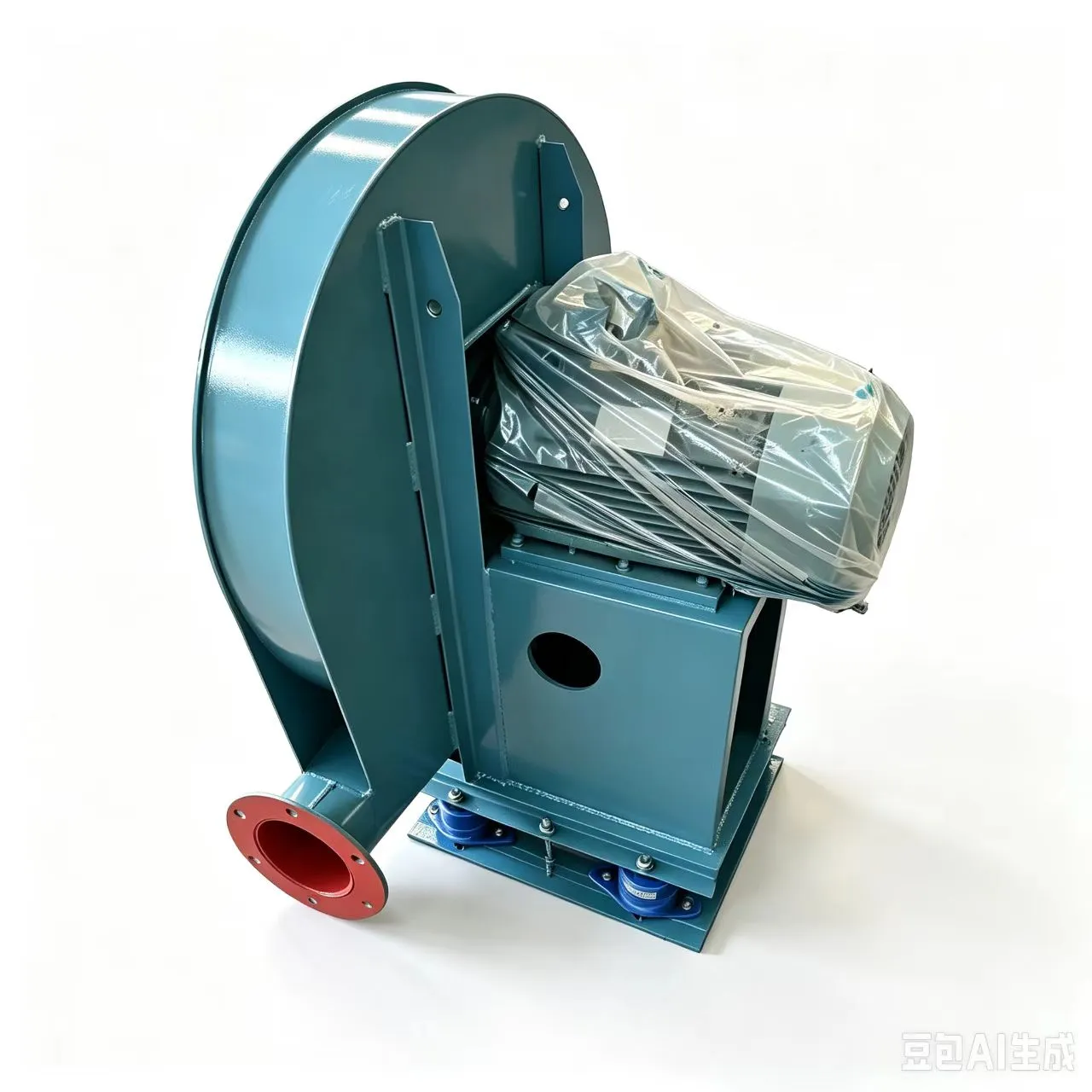
Choosing the right Fluxu aro-fan industriala isn’t about picking the loudest or largest unit. It’s about matching airflow, pressure, and environmental resilience to your process—not overspending on over-engineered specs, and not under-specifying and facing downtime, overheating, or safety failure. We’ve seen it too often: a mining ventilation system stall because static pressure was miscalculated by 12%; a chemical plant replace three fans in 18 months due to corrosion ignored in selection; a boiler house lose 8% combustion efficiency after installing an axial fan with mismatched blade pitch and duct velocity.
Start with the System—Not the Fan
Industrial axial flow fans move air parallel to the shaft. That simplicity hides complexity. Their performance collapses fast when installed without regard for inlet turbulence, outlet resistance, or ambient conditions. Before you compare RPM or motor kW, answer these five field-verified questions:
- What is the actual static pressure requirement? Not catalog “free air” curves—measure total system resistance with dampers closed, elbows accounted for, filters loaded, and ducts at design flow. A 500 Pa spec on paper often becomes 720 Pa in operation.
- What is the minimum continuous airflow—and at what temperature, humidity, and particulate load? Axial fans drop 30–40% capacity above 60°C unless blades and bearings are rated for it. In coal handling, 20 g/m³ dust loading demands sealed bearings and abrasion-resistant coatings—not standard paint.
- Is explosion risk present? In coal mines, solvent recovery units, or grain silos, “explosion-proof” isn’t optional—it’s non-negotiable. Certification must match zone classification (e.g., Ex dⅠ for methane-rich underground zones), not just motor housing labeling.
- How will maintenance access impact uptime? A fan that saves $1,200 upfront but requires full duct disassembly for bearing replacement costs $18,000/year in labor and lost production.
- What defines “failure” in your application? Is it vibration >4.5 mm/s RMS? Is it 5% airflow drop at 12 months? Is it inability to restart after 48 hours of standby? Define the metric before selecting.
Don’t Trust Catalog Curves Alone
We tested 14 industrial axial flow fans side-by-side in a calibrated test chamber. All met nominal airflow at zero static pressure—but only 3 delivered ≥92% of rated flow at 400 Pa static. Why? Two reasons: poor inlet flow conditioning and uncorrected motor slip at partial load. Real-world installations rarely have straight, clean inlet runs. If your fan sits directly behind a 90° elbow or inside a cramped plenum, expect 15–25% lower performance than published curves suggest. Always apply a 20% derating factor unless you’ve modeled inlet flow or installed a certified inlet cone.
Also watch blade tip clearance. A 2 mm gap on a 1,200 mm diameter fan cuts efficiency by up to 7%. Precision-machined hubs and laser-aligned rotors aren’t luxuries—they’re how Zibo Hongcheng Fan Co., Ltd. maintains ±1.5% airflow consistency across FBD series counter-rotating models, even after 10,000 operating hours.
Material and Build Quality Decide Lifespan—Not Just Price
A $2,800 fan built with galvanized steel housings, standard carbon-steel blades, and IP54 motors lasts 2–3 years in coastal chemical exhaust. The same airflow from a $4,100 unit with titanium alloy blades, epoxy-coated casings, and IP68 explosion-proof motors exceeds 12 years there. Corrosion doesn’t announce itself—it starts as pitting invisible to the eye, then accelerates exponentially once chloride ions breach the substrate.
Dynamic balancing matters equally. Unbalanced rotors cause bearing fatigue, frame resonance, and premature seal failure. At Zibo Hongcheng Fan Co., Ltd., every axial fan rotor undergoes dual-plane balancing to G2.5 grade per ISO 1940—verified with live vibration testing at 110% max speed. That’s why their 9-19-based axial variants hold steady at 0.28 mm/s RMS vibration even after 5 years in rotary kiln cooling lines.
Customization Isn’t a Luxury—It’s Risk Mitigation
Some might argue: “Standard fans are cheaper and faster.” But when your tunnel ventilation requires reverse rotation on demand, your desulfurization scrubber needs 100% corrosion resistance at 85°C wet-bulb, or your metallurgical furnace exhaust carries 350°C particulates—you don’t adapt the process to the fan. You specify the fan to the process.
Zibo Hongcheng Fan Co., Ltd. builds custom Fluxu aro-fan industriala solutions within 4–6 weeks—not months—because machining, balancing, and testing happen under one roof. They’ve delivered FBD series fans with dual-voltage windings (380V/660V), integrated thermal sensors with Modbus RTU output, and explosion-proof housings rated for Zone 1 and Zone 21 simultaneously—all without extending lead time or compromising QA documentation.
Final Check: Ask Your Supplier These Three Questions
Before finalizing any Fluxu aro-fan industriala purchase, ask:
- “Can you provide third-party test reports—signed and stamped—for this exact model, at my specified static pressure and flow?”
- “What is your documented mean time between failures (MTBF) for this configuration in applications matching mine?”
- “Do you offer on-site commissioning support—including airflow traverse verification and vibration baseline recording?”
If the answer is vague, delayed, or “we’ll check,” walk away. Reliable airflow isn’t sold—it’s engineered, verified, and supported. At its core, optimal efficiency means zero compromise on safety, no hidden lifecycle cost, and no surprise during startup. That’s not marketing. That’s how fans run for 15 years in a coal mine ventilation shaft—and still pass inspection.