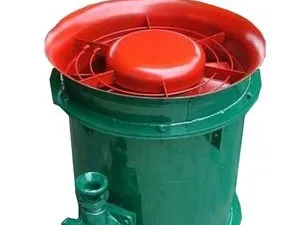
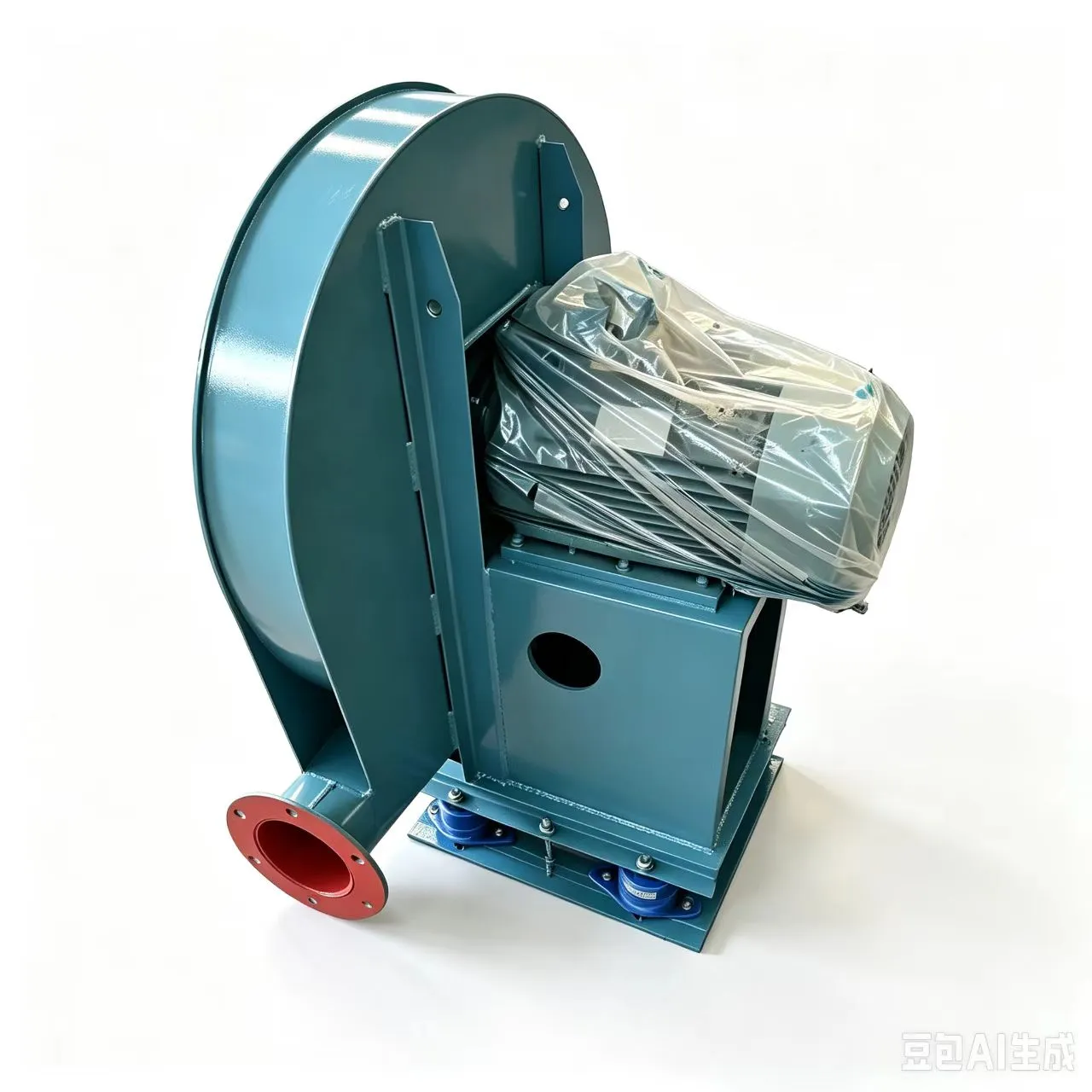
A Metalezko meatzezko haizagailua is a specialized industrial airflow system designed to ensure safety and operational efficiency in underground mining environments. Its primary function is to exhaust hazardous gases, control dust levels, and regulate temperature by providing continuous fresh air circulation. For procurement managers and engineering leads, selecting the right manufacturer involves evaluating aerodynamic efficiency, structural durability against corrosion, and compliance with international safety standards. Zibo Hongcheng Fans delivers OEM solutions directly from the factory, offering customized axial and centrifugal models that meet rigorous mining specifications while maintaining competitive pricing.
What Is a Metal Mine Ventilator and Why Is It Critical?
In deep underground operations, particularly in metal mines such as gold, copper, iron, and zinc, the environment presents unique challenges compared to coal mining. While methane explosion risks may be lower, the accumulation of toxic heavy metal dust, radon gas, and heat from geological depth creates significant health and safety hazards. A metal mine ventilator serves as the respiratory system of the mine, ensuring that air quality remains within permissible exposure limits (PELs) for workers.
Unlike standard industrial fans, these units must operate continuously under high static pressure conditions. They are engineered to handle abrasive particulates and corrosive elements often found in metallic ore deposits. The failure of a main ventilation system can lead to immediate work stoppages, regulatory fines, and severe safety incidents. Therefore, the reliability of the fan hardware and the precision of its aerodynamic design are non-negotiable factors in mine planning.
Core Functions in Underground Operations
- Dilution of Harmful Gases: Effective removal of blasting fumes, diesel exhaust from heavy machinery, and naturally occurring radioactive gases like radon.
- Dust Control: Maintaining adequate air velocity to capture and transport respirable silica and metal dust away from working faces to filtration systems.
- Thermal Regulation: Mitigating geothermal heat buildup in deep shafts to prevent heat stress among personnel and overheating of equipment.
- Emergency Smoke Extraction: Providing reversible airflow capabilities to clear smoke rapidly in the event of an underground fire.
Types of Ventilators Used in Metal Mining
Selecting the correct type of ventilator depends on the mine’s depth, layout, and airflow resistance characteristics. Generally, two primary categories dominate the sector: axial flow fans and centrifugal ventilators. Each offers distinct advantages depending on whether the application requires high volume at low pressure or lower volume at high pressure.
Axial Flow Fans for High-Volume Airflow
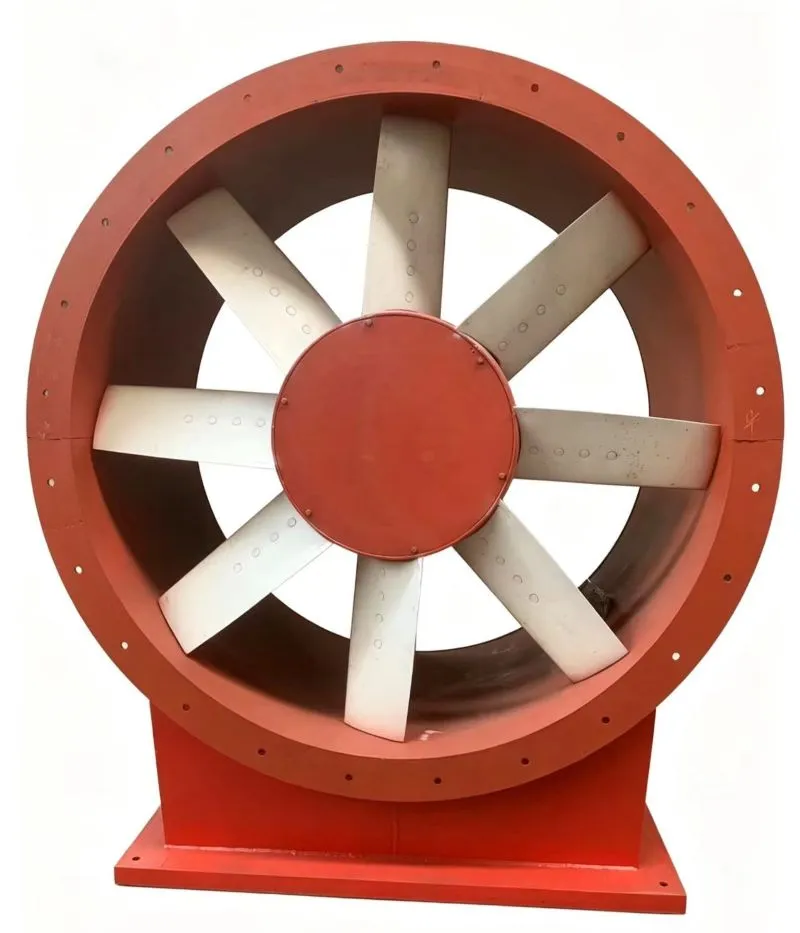
Axial flow fans are the most common choice for main mine ventilation due to their ability to move large volumes of air efficiently. In these units, air enters and exits parallel to the axis of rotation. Modern mining axial fans often feature adjustable pitch blades, allowing operators to modify performance curves without stopping the fan. This adaptability is crucial as mine depths increase and resistance changes over the lifecycle of the operation.
Zibo Hongcheng Fans specializes in high-efficiency mining axial flow fans designed for these demanding conditions. With over 50 series and 600 specifications available, our engineering team can configure blade angles and motor powers to match specific mine resistance profiles. These fans are typically installed in surface stations or dedicated underground chambers, providing the bulk airflow required for large-scale extraction projects.
Centrifugal Ventilators for High-Pressure Applications
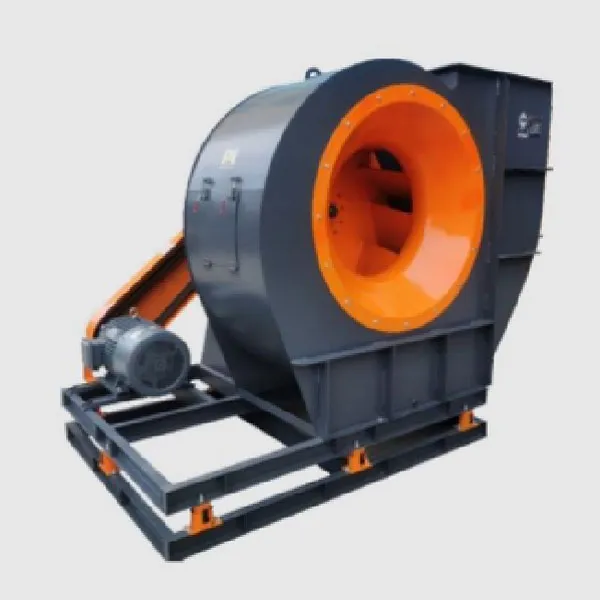
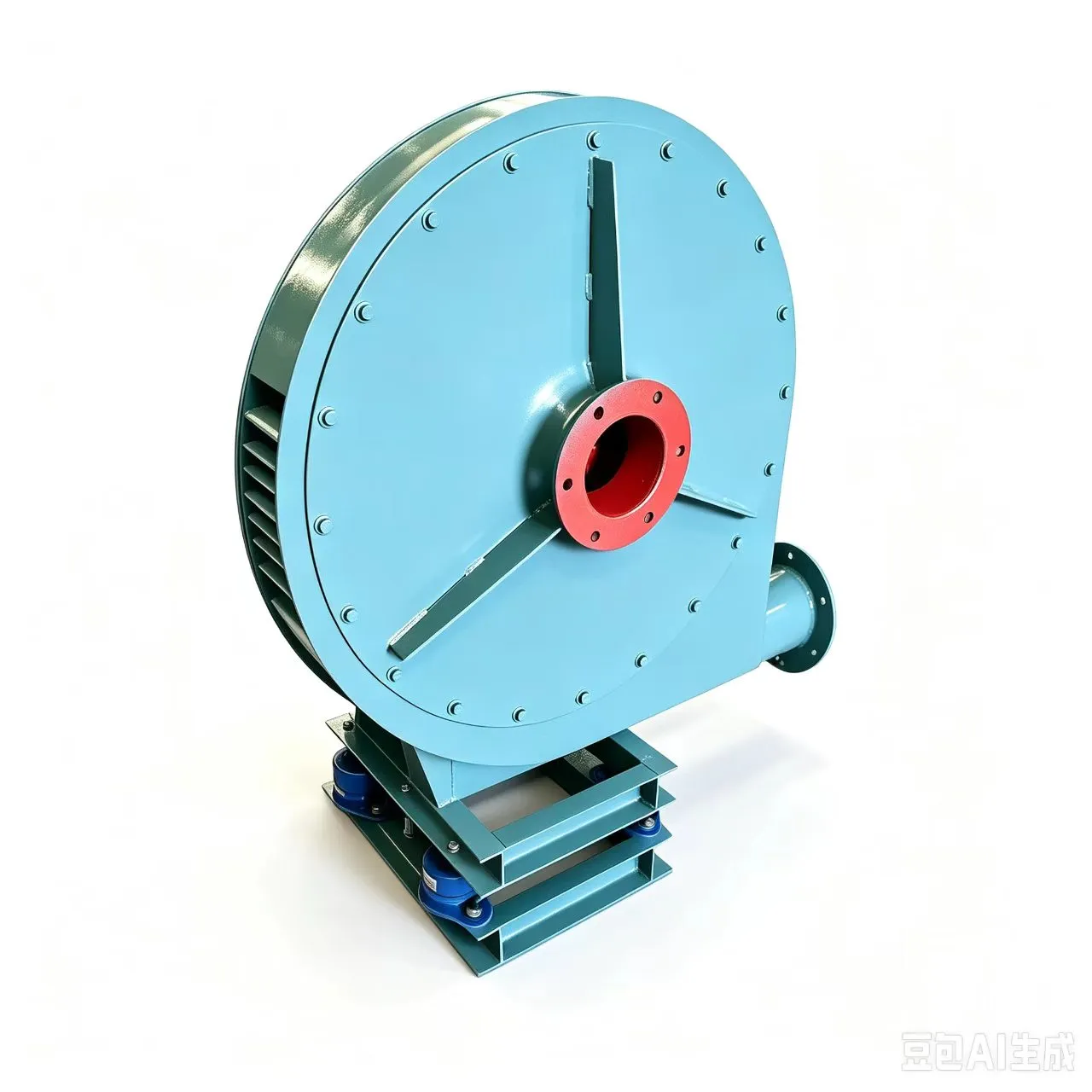
Centrifugal fans, also known as radial fans, accelerate air radially using a rotating impeller. They are ideal for applications requiring higher static pressure to overcome significant resistance, such as long duct runs or complex ventilation networks with multiple branches. While generally larger and heavier than axial counterparts, centrifugal ventilators offer stable performance even when system resistance fluctuates unexpectedly.
These units are particularly effective in auxiliary ventilation roles or in mines with intricate tunnel structures where pressure loss is substantial. The robust construction of centrifugal housings allows them to withstand harsh environmental conditions, making them a reliable choice for long-term infrastructure investments.
Key Technical Parameters for Selection
When sourcing a metal mine ventilator, technical specifications must align precisely with the mine’s ventilation network analysis. Incorrect sizing can lead to energy waste, insufficient airflow, or premature equipment failure. Below are the critical parameters that define performance and suitability.
| Parameter | Deskribapen | Impact on Performance |
| Air Volume (Q) | Measured in cubic meters per second (m³/s) or CFM. | Determines the capacity to dilute contaminants. Undersizing leads to poor air quality; oversizing wastes energy. |
| Static Pressure (Ps) | Measured in Pascals (Pa) or inches of water gauge. | Represents the resistance the fan must overcome. Deep mines require higher pressure capabilities. |
| Efficiency (%) | The ratio of air power output to electrical power input. | Higher efficiency reduces operational costs. Modern standards demand efficiencies above 80-85% for main fans. |
| Motor Power | Measured in kilowatts (kW). | Must match the peak load requirements with a safety margin to prevent overheating during startup or high-resistance events. |
| Noise Level | Measured in decibels (dB). | Critical for worker safety. Silencers or acoustic housing may be required to meet occupational health regulations. |
Material Durability and Corrosion Resistance
Metal mines present a corrosive environment due to humidity, acidic water runoff, and chemical reactions from exposed ore bodies. Standard carbon steel components may degrade rapidly, leading to imbalance, vibration, and eventual structural failure. Therefore, material selection is a pivotal aspect of ventilator longevity.
At Zibo Hongcheng Fans, we prioritize durability by offering stainless steel fans and corrosion-resistant coatings tailored to specific mine conditions. Our production processes include advanced surface treatments that protect impellers and casings from oxidative damage. For highly aggressive environments, such as those involving sulfide ores, we recommend specialized alloys that maintain structural integrity over decades of operation. This focus on material science ensures that the total cost of ownership remains low, minimizing maintenance downtime and replacement frequency.
Importance of Explosion-Proof Certification
Although metal mines are less prone to methane explosions than coal mines, the presence of combustible dust and diesel equipment necessitates strict electrical safety standards. Motors and control systems must often be explosion-proof or flame-retardant, depending on local regulations. Our manufacturing facility in Zibo Blower Industrial Park adheres to rigorous quality management systems, ensuring that all electrical components meet national and international safety standards. This compliance provides peace of mind for safety officers and regulatory inspectors.
Why Choose Zibo Hongcheng Fans as Your Manufacturer?
In the global market for industrial ventilation, finding a partner that balances technical expertise with manufacturing flexibility is challenging. Zibo Hongcheng Fans, established in 2020 by founders with two decades of industry experience, bridges this gap. Located in the heart of China’s blower manufacturing hub in Shandong Province, we leverage a mature supply chain and skilled workforce to deliver superior products.
Our 9,000-square-meter facility is equipped with comprehensive supporting equipment, including dynamic balancing machines, CNC machining centers, and automated welding systems. This infrastructure allows us to maintain strict control over every production stage, from raw material inspection to final assembly testing. With over 30 dedicated staff members, including experienced engineers and quality control specialists, we ensure that every unit leaving our factory meets precise technical indicators.
OEM Capabilities and Customization
We understand that no two mines are identical. Standard off-the-shelf solutions often fail to address specific geological or operational constraints. As an OEM provider, we offer customized production services to meet personalized demands. Whether you require a specific flange configuration, a unique voltage rating for remote power grids, or specialized acoustic treatment, our engineering team can adapt our 50+ series of blowers to your exact requirements.
This flexibility extends to our logistics and packaging. We optimize shipping configurations to reduce freight costs for international clients, ensuring that large-scale centrifugal ventilators and axial fans arrive at your site ready for installation. Our commitment to factory-direct pricing eliminates intermediary markups, providing exceptional value without compromising on quality.
Installation and Maintenance Best Practices
Even the highest quality ventilator requires proper installation and regular maintenance to perform optimally. Poor installation can introduce vibration issues, while neglected maintenance can lead to catastrophic failures. Following industry best practices ensures maximum uptime and safety.
Step-by-Step Installation Guidelines
- Foundation Preparation: Ensure the concrete foundation is level and cured properly. Use vibration isolation pads or springs to minimize transmission of mechanical noise to the structure.
- Alignment Check: Precisely align the motor and fan shafts. Misalignment is the leading cause of bearing failure and excessive vibration. Use laser alignment tools for accuracy.
- Ductwork Connection: Connect inlet and outlet ducts using flexible connectors to absorb minor movements and prevent stress on the fan casing. Ensure all joints are sealed to prevent air leakage.
- Electrical Wiring: Connect power supplies according to the motor nameplate specifications. Install overload protection and phase-monitoring relays to safeguard the motor.
- Initial Test Run: Perform a bump test to check rotation direction. Then, run the fan at low speed, gradually increasing to full operational speed while monitoring vibration and current draw.
Routine Maintenance Schedule
Regular maintenance extends the lifespan of the ventilator and maintains efficiency. Key tasks include:
- Weekly Inspections: Check for unusual noises, vibrations, or bearing temperatures. Inspect belt tension if applicable.
- Monthly Lubrication: Grease bearings according to the manufacturer’s schedule. Over-lubrication can be as harmful as under-lubrication.
- Quarterly Cleaning: Remove dust and debris from the impeller blades. Accumulated material causes imbalance and reduces airflow efficiency.
- Annual Overhaul: Conduct a thorough inspection of structural bolts, motor windings, and electrical connections. Replace worn components proactively.
Common Mistakes in Ventilator Procurement
Procuring industrial ventilation equipment involves significant capital investment. Avoiding common pitfalls can save time and money. Many buyers focus solely on the initial purchase price, ignoring lifecycle costs. A cheaper fan with lower efficiency will consume significantly more electricity over its operational life, outweighing any upfront savings.
Another frequent error is neglecting future mine expansion plans. Ventilators should be selected with enough headroom to accommodate increased depth or extended tunnel networks. Additionally, failing to verify the manufacturer’s quality certifications can result in receiving substandard materials that corrode or fail prematurely. By partnering with an experienced manufacturer like Zibo Hongcheng Fans, buyers gain access to expert consultation that helps avoid these costly mistakes.
Frequently Asked Questions (FAQ)
How do I calculate the required airflow for my metal mine?
Airflow calculation depends on several factors, including the number of workers, diesel equipment usage, blasting frequency, and natural gas emissions. Industry standards typically require a minimum amount of fresh air per worker and per unit of diesel power. A professional ventilation engineer should conduct a network analysis to determine the exact cubic meters per second needed for your specific layout.
Can axial fans be used for deep shaft ventilation?
Yes, modern high-pressure axial fans are suitable for deep shafts. However, as depth increases, static pressure requirements rise. It is essential to select an axial fan model with a steep pressure curve or consider a multi-stage axial design. In some extreme cases, centrifugal fans may be preferred for their ability to handle high resistance more stably.
What is the typical lead time for custom OEM orders?
Lead times vary based on complexity and order volume. Standard models from our 600+ specifications may ship within a few weeks. Customized OEM solutions requiring specific materials or design modifications typically take 4-8 weeks. We recommend contacting our sales team early in the project planning phase to secure production slots.
Do you provide after-sales support and spare parts?
Yes, Zibo Hongcheng Fans is committed to long-term customer support. We maintain an inventory of critical spare parts, including bearings, belts, and impeller components. Our technical team provides remote troubleshooting assistance and can guide local maintenance teams through repair procedures. For major issues, we offer on-site support options depending on the location.
How does humidity affect metal mine ventilators?
High humidity accelerates corrosion, particularly in mines with acidic water. It can also lead to material buildup on fan blades, causing imbalance. Using stainless steel components or applying heavy-duty anti-corrosion coatings mitigates these effects. Regular cleaning and inspection are also vital to manage humidity-related wear.
Conclusion: Securing Reliable Ventilation for Your Mine
Investing in a high-quality metal mine ventilator is a strategic decision that impacts safety, productivity, and operational costs. The right ventilation system ensures regulatory compliance, protects worker health, and supports efficient extraction processes. By choosing a manufacturer with deep industry experience and robust production capabilities, you secure a partner dedicated to your long-term success.
Zibo Hongcheng Fans combines two decades of founder expertise with modern manufacturing precision to deliver ventilators that stand up to the rigors of underground mining. From customizable axial flow solutions to durable centrifugal units, our product range addresses the diverse needs of the global mining sector. We invite engineering teams and procurement specialists to leverage our OEM capabilities and factory-direct pricing to optimize their ventilation infrastructure.
Ready to discuss your specific ventilation requirements? Contact our technical team today to request a customized proposal, review detailed parameter sheets, or schedule a consultation with our engineers. Let us help you design a safer, more efficient mining environment.
Explore Our Full Range of Mining Ventilation Solutions