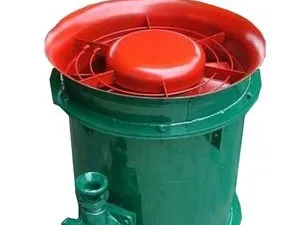
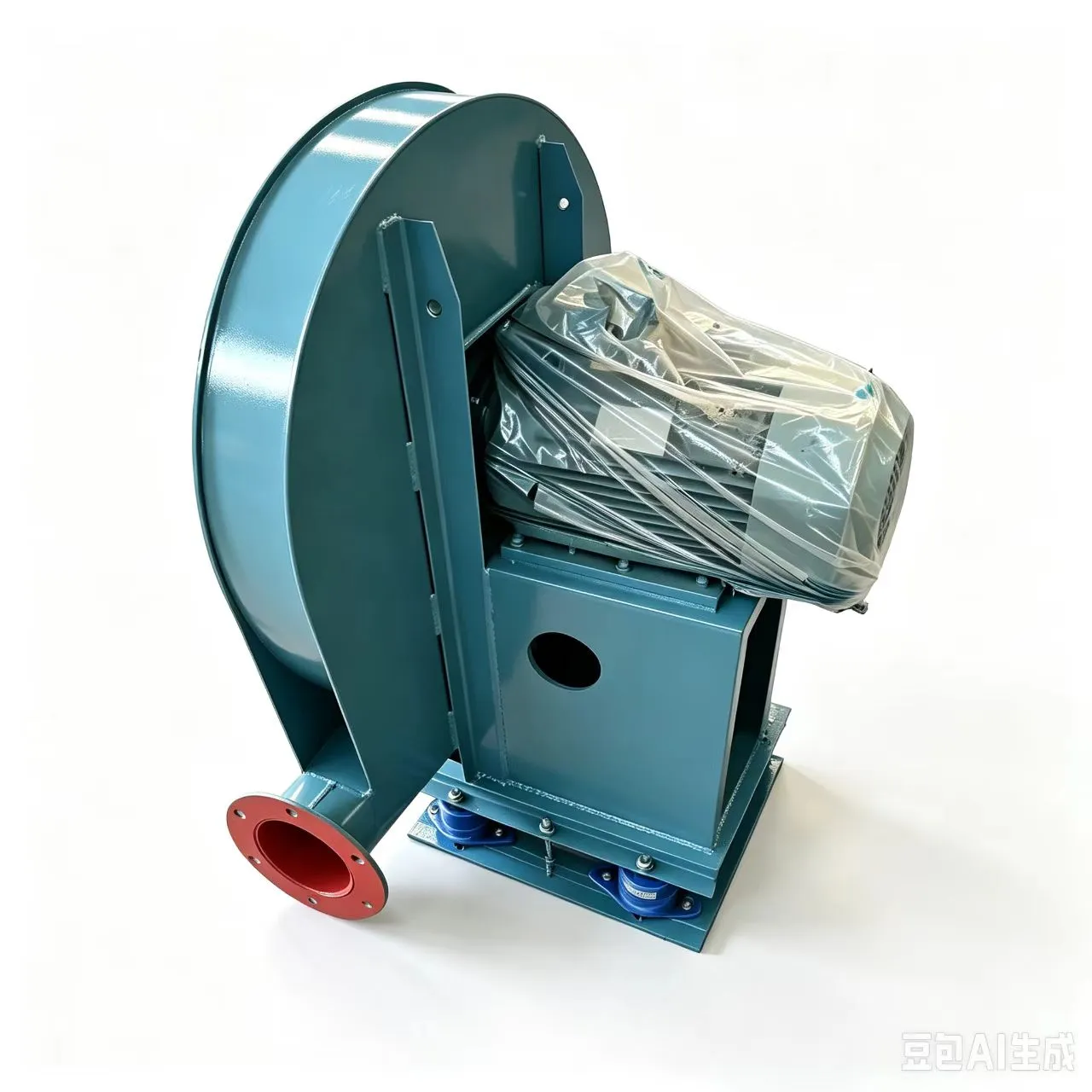
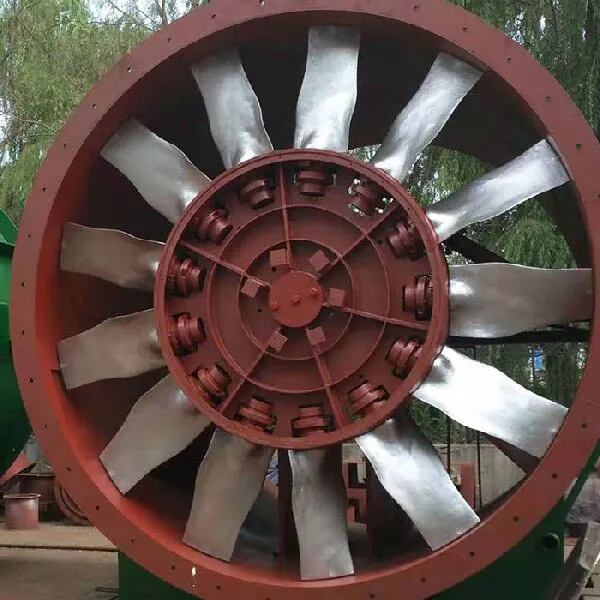
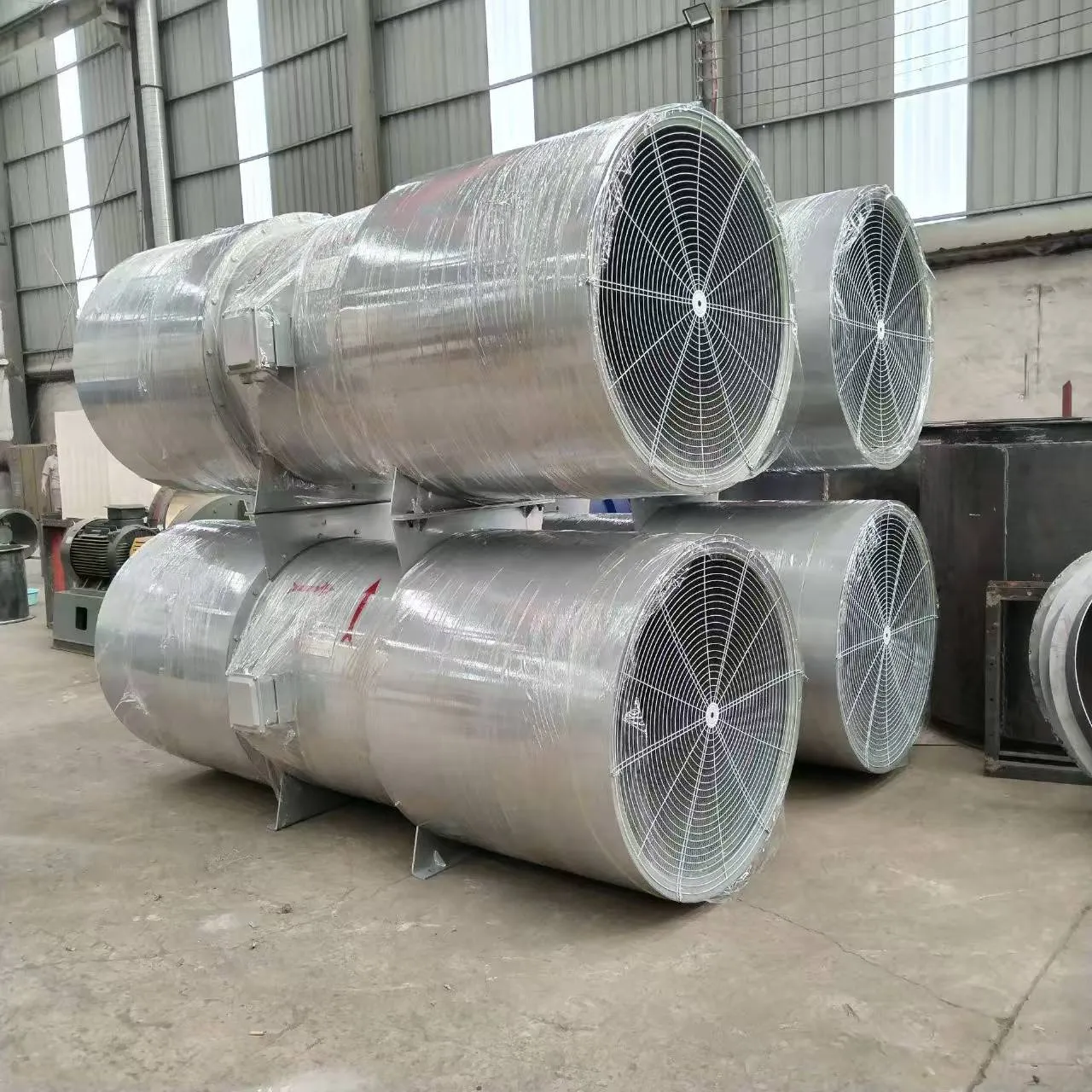
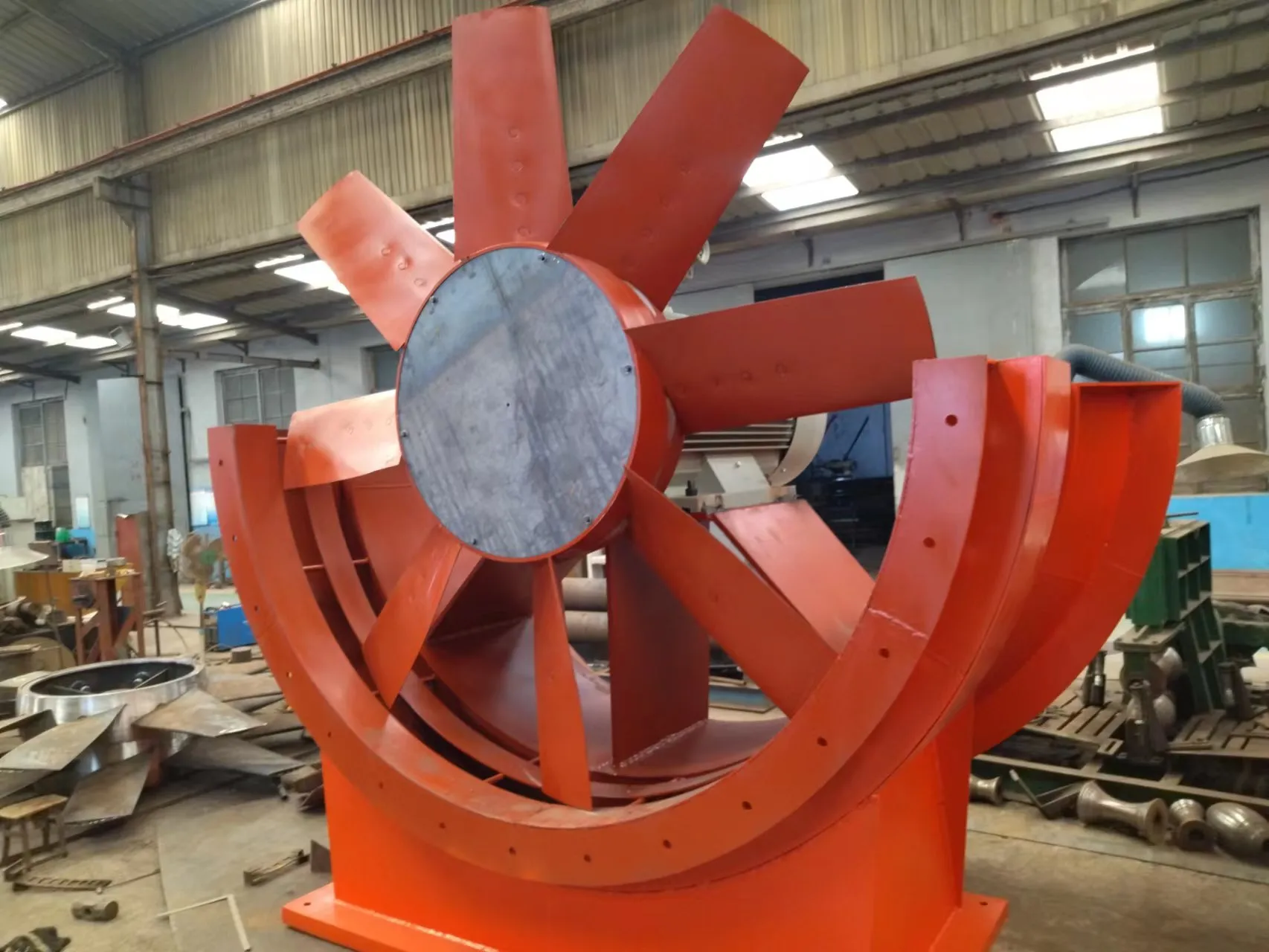
As a leading Mine local ventilation fan manufacturer, we provide factory-direct pricing on high-performance axial and centrifugal units designed for rigorous underground environments. Our equipment ensures reliable airflow distribution in dead-end headings, critical for diluting hazardous gases and maintaining safe working temperatures. By eliminating intermediaries, we deliver cost-effective, customizable ventilation solutions that adhere to global safety standards without compromising on durability or efficiency.
What Is a Mine Local Ventilation Fan?
A Mine local ventilation fan is a specialized mechanical device engineered to supply fresh air directly to specific working faces within an underground mine. Unlike main mine fans that circulate air through the entire network, local fans focus on auxiliary ventilation in development headings where continuous airflow is otherwise impossible.
These units are essential for removing blasting fumes, diesel exhaust, and naturally occurring gases like methane. They operate by creating a pressure differential that forces clean air through ducting systems to the miner’s face while exhausting contaminated air back into the return airway.
The design prioritizes robustness, featuring explosion-proof motors and reinforced casings to withstand dust, humidity, and potential impacts. Efficiency in these fans translates directly to operational safety and reduced energy costs over the lifecycle of the mining project.
Core Functions in Underground Operations
The primary role of these fans extends beyond simple air movement. They are the lifeline of deep-level excavation projects.
- Gas Dilution: Rapidly reduces concentrations of toxic or explosive gases to safe levels immediately after blasting cycles.
- Dust Control: Maintains sufficient air velocity to prevent respirable dust from settling in the breathing zone of workers.
- Thermal Regulation: Helps manage heat buildup caused by geothermal gradients and heavy machinery operation.
- Emergency Backup: Many modern units serve as part of the refuge chamber support system during power fluctuations.
Why Choose Factory-Direct Pricing for Ventilation Equipment?
Sourcing a Mine local ventilation fan directly from the manufacturer offers significant advantages over purchasing through distributors or third-party agents. The elimination of markup layers results in immediate cost savings, allowing mining companies to allocate budgets to other critical safety infrastructure.
Beyond price, factory-direct engagement ensures direct access to engineering expertise. Customization requests regarding voltage, frequency, or specific housing materials can be addressed immediately without communication delays typical of multi-tier supply chains.
Furthermore, direct manufacturers provide comprehensive after-sales support, including spare parts availability and technical troubleshooting. This relationship fosters long-term reliability, ensuring that ventilation systems remain operational with minimal downtime throughout the mine’s lifespan.
Cost Efficiency and Value Retention
When evaluating total cost of ownership, the initial purchase price is only one factor. Factory-direct models often include extended warranties and tailored maintenance plans.
- Reduced Lead Times: Direct production scheduling accelerates delivery, crucial for time-sensitive exploration phases.
- Custom Engineering: Modifications to blade angles or motor specifications are implemented at the source, ensuring perfect fit.
- Spare Parts Compatibility: Guaranteed access to original components prevents compatibility issues that arise with generic replacements.
- Technical Training: Manufacturers often include on-site or virtual training for maintenance crews, enhancing operational safety.
Technical Specifications and Design Features
Modern Mine local ventilation fan units are built upon advanced aerodynamic principles to maximize airflow while minimizing power consumption. The core design integrates high-efficiency impellers with precision-balanced rotors to reduce vibration and noise levels.
Materials selection is critical for underground longevity. Casings are typically constructed from high-grade steel treated with anti-corrosive coatings to resist acidic mine water and humid conditions. Impellers may utilize aluminum alloys or reinforced composites depending on the specific atmospheric requirements.
Motor protection is paramount. Units feature insulation classes suitable for high-temperature environments and are often certified for use in potentially explosive atmospheres (ATEX or MSHA compliant). Variable Frequency Drives (VFDs) are increasingly standard, allowing operators to adjust airflow rates dynamically based on real-time gas monitoring data.
Key Components Breakdown
Understanding the internal architecture helps in selecting the right unit for specific geological challenges.
- Impeller Design: Optimized blade profiles reduce turbulence and increase static pressure capabilities.
- Motor Assembly: Encapsulated windings protect against conductive dust and moisture ingress.
- Silencer Sections: Integrated acoustic dampening chambers lower operational noise to meet occupational health limits.
- Mounting Frame: Heavy-duty skids or wheeled bases facilitate easy relocation as the mining face advances.
Comparison: Axial vs. Centrifugal Local Fans
Selecting between axial and centrifugal configurations depends heavily on the resistance characteristics of the mine ducting system. Both types serve the function of local ventilation but excel in different operational scenarios.
Axial fans move air parallel to the shaft axis and are generally preferred for long-distance ducting due to their ability to maintain volume flow against moderate resistance. They are compact and easier to install in confined spaces.
Centrifugal fans, conversely, discharge air perpendicular to the intake. They generate higher static pressure, making them ideal for short runs with high resistance or systems requiring significant pressure boosts to overcome obstructions.
| Feature |
Axial Flow Fans |
Centrifugal Fans |
| Airflow Direction |
Parallel to shaft |
Perpendicular to intake |
| Pressure Capability |
Moderate static pressure |
High static pressure |
| Ideal Duct Length |
Long distance (>1000m) |
Short to medium distance |
| Space Requirement |
Compact, inline installation |
Larger footprint, requires elbow space |
| Efficiency Curve |
Steeper, sensitive to resistance changes |
Flatter, stable across varying loads |
| Noise Levels |
Generally higher pitch |
Lower frequency, often quieter |
Choosing the Right Configuration
The decision matrix should consider the specific layout of the heading and the expected evolution of the tunnel.
- For Deep Shafts: Axial fans with multiple stages are often the industry standard for reaching distant faces.
- For High Resistance: If the ducting involves many bends or filters, a centrifugal unit provides the necessary pressure head.
- For Mobile Operations: Compact axial units on wheeled frames offer the best flexibility for rapidly advancing tunnels.
- For Energy Sensitivity: Modern axial designs with variable pitch blades can offer superior efficiency adjustments.
Installation Guidelines for Optimal Performance
Proper installation of a Mine local ventilation fan is as critical as the equipment quality itself. Incorrect setup can lead to recirculation, reduced efficiency, and potential safety hazards. The process begins with a thorough site survey to determine the optimal placement relative to the fresh air base.
The fan must be positioned securely on a level surface, anchored to prevent movement from vibration or accidental impact. Connection to the flexible or rigid ducting requires airtight seals to prevent leakage, which drastically reduces effective airflow at the face.
Electrical connections must adhere strictly to local mining regulations, utilizing proper grounding and explosion-proof junction boxes. Before commissioning, a rotation check ensures the impeller spins in the correct direction to generate the intended airflow vector.
Step-by-Step Installation Process
Following a structured approach minimizes risks and ensures immediate operational readiness.
- Site Preparation: Clear the area of debris and ensure the roof and floor are stable enough to support the unit’s weight.
- Positioning: Place the fan at least 10 meters away from the return airway intersection to prevent short-circuiting of air.
- Duct Connection: Attach the transition piece between the fan outlet and the main duct, securing it with heavy-duty clamps.
- Electrical Hookup: Connect power cables via certified electricians, ensuring all safety interlocks are functional.
- Testing: Run the fan at low speed initially, checking for unusual vibrations or noises before ramping to full capacity.
- Airflow Verification: Use anemometers to measure velocity at the duct end, confirming it meets the project’s ventilation plan requirements.
Maintenance Protocols and Troubleshooting
Sustained performance of ventilation equipment relies on a disciplined maintenance schedule. Underground environments are harsh, accumulating dust and moisture that can degrade mechanical components over time. Regular inspections prevent unexpected failures that could halt production.
Key maintenance activities include lubricating bearings, inspecting belt tension (if applicable), and cleaning impeller blades to maintain balance. Electrical terminals should be checked for tightness and signs of arcing or corrosion.
Troubleshooting common issues often involves analyzing vibration patterns or sound signatures. A sudden drop in airflow usually indicates a duct rupture or a blockage, while excessive noise may signal bearing wear or impeller damage.
Routine Maintenance Checklist
Implementing a proactive checklist extends the service life of the Mine local ventilation fan.
- Daily Visual Inspection: Check for physical damage, loose bolts, and abnormal noise levels during operation.
- Weekly Cleaning: Remove dust accumulation from motor cooling fins and fan housings to prevent overheating.
- Monthly Lubrication: Grease bearings according to manufacturer specifications, avoiding over-lubrication.
- Quarterly Electrical Test: Verify insulation resistance and check the integrity of grounding systems.
- Annual Overhaul: Disassemble key components for detailed inspection, replacing worn seals or blades as needed.
Applications Across Different Mining Sectors
The versatility of local ventilation fans makes them indispensable across various extraction methods. From hard rock gold mining to soft coal seams, the fundamental need for clean air remains constant, though the specific challenges vary.
In coal mining, the risk of methane accumulation necessitates fans with stringent explosion-proof certifications. These units must operate continuously to keep gas levels below statutory limits, often integrated with automated gas monitoring systems.
Hard rock mining, involving metals like copper or iron, presents challenges related to silica dust and diesel particulate matter from heavy machinery. Here, high-volume airflow is crucial to dilute these contaminants effectively. Tunnel boring machine (TBM) projects also rely heavily on localized forced ventilation to manage heat and fumes in long, enclosed drives.
Scenario-Specific Solutions
Tailoring the ventilation strategy to the specific mining method enhances safety and productivity.
- Development Headings: Requires forcing fans to push fresh air to the dead-end face where drilling and blasting occur.
- Refuge Chambers: Dedicated low-noise fans ensure a continuous supply of breathable air during emergency lockdowns.
- Decline Ramps: Booster fans are strategically placed along long ramps to overcome friction losses and maintain air velocity.
- Stoping Areas: Auxiliary fans assist in clearing post-blast fumes quickly to allow rapid re-entry for mucking operations.
Safety Standards and Regulatory Compliance
Compliance with international and local safety standards is non-negotiable for any Mine local ventilation fan. Manufacturers must design equipment that meets rigorous testing protocols for flame retardancy, electrical safety, and structural integrity.
Certifications such as MSHA (Mine Safety and Health Administration) in the US, ATEX in Europe, or equivalent national standards ensure that the equipment can operate safely in hazardous zones. These certifications validate that the fan will not ignite flammable gases even under fault conditions.
Regular auditing of ventilation systems by certified professionals ensures ongoing compliance. Documentation of fan performance curves and maintenance logs is often required by regulatory bodies to prove that adequate airflow is being maintained at all times.
Key Certification Requirements
Understanding the regulatory landscape helps in selecting compliant equipment.
- Explosion Proofing: Motors and electrical enclosures must prevent internal sparks from igniting external gases.
- Fire Resistance: Casing materials and duct connections must withstand high temperatures without contributing to fire spread.
- Noise Limits: Equipment must operate within decibel limits defined by occupational health and safety laws.
- Performance Verification: Independent testing labs often verify airflow and pressure claims before certification is granted.
About Our Manufacturing Excellence
Behind every high-performance unit is a commitment to quality and experience. Zibo Hongcheng Fans, located in the Zibo Blower Industrial Park in Shandong Province, China, stands as a testament to this dedication. Established in 2020 by founders boasting over 20 years of industry expertise, our 9,000-square-meter facility employs a skilled team of more than 30 staff members dedicated to precision engineering.
We specialize in a diverse portfolio comprising over 50 series and 600 specifications, with a primary focus on mining axial flow fans, centrifugal ventilators, stainless steel fans, and corrosion-resistant models. While our roots are in the mining sector, our robust solutions are trusted across oil fields, chemical plants, metallurgy, boilers, textiles, and building materials industries.
Equipped with comprehensive production processes and a sound quality management system, we ensure that every technical indicator meets or exceeds national standards. Whether you require standard models or personalized solutions, our capability for customized production allows us to tailor blower products to your specific operational demands, ensuring optimal performance in even the harshest environments.
Frequently Asked Questions (FAQ)
Addressing common inquiries helps clarify the selection and operation of local ventilation systems. These questions reflect real-world concerns faced by mine managers and safety officers.
How do I calculate the required airflow for my heading?
Airflow requirements depend on the number of workers, diesel equipment usage, and blasting schedules. Industry guidelines typically suggest a minimum velocity of 0.5 m/s to prevent gas layering, but specific calculations should follow local regulatory formulas based on the highest contaminant source.
Can these fans operate in high-humidity environments?
Yes, our Mine local ventilation fan models, including our specialized corrosion-resistant series from Zibo Hongcheng Fans, are specifically treated with anti-corrosive coatings and utilize IP-rated motors designed for high humidity. However, regular inspection for condensation buildup is recommended to ensure electrical safety.
What is the typical lifespan of a local ventilation fan?
With proper maintenance, these units can operate reliably for 10 to 15 years or more. The actual lifespan depends on the severity of the environment, the frequency of use, and adherence to the lubrication and cleaning schedules.
Are variable speed drives compatible with all models?
Most modern industrial fans are compatible with VFDs, which allow for precise airflow control and energy savings. It is essential to confirm motor compatibility with the specific drive technology to avoid harmonic distortion issues.
How quickly can replacement parts be supplied?
As a factory-direct manufacturer with a complete production chain, we maintain a stock of critical spare parts such as impellers, bearings, and motor assemblies. Standard shipments can often be dispatched within days, minimizing downtime for urgent repairs.
Future Trends in Mine Ventilation Technology
The future of mine ventilation is moving towards智能化 (smart) and automated systems. Integration with IoT sensors allows for real-time monitoring of air quality, fan performance, and energy consumption. This data-driven approach enables predictive maintenance, where issues are resolved before they cause failures.
Energy efficiency remains a dominant driver. New aerodynamic designs and high-efficiency motors are reducing the carbon footprint of mining operations. As energy costs rise, the ROI on upgrading to newer, more efficient Mine local ventilation fan models becomes increasingly attractive.
Automation also plays a role in remote operation. Fans can now be controlled from surface command centers, adjusting output automatically based on sensor feedback from the working face. This reduces the need for personnel to enter hazardous zones for manual adjustments.
Emerging Innovations
Keeping abreast of technological advancements ensures long-term operational excellence.
- Smart Sensors: Embedded devices monitor vibration and temperature, alerting teams to potential mechanical failures.
- AI Optimization: Algorithms analyze airflow patterns to suggest optimal fan settings for maximum efficiency.
- Green Materials: Development of lighter, recyclable composites reduces transport costs and environmental impact.
- Hybrid Power: Exploration of battery-assisted or solar-hybrid fans for remote locations without grid access.
Conclusion and Selection Guide
Selecting the right Mine local ventilation fan is a critical decision that impacts safety, compliance, and operational efficiency. By choosing a reputable manufacturer like Zibo Hongcheng Fans, offering factory-direct pricing and decades of combined expertise, mining companies secure high-quality equipment tailored to their specific geological and atmospheric challenges.
This guide has outlined the essential features, installation protocols, and maintenance strategies required to maximize the value of your ventilation investment. Whether you require high-pressure centrifugal units or high-volume axial fans, understanding your specific needs is the first step toward a safer mine.
Who should use these solutions? Mine operators managing development headings, safety directors responsible for gas dilution, and procurement managers seeking cost-effective, durable equipment will find these factory-direct options ideal. For those ready to upgrade their ventilation infrastructure or start a new project, contacting our engineering team for a customized assessment is the logical next step. Ensuring adequate airflow is not just a regulatory requirement; it is the foundation of a sustainable and safe mining operation.