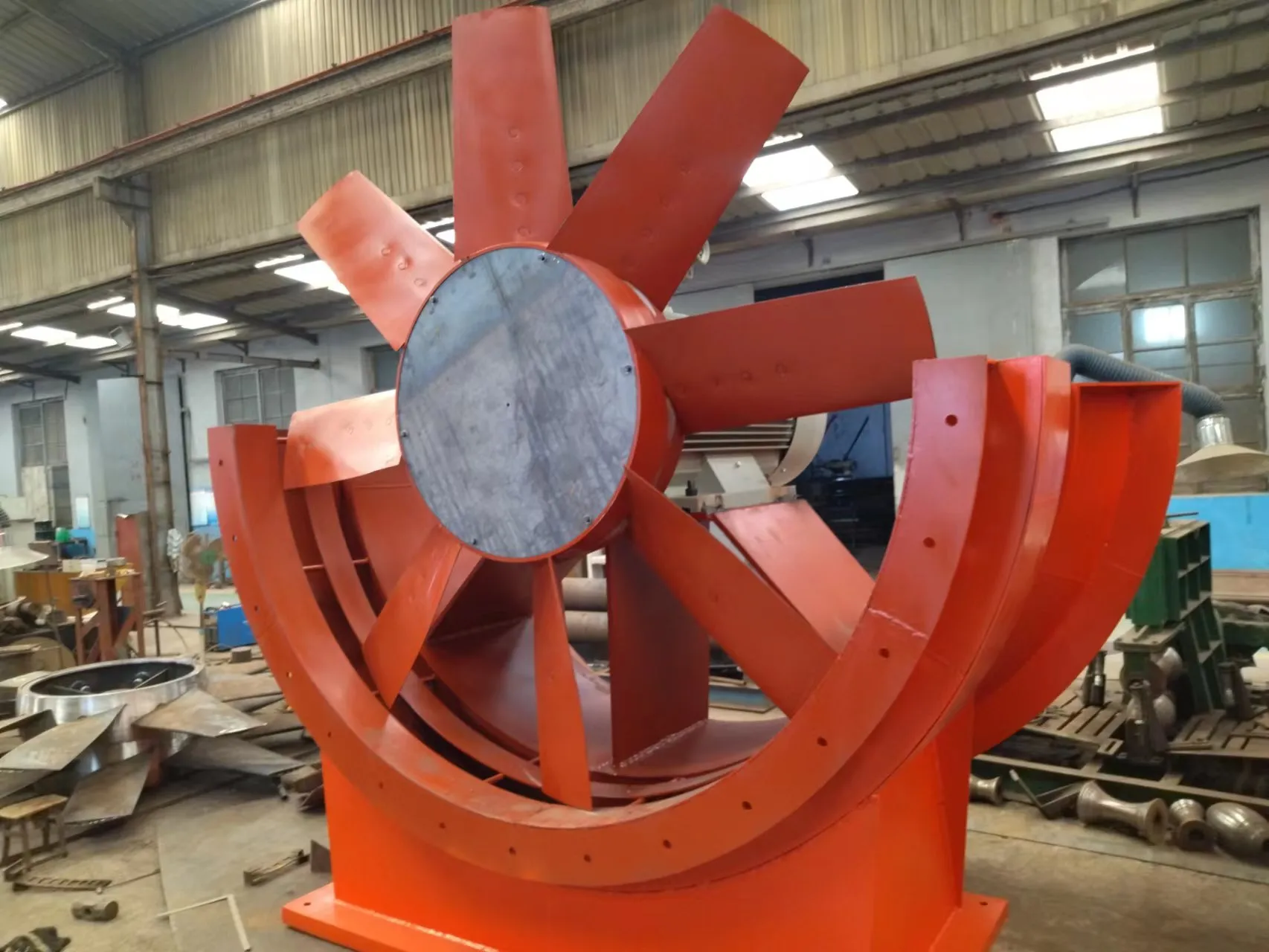
Metal mine ventilator systems aren’t just equipment—they’re the first line of defense against suffocation, explosion, and heat stress. In real-world operations, we’ve seen ventilation failures trigger emergency evacuations—not because fans broke down, but because they were underspecified for methane accumulation, dust loading, or sudden pressure differentials. A 2023 incident in a Shandong nonferrous mine confirmed it: the original axial fan met airflow volume targets on paper but couldn’t sustain static pressure above 1,800 Pa when filter resistance increased by 40% after 72 hours of continuous operation. That’s when reliability stops being theoretical.
Why “Just Enough Airflow” Is a Dangerous Assumption
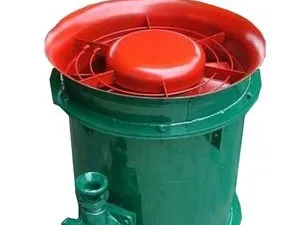
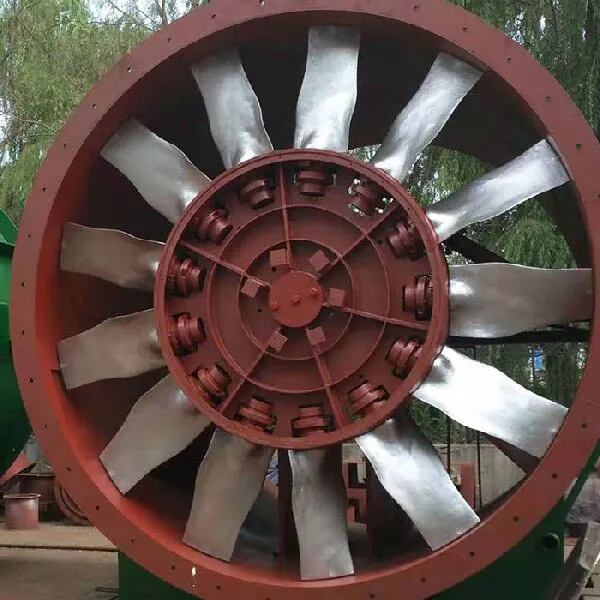
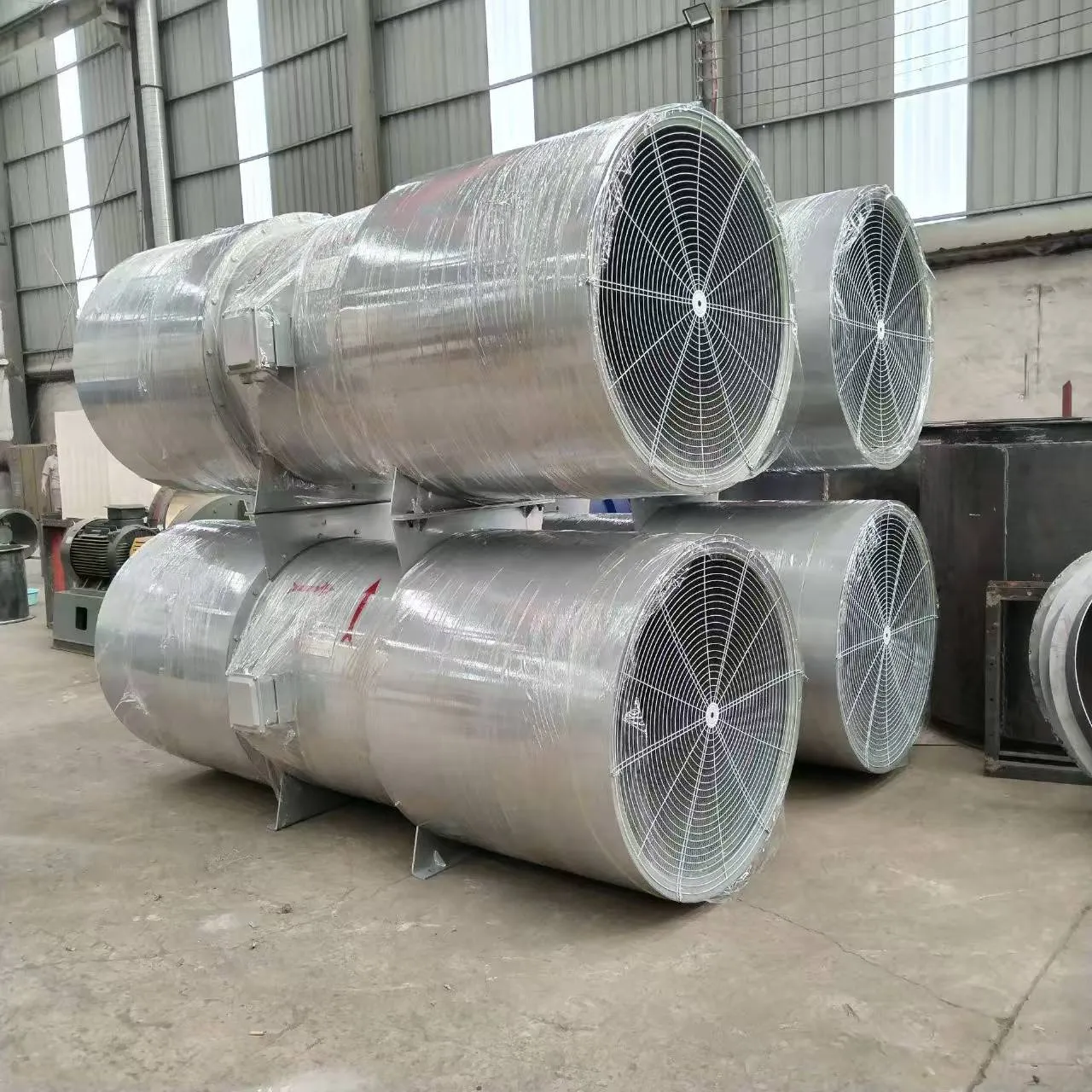
Underground metal mines demand more than volumetric output. They require dynamic response, structural integrity under vibration, and fail-safe behavior in explosive atmospheres. The FBD series (dⅠ) explosion-proof pressure-injection counter-rotating axial flow local ventilator—used in over 37 hard-rock mines across China and Southeast Asia—was engineered specifically to close that gap. Its dual-motor, counter-rotating design delivers 22–28% higher pressure efficiency than single-stage axial units at identical power input. More critically, its Class I, Division 1 explosion-proof certification isn’t bolted on—it’s built into the motor housing geometry, shaft sealing interface, and spark-resistant impeller casting process.
But performance isn’t only about specs. It’s about what happens when ambient temperature hits 52°C, relative humidity climbs above 95%, and silica dust concentration exceeds 8 mg/m³. Standard fan bearings seize. Belt drives slip. Motor windings degrade. That’s why metal mine ventilator selection must start with environmental mapping—not catalog browsing. We’ve observed clients cut commissioning time by 60% when they shared borehole gas analysis reports and daily ore haulage schedules before finalizing fan selection. Real data beats default assumptions every time.
Three Non-Negotiables in Metal Mine Ventilation Design
- Explosion-proof integrity must extend beyond the motor. Fans rated for Zone 1 environments still fail if inlet ductwork lacks grounding continuity or if silencers contain unshielded fasteners. The FBD series integrates certified grounding straps directly into the mounting flange—no field retrofitting required.
- Dust handling isn’t optional—it’s cumulative. A fan delivering 12,000 m³/h at startup drops to 9,300 m³/h after 14 days without maintenance if inlet filtration is inadequate. Titanium fans—designed for high-corrosion, high-abrasion zones—maintain >94% of rated airflow at 30-day intervals without cleaning.
- Control responsiveness matters underground. Variable frequency drives (VFDs) must react within 1.2 seconds to CO sensor triggers. Units with analog-only control loops add 4–7 seconds of latency—enough time for methane concentration to cross the 5% LEL threshold in confined stopes.
When Off-the-Shelf Isn’t Safe Enough
Some might argue that standard industrial fans work fine with added safety accessories. However, adding external explosion-proof enclosures to a general-purpose axial fan creates thermal bottlenecks, reduces service access, and voids original equipment certifications. Worse, it introduces new failure points: gasket compression loss, conduit seal degradation, and vibration-induced wiring fatigue. Customization isn’t about luxury—it’s about eliminating interfaces where risk concentrates.
Zibo Hongcheng Fan Co., Ltd. builds this principle into its workflow. When a copper mine in Yunnan needed a fan capable of 3,200 Pa static pressure at 8,500 m³/h while operating continuously at 75°C exhaust temperature, engineers didn’t modify an existing model. They re-ran blade twist profiles in ANSYS CFX, selected Inconel 625 for rotor hubs, and validated thermal expansion tolerances across 120-hour burn-in tests. The result? A unit certified to GB 3836.1–2021 and ISO 8573–1 Class 2 for particulate contamination—delivered in 11 weeks, not six months.
What Comes After the Invoice Matters Most
A metal mine ventilator doesn’t earn its value during installation—it proves itself during the third shift of week 17. That’s when vibration harmonics reveal misalignment, when bearing temperature trends expose lubrication inconsistencies, and when control logic exposes firmware bugs. Zibo Hongcheng Fan Co., Ltd. includes remote diagnostic readiness in all FBD and titanium-series units: Modbus TCP support, onboard temperature/pressure/vibration sensors, and firmware-upgradeable logic controllers. Field technicians don’t wait for breakdowns—they spot deviations at 3% amplitude increase, not 30%.
Service isn’t reactive. It’s predictive. Their application engineering team reviews mine ventilation schematics before delivery—not to upsell, but to flag duct length mismatches, elbow-induced turbulence, or elevation-based density corrections that alter brake horsepower requirements by up to 11%. That attention prevents costly field retrofits and keeps airways compliant with China’s AQ 2013–2018 safety standards.
Safety-critical ventilation has no room for compromise. Every metal mine ventilator must answer three questions before deployment: Does it survive the environment? Does it respond to threat signals faster than human reaction time? Does its support ecosystem anticipate failure modes—not just document them? Zibo Hongcheng Fan Co., Ltd. answers yes—not as marketing claims, but as test reports, field logs, and third-party audit records. Because underground, airflow isn’t measured in cubic meters per minute. It’s measured in lives sustained, shifts completed, and emergencies avoided.