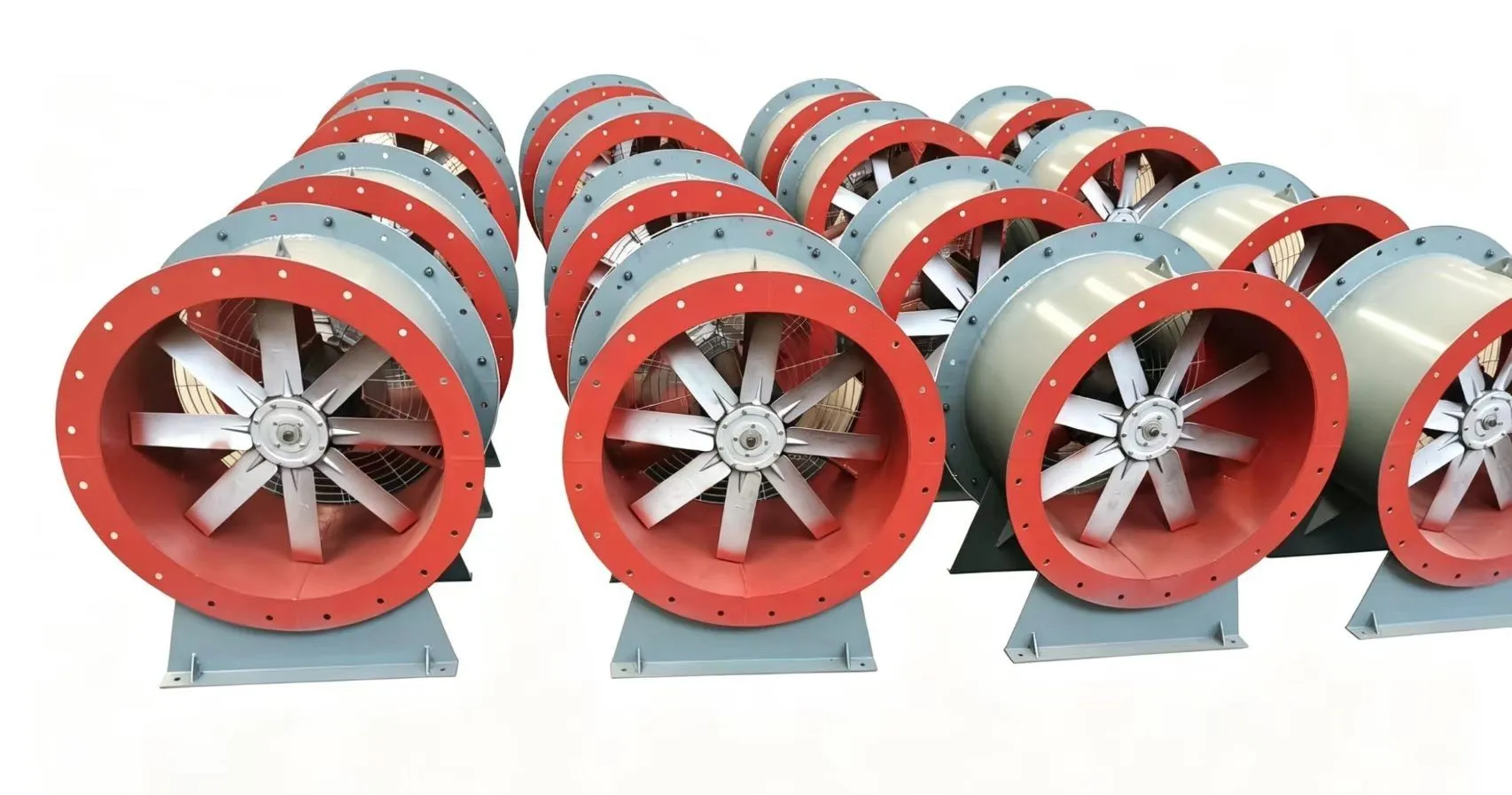
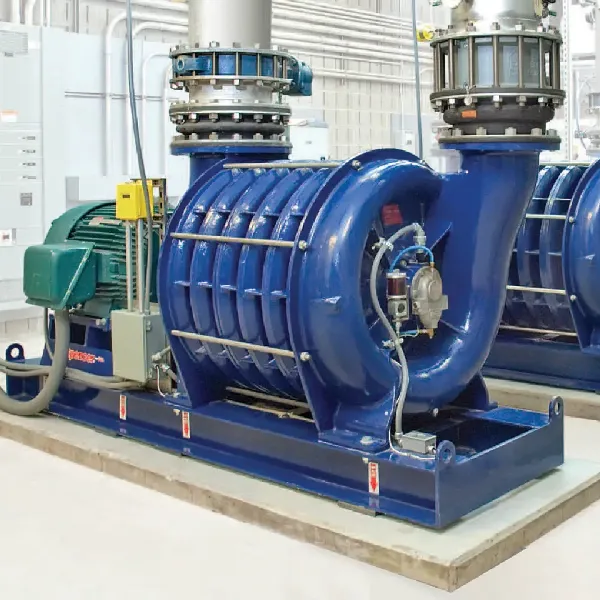
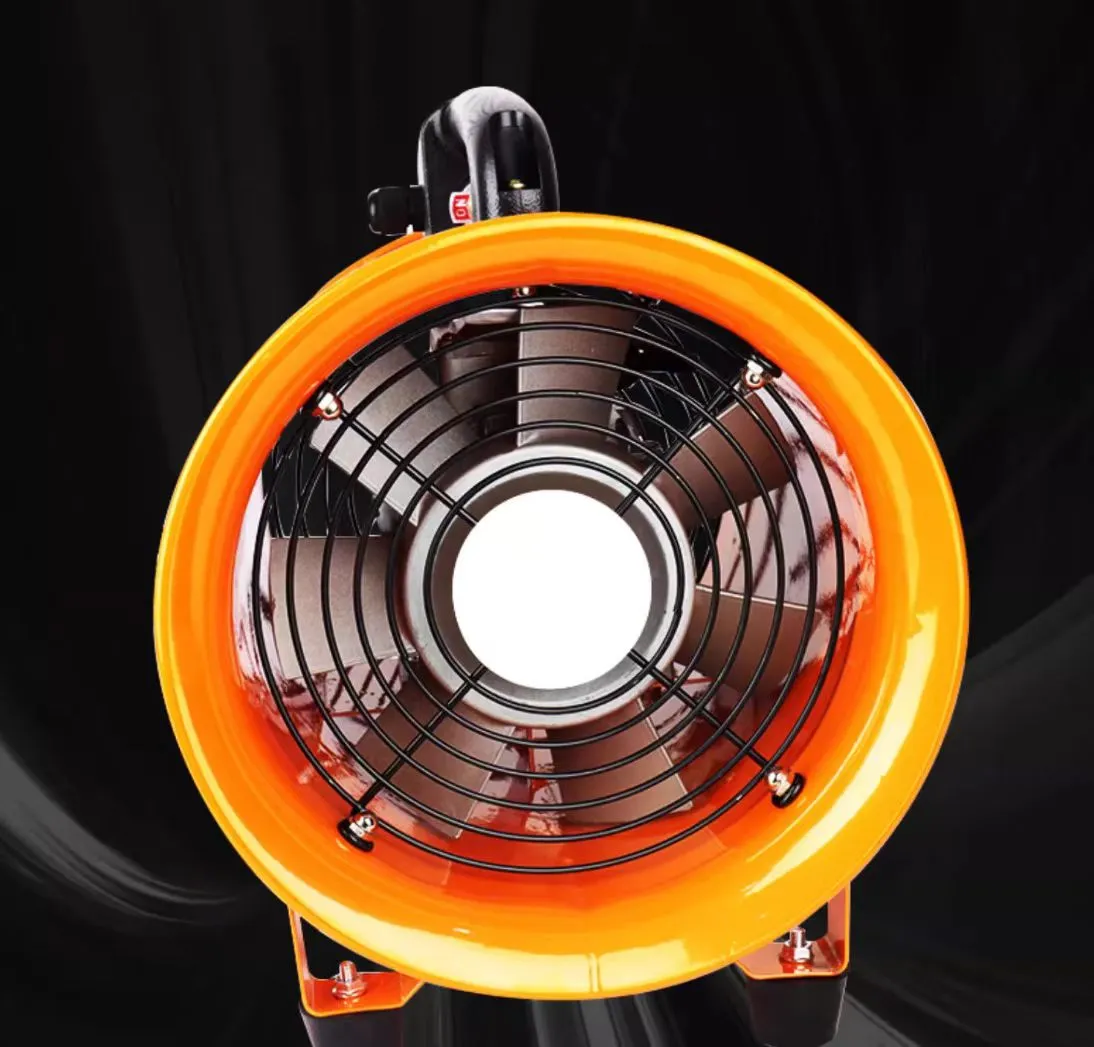
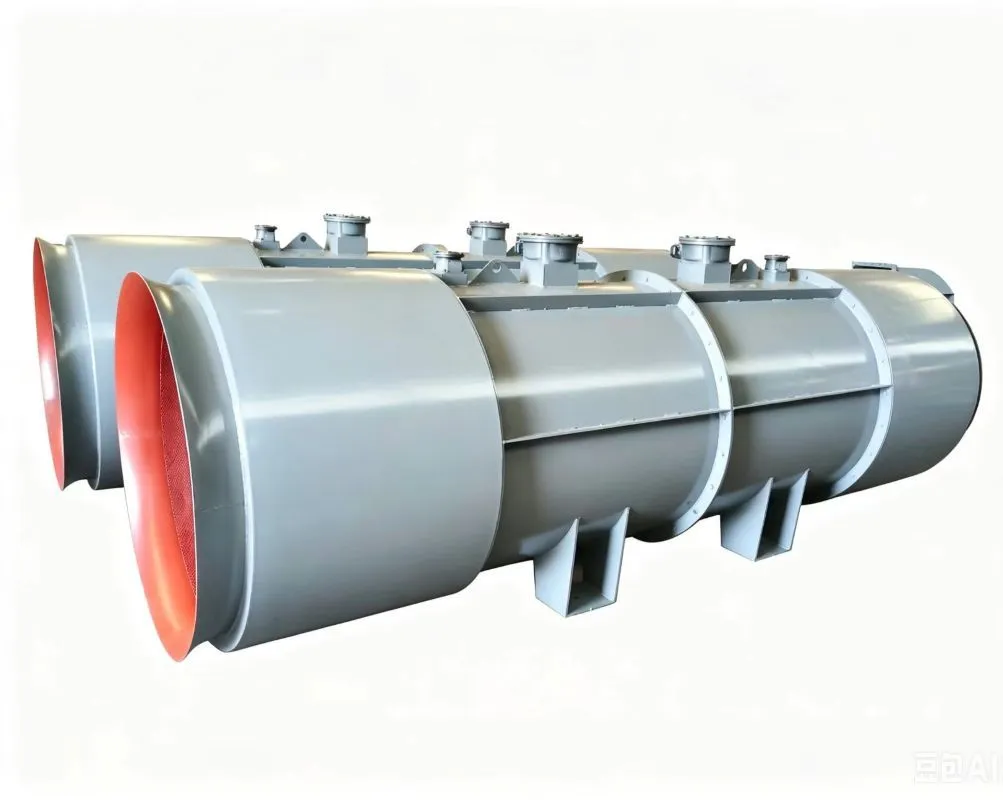
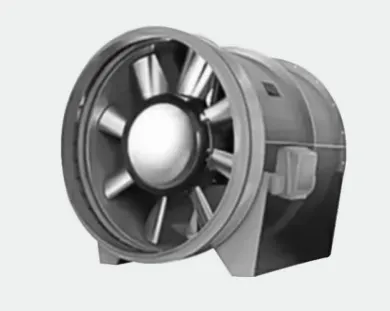
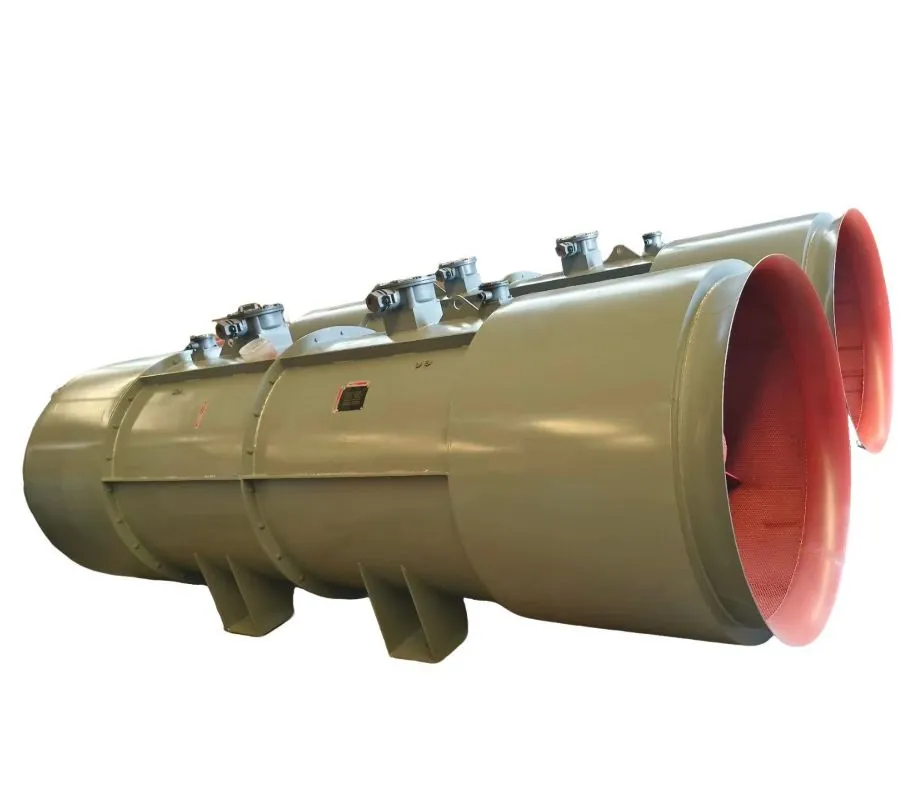
Looking for a corrosion-resistant tunnel fan that delivers long-term reliability in harsh environments? As a direct manufacturer, we specialize in engineering high-performance ventilation solutions designed to withstand aggressive chemical exposure, high humidity, and extreme temperatures. Our factory-direct pricing model ensures you receive premium industrial-grade equipment without intermediary markups, making us the preferred partner for infrastructure projects demanding durability and cost-efficiency.
What Defines a High-Performance Corrosion-Resistant Tunnel Fan?
A corrosion-resistant tunnel fan is not merely a standard ventilator with a coat of paint; it is a specialized piece of industrial machinery engineered to operate continuously in atmospheres containing acidic gases, saline mist, or toxic fumes. In sectors like underground mining, wastewater treatment, and chemical processing, standard steel fans fail rapidly due to oxidation and chemical degradation.
The core distinction lies in the material science applied to the impeller, housing, and motor components. Industry leaders utilize advanced composites, such as fiber-reinforced plastics (FRP), or high-grade stainless steel alloys like 316L, to ensure structural integrity over decades. These materials prevent the microscopic pitting and cracking that typically lead to catastrophic fan failure in corrosive zones.
Furthermore, the aerodynamic design must remain uncompromised despite the heavier density of some composite materials. A true corrosion-resistant unit maintains optimal airflow efficiency while resisting the chemical attacks that would otherwise erode blade profiles and disrupt air dynamics. This balance between chemical resistance and aerodynamic performance is the hallmark of quality manufacturing.
Key Material Technologies Used in Modern Manufacturing
Selecting the right material is the first step in ensuring longevity. The choice depends heavily on the specific chemical composition of the environment where the fan will be installed. Current mainstream solutions focus on three primary material categories:
- Fiber-Reinforced Plastic (FRP): Ideal for highly acidic or alkaline environments where metal ions could react. FRP offers excellent strength-to-weight ratios and inherent corrosion resistance without needing additional coatings.
- Stainless Steel Alloys (304/316L): Preferred for applications requiring high structural rigidity and resistance to saline or mild chemical exposure. 316L is particularly effective against chlorides.
- Specialized Epoxy Coatings: Applied to carbon steel substrates for moderate corrosive conditions. These multi-layer coatings act as a barrier, though they require regular inspection to ensure no breaches occur.
Our manufacturing process integrates these materials with precision welding and molding techniques to eliminate weak points. Joints and seams are often the first areas to fail in corrosive settings; therefore, seamless construction methods are prioritized to enhance the overall lifespan of the unit.
Critical Applications for Corrosion-Resistant Tunnel Fans
The deployment of a corrosion-resistant tunnel fan is dictated by the severity of the operating environment. Understanding where these units are essential helps project managers specify the correct equipment class. The following sectors represent the most demanding use cases where standard ventilation fails.
Underground Mining and Metallurgy
Mining operations generate dust laden with sulfur compounds and moisture, creating a highly corrosive atmosphere deep underground. Ventilation systems in these tunnels must run 24/7 to ensure worker safety and equipment cooling. A failure here can lead to dangerous gas accumulation.
In metallurgical plants, fans are exposed to hot, acidic fumes released during smelting processes. The combination of high temperature and chemical aggression accelerates wear on standard components. Our heavy-duty models are specifically reinforced to handle thermal expansion alongside chemical exposure, ensuring stable operation even when gas temperatures fluctuate rapidly.
Wastewater Treatment and Sewage Systems
Hydrogen sulfide (H2S) is a common byproduct in wastewater treatment facilities, known for its ability to convert into sulfuric acid upon contact with moisture. This “concrete cancer” also destroys metal fan housings. Corrosion-resistant fans in this sector are critical for exhausting toxic gases from lift stations and treatment basins.
The humidity levels in these environments are consistently near saturation. Standard painted steel fans often rust within months. By utilizing FRP or heavily passivated stainless steel, our units resist the biogenic sulfide corrosion that plagues municipal infrastructure, reducing maintenance intervals and total cost of ownership.
Chemical Processing and Pharmaceutical Industries
Chemical plants involve the transport and processing of volatile organic compounds (VOCs) and strong acids. Any leak or fugitive emission can create a localized zone of extreme corrosivity. Fans used for emergency exhaust or process ventilation must be compatible with a wide range of potential chemicals.
In pharmaceutical manufacturing, cleanliness and resistance to sterilization agents are paramount. Fans must withstand frequent washdowns with harsh disinfectants without degrading. The smooth surface finish of our composite impellers prevents bacterial growth and resists chemical attack from cleaning protocols.
Comparative Analysis: Standard vs. Corrosion-Resistant Designs
Understanding the tangible differences between standard industrial fans and specialized corrosion-resistant models is vital for procurement decisions. While the upfront cost of the latter is higher, the lifecycle value is significantly superior in aggressive environments.
| Feature | Standard Industrial Fan | Corrosion-Resistant Tunnel Fan |
| Primary Material | Carbon Steel with basic paint | FRP, 316L Stainless Steel, or Dual-Coated Alloy |
| Lifespan in Harsh Env. | 1–3 years before major failure | 15–20+ years with minimal degradation |
| Maintenance Frequency | High (monthly inspections often needed) | Low (annual or bi-annual checks sufficient) |
| Resistance to Acids | Poor (rapid oxidation) | Excellent (inherent material property) |
| Total Cost of Ownership | High due to replacements and downtime | Low due to durability and reliability |
| Safety Rating | General purpose | Often certified for hazardous/explosive zones |
The table above highlights that while standard fans may suffice for clean, dry warehouses, they are economically disastrous in corrosive tunnels. The frequency of replacement and the risk of unplanned downtime far outweigh the initial savings. Investing in a purpose-built corrosion-resistant tunnel fan is a strategic decision that protects operational continuity.
Why Factory Direct Pricing Matters for Industrial Projects
Procuring industrial ventilation equipment through multiple layers of distributors often inflates costs by 20% to 40%. As a direct manufacturer, we eliminate these intermediaries, passing the savings directly to the end-user. This model is particularly beneficial for large-scale infrastructure projects where dozens of units are required.
Factory-direct engagement also allows for deeper customization. Off-the-shelf products rarely fit the unique dimensional or performance constraints of complex tunnel systems. By working directly with our engineering team, clients can specify exact airflow rates, pressure requirements, and material compositions tailored to their specific chemical profile.
Moreover, direct communication streamlines the after-sales support process. Technical queries, spare part requests, and warranty claims are handled immediately by the source, reducing response times from weeks to days. This level of service is crucial for maintaining critical ventilation systems where every hour of downtime counts.
About Zibo Hongcheng Fans: Engineering Excellence from the Source
At the heart of our manufacturing capability is Zibo Hongcheng Fans, strategically located within the Zibo Blower Industrial Park in Shandong Province, China. Spanning a 9,000-square-meter facility, our company was established in 2020 by founders who bring over two decades of specialized experience in the blower industry. This deep-rooted expertise allows us to bridge the gap between theoretical design and practical, durable application.
We offer an extensive portfolio comprising more than 50 series and over 600 specifications, with a primary focus on mining axial flow fans, centrifugal ventilators, stainless steel fans, and the corrosion-resistant solutions discussed throughout this article. Our products serve a diverse range of critical industries, including coal mines, oil fields, chemical plants, metallurgy, and building materials.
Equipped with comprehensive production lines and a sound quality management system, Zibo Hongcheng Fans ensures that every unit meets rigorous national standards. Whether you require a standard model or a fully customized solution to meet unique personalized demands, our team of over 30 dedicated staff members is committed to delivering precision-engineered ventilation that stands the test of time.
Engineering Principles Behind Durability
The longevity of a corrosion-resistant tunnel fan is rooted in rigorous engineering principles that go beyond material selection. It involves a holistic approach to design, balancing fluid dynamics, structural mechanics, and chemical compatibility.
Aerodynamic Efficiency in Heavy-Duty Materials
One common misconception is that corrosion-resistant materials like FRP are too heavy or rough to achieve high efficiency. However, modern molding technologies allow for extremely smooth surface finishes that reduce turbulence and friction losses. Our impellers are dynamically balanced to ISO standards, ensuring vibration levels remain low even at high rotational speeds.
The blade geometry is optimized using computational fluid dynamics (CFD) simulations. This ensures that the fan delivers the required volume of air with minimal energy consumption. In tunnel applications, where fans run continuously, even a small improvement in efficiency translates to massive energy savings over the equipment’s lifespan.
Motor Protection and Isolation
The motor is the heart of the fan, yet it is often the most vulnerable component in corrosive settings. Our designs feature robust isolation strategies. In many configurations, the motor is mounted outside the airstream, connected via a shaft sealed with high-integrity mechanical seals.
For applications where the motor must be in the flow, we utilize totally enclosed fan-cooled (TEFC) motors with specialized epoxy coatings on the housing and windings. Bearing assemblies are protected with labyrinth seals and grease purging systems to prevent corrosive ingress. This multi-layered protection strategy ensures the drive system outlasts the harshest conditions.
Step-by-Step Guide to Selecting the Right Fan
Choosing the correct ventilation solution requires a systematic evaluation of your site conditions. Following this structured approach ensures you select a corrosion-resistant tunnel fan that meets both performance and durability requirements.
- Step 1: Analyze the Chemical Environment
Identify the specific pollutants present (e.g., H2S, chlorine, salt mist). Determine the concentration levels and temperature ranges. This data dictates the necessary material grade (FRP vs. Stainless Steel). - Step 2: Define Performance Parameters
Calculate the required airflow (CFM or m³/h) and static pressure. Consider the length of the tunnel and any resistance caused by bends or filters. Accurate sizing prevents under-performance or excessive energy use. - Step 3: Assess Installation Constraints
Evaluate the available space, orientation (horizontal or vertical), and access for maintenance. Some tunnel configurations require compact designs or specific mounting flanges. - Step 4: Review Safety Certifications
Ensure the fan meets local safety standards, especially if explosive gases are present. Look for ATEX, IECEx, or equivalent certifications for spark-resistant construction. - Step 5: Evaluate Lifecycle Costs
Compare the initial purchase price against estimated maintenance and replacement costs over 10 years. Prioritize solutions with proven track records in similar industries.
By adhering to this selection framework, engineers and procurement officers can avoid costly mismatches between equipment capabilities and environmental demands. Our technical team is available to assist in interpreting site data and recommending the optimal configuration.
Installation Best Practices for Maximum Longevity
Even the highest quality fan can underperform if installed incorrectly. Proper installation is critical to realizing the full benefits of corrosion-resistant design. First, ensure that all ductwork connections are sealed tightly to prevent leakage, which can cause recirculation and reduced efficiency.
Secondly, verify that the foundation is level and rigid. Excessive vibration from an unstable base can lead to premature bearing failure and stress fractures in the housing. Use vibration isolators where recommended to dampen operational noise and protect the structure.
Finally, implement a commissioning protocol that includes checking rotation direction, measuring amp draw, and verifying airflow rates against design specifications. Documenting these baseline metrics provides a reference point for future maintenance and troubleshooting.
Maintenance Strategies for Corrosive Environments
While corrosion-resistant tunnel fans are built to last, proactive maintenance remains essential to maximize their service life. A well-structured maintenance program detects early signs of wear before they escalate into critical failures.
Routine Inspection Protocols
Regular visual inspections should focus on the condition of the blades and the interior housing surfaces. Look for any signs of coating delamination, discoloration, or surface pitting. In FRP units, check for crazing or fiber exposure, which could indicate UV degradation or chemical attack.
Vibration analysis is another powerful tool. Increasing vibration levels often signal imbalance due to material buildup on blades or bearing wear. Implementing predictive maintenance technologies allows facilities to schedule repairs during planned shutdowns rather than reacting to emergencies.
Cleaning and Component Replacement
Accumulated dust or chemical residues can alter the aerodynamic profile of the fan and add unnecessary weight. Establish a cleaning schedule appropriate for the contaminant type. Use non-abrasive cleaning agents that do not compromise the protective materials of the fan itself.
Seals and gaskets are consumable items that degrade over time, even in resistant materials. Periodic replacement of shaft seals and joint gaskets prevents moisture ingress into the motor or bearing housing. Keeping a stock of critical spares ensures rapid restoration of service if a component does fail.
Frequently Asked Questions (FAQ)
Q: How long does a corrosion-resistant tunnel fan typically last?
A: With proper selection and maintenance, these fans can operate reliably for 15 to 20 years or more in harsh environments. The lifespan largely depends on the severity of the chemical exposure and the appropriateness of the material chosen.
Q: Can these fans handle high-temperature corrosive gases?
A: Yes, specific models are engineered to withstand elevated temperatures. By combining heat-resistant resins in FRP or using high-grade alloys, we can customize fans to operate safely in environments exceeding standard temperature limits.
Q: What is the lead time for custom-manufactured units?
A: As a factory-direct manufacturer, we maintain flexible production lines. Standard configurations can often be shipped within a few weeks, while highly customized solutions may require a slightly longer timeline to ensure precise engineering and testing.
Q: Do you provide explosion-proof options for mining applications?
A: Absolutely. We offer a range of spark-resistant constructions and motors certified for hazardous locations. These units are designed to prevent ignition sources in environments containing flammable gases or dust.
Q: How does factory-direct pricing benefit small-scale projects?
A: Our streamlined supply chain reduces overhead costs regardless of order size. Small projects benefit from the same competitive pricing and technical support as large infrastructure contracts, making high-quality ventilation accessible to all.
The Future of Industrial Ventilation Technology
The landscape of industrial ventilation is evolving, driven by stricter environmental regulations and the need for greater energy efficiency. The next generation of corrosion-resistant tunnel fans will integrate smart monitoring capabilities, allowing real-time tracking of performance metrics and early warning systems for potential issues.
Advancements in nanocoatings are also on the horizon, promising even greater resistance to specific chemical groups while reducing surface friction. These innovations will further extend maintenance intervals and improve overall system efficiency. Staying ahead of these trends ensures that your infrastructure remains compliant and cost-effective.
Sustainability is another key driver. Modern designs focus on minimizing energy consumption through optimized aerodynamics and high-efficiency motors. Reducing the carbon footprint of industrial operations is no longer optional, and efficient ventilation plays a pivotal role in achieving green building and operational standards.
Conclusion and Next Steps
Selecting the right ventilation solution is a critical decision that impacts safety, operational continuity, and financial performance. A corrosion-resistant tunnel fan is an investment in reliability, offering unparalleled protection against the degrading effects of harsh industrial environments. By choosing a direct manufacturer like Zibo Hongcheng Fans, you secure not only superior product quality backed by 20 years of industry expertise but also competitive pricing and dedicated technical support.
This solution is ideal for facility managers, mining engineers, and infrastructure developers who prioritize long-term value over short-term savings. If your project involves exposure to acids, salts, or toxic fumes, standard equipment simply cannot compare to the durability of specialized corrosion-resistant designs.
To ensure your ventilation system meets your specific needs, we recommend initiating a consultation with our engineering team. Share your site parameters and operational challenges, and let us propose a tailored solution that combines performance, durability, and cost-efficiency. Secure the longevity of your infrastructure today with a fan built to endure.