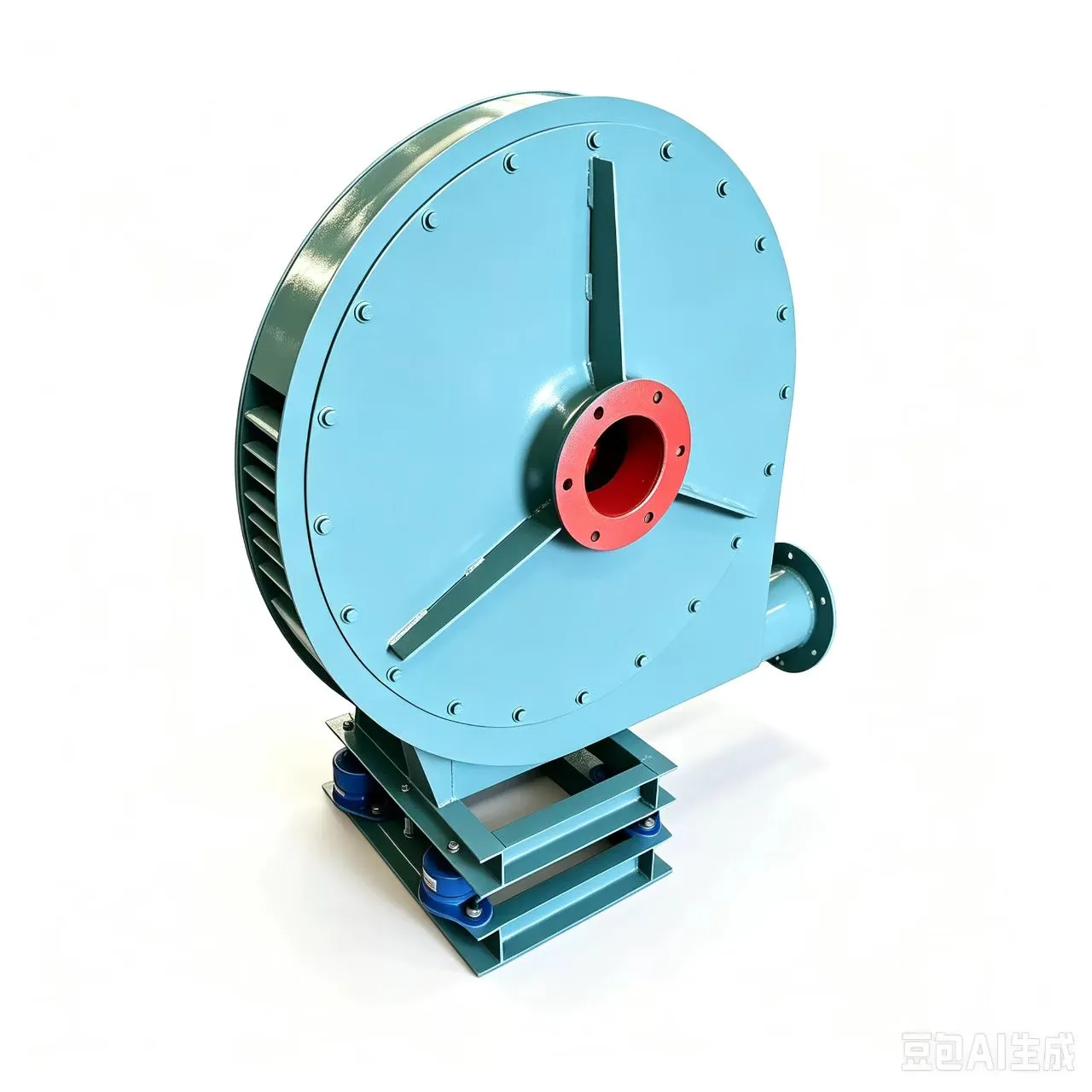
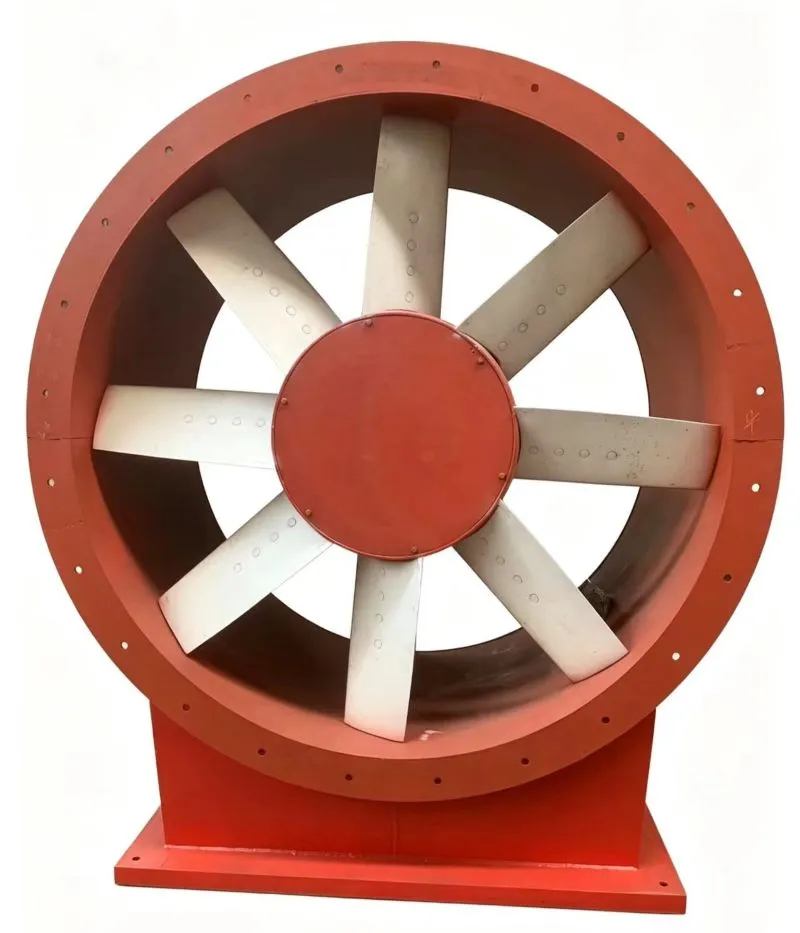
Choosing the right centriful fan ituaiga isn’t about matching a catalog number to a nameplate. It’s about solving a real problem—moving air against resistance, handling corrosive fumes, surviving 200°C exhaust streams, or keeping a coal mine ventilated under explosion-risk conditions. We’ve sized, tested, and commissioned over 1,200 centrifugal fans since 2020—and in every case, the wrong type caused delays, safety compromises, or premature failure.
Why “Type” Matters More Than Size or Speed
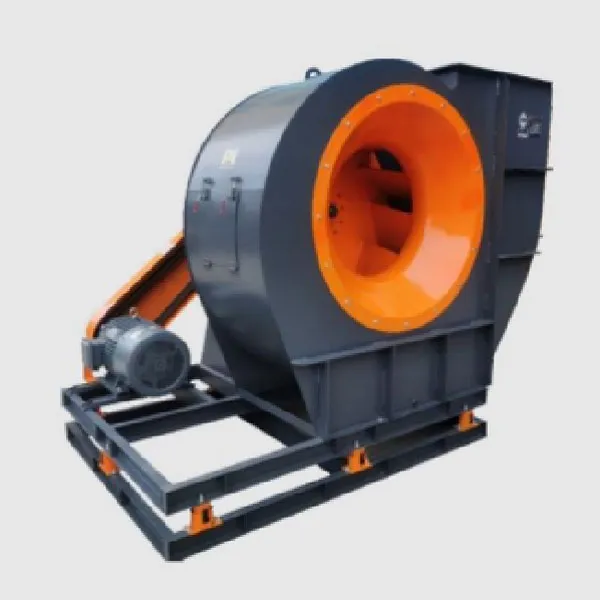
A 9-19 high-pressure centrifugal blower moves air differently than a dual-inlet centrifugal fan—even at identical RPM and static pressure. The difference lies in impeller geometry, casing design, and airflow path. Backward-curved impellers handle dust-laden flue gas without clogging. Forward-curved units deliver high volume at low static pressure—but fail fast in abrasive environments. Radial-tip impellers sit between them: moderate efficiency, high tolerance for particulates, and mechanical simplicity that matters during maintenance in remote kiln sites.
We once replaced a failed forward-curved fan in a textile dyeing line with a backward-inclined model. The original unit lasted 4 months. The new one ran 37 months—no bearing replacement, no belt slippage, no airflow drop. Why? Because the application demanded low turbulence, not maximum CFM. That’s the first rule: match the type to the airstream behavior, not just the duct chart.
The Four Core Centrifugal Fan Types—And Where They Fail
Industrial users don’t need academic categories. They need decision logic. Here’s what works—and where each type breaks down:
- Backward-curved (BC) fans: Best for high-static, high-temperature, or corrosive service—like desulfurization stacks or boiler primary air. Impeller blades curve away from rotation. Efficiency peaks at 82–87%. But they demand precise inlet alignment; misaligned ductwork causes vibration that cracks housings. Our BC models (e.g., anti-corrosion variants with FRP-coated casings) include laser-aligned inlet cones as standard.
- Forward-curved (FC) fans: Compact, quiet, and high-volume at low resistance—ideal for HVAC make-up air or cleanroom recirculation. But they stall easily above 150 Pa static pressure. We’ve seen three FC units fail in chemical plant solvent recovery lines because operators ignored the steep pressure-rise curve. They’re not built for variable resistance.
- Radial-tip (RT) fans: The workhorses of dusty, humid, or mildly abrasive duty—mining ventilation, foundry cooling, rotary kiln exhaust. Blades extend straight out, resisting buildup. Lower peak efficiency (72–78%) is traded for reliability. In one metallurgical client’s sinter cooler application, RT fans cut unplanned downtime by 63% versus BC alternatives.
- Dual-inlet centrifugal fans: Two impellers on one shaft, drawing air from both sides. Delivers balanced flow without duct asymmetry. Critical where space is tight but airflow must stay stable—like tunnel ventilation portals or roof-mounted smoke exhaust systems. However, they require rigid base mounting. A 2 mm foundation shift induced resonance in a recent project until we added shear-resistant anchor pads.
What the Catalog Won’t Tell You
Some might argue that material selection trumps impeller type. But we’ve seen titanium fans with perfect corrosion resistance fail because the backward-curved impeller couldn’t handle fly ash loading. Type defines the physics. Material defines the survival window.
Three hard truths from field data:
- Pressure curves lie. A fan rated for “12 kPa @ 25,000 m³/h” assumes ideal inlet conditions. Real-world duct elbows, dampers, and filters drop actual performance by 12–18%. Always test at system level—not just fan-only.
- Explosion-proof certification (e.g., dⅠ for coal mines) applies to the full assembly—not just the motor. A certified motor bolted to a non-certified housing voids compliance. Our FBD series integration includes spark-resistant impeller clearances and grounded static paths verified per GB 3836.1.
- Dynamic balancing isn’t optional. Unbalanced BC fans vibrate at 1,450 RPM. At 2,900 RPM, that same imbalance multiplies force fourfold. Every Hongcheng centrifugal fan undergoes ISO 1940 G2.5 balancing—measured, not assumed.
How to Choose—A Five-Minute Field Checklist
Before you open a spec sheet, answer these five questions:
- What’s the maximum sustained static pressure—not peak, not theoretical? Measure it with a manometer at the fan inlet, under full load.
- Does the airstream contain abrasives, moisture, or chemicals? If yes, eliminate forward-curved. Prioritize radial-tip or backward-curved with protective coatings.
- Is space constrained? Dual-inlet saves footprint but demands structural rigidity. Single-inlet with extended inlet cone may be simpler.
- Will operators adjust flow frequently? Backward-curved handles throttling better. Forward-curved surges unpredictably below 60% speed.
- What’s the failure cost? A shutdown in a boiler house costs $18,000/hour. Pay up front for backward-curved + integrated thermal monitoring—not later for emergency repairs.
Centrifugal fan types aren’t interchangeable parts. They’re engineered responses to physical constraints. Choose the type that respects your air, your environment, and your uptime targets—not the one with the shiniest brochure.