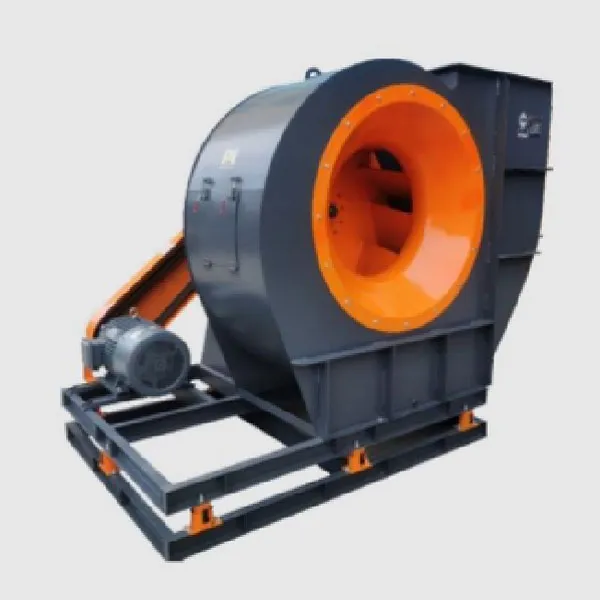
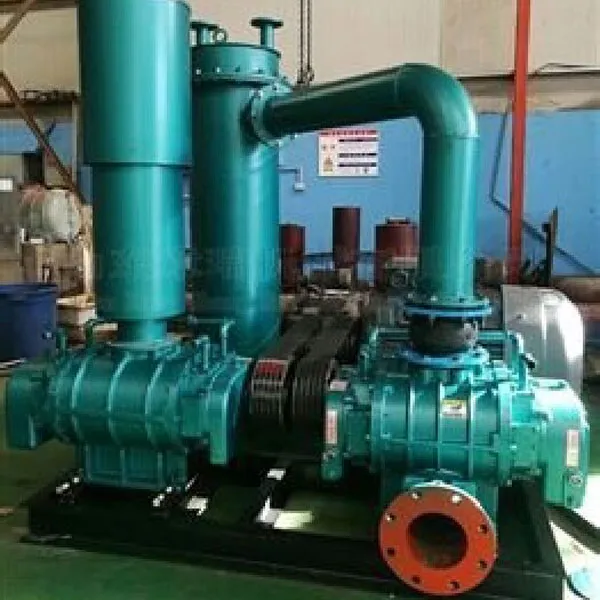
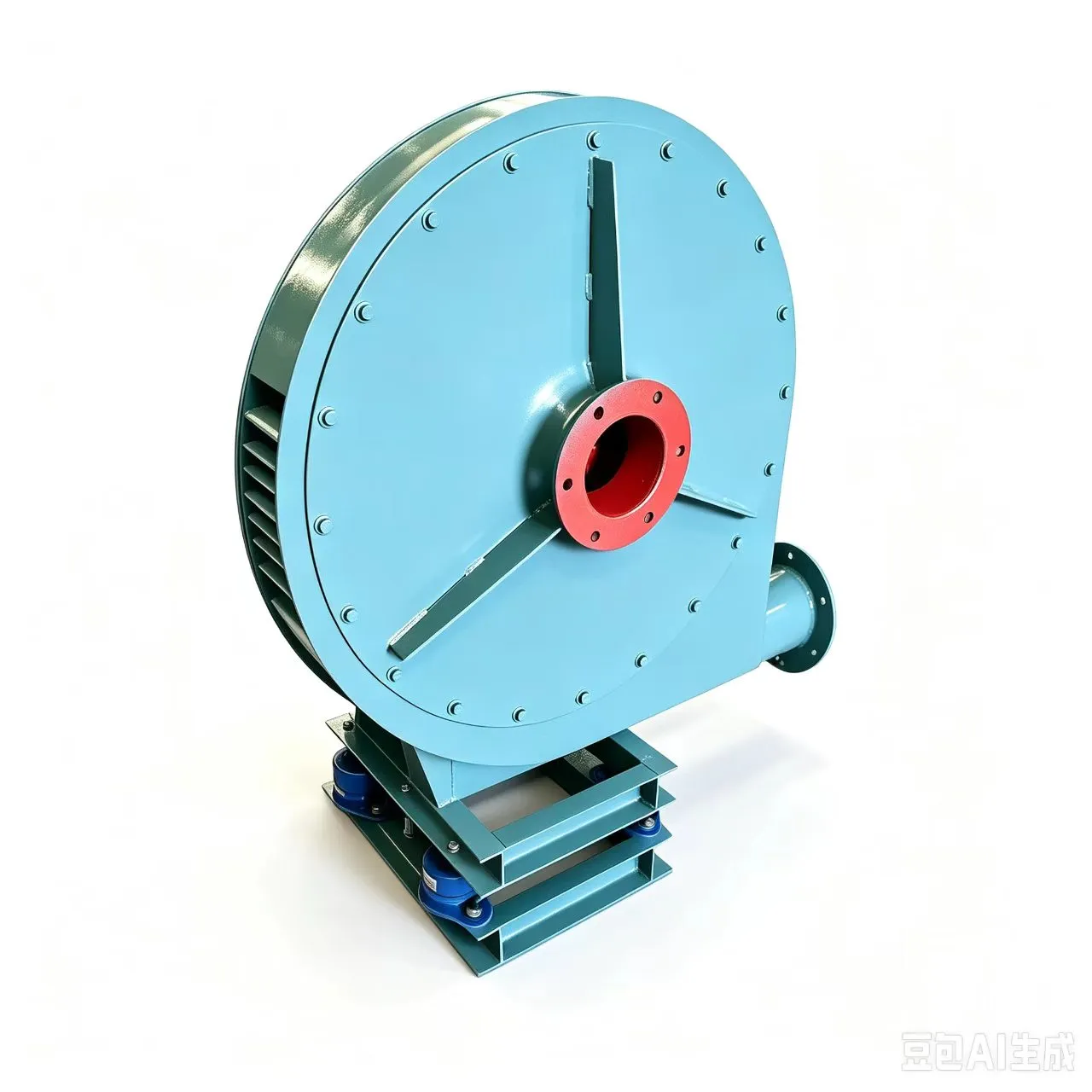
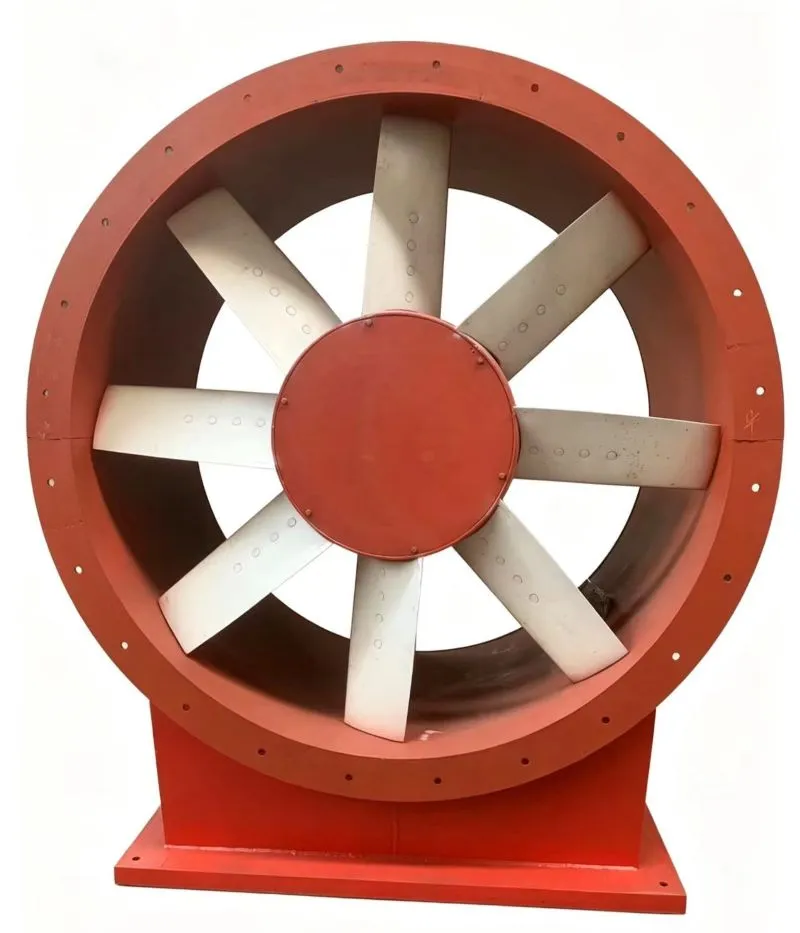
Pagpili ng tama ATEX centrifugal fan ay hindi tungkol sa pag-check sa isang kahon—ito ay tungkol sa pagpigil sa pag-aapoy sa mga plantang kemikal na puno ng alikabok, pag-iwas sa sakuna na pagkabigo sa mga kubol ng pintura na humahawak ng solvent, o pagtiyak ng tuluy-tuloy na pag-agos ng hangin kung saan ang mga konsentrasyon ng methane ay lumilipat malapit sa mga limitasyon ng paputok. We’ve seen facilities specify “ATEX-rated” fans only to discover—during commissioning—that the motor enclosure wasn’t certified for Zone 1 gas groups, or that the impeller material couldn’t withstand abrasive silica-laden exhaust. That’s why selection starts not with catalog numbers, but with three non-negotiable questions: What’s the exact hazardous zone classification? What’s the maximum operating temperature of the airstream? At anong mga mekanikal na stress ang titiisin ng fan—kaagnasan, abrasion, thermal cycling, o lahat ng tatlo?
Bakit Higit sa Isang Label ang Hinihiling ng Sertipikasyon ng ATEX
An ATEX centrifugal fan must meet two parallel requirements: equipment protection level (EPL) matching the zone (e.g., Ga for Zone 0, Gb for Zone 1), and gas group compatibility (IIC for hydrogen/acetylene, IIB for ethylene, IIA for propane). Ngunit ang sertipikasyon lamang ay hindi ginagarantiyahan ang pagganap sa larangan. In one refinery project, a fan passed ATEX testing at 25°C ambient—but failed during summer startup when casing surface temperature exceeded T4 (135°C) due to insufficient heat dissipation design. Real-world compliance means verifying thermal class *under actual duty conditions*, not just lab conditions. It also means confirming every component—bearing seals, shaft sleeves, even fasteners—is listed in the certificate scope. We routinely cross-check EC-type examination certificates against physical units before shipment. Walang pagpapalagay. Walang exception.
Mga Pagpipiliang Disenyo na Pinipigilan ang Pagkabigo—Hindi Lamang Natutugunan ang Mga Pamantayan
A certified fan fails if its construction contradicts its environment. Isaalang-alang ang mga desisyong ito na napatunayan sa larangan:
- Ang materyal ng impeller ay higit na mahalaga kaysa sa static na rating ng presyon. Ang mga impeller ng aluminyo ay kumikinang sa mga carbon black dust na kapaligiran—kahit na may pag-apruba ng ATEX. Titanium or stainless-steel variants eliminate that risk, but demand precise dynamic balancing to avoid vibration-induced bearing wear in continuous 24/7 operation.
- Ang pagsasama ng motor ay hindi plug-and-play. Ang isang ATEX-certified na motor na naka-mount sa isang non-certified fan housing ay nagpapawalang-bisa sa pagsunod ng buong assembly. Ang buong unit—kabilang ang drive coupling, guard, at base frame—ay dapat masuri bilang isang system.
- Ang diskarte sa pagbubuklod ay tumutukoy sa mahabang buhay. Ang mga karaniwang lip seal ay tumutulo ng alikabok sa mga bearings sa loob ng ilang buwan sa tambutso ng planta ng semento. Ang mga positive-pressure purge system na may inert gas injection ay nagpapahaba ng buhay ng serbisyo ng 3–5× sa mga high-particulate zone.
Pinalitan namin ang mahigit 120 legacy na fan sa mga coal-fired power station kung saan ang desulfurization flue gas ay nagdulot ng mabilis na kaagnasan ng mga karaniwang carbon steel casing. Ang paglipat sa dual-inlet centrifugal fan na may epoxy-coated casing at Hastelloy-C276 impeller ay nagbabawas ng hindi planadong downtime ng 78%—nang hindi nakompromiso ang integridad ng ATEX.
Ang Pag-customize ay Hindi Isang Luho—Ito ang Tanging Paraan upang Itugma ang Realidad
Ang mga off-the-shelf na tagahanga ng ATEX ay pinangangasiwaan ang mga kondisyon ng textbook. Ang mga totoong site ay hindi sumusunod sa mga aklat-aralin. Ang isang pharmaceutical cleanroom ay nangangailangan ng explosion-proof na bentilasyon na may ≤25 dB(A) na ingay—imposible sa mga karaniwang radial-tip impeller. Solution: custom backward-curved titanium impeller, acoustic lining integrated into the volute, and direct-drive IE4 motor eliminating belt-drive sparking risk. Kabuuang oras ng paghahatid: 11 linggo. Ang isa pang kliyente sa isang sulfuric acid production line ay nangangailangan ng paglaban sa H₂SO₄ mist sa 80°C habang pinapanatili ang Zone 1 IIB certification. Na-delaminate ang mga karaniwang epoxy coating. We used fluoropolymer-lined cast iron casings with ceramic-coated shaft extensions—and validated thermal expansion coefficients across the full operating range.
Ang custom ay hindi nangangahulugang mabagal. Ang aming in-house na machining, sheet metal fabrication, at dynamic na pagbabalanse na mga linya ay nagbibigay-daan sa amin na baguhin ang geometry ng casing, iakma ang mga inlet/outlet flanges, isama ang mga sensor ng temperatura, o magdagdag ng mga purge port—lahat ito nang walang pagkaantala sa muling pag-certification, dahil nagtatrabaho kami sa loob ng paunang naaprubahang mga hangganan ng disenyo.
Kung Ano ang Dumating Pagkatapos ng Invoice ang Tinutukoy ang Kaligtasan—Hindi Lamang Pagsunod
Ang dokumentasyon ay ang iyong unang linya ng depensa sa panahon ng pag-audit o pagsisiyasat ng insidente. Bawat ATEX centrifugal fan from Zibo Hongcheng Fan Co., Ltd. ships with a full technical file: EC-type examination certificate, test reports (vibration, noise, temperature rise), material certifications, and installation-specific torque specs—not generic manuals. Nagsasama kami ng mga QR-coded nameplate na nagli-link sa mga live na drawing na kinokontrol ng rebisyon at mga listahan ng ekstrang bahagi. When a petrochemical site in Oman needed urgent replacement of a failed boiler centrifugal blower, our engineering team reviewed their existing foundation bolts, ductwork alignment tolerances, and local grid voltage harmonics—then shipped a drop-in replacement with pre-set VFD parameters and phase rotation verification. Walang hula. Walang field re-engineering.
Ang kaligtasan ay hindi nakakamit sa pagkomisyon. It’s sustained through predictable maintenance, traceable parts, and engineers who’ve stood in your control room during startup. That’s why our support includes application-specific training—not just “how to turn it on,” but “how to spot early-stage bearing degradation in high-humidity Zone 2 environments.”