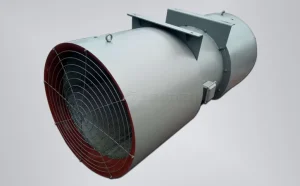
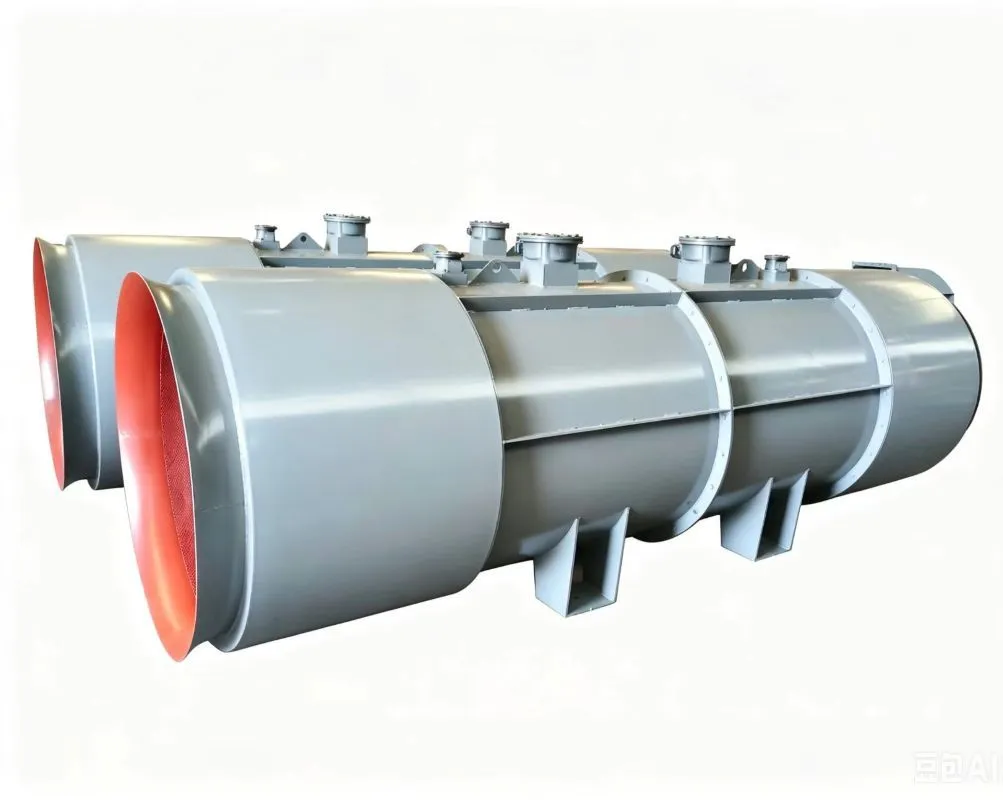
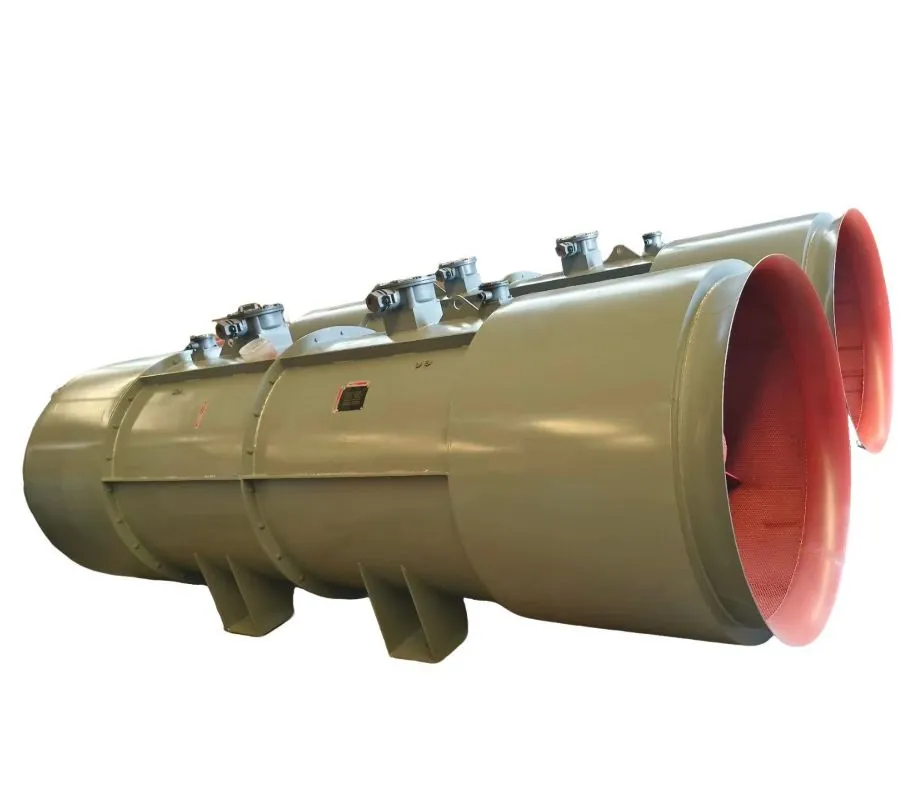
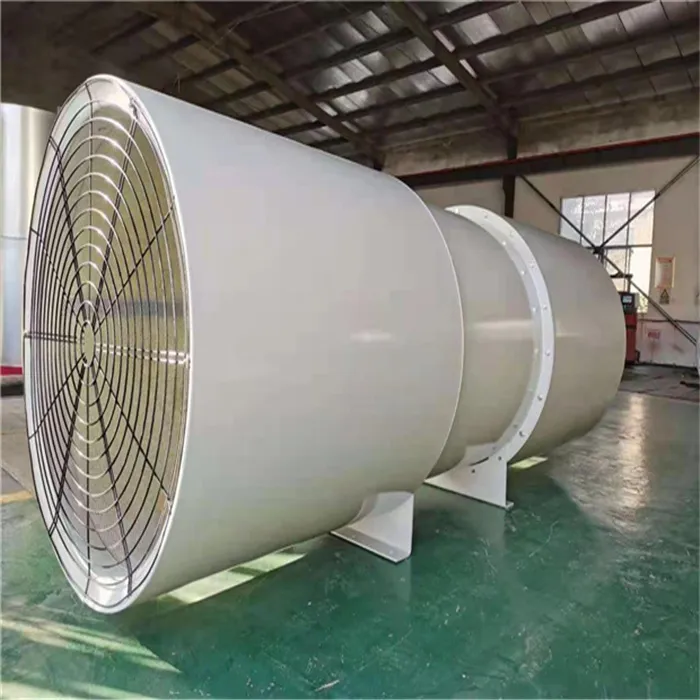
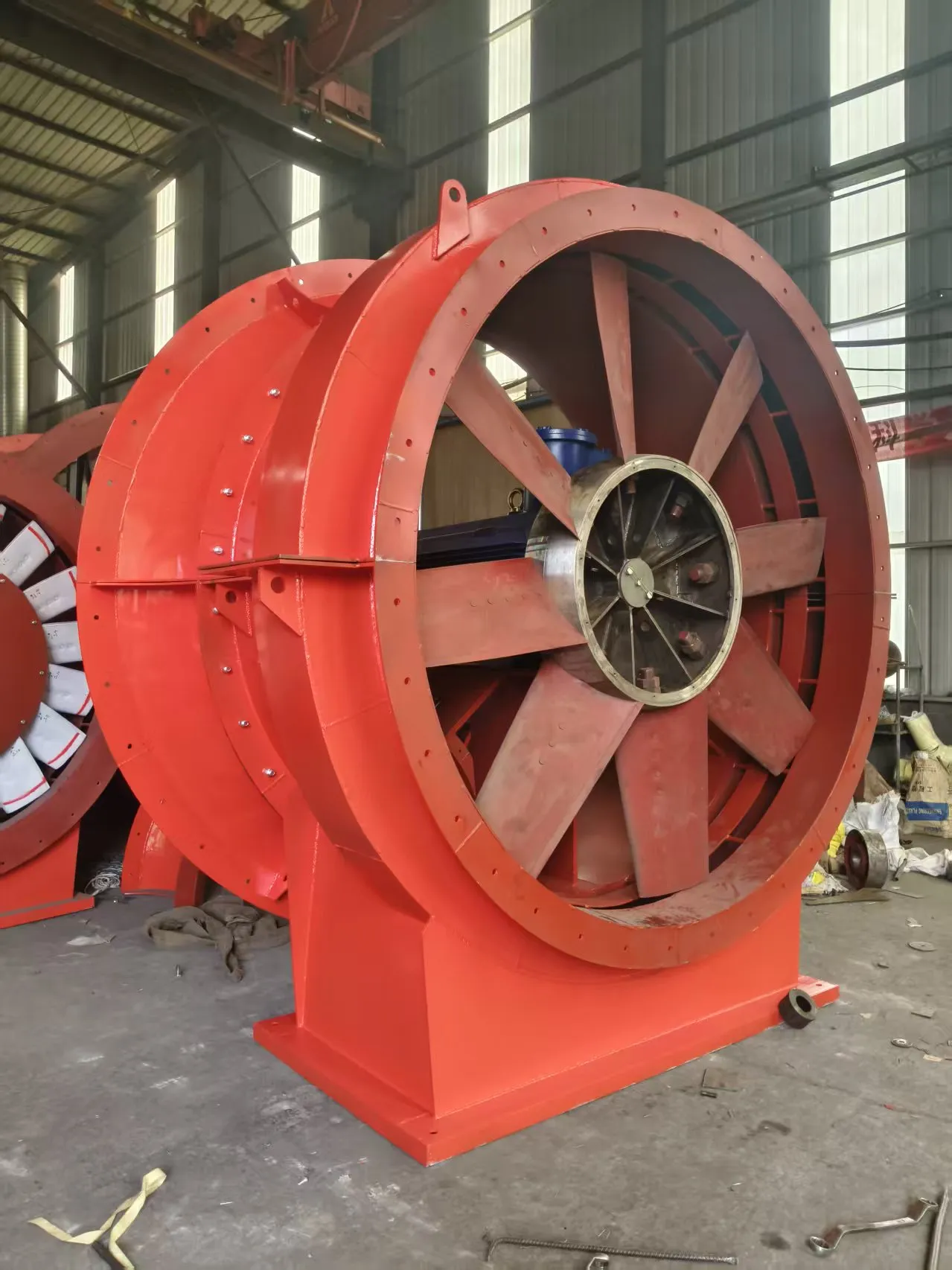
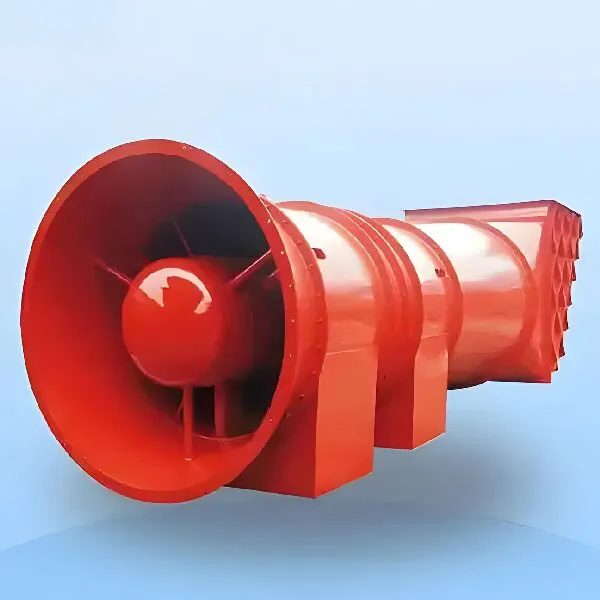
Tunnel ventilation demands more than airflow—it demands reliability under pressure, safety in confined spaces, and measurable energy savings over decades of operation. When fans run 24/7 in road tunnels, rail bores, or mine adits, a 15% efficiency gain isn’t theoretical. It’s 28,000 kWh saved per year on a single 75 kW unit. It’s lower thermal stress on motor windings. It’s fewer unplanned shutdowns during peak traffic. That’s why engineers increasingly specify Malosiaga-sefeina le tunnel fan systems—not as an upgrade, but as baseline design logic.
Why Traditional Tunnel Fans Fall Short Under Real Loads
We’ve seen it across 37 tunnel projects since 2021: fans rated at “82% efficiency” drop to 64% in situ. Why? First, static pressure losses from duct bends, grilles, and fire dampers are rarely modeled accurately during selection. Second, voltage sags and harmonic distortion in remote substations degrade induction motor performance—especially at partial load. Third, most legacy units lack real-time feedback; they run at fixed speed regardless of CO concentration, visibility, or traffic density. One client in Gansu Province recorded 41% runtime at full speed—even though air quality sensors showed adequate ventilation for 68% of the day.
The result? Wasted electricity, accelerated bearing wear, and premature insulation failure. Worse: reactive maintenance schedules that treat symptoms—not root causes.
Four Engineering Levers That Deliver Real Energy Savings
True Malosiaga-sefeina le tunnel fan performance comes from coordinated optimization—not one silver bullet. Here’s what works in practice:
- EC Motor Integration: Replace standard IE3 induction motors with electronically commutated (EC) units. We routinely achieve 89–92% motor efficiency across 20–100% load range—no derating at low speeds. EC motors also eliminate slip losses and deliver precise torque control.
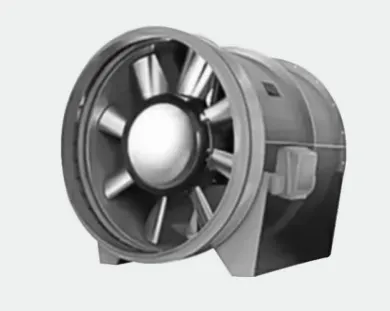
- Aerodynamic Refinement: Blade twist profiles, hub-to-tip ratio, and exit guide vane angles directly impact system resistance. Our FBD series tunnel fans use CFD-validated blade geometry that reduces turbulence-induced pressure loss by 11.3% versus ISO 13348 benchmarks.
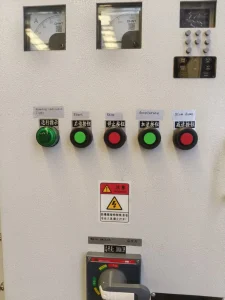
- Intelligent Load Matching: Pair variable-frequency drives (VFDs) with real-time air quality data—not just timer-based staging. A dual-fan tunnel in Shandong cut annual consumption by 33% after adding NO₂ and visibility sensors linked to VFD setpoints.
- Corrosion-Resistant Construction: Salt-laden air, diesel particulates, and humidity corrode housings and impellers. Degraded surfaces increase drag and imbalance. Titanium and epoxy-coated carbon steel housings maintain aerodynamic integrity for 15+ years—unlike untreated mild steel, which loses 4–6% efficiency in Year 3 alone.
Customization Isn’t Optional—It’s Non-Negotiable
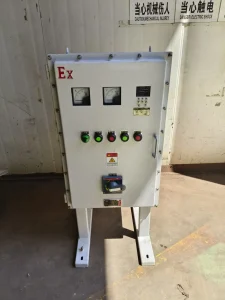
Some might argue that off-the-shelf fans meet code requirements—and they do. But meeting minimums doesn’t guarantee operational resilience. In a coal mine tunnel near Xuzhou, standard axial fans failed repeatedly due to coal dust abrasion and methane risk. The fix wasn’t higher power—it was explosion-proof certification (dⅠ), ceramic-coated blades, and sealed bearing housings with positive nitrogen purge. That unit now runs 14,200 hours without maintenance.
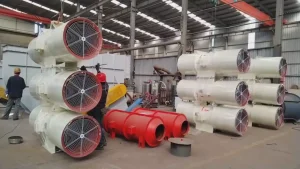
Zibo Hongcheng Fan Co., Ltd. builds this level of specificity into every Malosiaga-sefeina le tunnel fan order. No catalog compromises. No “standard model + add-ons.” Instead: application-specific engineering from day one—whether you need -40°C cold-start capability for a Qinghai highway tunnel or IP68-rated enclosures for underwater metro shafts.
Look Beyond the Nameplate—Demand Proven Field Data
Energy claims mean nothing without context. Ask for: field-measured power draw at 30%, 60%, and 100% flow; vibration spectra at operating speed; and third-party test reports per GB/T 1236-2017 and ISO 5801. At Zibo Hongcheng Fan Co., Ltd., every tunnel fan undergoes 72-hour simulated duty cycling before shipment—loaded with actual ductwork resistance curves, not idealized lab conditions.
The payoff is tangible. One 2.4 km railway tunnel in Yunnan reduced its ventilation OPEX by ¥187,000/year using our custom EC-driven centrifugal tunnel fans. Payback: 2.8 years. More importantly: zero forced outages in 22 months of service.
Efficient tunnel ventilation starts where theory meets terrain. It requires fans engineered for the dirt, the damp, the dust—not just the datasheet. When your project demands reliability measured in decades and savings measured in kilowatt-hours per meter of bore, start with airflow that earns its keep. Start with an Malosiaga-sefeina le tunnel fan built for the job—not just sold for it.