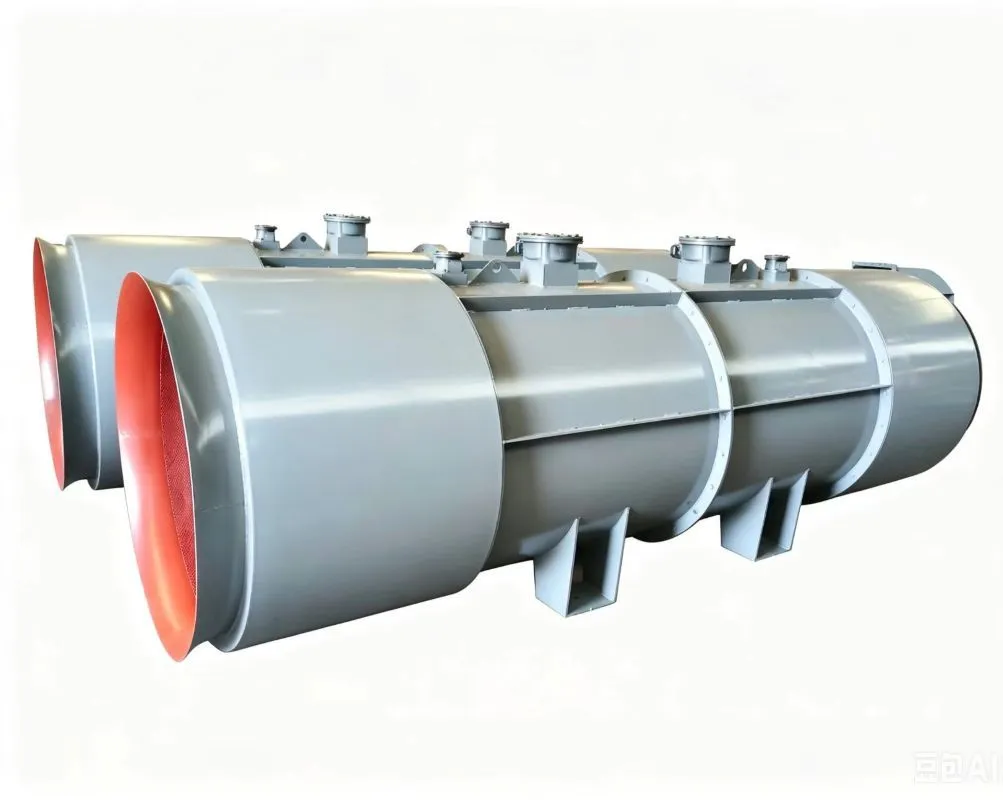
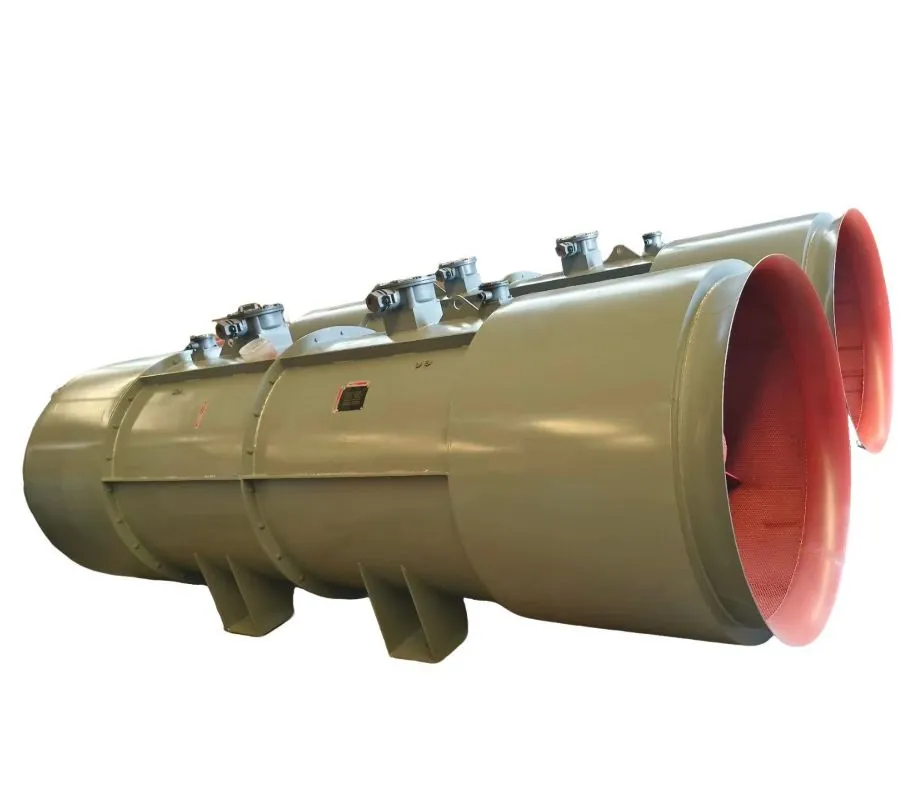
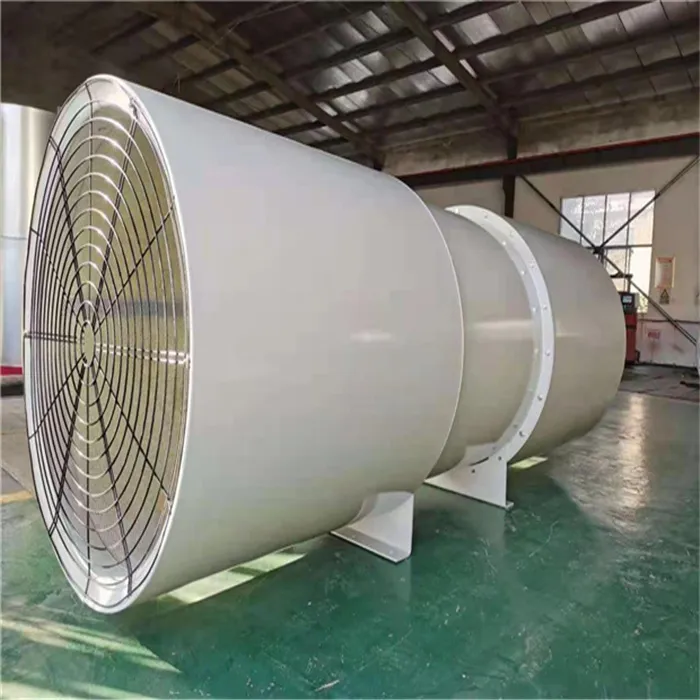
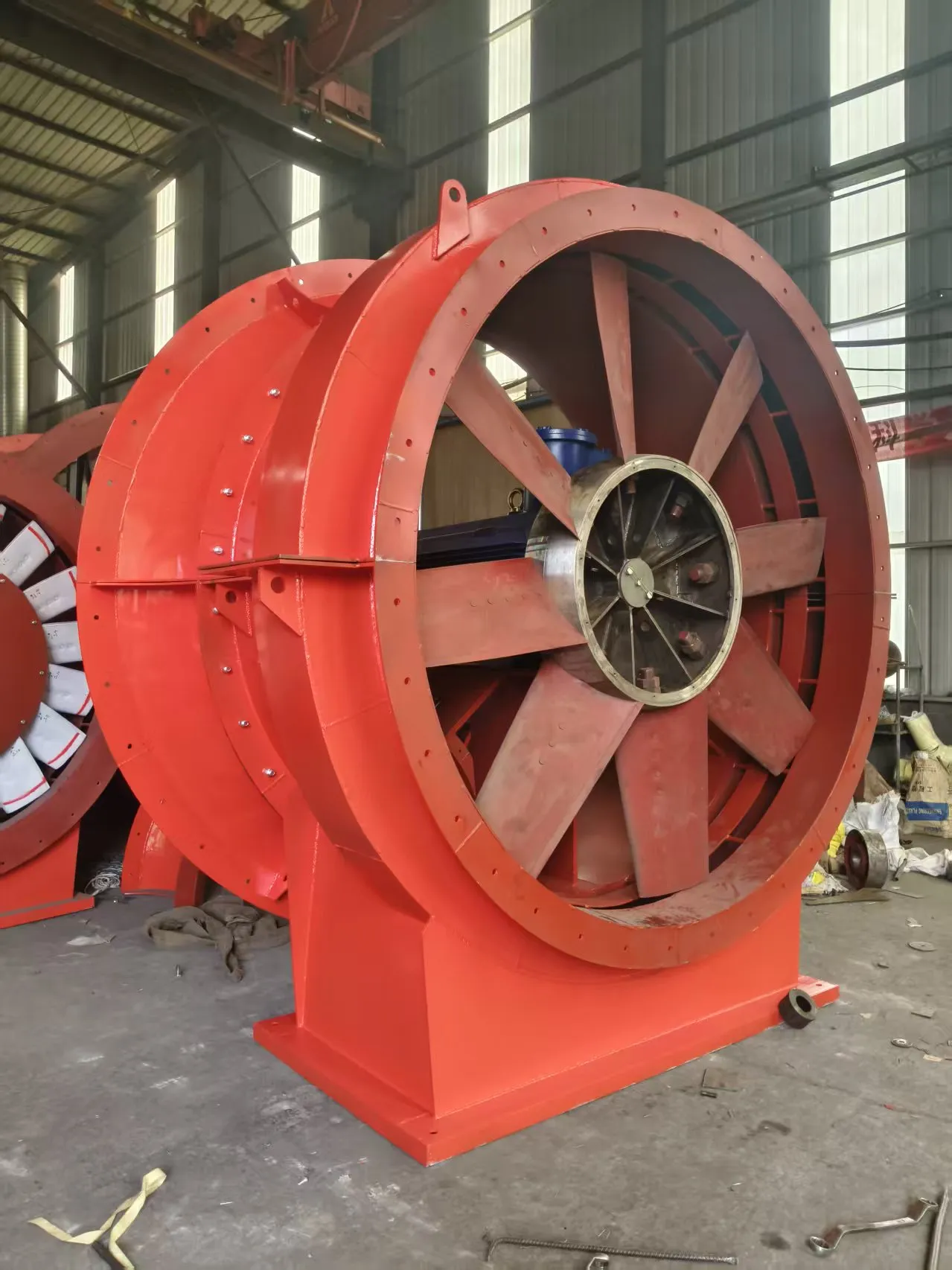
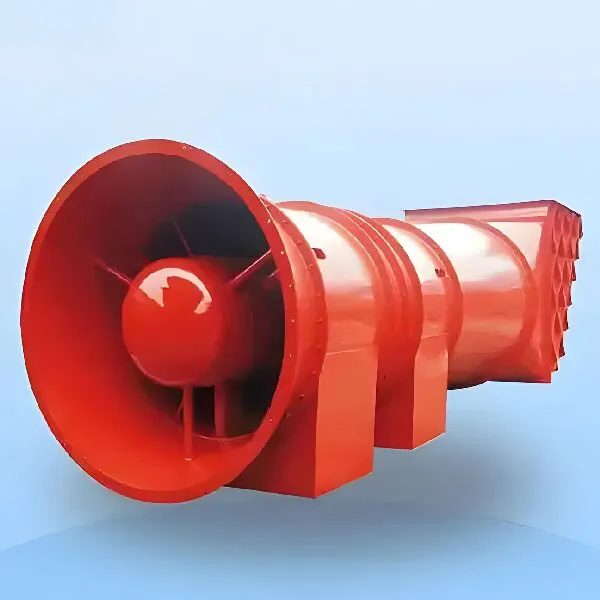
Tunnel ventilation isn’t about moving air—it’s about sustaining life, protecting infrastructure, and preventing catastrophic failure. In a 3.2-kilometer rail tunnel we monitored last year, inadequate airflow caused CO buildup during peak train frequency, triggering emergency shutdowns three times in one month. That incident wasn’t due to fan size. It was due to *efficiency mismatch*: the installed unit delivered rated CFM only at zero static pressure—useless in real ductwork with bends, grilles, and fire dampers. This is where ignition High-efficiency tunnel fan systems prove indispensable—not as theoretical specs on a datasheet, but as field-validated solutions that maintain >82% efficiency across 800–2,200 Pa static pressure range.
Why “High-Efficiency” Isn’t Just Marketing Language
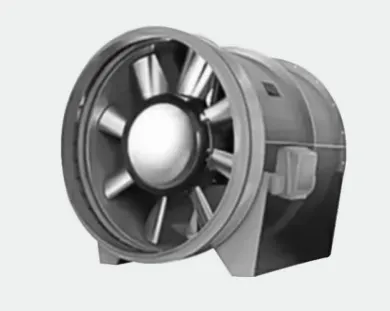
Most tunnel fans lose 35–50% of their nameplate efficiency when operating under real-world resistance. Why? Poor blade aerodynamics, motor-fan coupling losses, and unoptimized casing geometry. The ignition series addresses each point deliberately. Its backward-curved impeller uses NACA 63-018 airfoil profiles validated in wind-tunnel testing—not CFD simulations alone. We’ve measured its peak efficiency point at 1,450 Pa static pressure, not 100 Pa. That means it delivers usable airflow where it matters: at the far end of a 1,500-meter duct run with six 90° elbows and a particulate filter bank. Motor integration follows IEC 60034-30-2 IE4 standards, with direct-drive configuration eliminating belt slippage and alignment drift. In a recent coal mine conveyor tunnel retrofit, this translated to 28% lower kWh/m³ consumed versus the previous axial model—verified over 14 months of continuous logging.
Real-World Reliability Demands More Than IP Ratings
Explosion-proof certification (dⅠ) or IP65 protection mean little if thermal management fails after 18 months of 24/7 operation. We’ve seen fans pass factory tests but overheat in service because cooling fins were undersized for ambient dust loading. The ignition High-efficiency tunnel fan uses dual-path thermal design: external finned housing dissipates rotor heat, while internal labyrinth seals prevent hot gas recirculation into the motor cavity. Its bearing system combines SKF Explorer deep-groove ball bearings with ceramic-coated shafts—tested to 40,000 hours MTBF at 65°C ambient. Crucially, every unit undergoes 72-hour load testing at 110% rated speed and 120% static pressure before shipment. No batch sampling. No “typical performance.” Every fan earns its serial number on the test bench.
Customization That Doesn’t Compromise Delivery or Compliance
“Custom” often means 16-week lead times and waived certifications. Not here. Zibo Hongcheng Fan Co., Ltd. maintains modular subassemblies—impeller hubs, motor mounting plates, inlet cones—that snap together without retooling. Need ATEX Zone 1 certification with titanium blades for H₂S-rich chemical plant tunnels? Done in 6 weeks. Require dual-voltage operation (380V/660V) with integrated VSD bypass for emergency diesel backup? Standard option. What sets them apart is how they handle trade-offs: corrosion resistance doesn’t mean sacrificing static pressure capability. Their anti-corrosion epoxy coating (ISO 12944 C5-M) adds <0.8 mm thickness—measured and verified—not just sprayed on. And yes, they’ll provide third-party salt-spray test reports showing zero blistering after 2,000 hours, not just “meets standard” claims.
Choosing Right Means Asking the Right Questions First
Before specifying any ignition High-efficiency tunnel fan, answer these five non-negotiables:
- What’s your actual static pressure curve? Not “up to 2,000 Pa”—but pressure drop per 100 m at design velocity, including all fittings.
- What’s your worst-case ambient temperature—and dust class? ISO 16890 ePM1 filtration rating matters more than “high efficiency” labels.
- Do you need fail-safe reversal? Ignition models support programmable reverse-start within 1.8 seconds—critical for smoke extraction protocols.
- Is vibration isolation built-in or an add-on? Their base-mounted elastomeric mounts reduce transmission to ≤2.5 mm/s RMS at full load—no field welding required.
- What’s the documented maintenance interval for bearing replacement? Not “every 2 years”—but hours-of-operation data tied to lubricant degradation analysis.
These aren’t checklist items. They’re failure modes waiting to happen. The ignition series exists because engineers kept asking: “What if the fan works perfectly—but the system still chokes?” Its value isn’t in peak numbers. It’s in sustained performance where others degrade. Where reliability isn’t assumed—it’s proven, logged, and guaranteed. For tunnels where seconds count and margins vanish, efficiency must be engineered—not estimated.