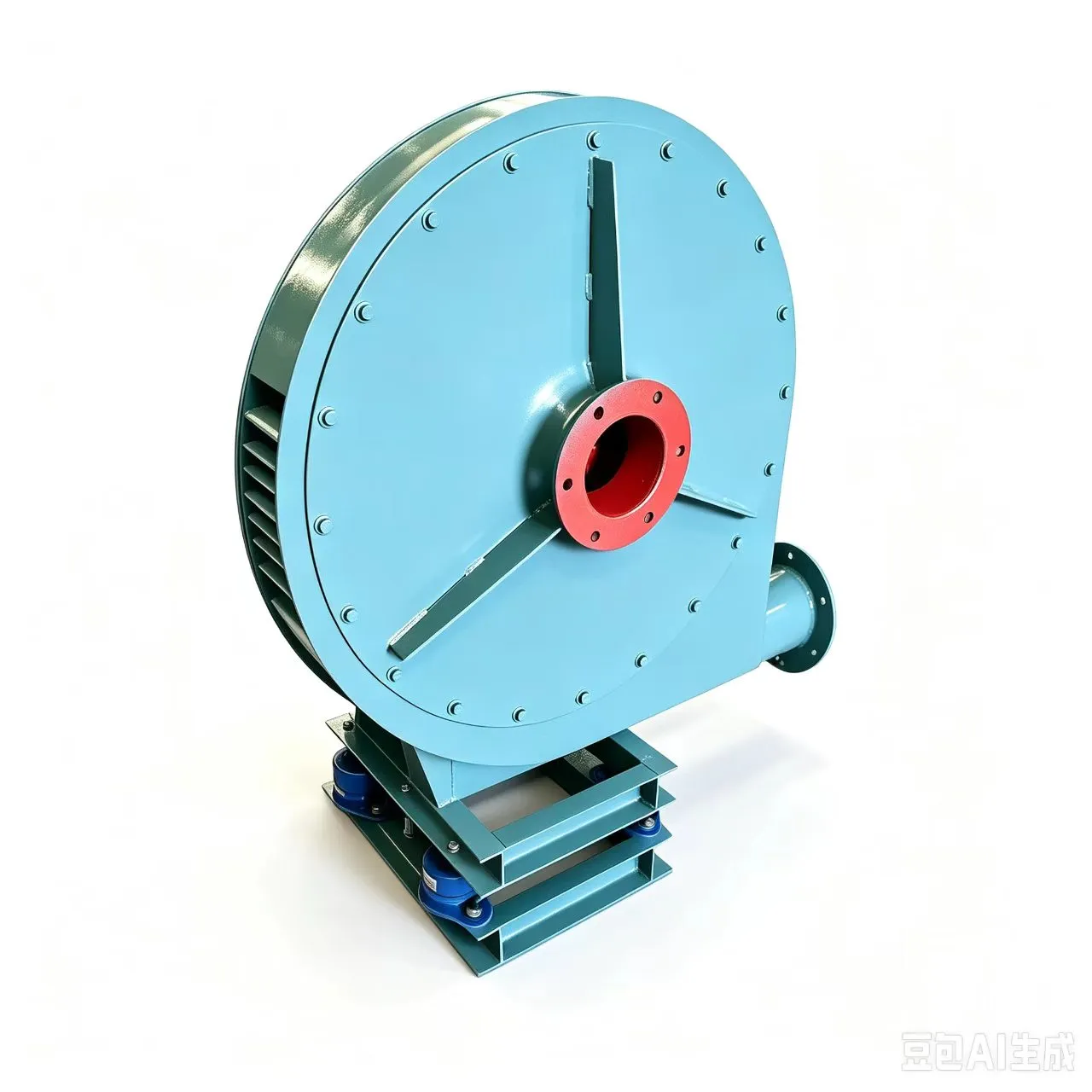
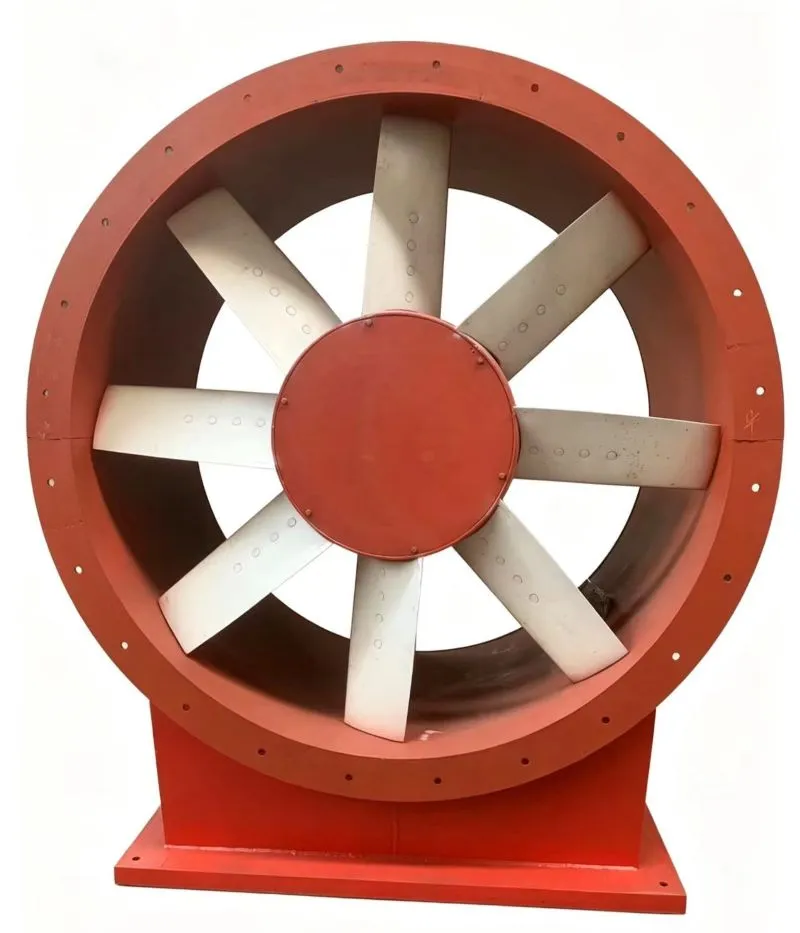
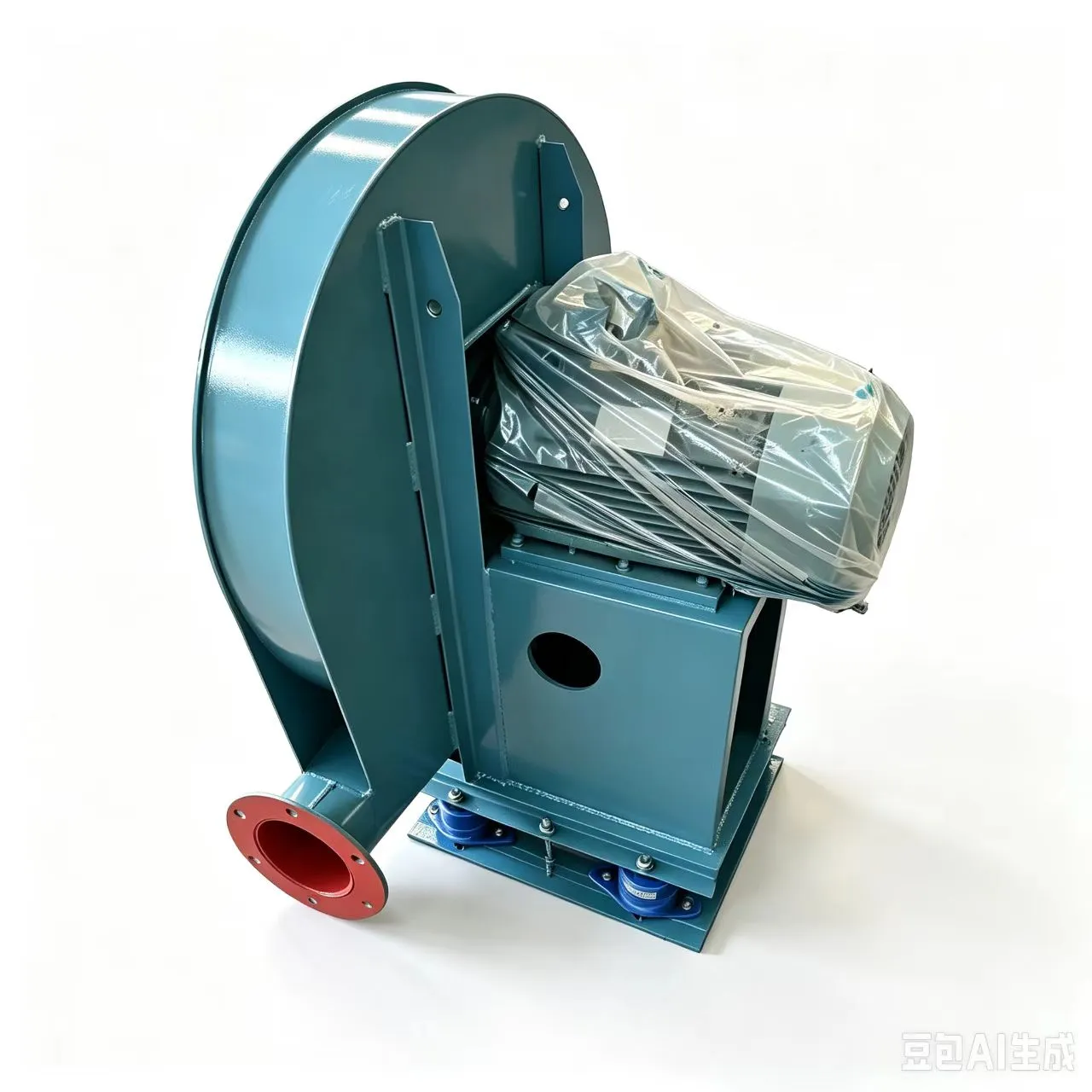
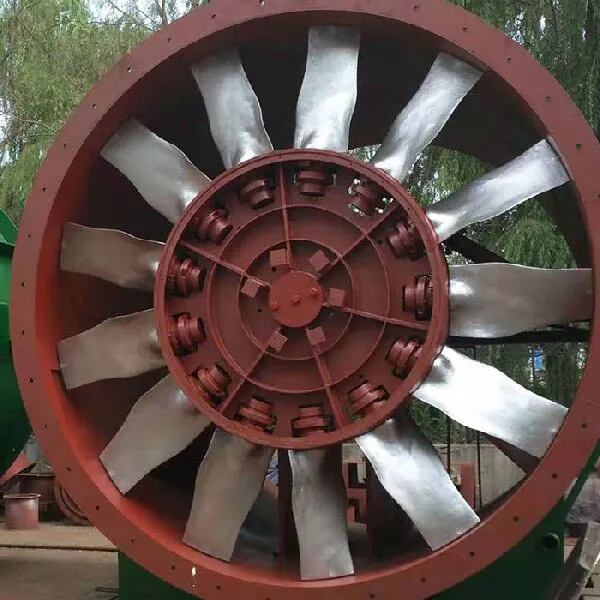
Explosion-proof variable frequency motor systems aren’t optional in chemical plants, coal mines, or oil refineries—they’re the difference between continuous operation and catastrophic shutdown. We’ve seen facilities lose three shifts of production because a fan motor tripped during volatile gas detection. Others replaced standard VFDs twice in 18 months—only to discover the root cause wasn’t software tuning or cable shielding, but fundamental mismatch between motor insulation class, enclosure rating, and real-world duty cycles. At Zibo Hongcheng Fan Co., Ltd., we design explosion-proof variable frequency motors not as standalone components, but as integrated airflow control nodes—engineered from winding to housing for simultaneous compliance with GB 3836.1–2021 (China’s Ex standard), IEC 60079-0, and industrial VFD compatibility requirements like IEEE 519-2022 harmonic limits.
Why Standard VFD Motors Fail in Hazardous Zones—Even With “Ex” Labels
Many users assume an “explosion-proof” label guarantees safe VFD operation. It doesn’t. A motor certified for static Ex d IIB T4 conditions may overheat under 30 Hz PWM voltage stress, degrading Class H insulation faster than thermal modeling predicts. We’ve measured rotor surface temperatures 42°C above nameplate at 25 Hz in sealed tunnel environments—enough to carbonize varnish and trigger ground faults. Worse: non-sinusoidal waveforms increase eddy current losses in flameproof enclosures, raising surface temperature beyond T-rating margins. That’s why our explosion-proof variable frequency motor series starts with dual-certified stator windings—Class H insulation *plus* reinforced slot liners resistant to high dv/dt transients—and housings machined to ±0.05 mm concentricity to prevent bearing currents induced by common-mode voltage.
Real-World Integration: What Your Control Engineer Needs to Know
VFD compatibility isn’t about torque curves—it’s about electromagnetic survivability. Our FBD(DⅠ) series explosion-proof variable frequency motors include built-in RFI filters rated for 4 kV surge immunity and shielded internal wiring routed away from power leads. But integration fails most often at the interface: incorrect grounding topology, unshielded encoder cables running parallel to motor leads, or VFD carrier frequencies set above 8 kHz in confined spaces where reflected waves amplify voltage spikes. We supply full commissioning kits—including ferrite cores, grounding lugs, and 1:1 isolation transformers for feedback circuits—not as add-ons, but as mandatory parts of the system specification. When a refinery in Shandong reduced unplanned downtime by 73%, the change wasn’t the motor itself. It was enforcing single-point grounding and installing our pre-tested 12-pulse rectifier option to cut THD below 5% at the motor terminals.
Customization That Doesn’t Compromise Certification
“Can you make it explosion-proof *and* corrosion-resistant *and* run at 110°C ambient?” Yes—but only if material, cooling, and certification paths align. Titanium housings resist H₂S corrosion but conduct heat poorly; we solve this with integrated axial fin arrays and forced-air ducting that maintains T3 surface temperature even at 100% load in 55°C ambient. For desulfurization fans handling wet flue gas, we embed epoxy-coated copper windings *and* specify stainless steel fasteners with passivation certificates—not just grade markings. Every custom unit undergoes full-load burn-in testing at 105% rated voltage for 72 hours inside our Class II Zone 1 test chamber, with thermographic monitoring every 15 minutes. No shortcuts. No “equivalent” materials. No re-certification delays.
Choosing Right Means Asking the Right Questions First
- What’s your actual minimum operating frequency? Running below 20 Hz demands special cooling—our low-speed models use external blowers with independent power, not shaft-mounted fans that stall at low RPM.
- Which harmonics dominate your grid? If your site has heavy arc furnace loads, our motors include harmonic-tuned stator laminations to suppress 5th and 7th order resonance.
- How fast must it restart after fault clearance? Coal mine ventilation requires ≤3-second recovery—we integrate capacitor banks that maintain field excitation during micro-interruptions.
- Where does maintenance happen? Our modular terminal boxes allow full insulation resistance testing without opening the flameproof joint—critical when hot work permits restrict access time.
We don’t sell motors. We deliver verified airflow assurance. Every explosion-proof variable frequency motor leaves our Zibo facility with a traceable test report showing no-load current imbalance (<2%), vibration amplitude (<1.8 mm/s RMS), and surface temperature rise under simulated VFD waveform stress. That’s how reliability gets engineered—not promised. Visit https://www.hongchengfan.com for technical datasheets, application notes on VFD-motor matching, and direct access to application engineers who’ve specified over 2,100 hazardous-area installations since 2020.